electrolytic sewage treatment plant
electrolytic sewage treatment plant
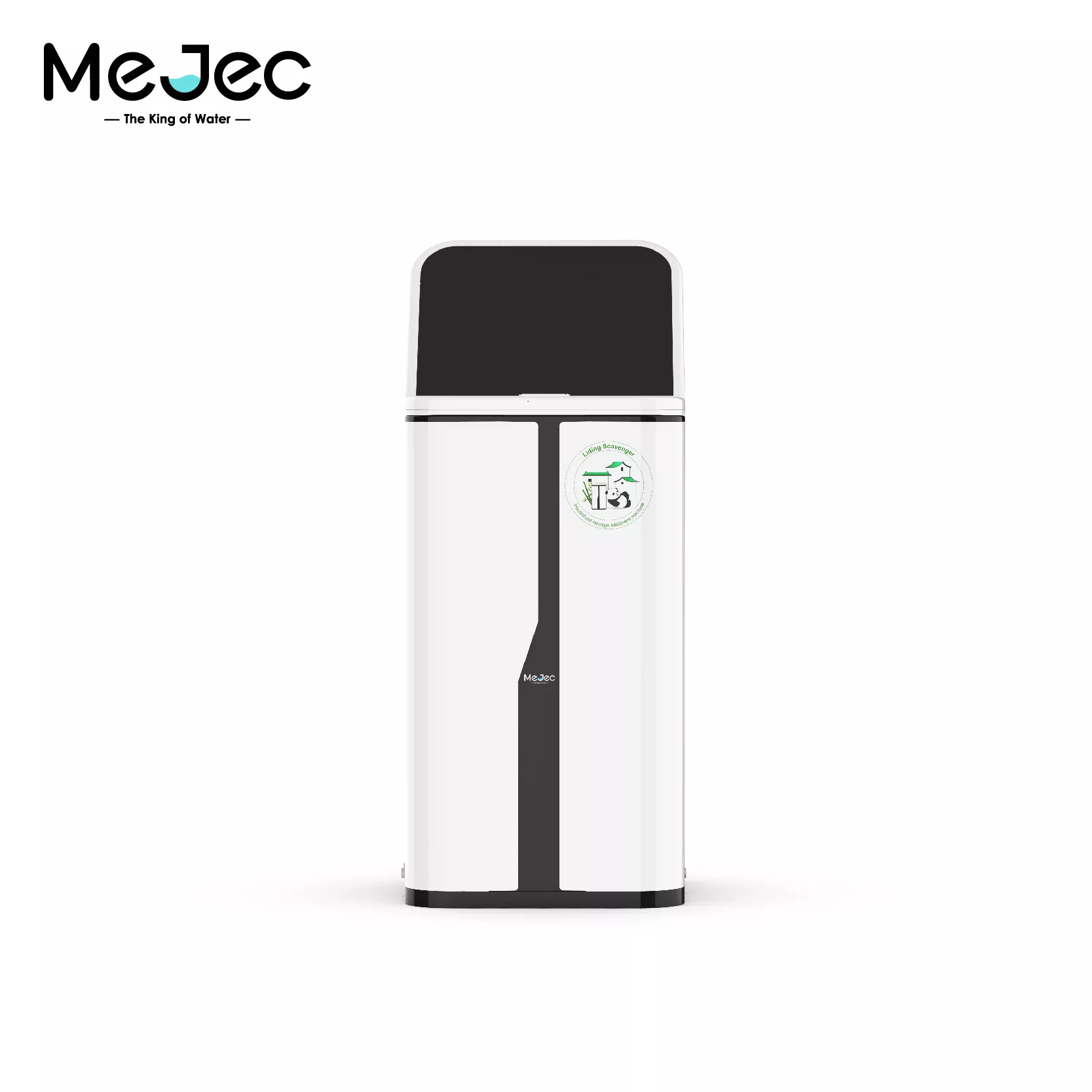
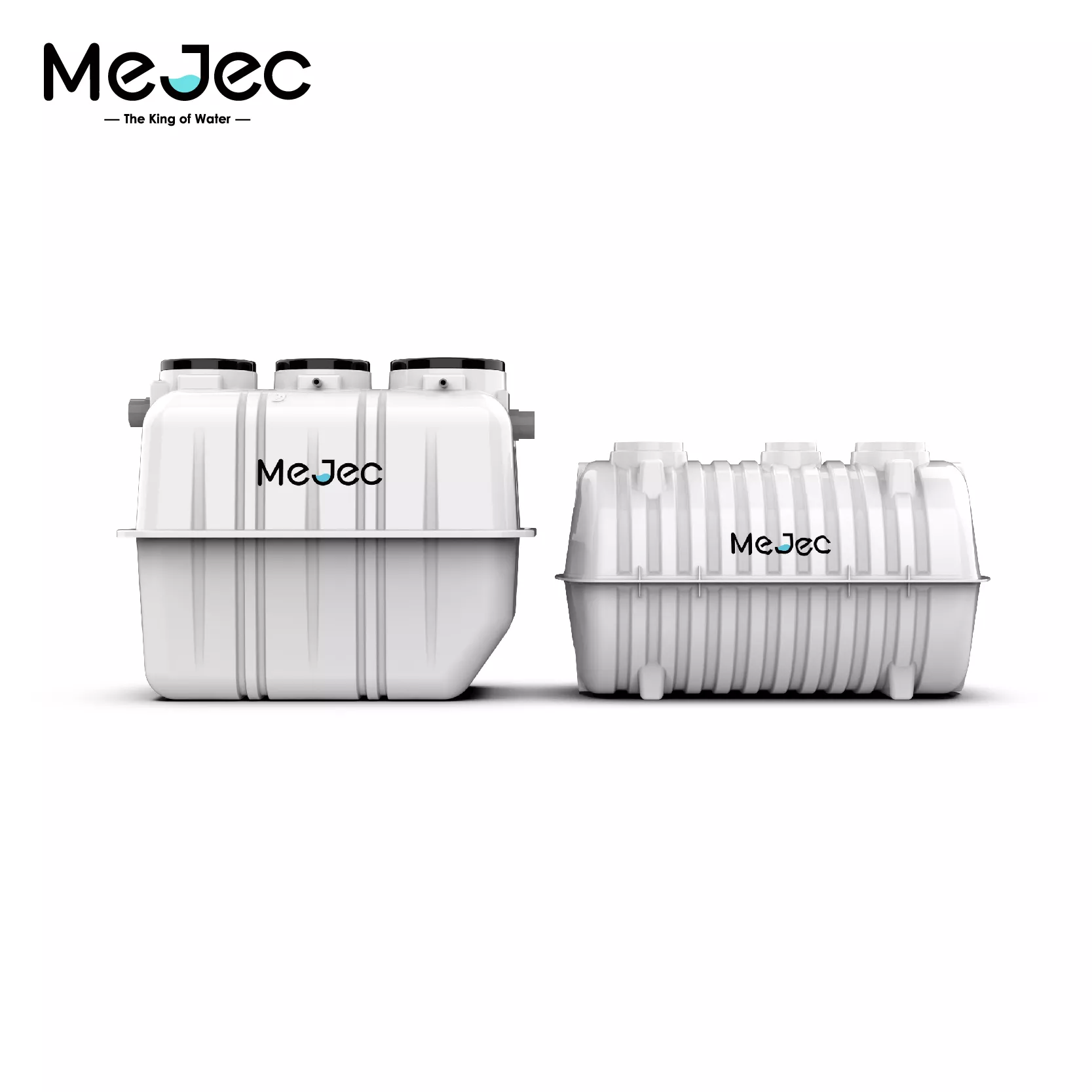
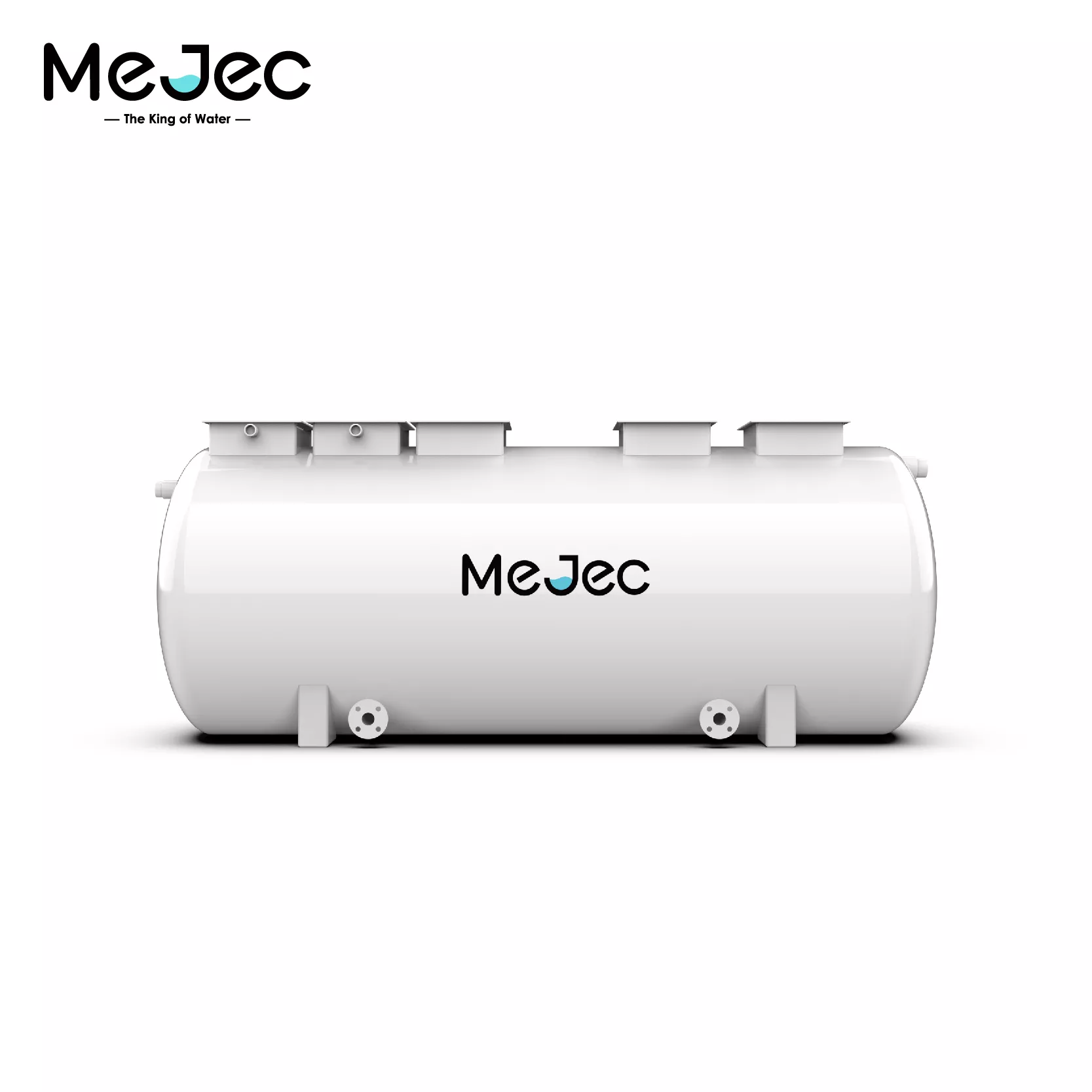
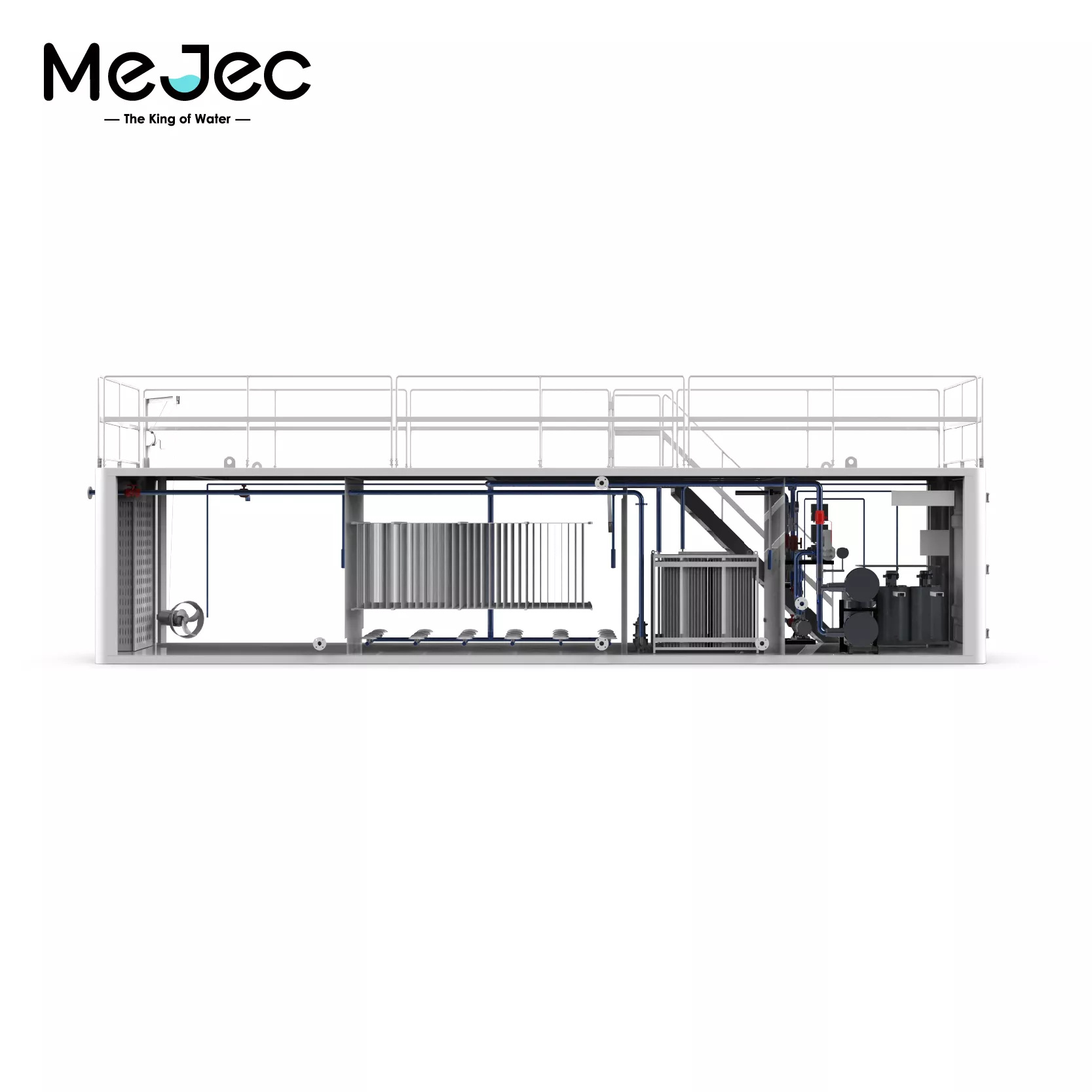
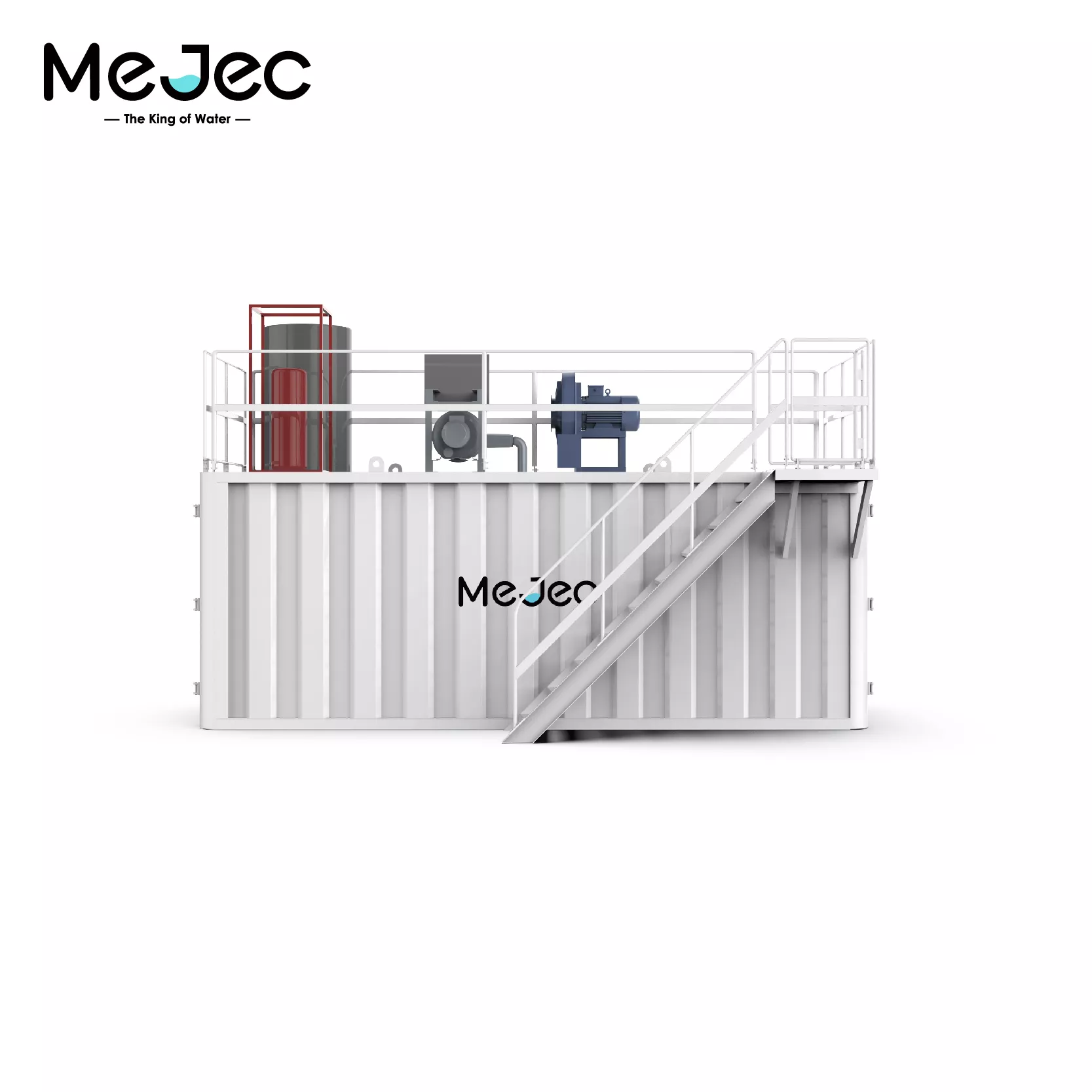
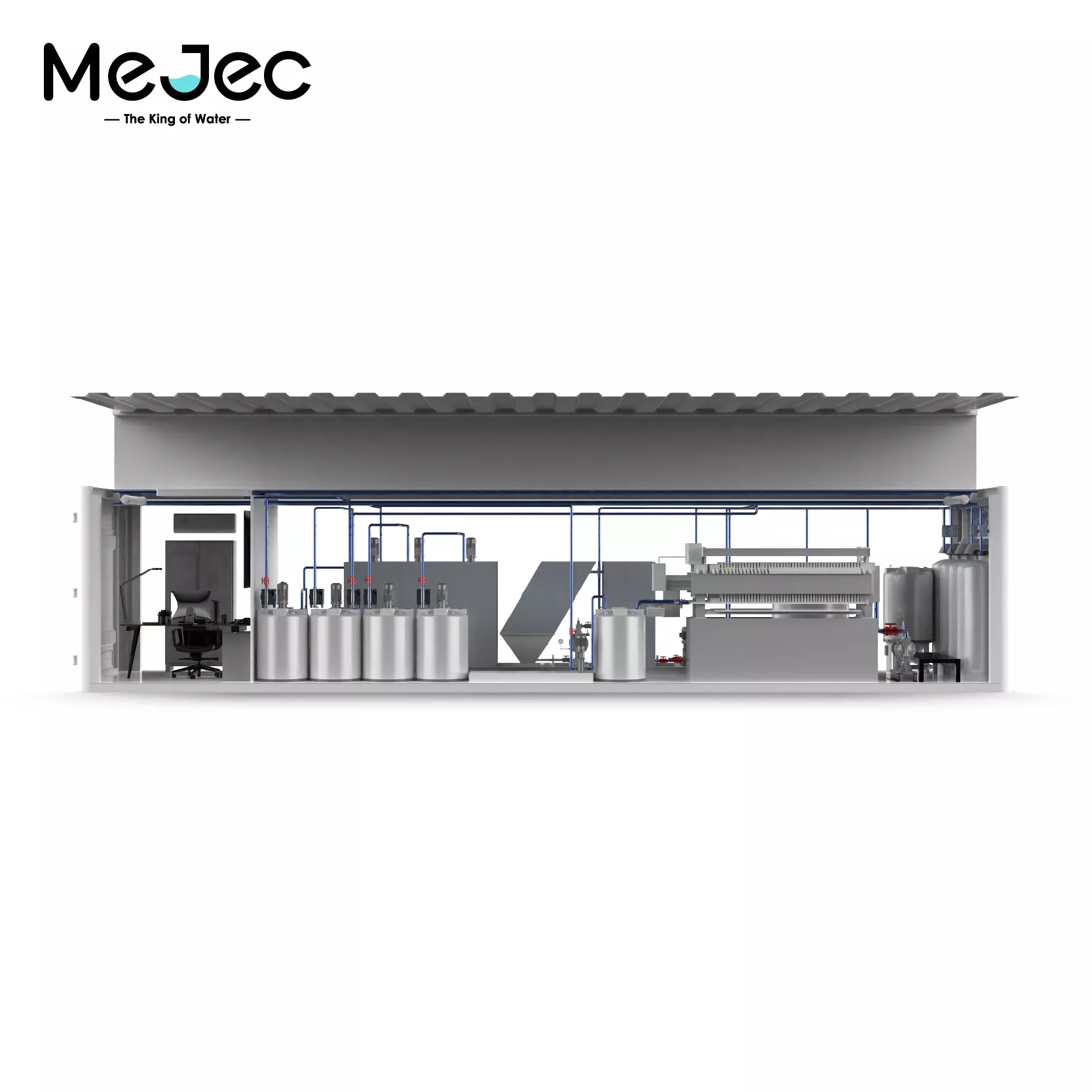
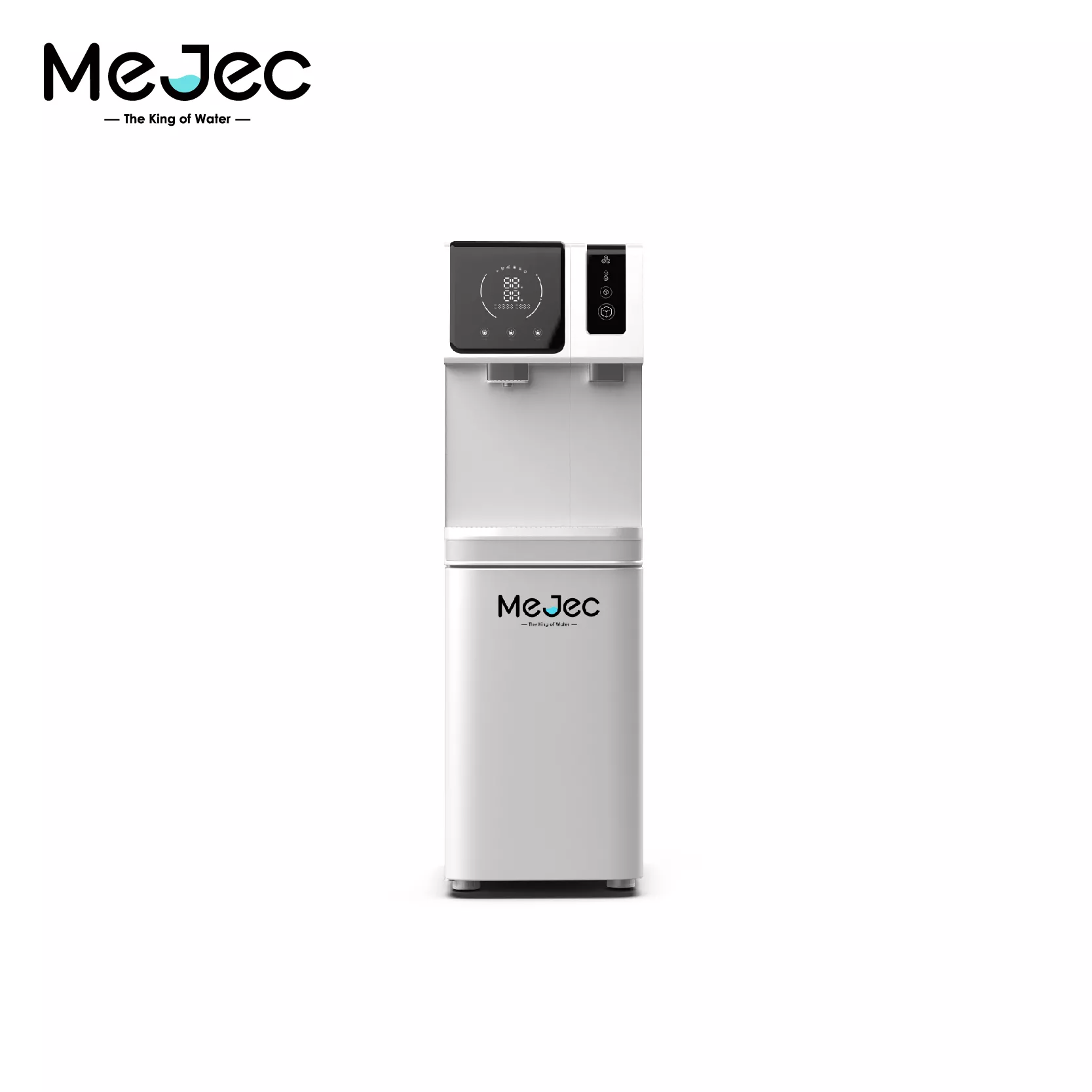
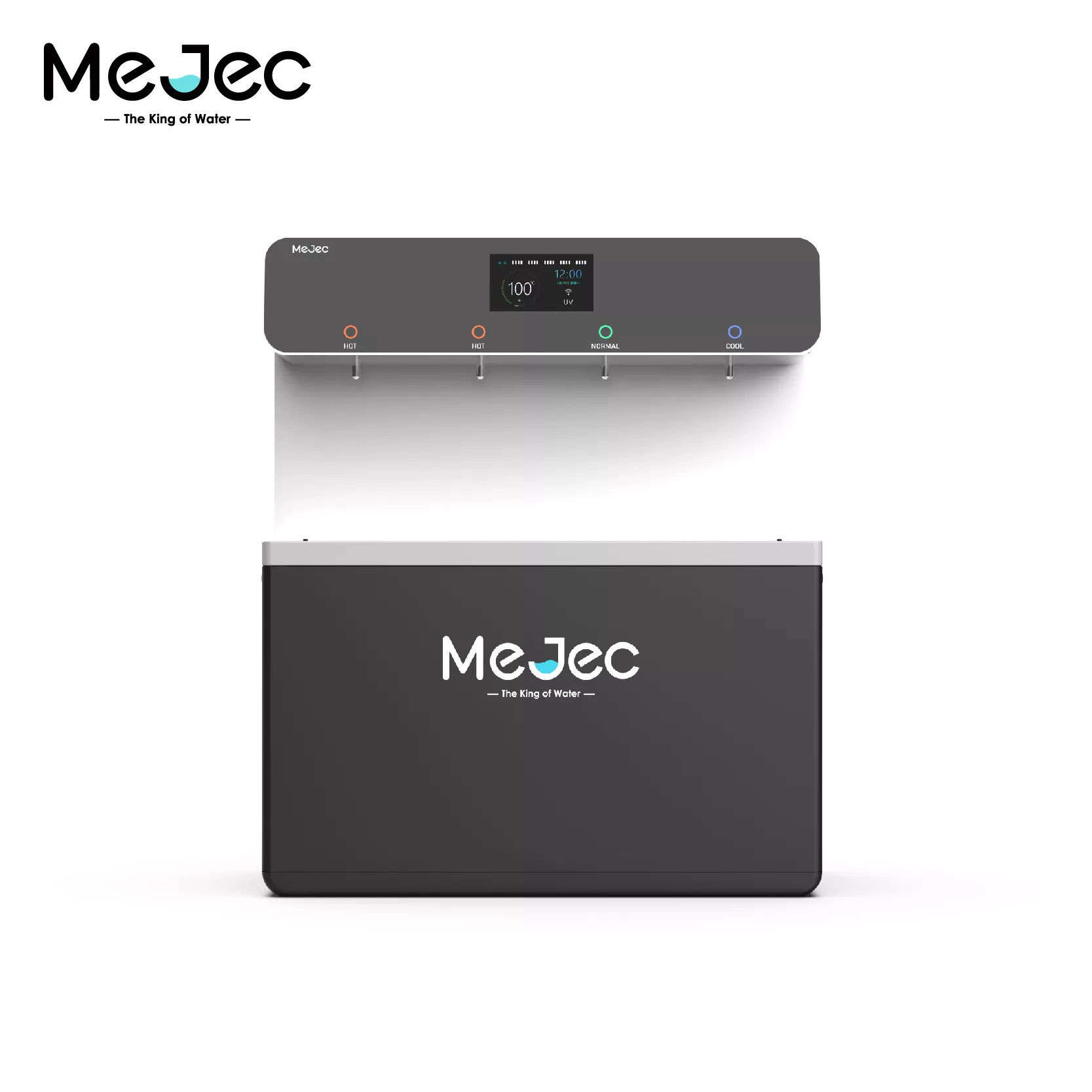
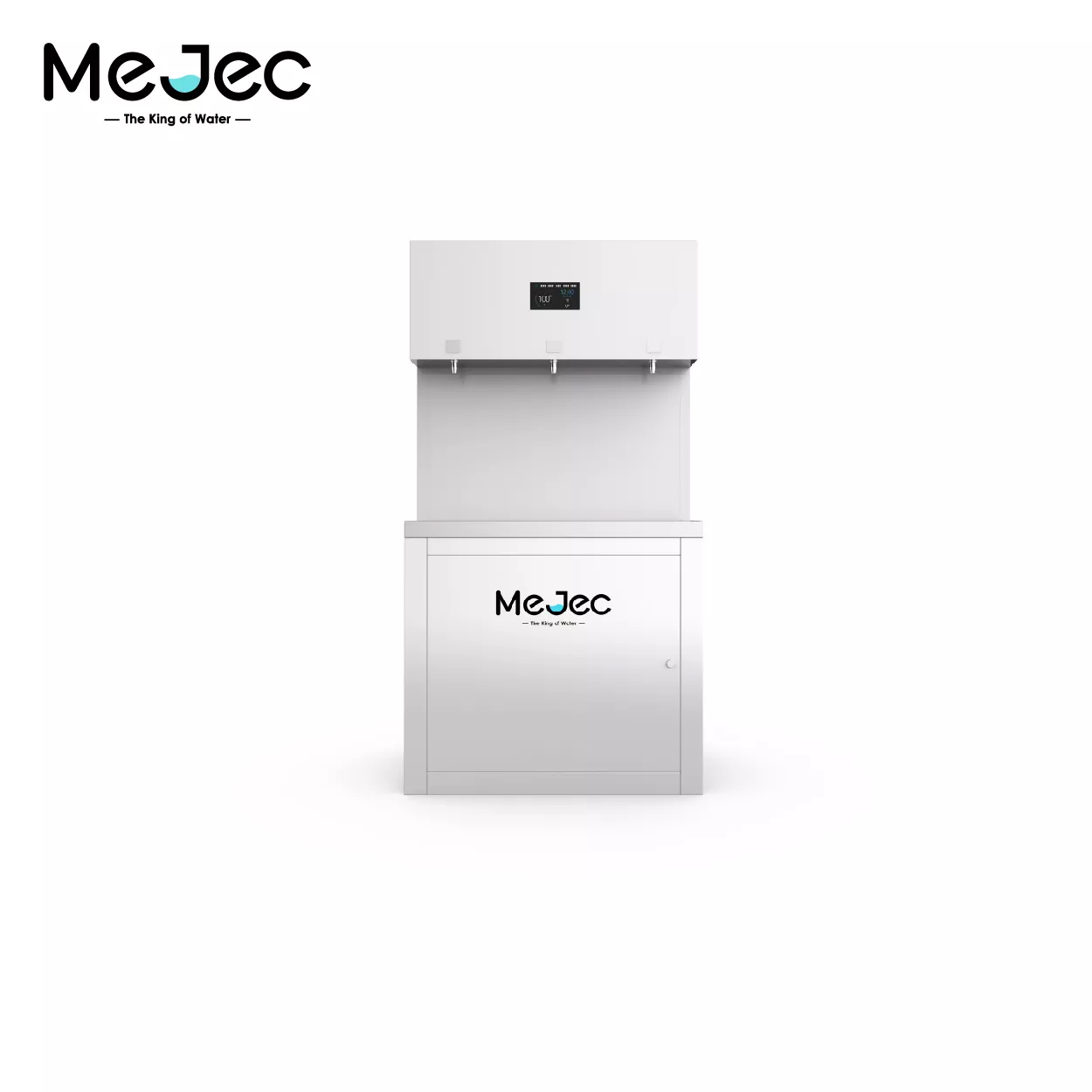
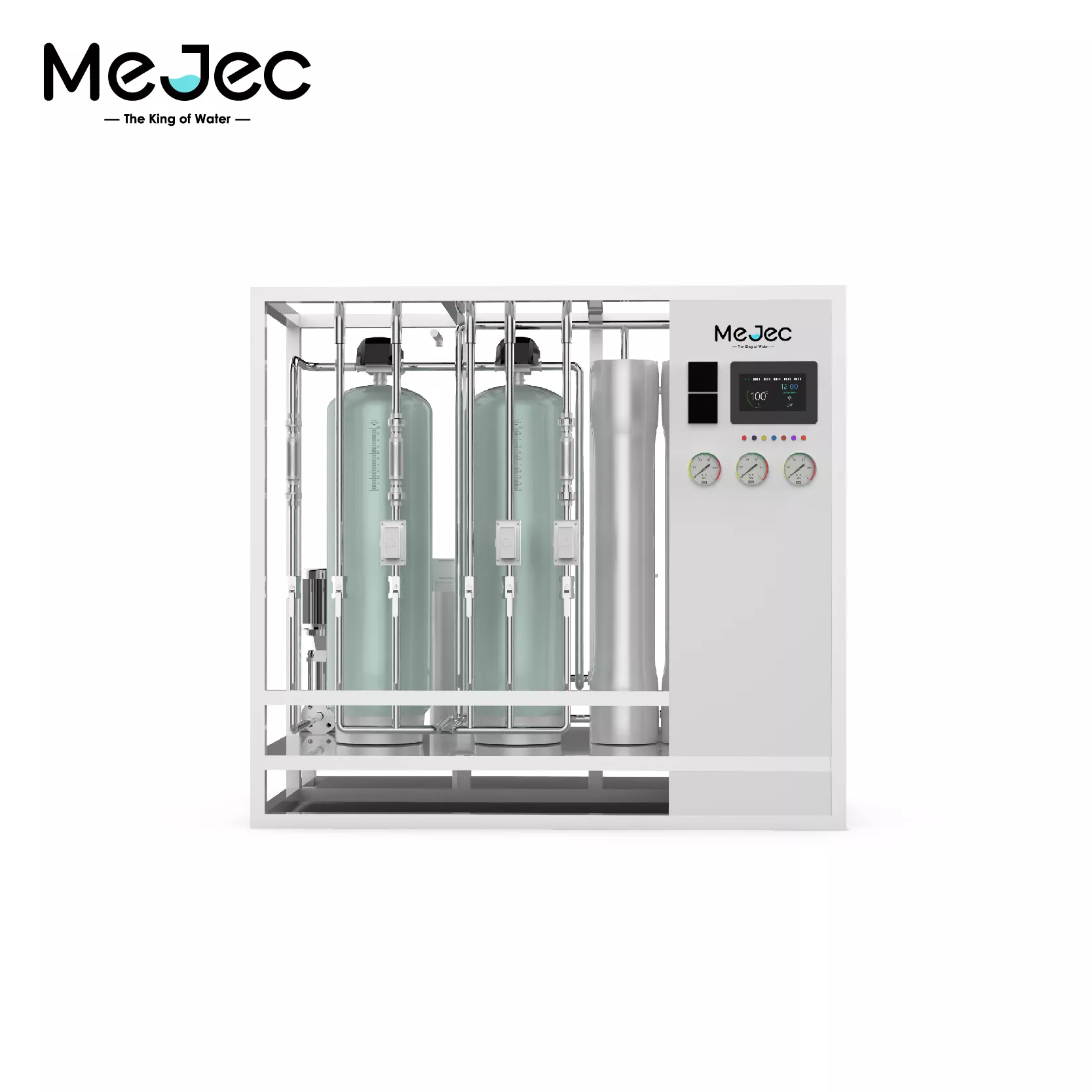
Electrolytic sewage treatment plants represent a significant technological advancement in the field of wastewater management, utilizing electrochemical processes to break down contaminants. This method involves passing an electric current through wastewater using electrodes, typically made of materials like titanium coated with mixed metal oxides, iron, or aluminum. The process generates coagulants, oxidants, and gases in situ, which effectively remove a wide range of pollutants including suspended solids, organic matter, pathogens, heavy metals like chromium and lead, and even complex compounds such as dyes and pharmaceuticals. Operational data from various pilot and full-scale installations indicate removal efficiencies often exceeding 90% for key parameters like Chemical Oxygen Demand (COD), Total Suspended Solids (TSS), and specific heavy metals. For instance, studies and case reports show systems achieving COD reduction from initial concentrations of 500-2000 mg/L down to below 100 mg/L, and heavy metal concentrations reduced to levels compliant with stringent discharge standards, often below 0.1 mg/L for metals like copper and nickel. The technology is particularly noted for its compact footprint, with modular units capable of treating flows from a few cubic meters per day for decentralized applications to several thousand for industrial use, making it a versatile solution compared to conventional biological plants that require large basins and longer retention times.
The adoption of electrolytic treatment systems is driven by their operational advantages and proven performance data from real-world applications. These plants offer rapid treatment times, with hydraulic retention times measured in hours rather than the days required for biological processes, enabling quick response to variable wastewater loads. They are highly automated, requiring minimal operator intervention, which reduces labor costs. Energy consumption, a critical cost factor, varies with water conductivity and pollutant load but typically ranges from 2 to 10 kWh per cubic meter of treated water, with ongoing research focused on optimizing electrode materials and cell designs to lower these figures. Practical implementations in sectors such as textile manufacturing, landfill leachate treatment, and municipal sludge conditioning demonstrate consistent performance. For example, a documented installation for tannery wastewater treatment consistently maintains effluent quality with less than 10 mg/L TSS and non-detectable levels of specific toxic ions. Furthermore, the process does not produce secondary biological sludge, drastically reducing sludge disposal volumes and associated costs by up to 70-90% compared to traditional methods. This technology provides a reliable, chemical-free alternative for disinfection through in-situ generation of chlorine species, achieving a 4-log pathogen reduction without storing hazardous chemicals. Its scalability and ability to integrate as a polishing step after biological treatment or as a standalone system for specific industrial streams make it a compelling investment for industries and municipalities aiming to meet increasingly strict environmental regulations, reduce lifecycle costs, and enhance their sustainability profile through efficient resource recovery and minimal chemical usage.


.webp)











User Comments
Service Experience Sharing from Real Customers
Michael Chen
Environmental EngineerOur municipal wastewater plant integrated this electrolytic treatment system six months ago. The reduction in chemical sludge and the consistent effluent quality, even with fluctuating influent loads, have been remarkable. It's a robust and energy-efficient solution for modern sewage treatment.
Sarah Johnson
Plant Operations ManagerThe electrolytic unit has significantly lowered our operational costs by reducing our reliance on external chemicals for disinfection and phosphorus removal. Setup was straightforward, and maintenance is simpler than traditional systems. A point deducted for the initial capital investment, but the ROI is clear.
David Rodriguez
Sustainability ConsultantI've recommended this electrolytic plant to several clients in the food processing sector. Its ability to handle high-organic-load waste while simultaneously removing pathogens and recalcitrant compounds is impressive. It's a game-changer for industries aiming for zero liquid discharge and circular water practices.
Jennifer Park
Research ScientistFrom a technical perspective, the system's performance data is outstanding. We've validated over 95% removal rates for key contaminants in our pilot study at the university's research facility. The modular design allows for scalable applications, from small communities to large industrial parks. Highly effective technology.