Anaerobic Sewage Treatment Plant
Anaerobic Sewage Treatment Plant
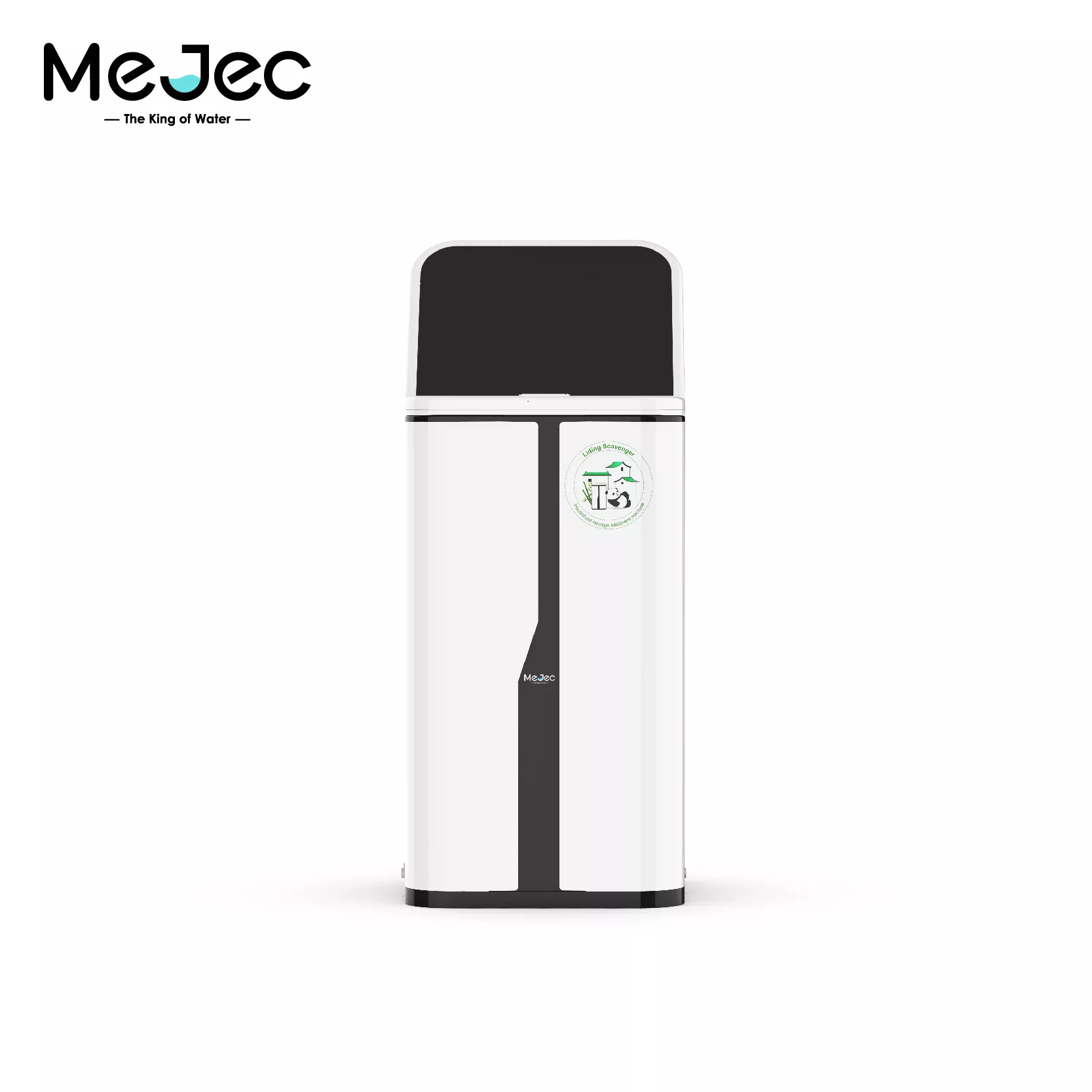
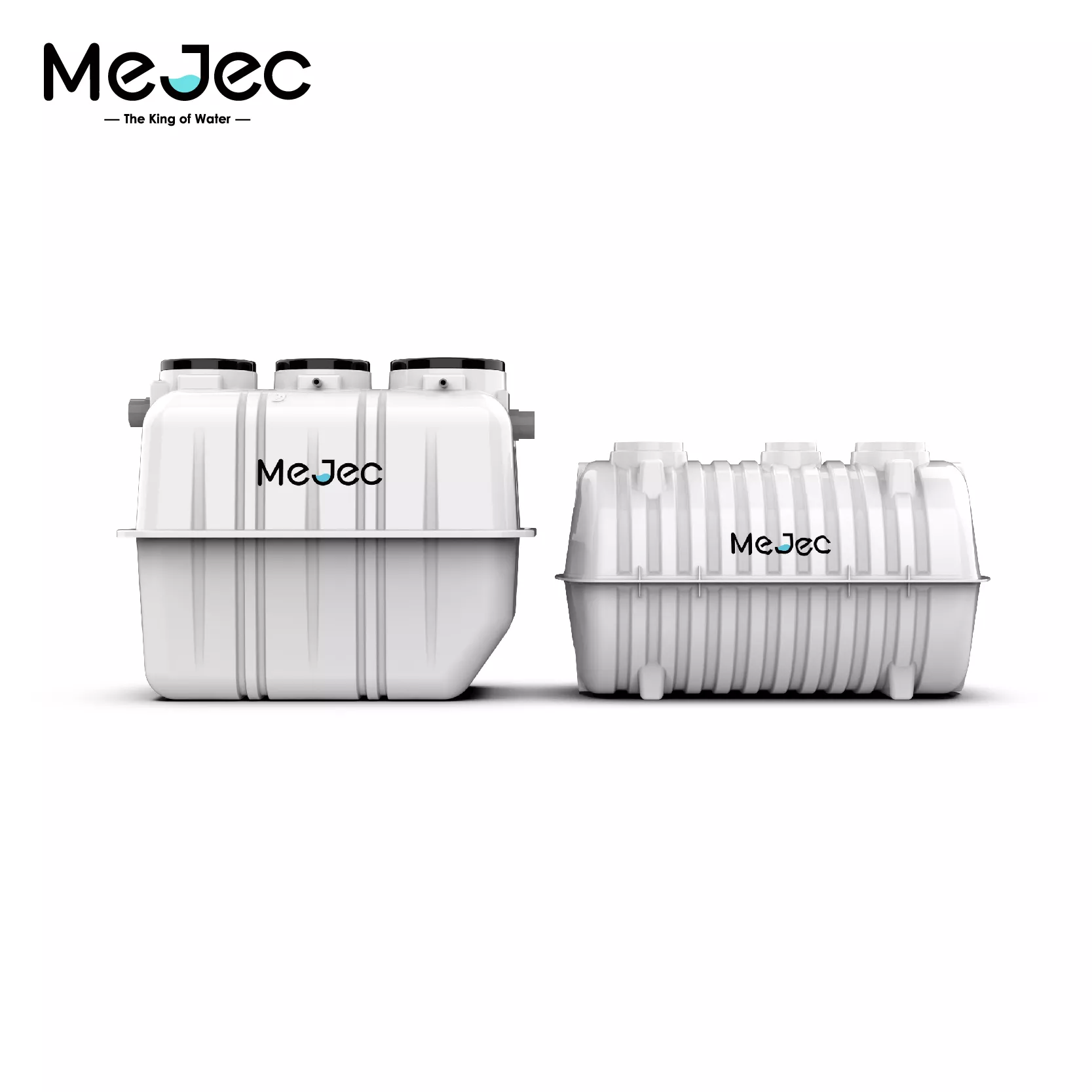
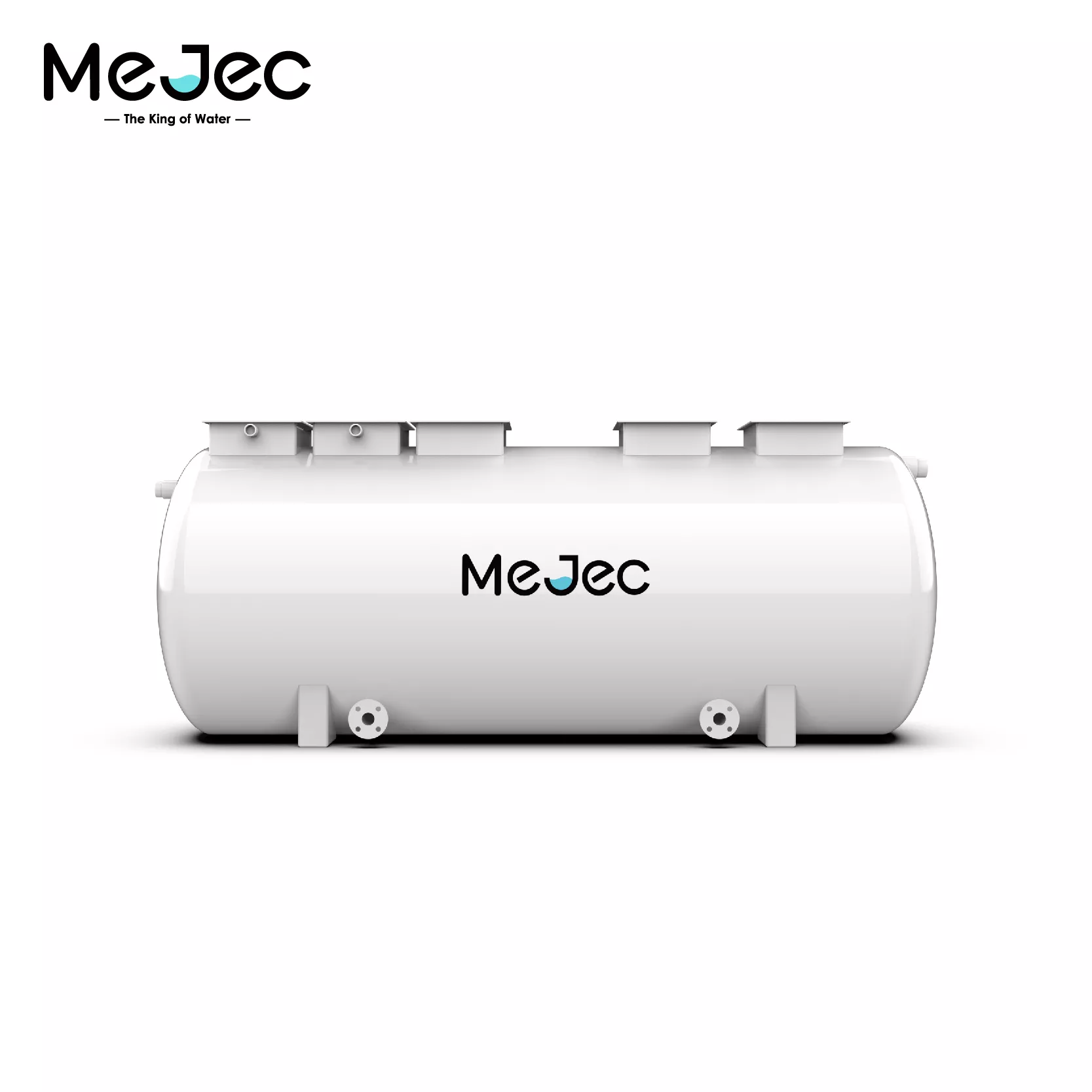
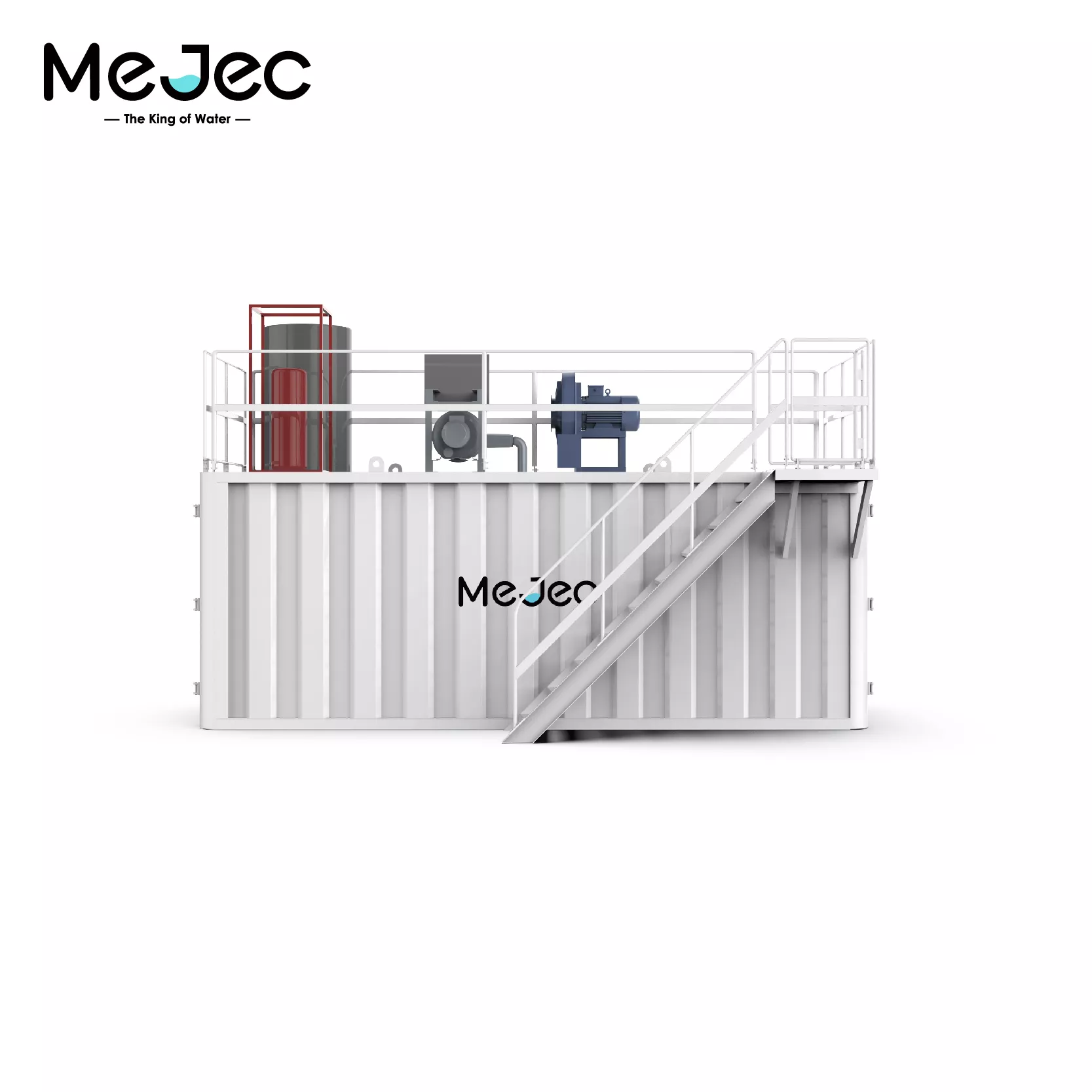
Anaerobic sewage treatment plants represent a cornerstone technology in modern, sustainable wastewater management, utilizing microorganisms that break down organic matter in the absence of oxygen. This biological process primarily occurs in sealed, oxygen-free tanks or reactors, such as Upflow Anaerobic Sludge Blanket (UASB) reactors, Expanded Granular Sludge Bed (EGSB) reactors, and anaerobic digesters. The core mechanism involves complex microbial communities—including hydrolytic, acidogenic, acetogenic, and methanogenic bacteria—working in stages to convert pollutants into biogas, a valuable mixture of methane (typically 60-70%) and carbon dioxide. Unlike energy-intensive aerobic systems, anaerobic plants are net energy producers, significantly reducing operational electricity costs by up to 90% for aeration and generating renewable energy. Data from full-scale installations, such as those treating industrial wastewater from breweries, distilleries, and food processing plants, consistently show Chemical Oxygen Demand (COD) removal efficiencies ranging from 70% to over 90%, depending on wastewater strength and temperature. Furthermore, these systems produce substantially less excess sludge—often only 10% to 20% of the biomass yield from aerobic processes—dramatically lowering sludge handling and disposal costs, which can constitute 30-50% of a treatment plant's total operating expenses.
The application and efficacy of anaerobic pretreatment are strongly supported by operational data and widespread adoption across high-strength industrial sectors. For instance, a 2018 review in the *Journal of Environmental Management* highlighted that a typical UASB reactor treating municipal wastewater in tropical climates can achieve 75-85% COD removal at hydraulic retention times of 6-8 hours, with biogas yields of 0.25-0.35 cubic meters per kg of COD removed. For industrial applications, such as palm oil mill effluent (POME) treatment, anaerobic systems are the industry standard; they can handle organic loads exceeding 25,000 mg/L COD and are mandated in countries like Malaysia and Indonesia due to their efficiency in mitigating severe water pollution. Real-world results from a sugar mill plant in Brazil documented a reduction of over 40,000 kg/day of COD, generating approximately 15,000 cubic meters of biogas daily, which is often used to fuel boilers or generate electricity on-site. Moreover, anaerobic treatment is highly effective in removing organic load before discharge to conventional aerobic municipal systems, preventing overloading and allowing existing infrastructure to handle greater flow. The robust granular sludge formed in advanced reactors has exceptional settling properties, ensuring stable performance even under variable loading conditions. By transforming waste into resources—renewable biogas and minimal stabilized sludge—anaerobic sewage treatment plants offer a proven, cost-effective, and environmentally superior solution for achieving stringent discharge regulations while improving the energy balance and operational economy of wastewater treatment facilities.




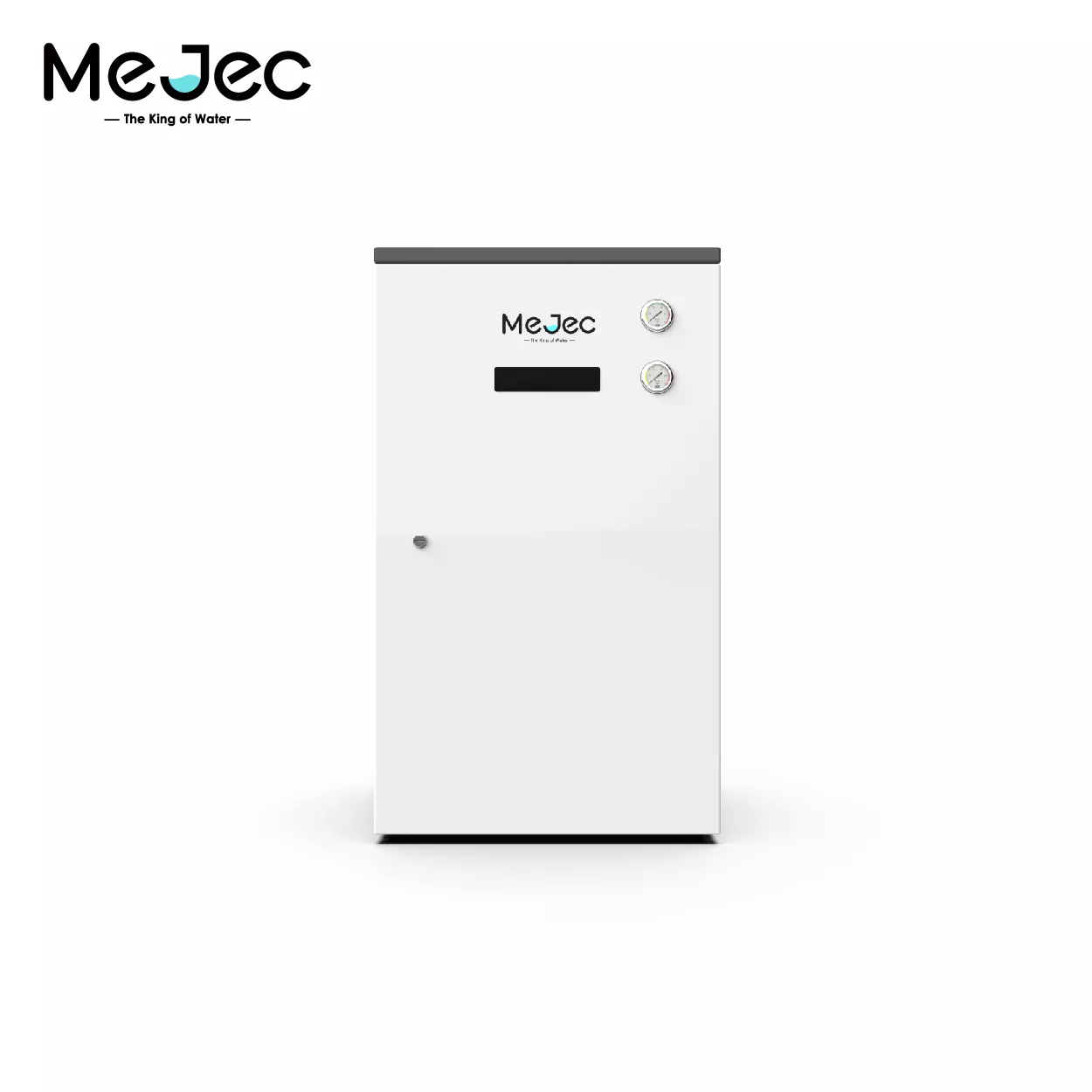



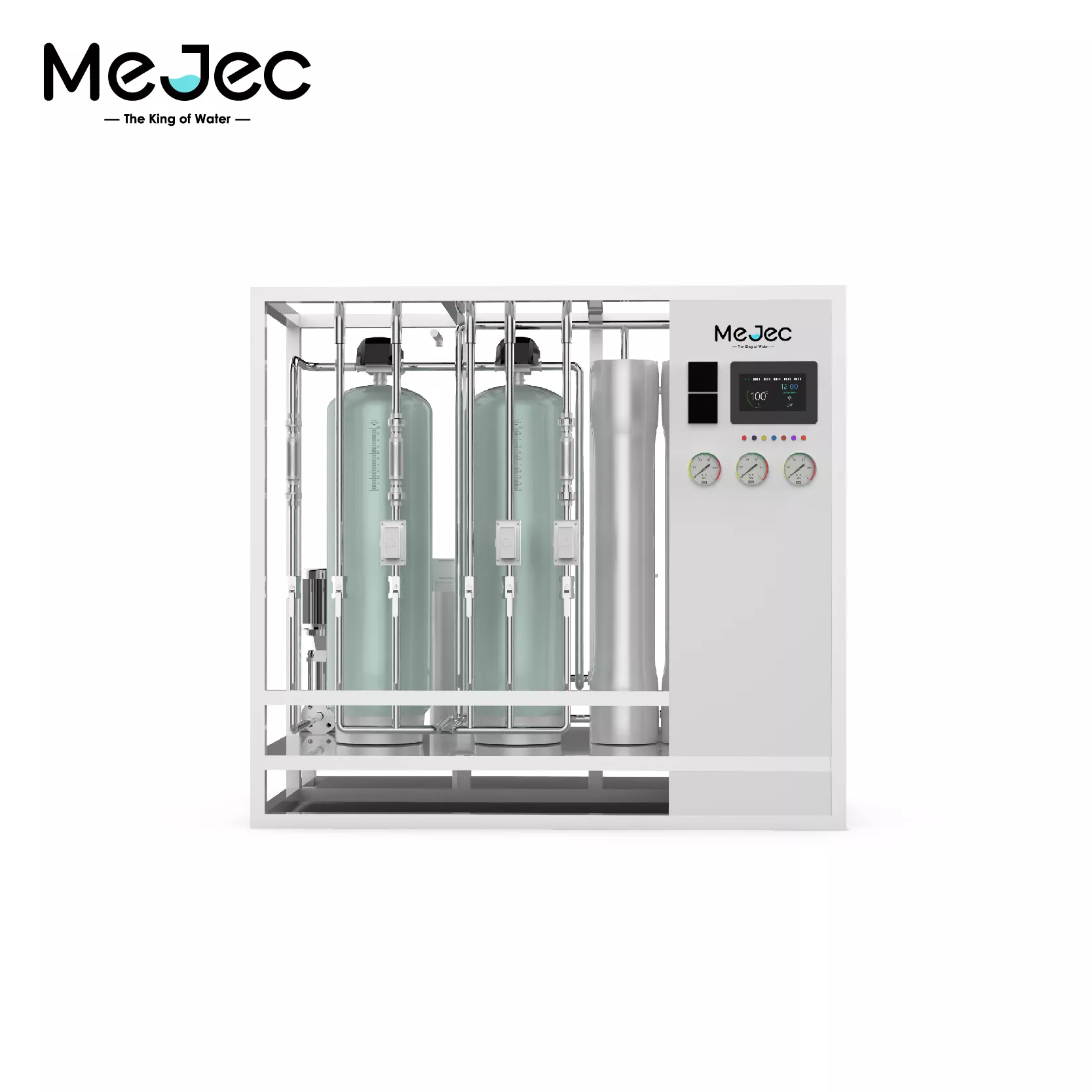
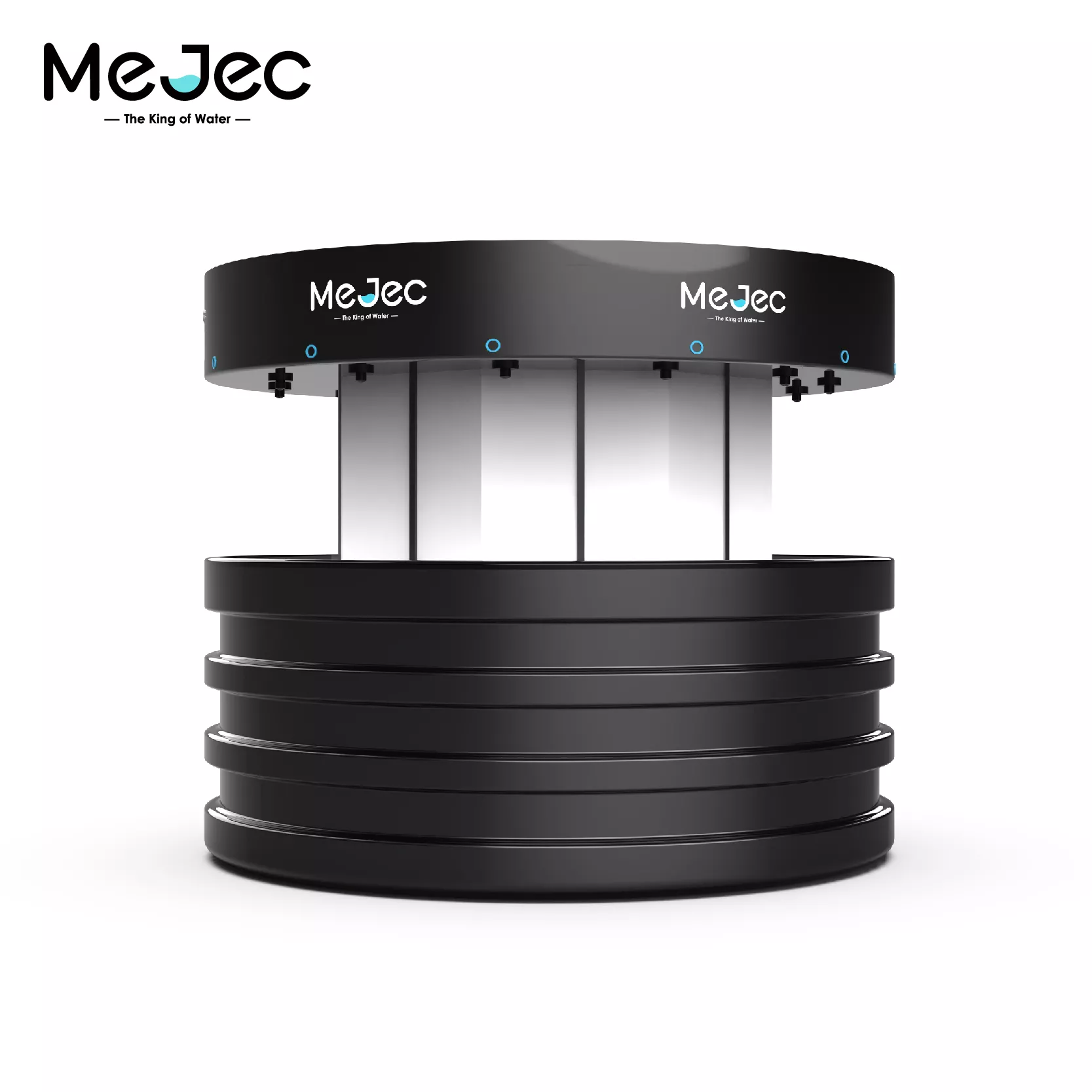
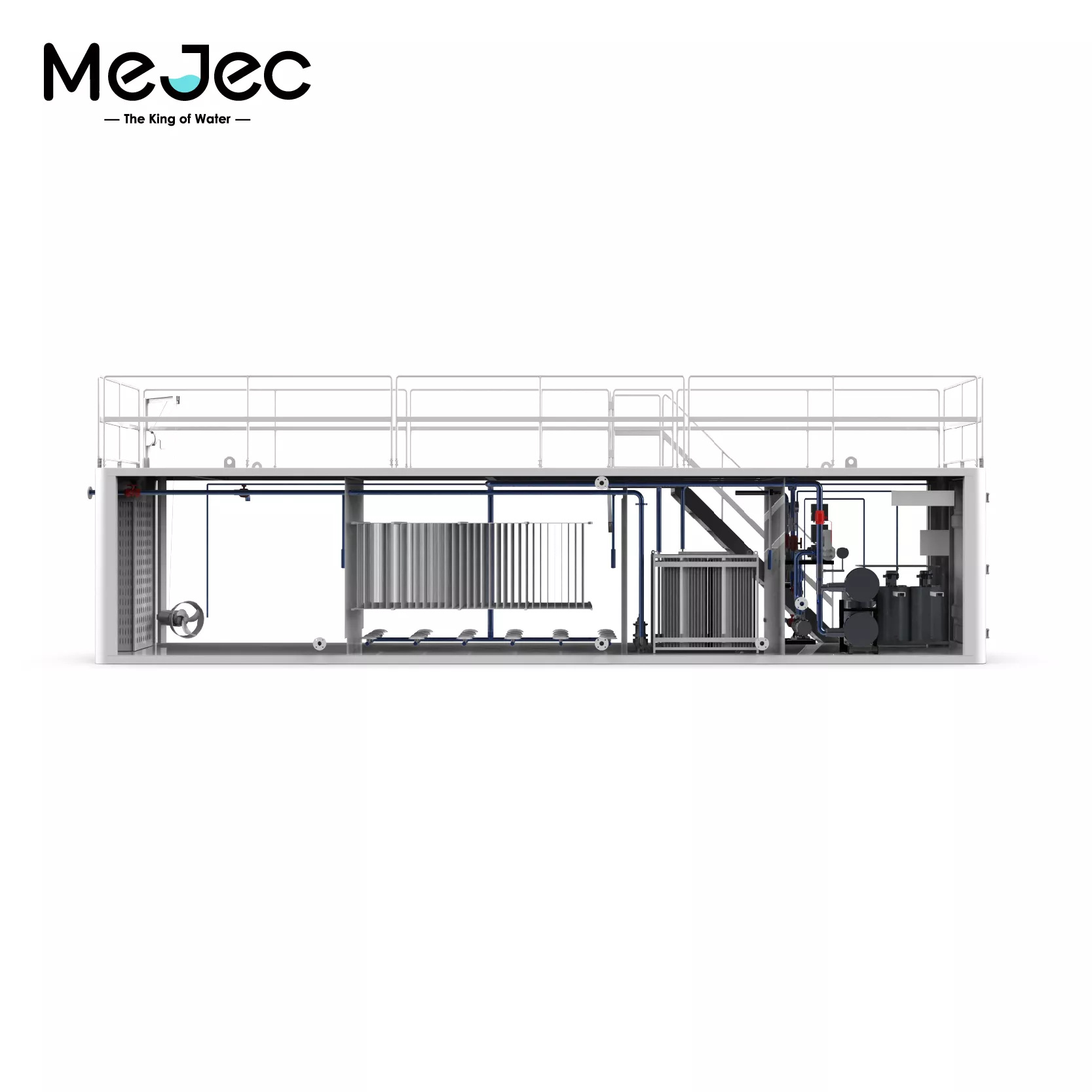
.webp)








User Comments
Service Experience Sharing from Real Customers
Michael Rodriguez
Environmental EngineerThis anaerobic treatment system has revolutionized our municipal wastewater management. The biogas production is consistent and has significantly reduced our operational energy costs. The low sludge yield is a major advantage for disposal.
Sarah Chen
Plant Operations ManagerHighly efficient and robust system for our food processing effluent. The anaerobic digester handles high organic loads reliably and has greatly simplified our compliance with discharge regulations. Minor initial tuning was needed, but now it runs smoothly.
David Kowalski
Sustainability DirectorAn excellent investment for our brewery. The system not only treats our high-strength wastewater effectively but also converts waste into usable biogas, powering part of our facility. It's a cornerstone of our circular economy model.
Priya Sharma
Bioenergy ConsultantAs a consultant, I've specified this anaerobic plant for several agro-industrial clients. The design is superior, offering exceptional COD removal rates and stable biogas methane content. The remote monitoring capabilities are also top-notch for performance tracking.