Municipal Wastewater Treatment System
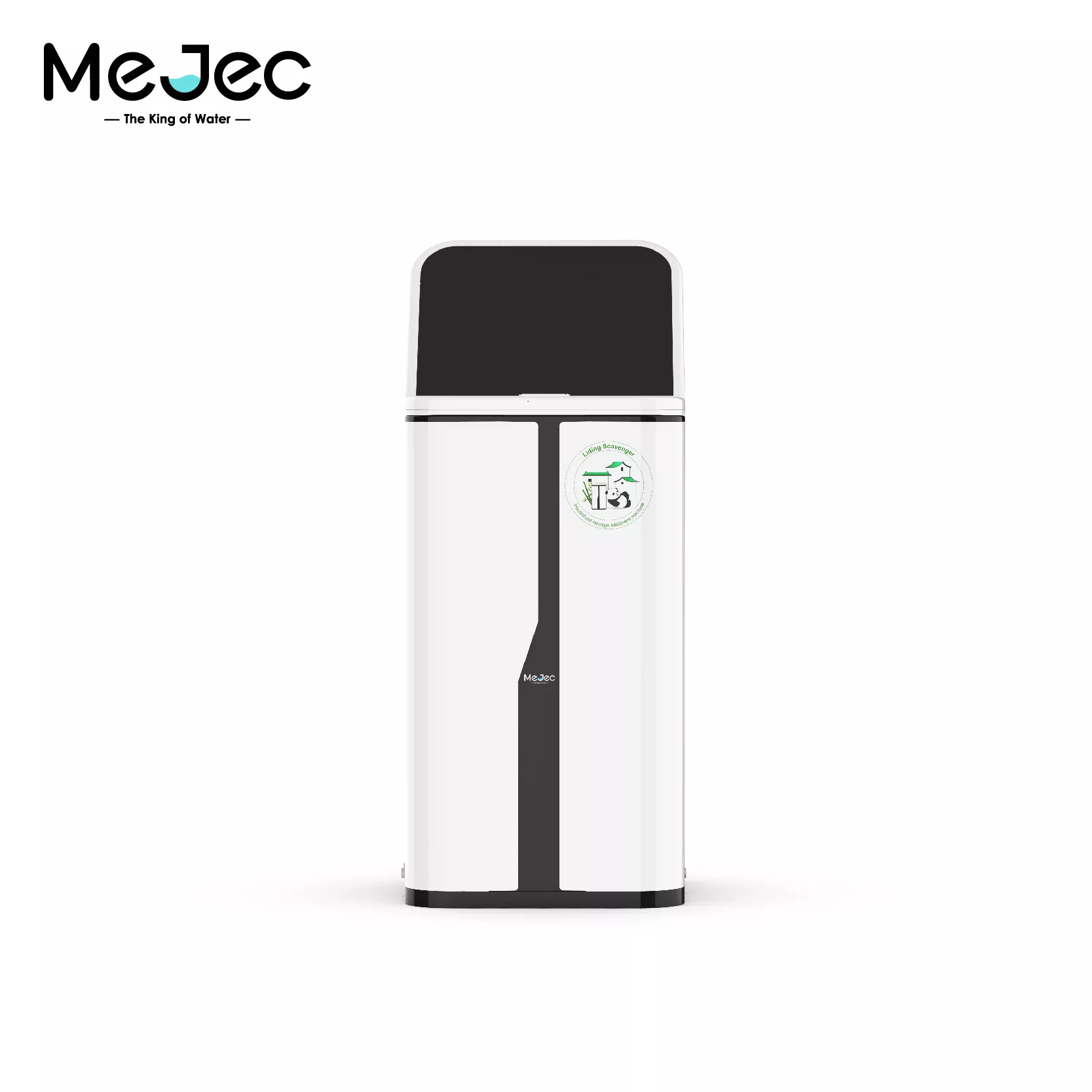
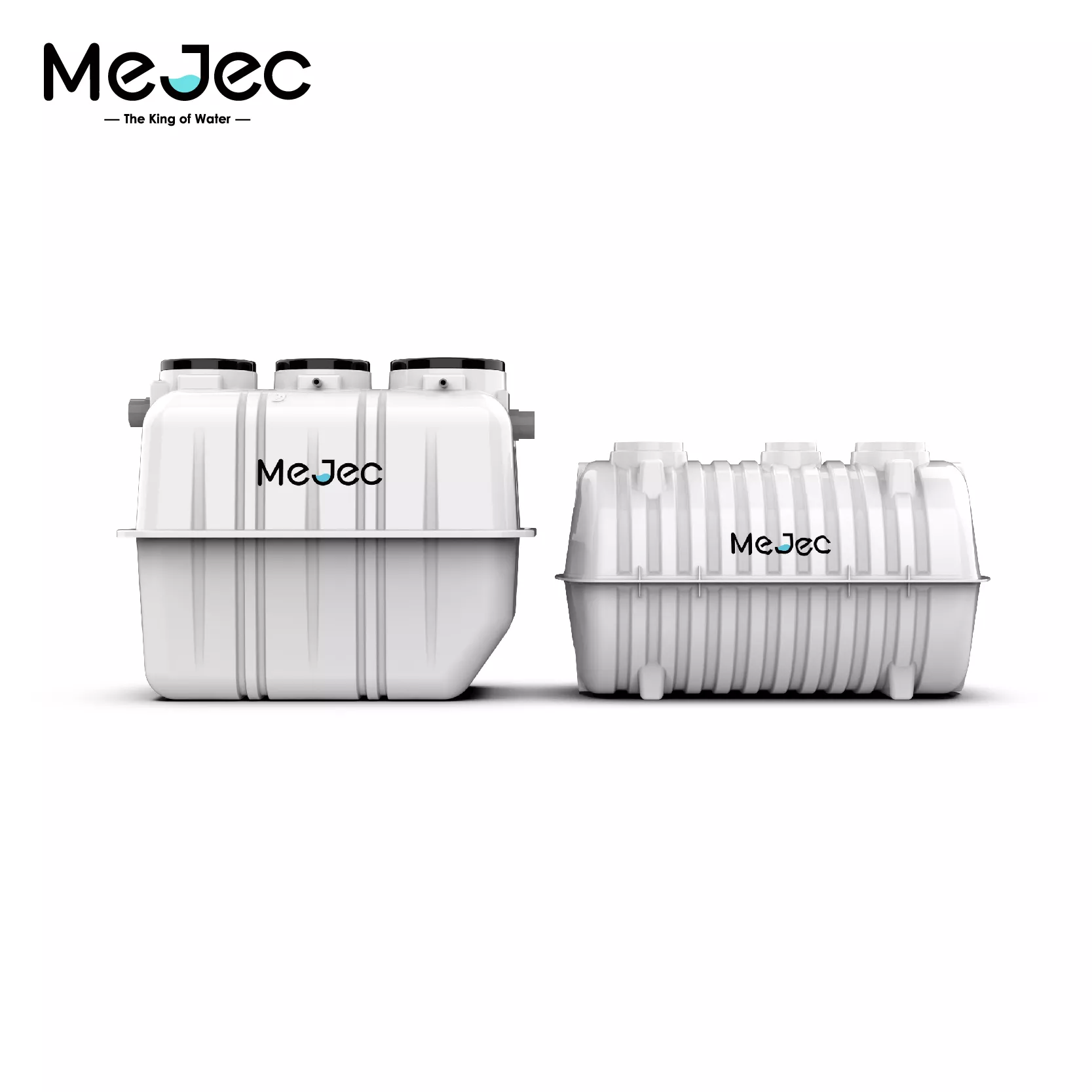
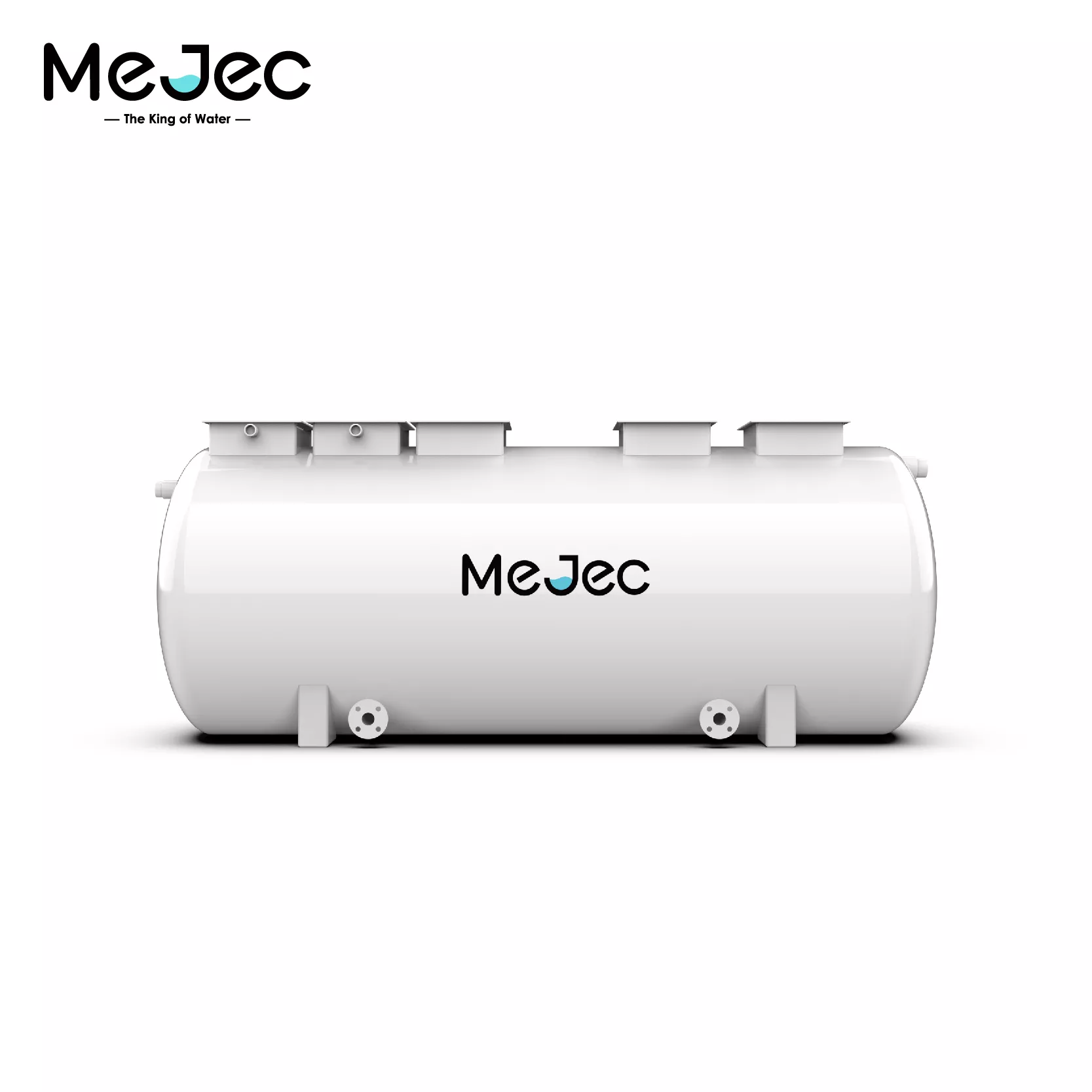
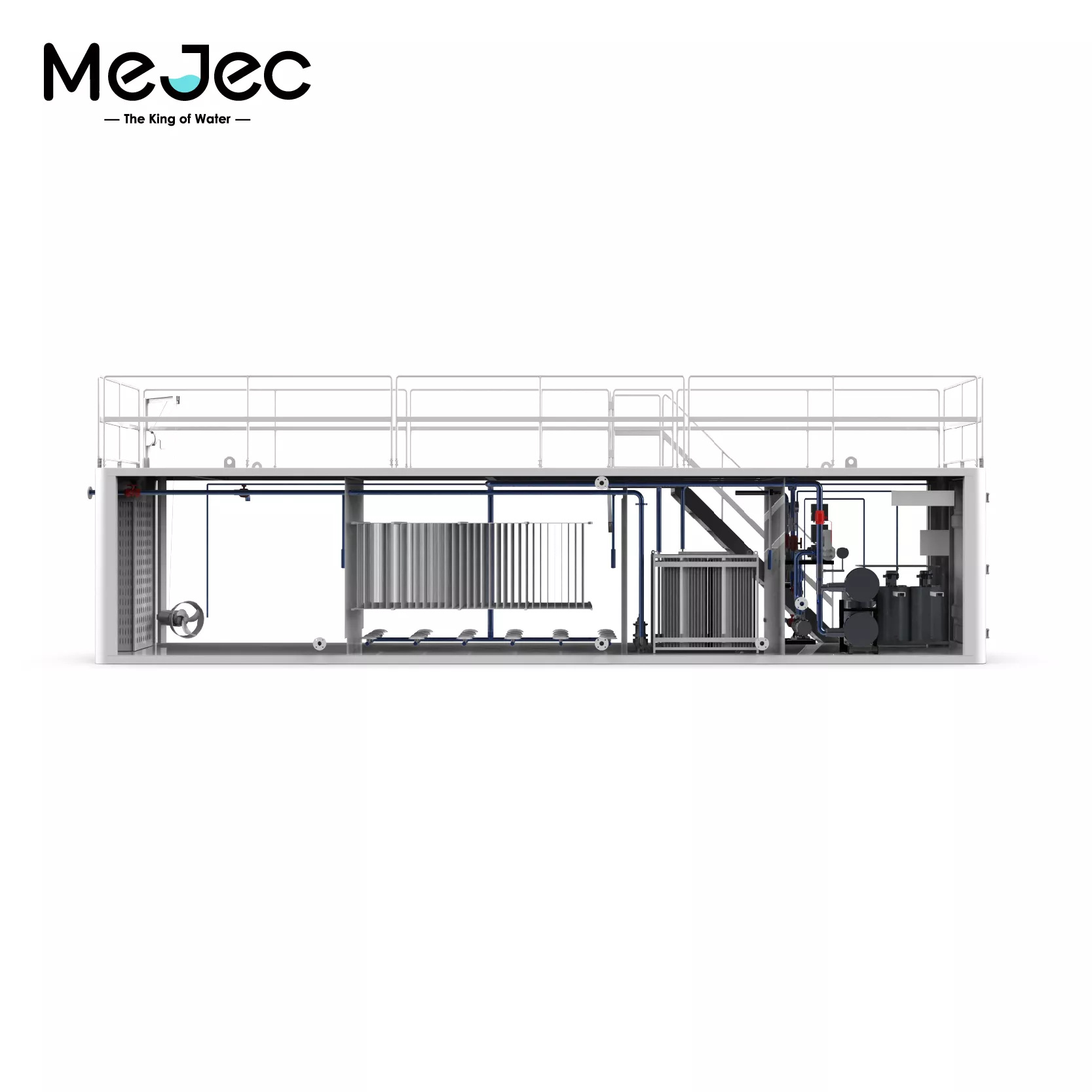
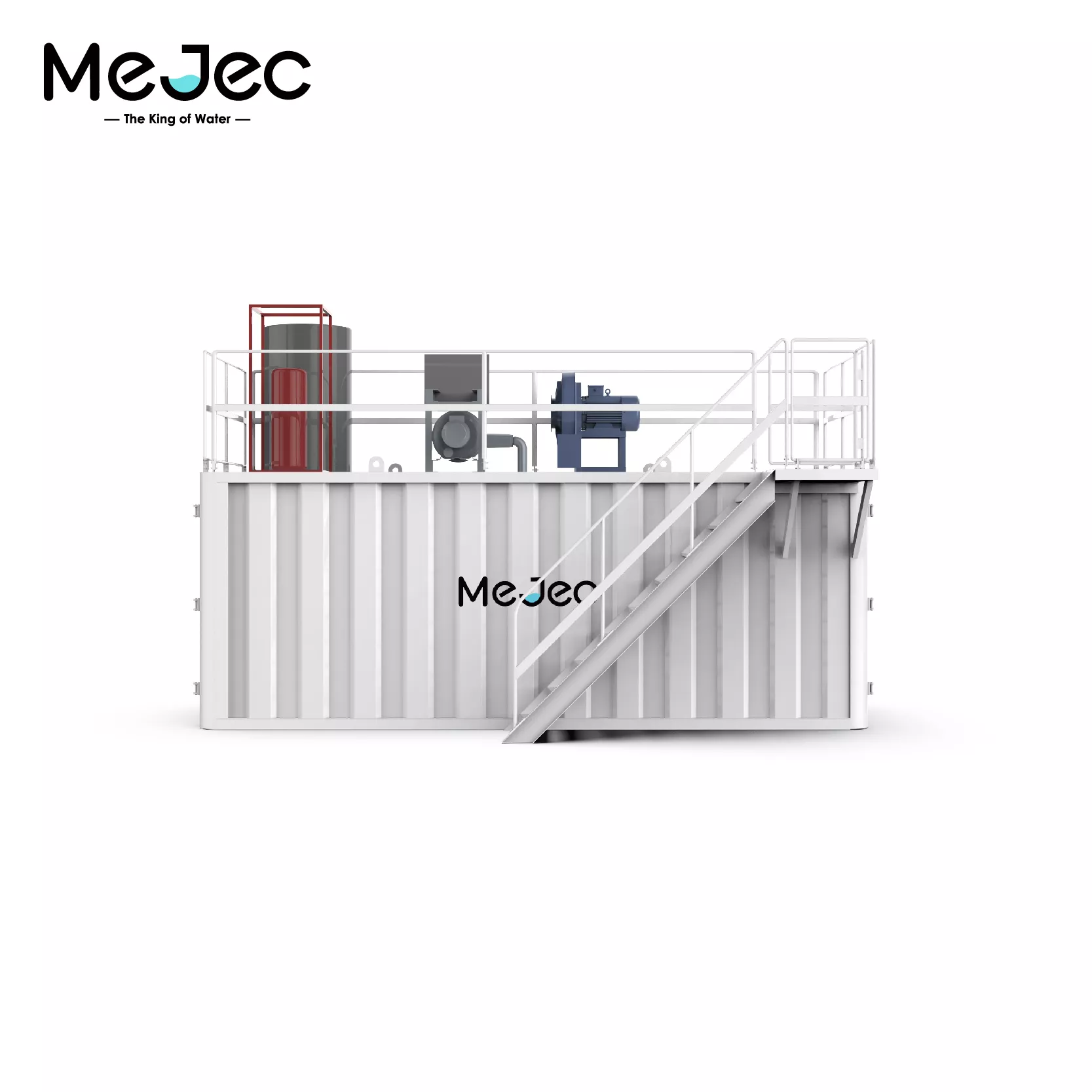
A municipal wastewater treatment system is a critical infrastructure component designed to collect, treat, and discharge or reuse water from residential, commercial, and industrial sources. These systems employ a multi-stage process, typically involving preliminary treatment to remove large solids, primary treatment for sedimentation, secondary treatment using biological processes like activated sludge to degrade organic matter, and often advanced or tertiary treatment for nutrient removal (nitrogen and phosphorus) and disinfection. The primary objective is to produce effluent that meets stringent regulatory standards for environmental discharge, protecting public health and aquatic ecosystems while enabling water recycling for non-potable applications such as irrigation and industrial cooling.
The global market for municipal wastewater treatment systems is substantial and driven by increasing urbanization, stringent environmental regulations, and water scarcity concerns. According to industry reports from sources like Grand View Research and Global Market Insights, the global wastewater treatment market size was valued at over USD 250 billion in 2022 and is projected to grow at a compound annual growth rate (CAGR) of approximately 7% from 2023 to 2030. This growth is particularly pronounced in regions like Asia-Pacific, where rapid urban development and government initiatives, such as China's sponge city programs and India's Namami Gange project, are fueling significant investments. In the United States and the European Union, aging infrastructure necessitates upgrades, with the U.S. Environmental Protection Agency (EPA) estimating a capital need of over $270 billion for wastewater and stormwater projects over the next two decades. Modern systems increasingly integrate advanced technologies like Membrane Bioreactors (MBRs), which offer superior effluent quality in a smaller footprint. Data from the Water Environment Federation indicates that MBR systems can achieve effluent quality with turbidity below 0.2 NTU and pathogen removal rates exceeding 99.99%, making the water suitable for high-quality reuse. Furthermore, the integration of energy recovery processes, such as anaerobic digestion of biosolids to produce biogas, is transforming treatment plants from energy consumers into net-energy producers. For instance, the Strass im Zillertal plant in Austria reportedly produces over 150% of its energy needs through biogas. The push for sustainability also drives the adoption of nutrient recovery technologies, with companies piloting methods to extract phosphorus and nitrogen for use as fertilizers. Operational data from real-world facilities consistently shows that well-designed municipal wastewater treatment systems can reliably achieve removal efficiencies of 95% or more for biochemical oxygen demand (BOD) and total suspended solids (TSS), while advanced treatment can reduce total nitrogen to below 3 mg/L and total phosphorus to below 0.1 mg/L. These performance metrics are crucial for compliance with regulations like the EU's Urban Wastewater Treatment Directive and the U.S. Clean Water Act. The trend toward digitalization, incorporating smart sensors, IoT monitoring, and data analytics, is optimizing process control, reducing chemical usage, and predicting maintenance needs, thereby lowering operational expenditures. Investing in an advanced municipal wastewater treatment system is therefore not merely a regulatory compliance measure but a strategic decision for long-term resource recovery, operational resilience, and environmental stewardship.


.webp)











User Comments
Service Experience Sharing from Real Customers
Robert Chen
Environmental EngineerThe system's energy-efficient aeration and advanced membrane bioreactor have reduced our plant's operational costs by 18% while consistently meeting discharge standards. Highly reliable.
Sarah Johnson
Wastewater Plant ManagerImplementation was smooth, and the real-time monitoring dashboard is excellent for process control. Nutrient removal performance, especially for phosphorus, has significantly improved.
David Miller
City Infrastructure DirectorThis integrated treatment system solved our capacity issues for a growing population. The compact design and automated chemical dosing have made operations much more efficient.
Lisa Rodriguez
Environmental Compliance OfficerOutstanding system. The robust disinfection module and sludge handling process ensure we exceed all regulatory requirements. Technical support from the vendor is also top-notch.