Textile Wastewater Treatment System | Advanced Industrial Solutions
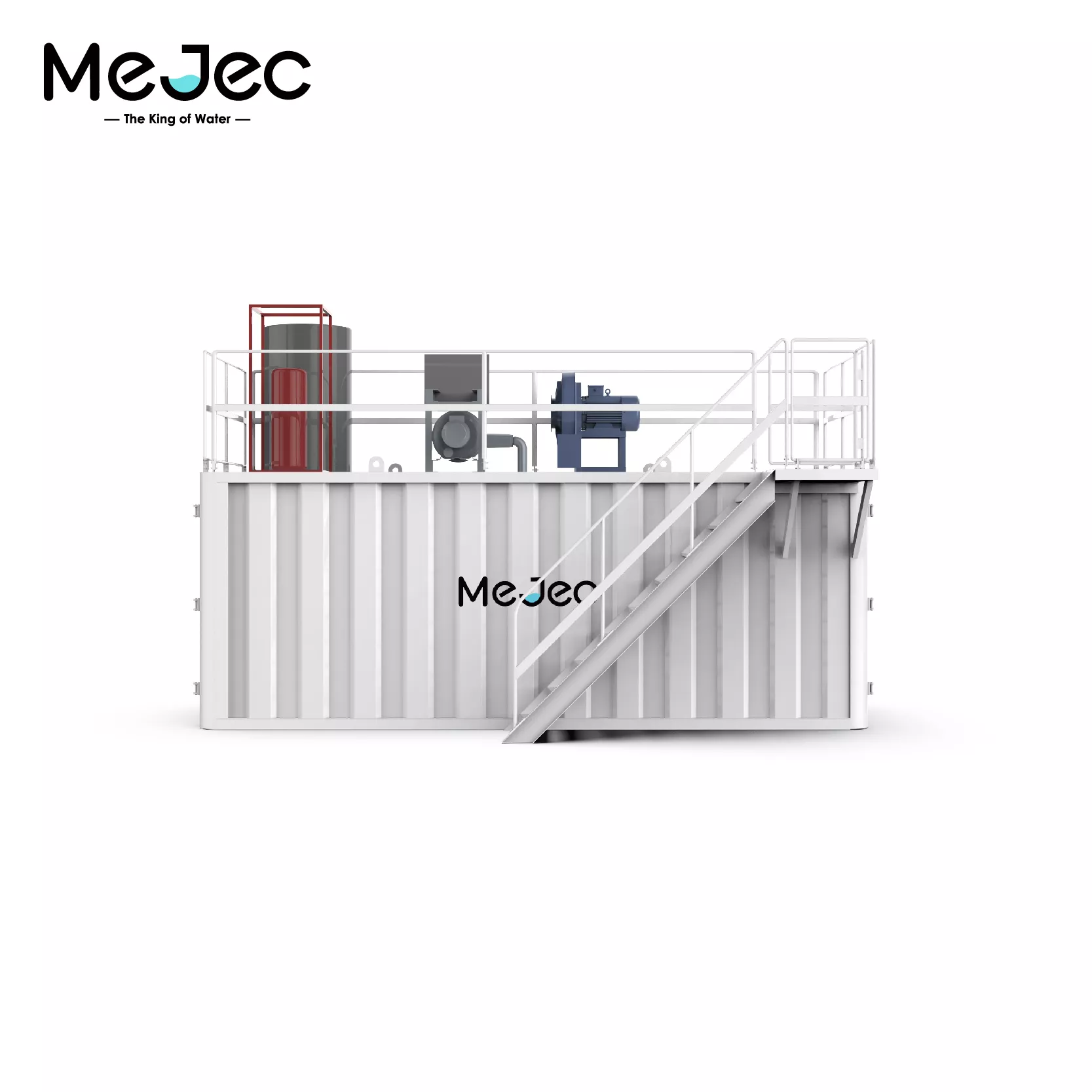
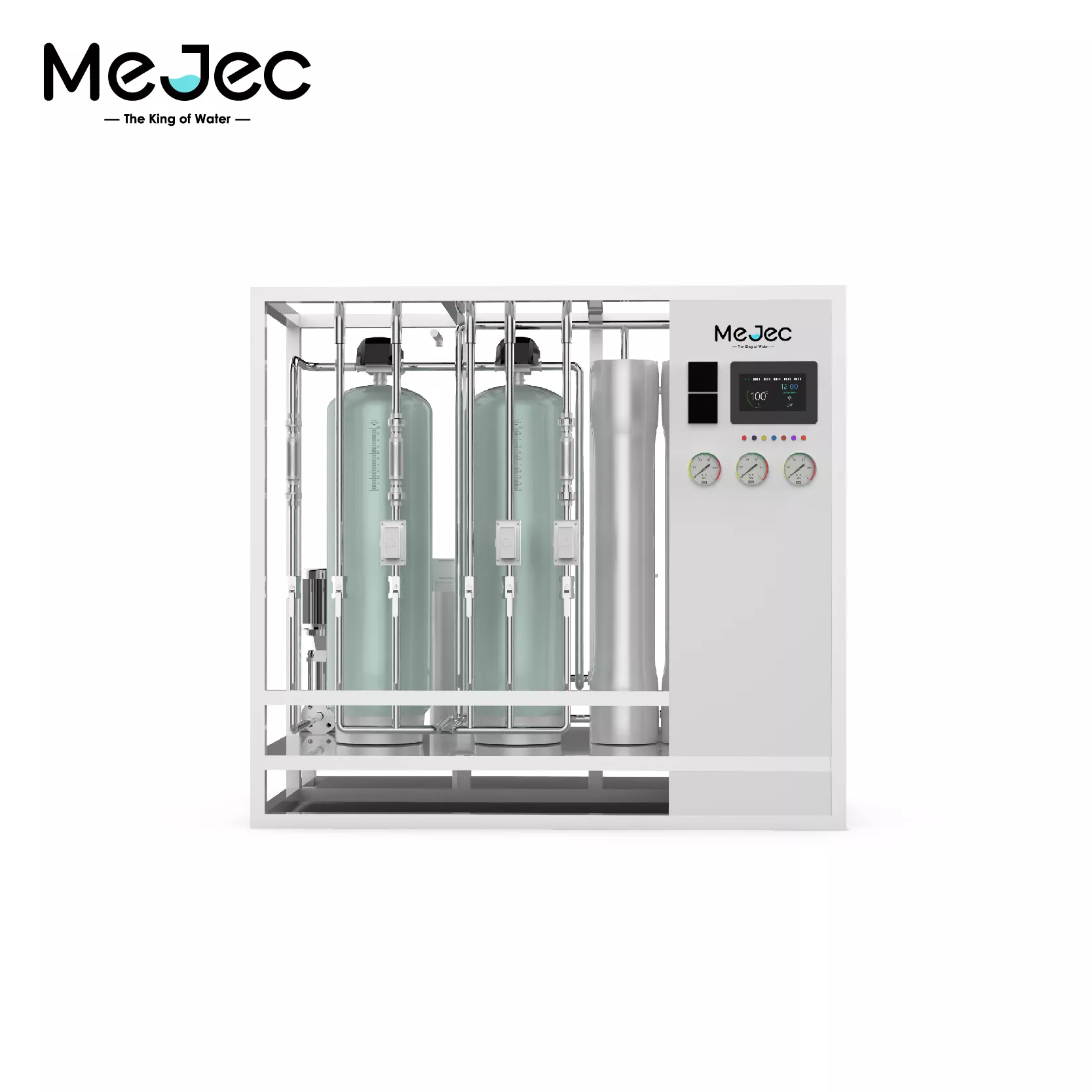
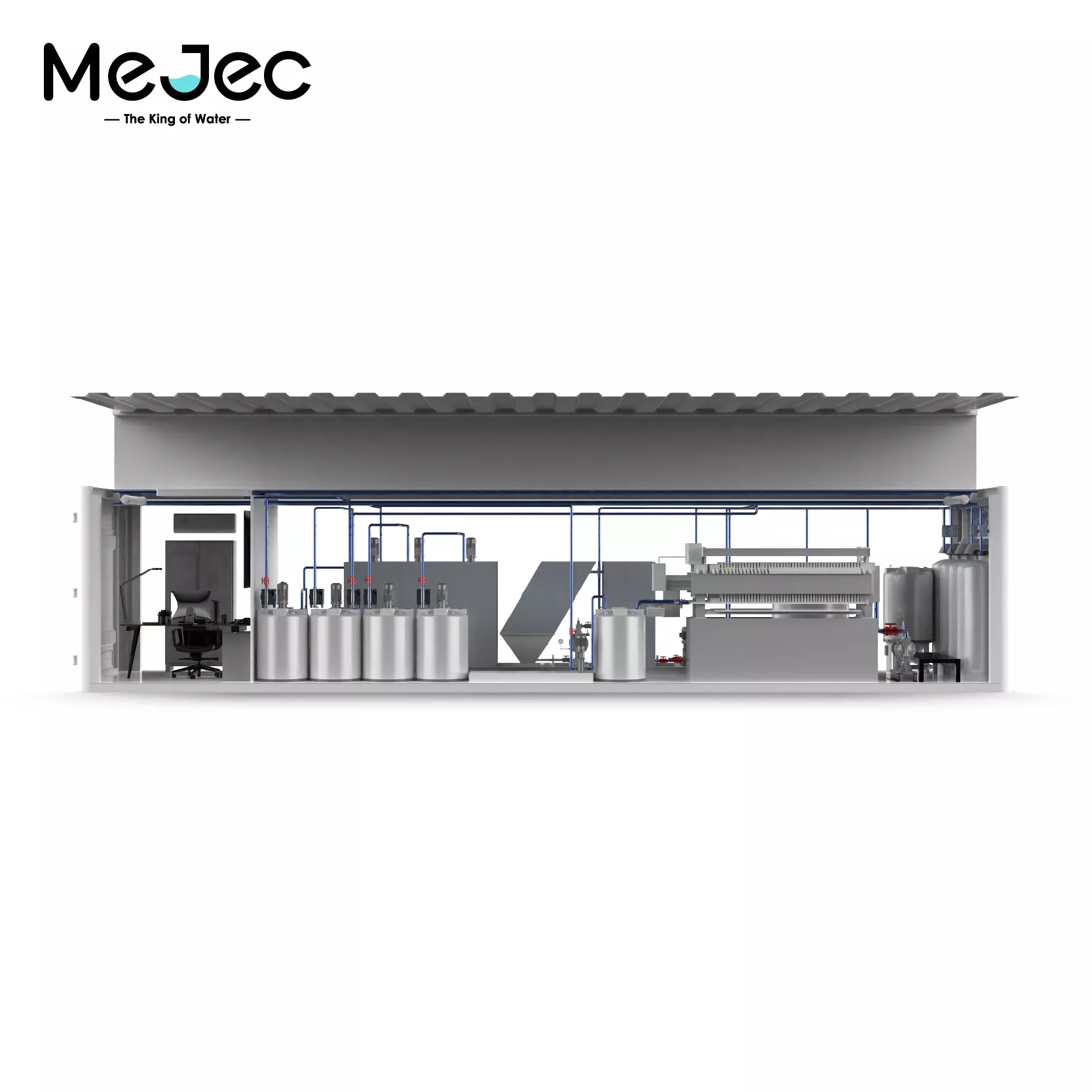
A textile wastewater treatment system is engineered to address the complex effluent streams generated by dyeing, printing, and finishing processes in the apparel and fabric manufacturing industry. These systems are specifically designed to remove a challenging mix of pollutants, including suspended solids, intense color, heavy metals, chemical oxygen demand (COD), biochemical oxygen demand (BOD), and toxic auxiliary chemicals. Effective treatment is not merely an environmental compliance issue but a critical operational necessity, as untreated or poorly treated discharge can lead to substantial regulatory fines, harm to aquatic ecosystems, and reputational damage. Modern systems integrate a multi-stage approach, typically encompassing preliminary screening, primary physico-chemical treatments like coagulation and flocculation, secondary biological processes such as activated sludge or sequencing batch reactors (SBRs), and advanced tertiary treatments including membrane filtration (UF/RO), advanced oxidation processes (AOPs), and adsorption.
Implementing a robust textile wastewater treatment system delivers measurable operational and financial benefits. Data from industry case studies and environmental reports consistently show that optimized systems can achieve removal efficiencies exceeding 95% for color and 90% for COD, ensuring discharge meets stringent standards set by bodies like the EPA or EU directives. A significant advantage is water reuse; with tertiary membrane technologies, facilities can recycle 50-75% of treated wastewater back into production processes, drastically reducing freshwater intake and associated costs. For instance, a large-scale textile mill in India documented a reduction in freshwater consumption by over 60% after installing an integrated system featuring dissolved air flotation (DAF) and reverse osmosis, paying back the capital investment in under three years through water savings and avoided penalties. Furthermore, advanced sludge management techniques within these systems can reduce sludge volume by up to 30% through dewatering and drying, lowering disposal costs. The selection of a system—whether conventional activated sludge, membrane bioreactor (MBR), or a hybrid electrocoagulation-biological process—depends on factory-specific factors such as effluent composition, flow rate, available space, and local regulations. Partnering with a specialized provider ensures a tailored solution that guarantees compliance, enhances sustainability credentials, and provides a clear return on investment through resource recovery and operational resilience.


.webp)









User Comments
Service Experience Sharing from Real Customers
Michael Chen
Environmental EngineerThis textile wastewater treatment system has been a game-changer for our plant. The reduction in chemical oxygen demand (COD) and color removal efficiency exceeded our expectations. It's robust, energy-efficient, and has significantly lowered our operational costs.
Sarah Johnson
Plant Operations ManagerHighly effective system for handling the complex dyes and chemicals in our wastewater. The automated controls make it easy to operate, and compliance with discharge regulations is now consistently achieved. Minor initial setup complexities prevent a perfect score, but overall, excellent performance.
David Rodriguez
Sustainability DirectorFrom a sustainability perspective, this system is outstanding. The water recovery and reuse capabilities have drastically reduced our freshwater intake. The supplier's technical support was exceptional during commissioning. A crucial investment for any modern textile facility aiming for circular economy goals.
Priya Sharma
Water Treatment SpecialistHaving worked with several systems, this one stands out for its compact design and high treatment capacity. It consistently produces effluent that meets the strictest local standards. The low sludge production is an added bonus, reducing our solid waste disposal burden. Reliable and highly recommended.