wastewater treatment system design
wastewater treatment system design
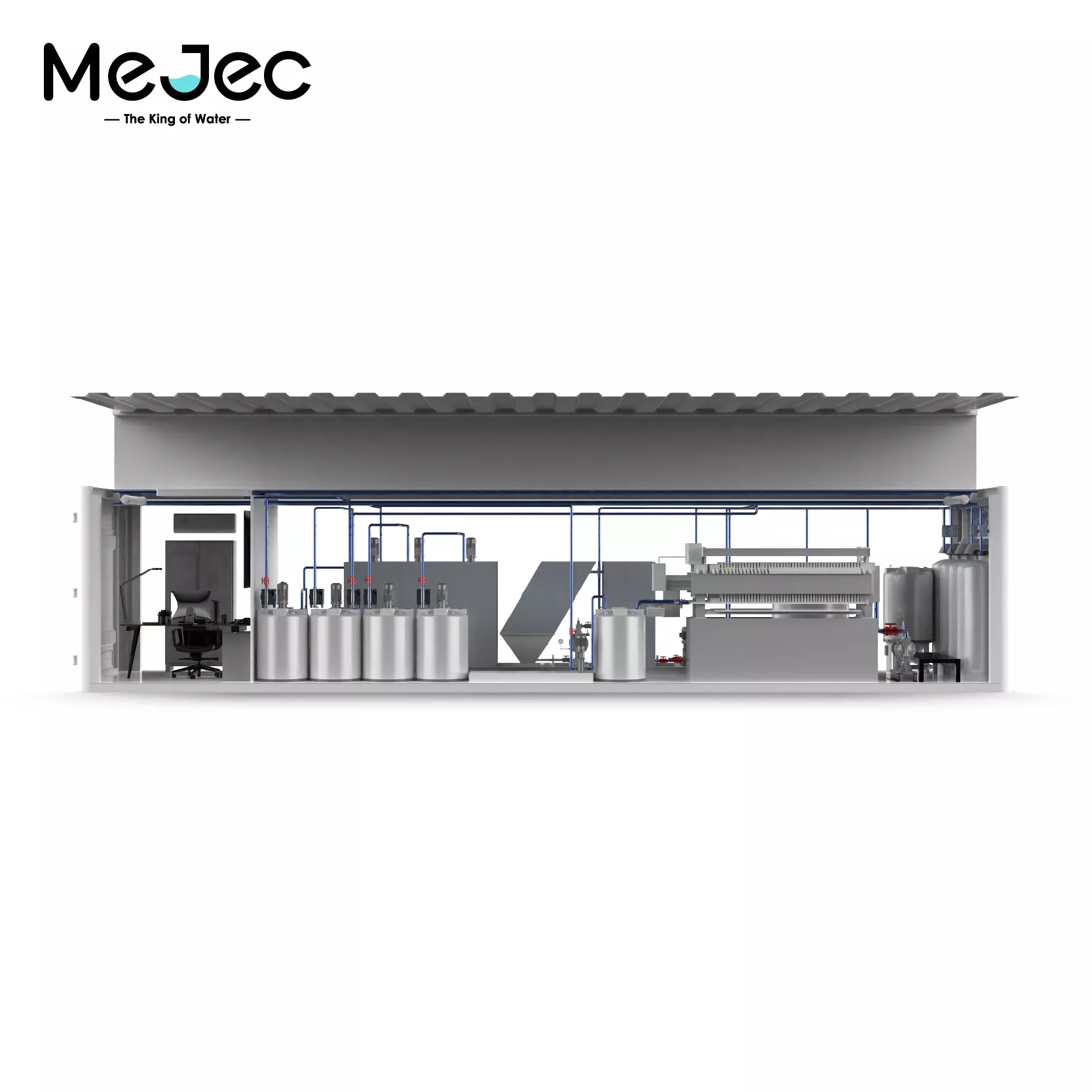
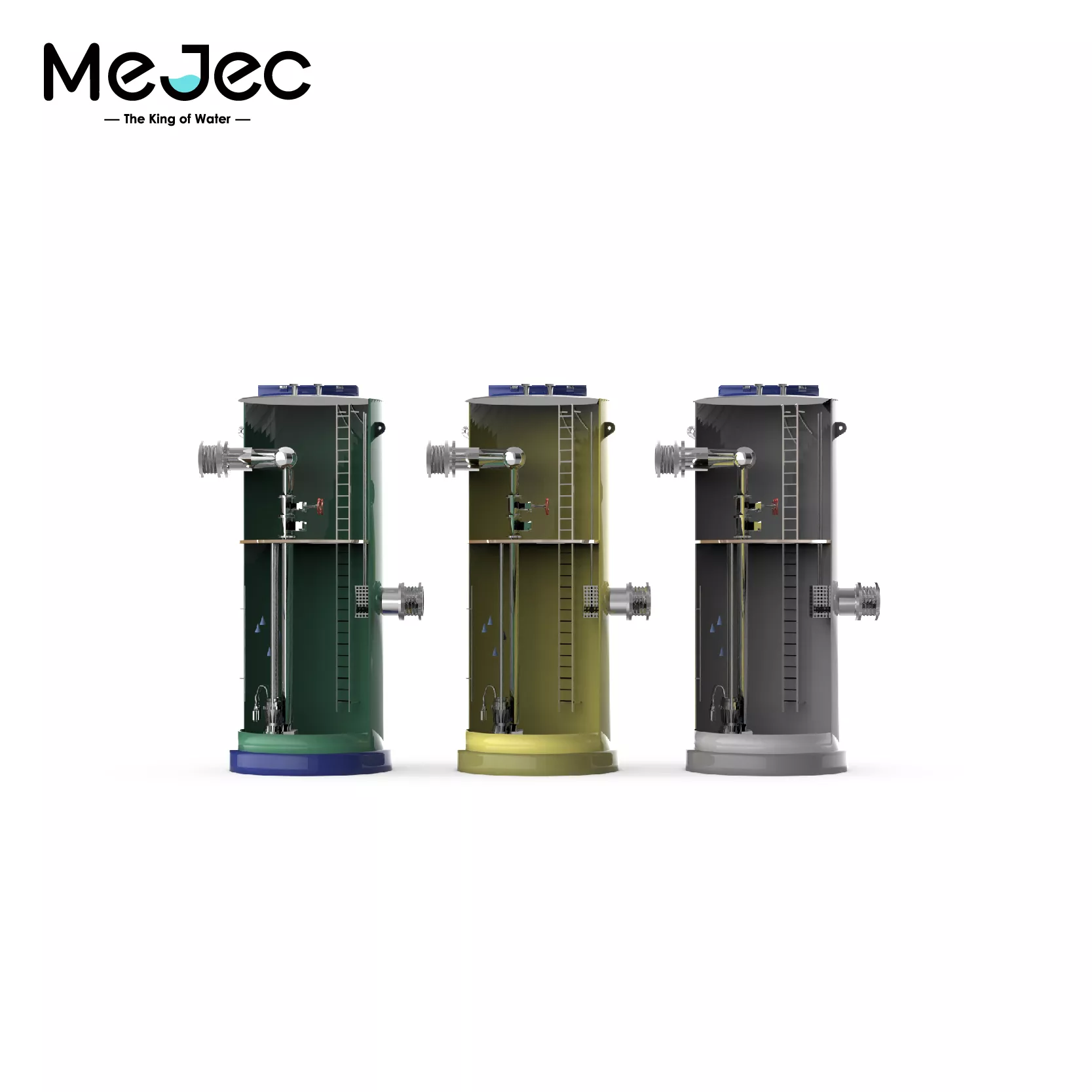
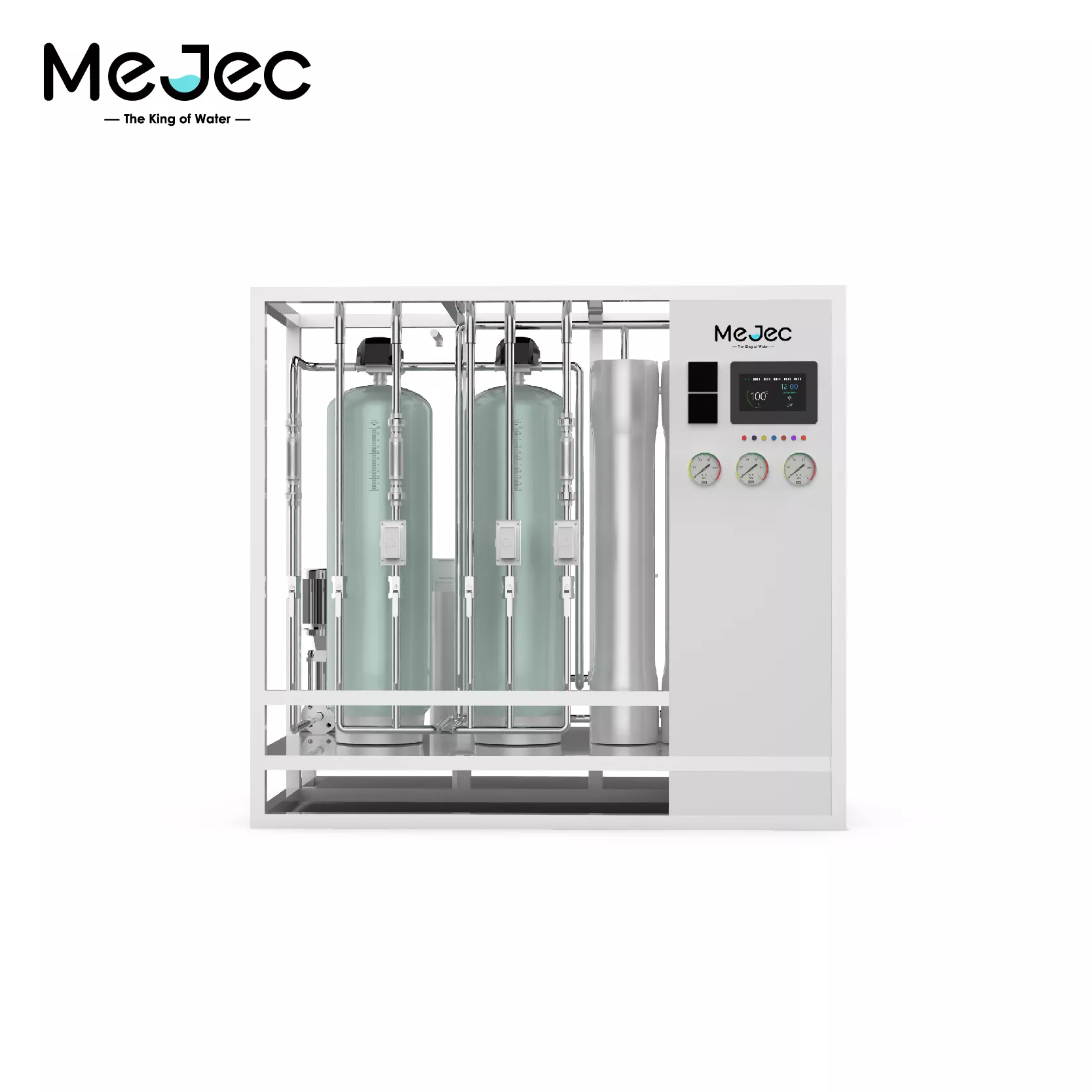
A wastewater treatment system design is a comprehensive engineering blueprint that specifies the processes, equipment, and layout required to effectively remove contaminants from water for discharge or reuse. The design is fundamentally based on the characteristics of the influent wastewater, including flow rate, biological oxygen demand (BOD), chemical oxygen demand (COD), total suspended solids (TSS), nutrient levels (nitrogen and phosphorus), and the presence of specific industrial pollutants. Regulatory compliance with standards set by bodies like the U.S. Environmental Protection Agency (EPA) or the European Union's Urban Wastewater Treatment Directive is the primary driver, mandating specific effluent limits. Common design frameworks include conventional activated sludge processes, which typically achieve 85-95% BOD removal, membrane bioreactors (MBRs) offering superior effluent quality with TSS often below 5 mg/L, sequencing batch reactors (SBRs) for operational flexibility, and advanced nutrient removal systems like the A2O process for biological nitrogen and phosphorus removal. The design process integrates preliminary treatment (screening, grit removal), primary sedimentation, secondary biological treatment, tertiary filtration or disinfection, and sludge handling, with each unit process sized based on hydraulic and organic loading calculations.
The efficacy of a wastewater treatment system design is validated through operational data and industry benchmarks. For instance, according to a 2023 report by the Water Environment Federation, well-designed activated sludge plants consistently achieve median effluent BOD and TSS concentrations of 10 mg/L or less. Energy consumption, a major operational cost, is a critical design factor; the U.S. Department of Energy notes that aeration systems can account for 40-60% of a plant's total energy use. Modern designs incorporate high-efficiency blowers and fine-bubble diffusers to reduce this footprint. Data from the International Water Association indicates that incorporating anaerobic digestion for sludge treatment in plant design can generate 0.8 to 1.2 kWh of electricity per cubic meter of biogas, contributing to energy neutrality. For industrial applications, design must address specific waste streams; a food processing plant design may require dissolved air flotation for high-fat, oil, and grease removal, achieving over 95% removal efficiency before biological treatment. Real-world performance metrics show that MBR systems, while having higher capital costs, produce effluent suitable for direct reuse (e.g., irrigation, cooling water) meeting California Title 22 standards, with turbidity consistently below 0.2 NTU. Furthermore, designs now increasingly integrate real-time monitoring sensors and SCADA systems, with data showing such integration can reduce chemical usage by 15-25% and improve compliance reliability. The selection of materials, such as corrosion-resistant coatings or stainless-steel components in harsh environments, is data-driven from lifecycle cost analyses, impacting long-term maintenance and system longevity. Ultimately, a robust design translates directly into operational reliability, regulatory compliance, and optimized total cost of ownership over a 20-30 year facility lifespan.


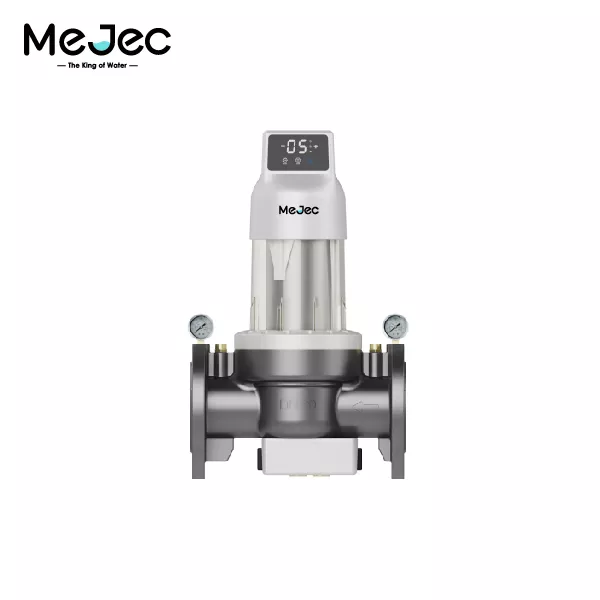

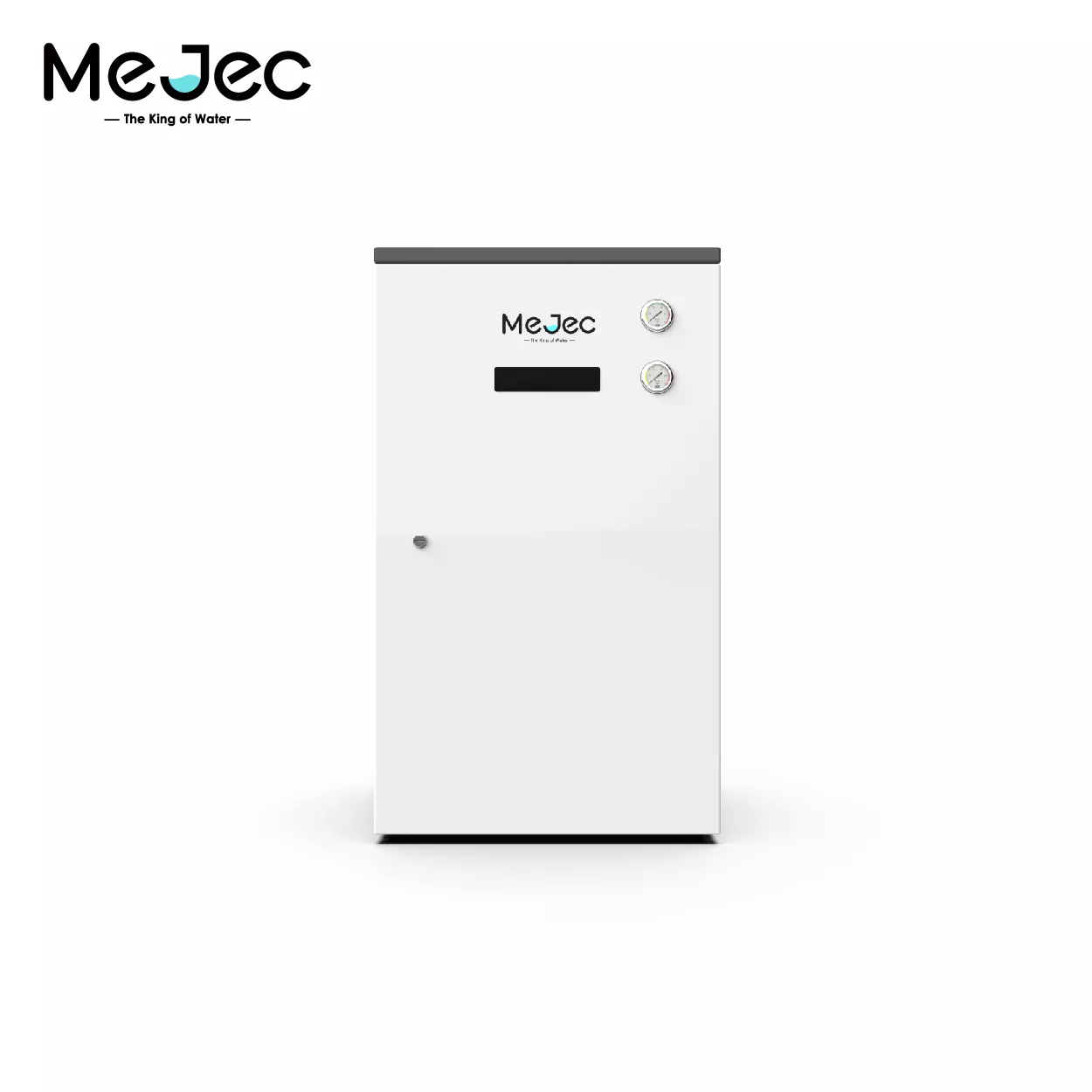



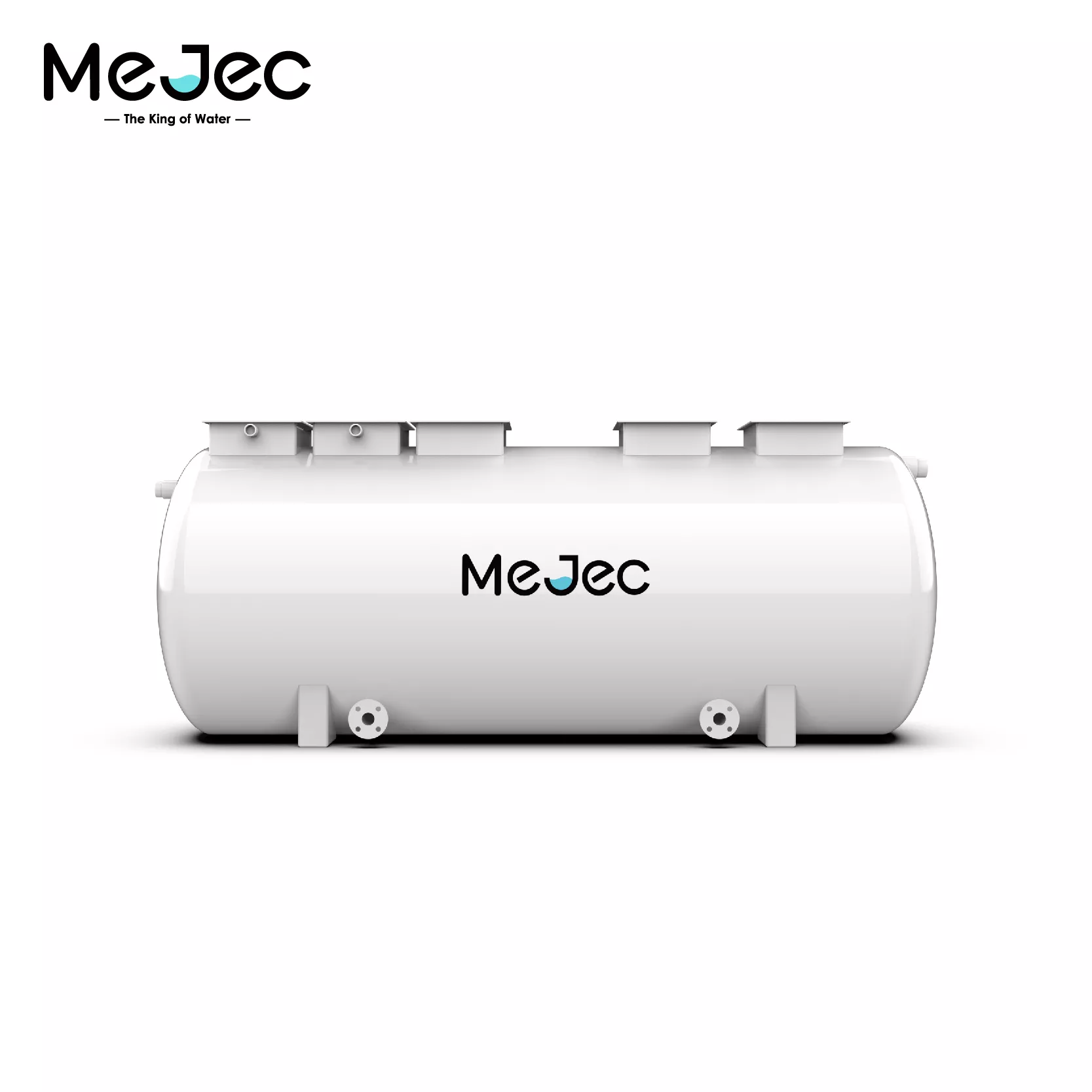

.webp)
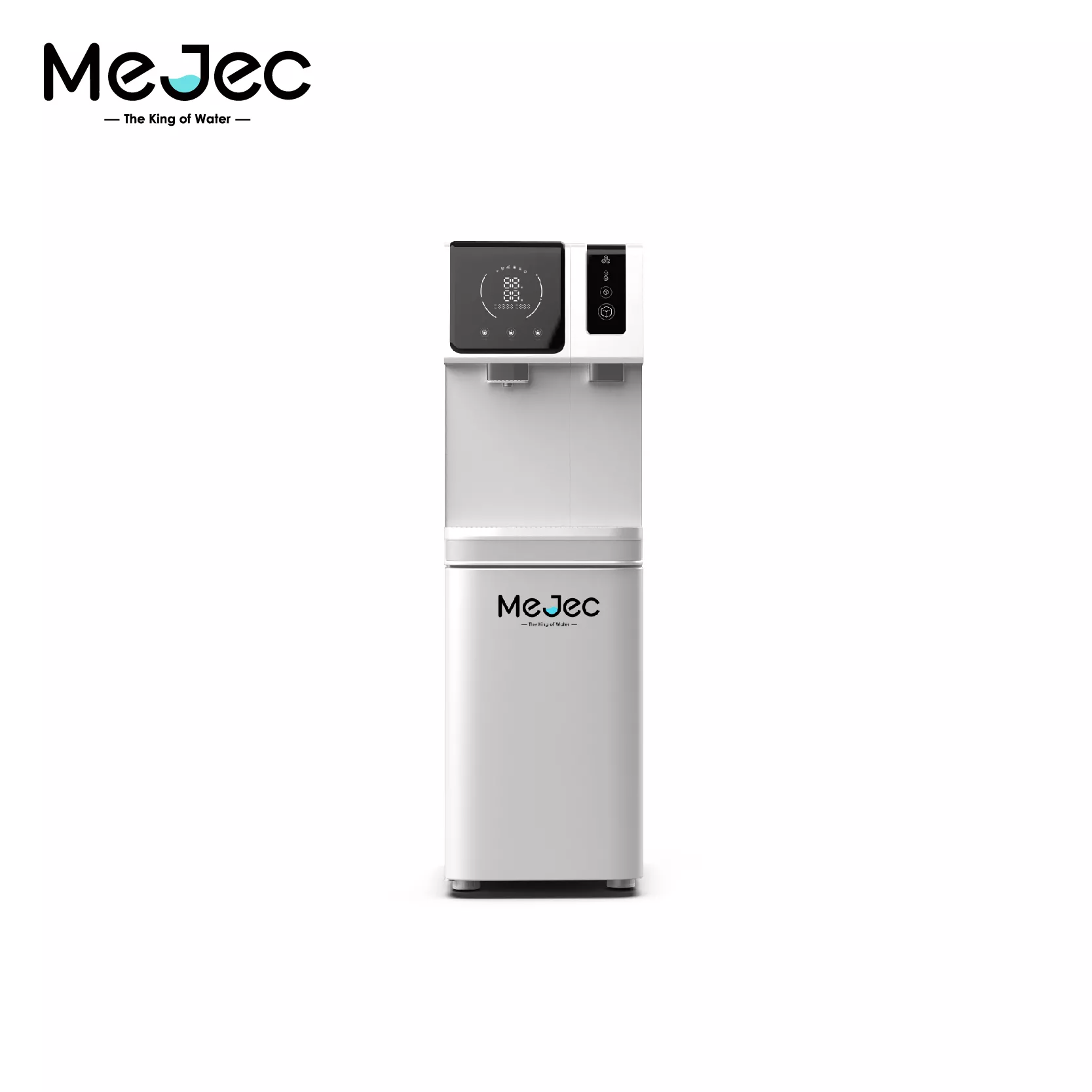






User Comments
Service Experience Sharing from Real Customers
Michael Chen
Environmental EngineerThe modular design and detailed process calculations provided were exceptional. It allowed us to scale our municipal plant efficiently while meeting stringent discharge standards. Highly recommend for complex projects.
Sarah Johnson
Plant ManagerRobust and practical design for our food processing wastewater. The system handles high organic load variations effectively. The commissioning support was top-notch. Minor delays in documentation, but overall excellent.
David Rodriguez
Project DirectorOutstanding innovative design for our new pharmaceutical facility. The integrated MBR and advanced oxidation process design ensured compliance with the most rigorous regulations. A truly bespoke and effective solution.
Lisa Wang
Sustainability OfficerThe design brilliantly incorporated water reuse and energy recovery, significantly reducing our operational costs and environmental footprint. The team's expertise in sustainable treatment design is impressive.