Automated Sewage Treatment Plant
Automated Sewage Treatment Plant
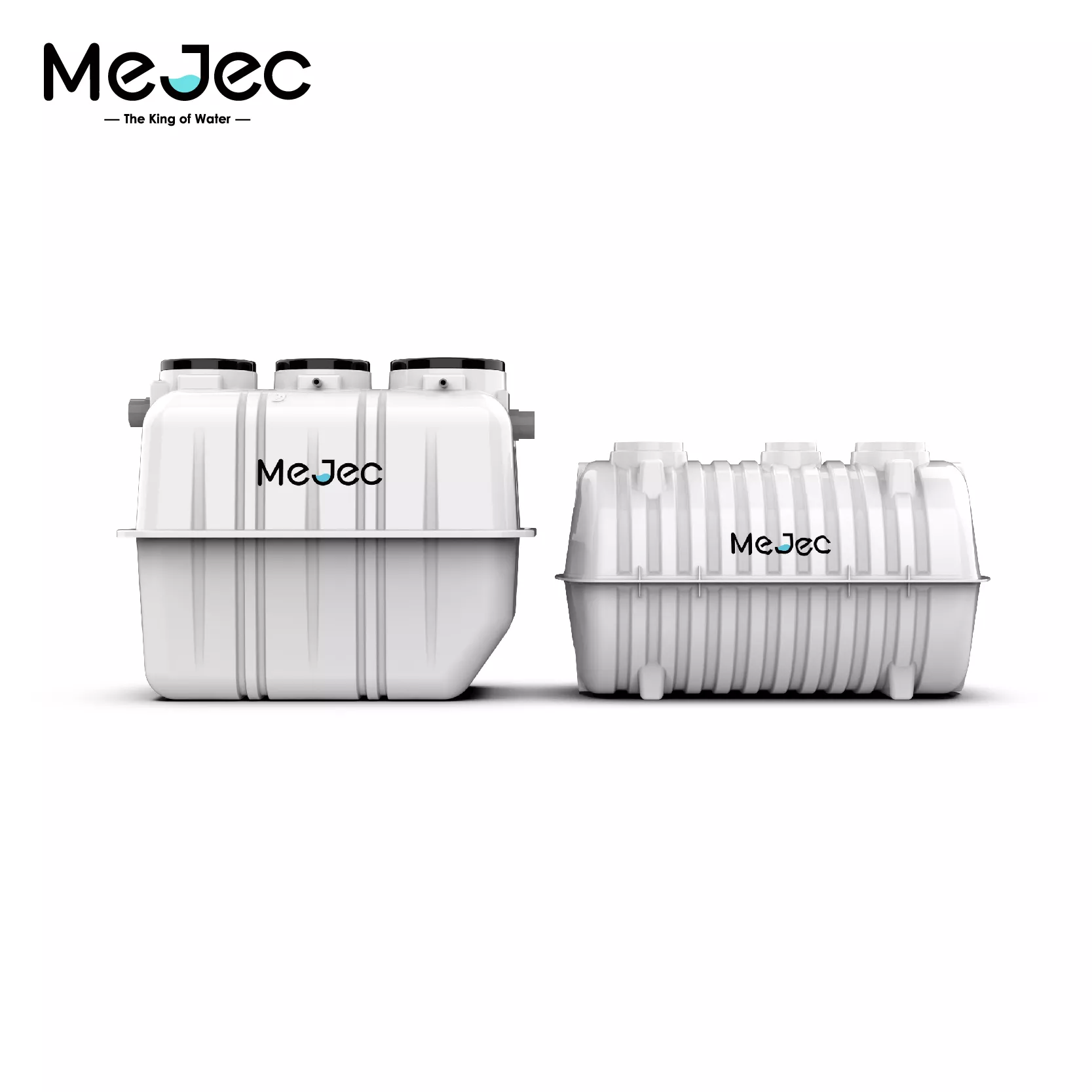
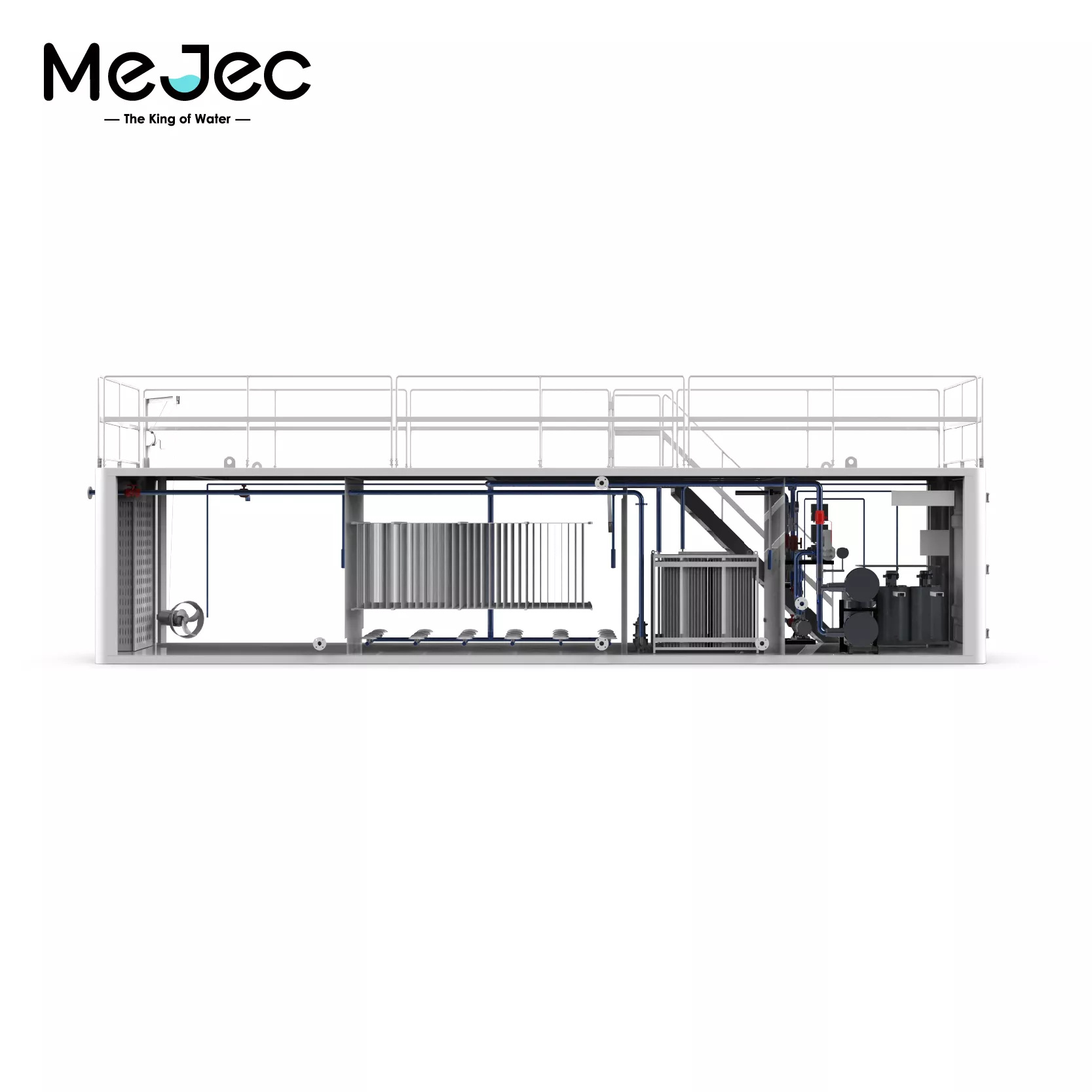
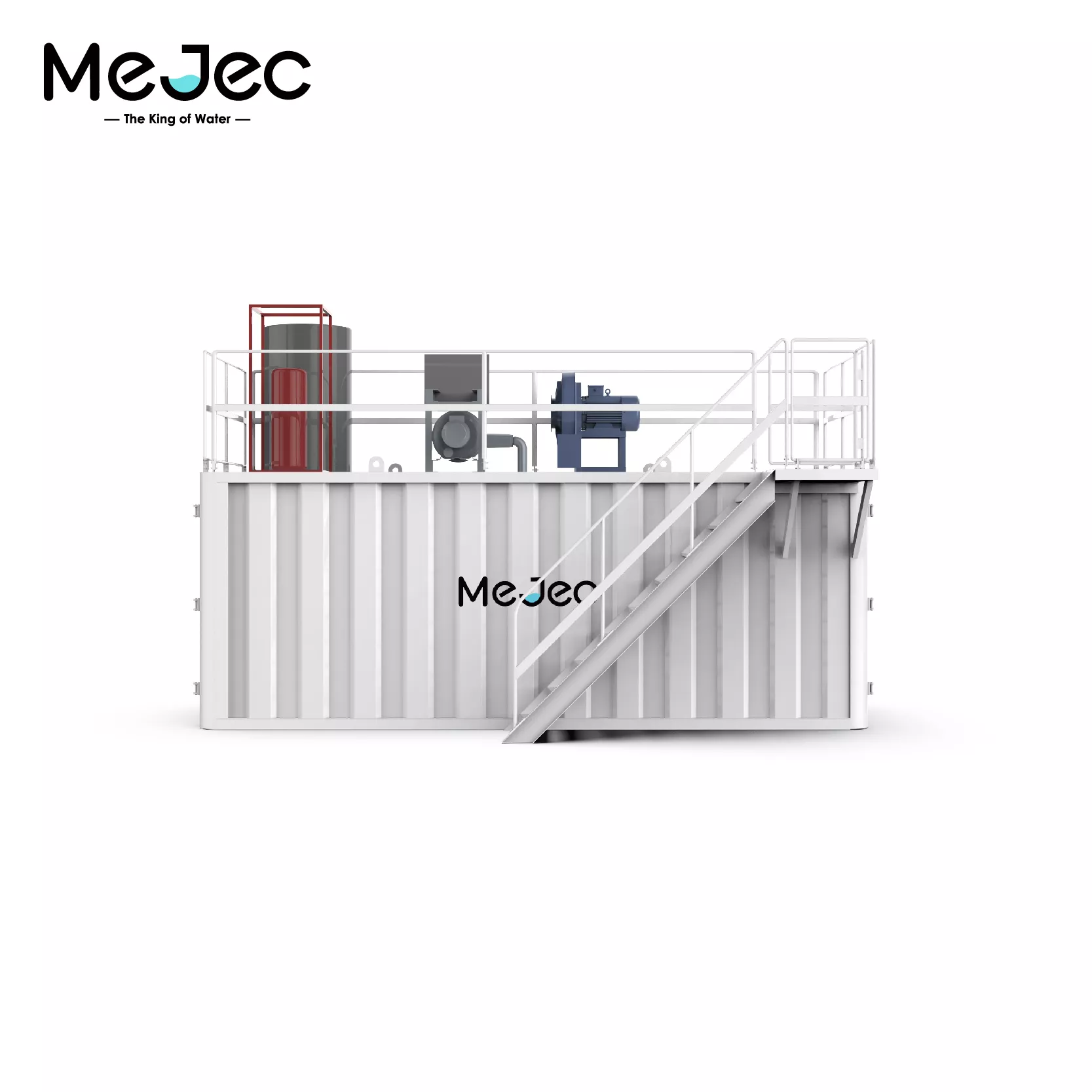
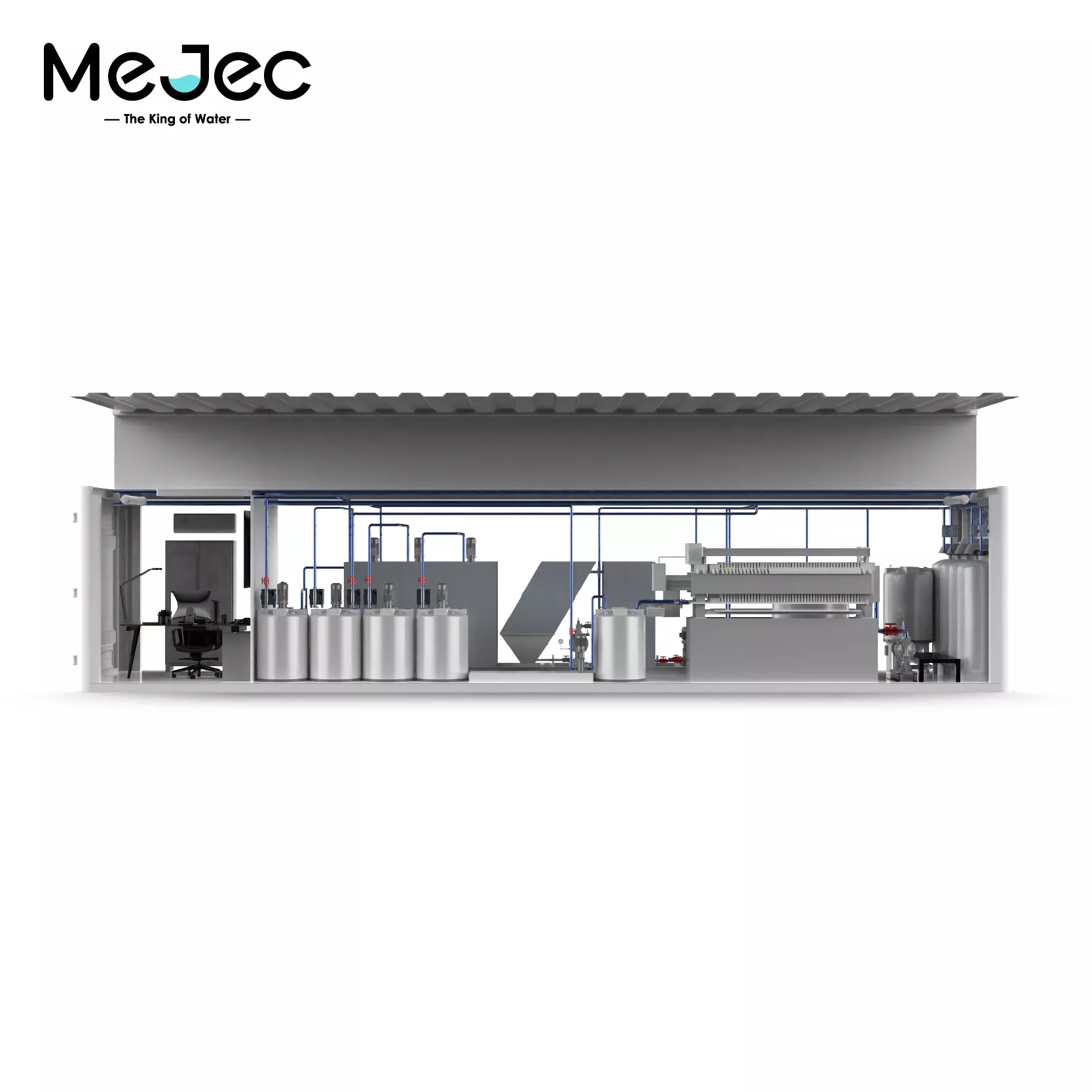
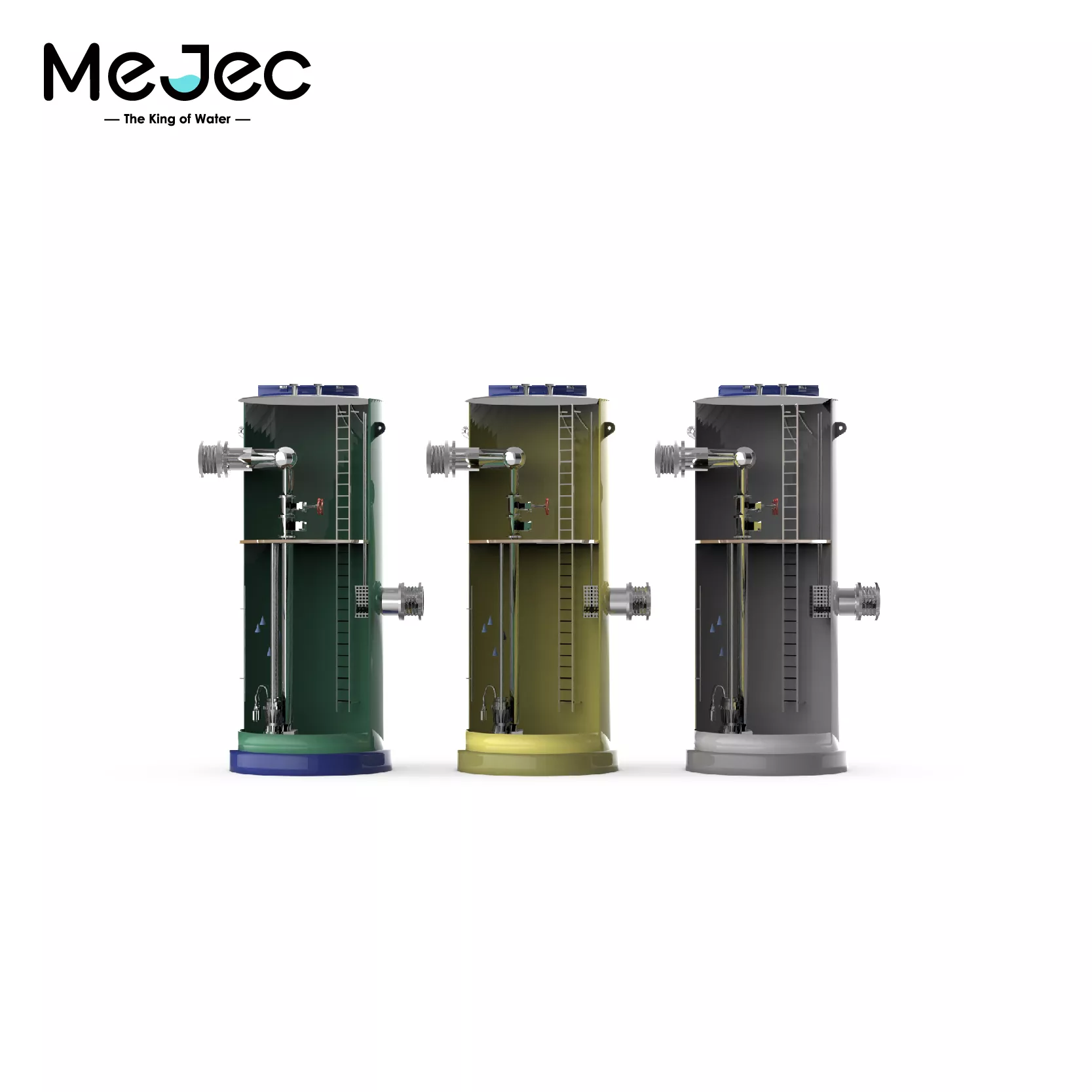
Automated sewage treatment plants represent a significant technological leap in wastewater management, utilizing advanced sensors, programmable logic controllers (PLCs), and data analytics to autonomously monitor and adjust the treatment process. Industry reports from MarketsandMarkets indicate that the global smart water management market, which includes these automated systems, is projected to grow from USD 13.8 billion in 2020 to USD 22.4 billion by 2025, at a Compound Annual Growth Rate (CAGR) of 10.2%. This growth is driven by the critical need for operational efficiency and regulatory compliance. These systems continuously track key parameters such as influent flow rates, biochemical oxygen demand (BOD), chemical oxygen demand (COD), pH levels, dissolved oxygen (DO), and turbidity. Real-time data is processed by central control systems, which then automatically command actuators to adjust aeration blower speeds, chemical dosing pump rates, sludge return flows, and valve positions. This level of automation minimizes the need for constant manual intervention, leading to a drastic reduction in human error and operational labor costs. Studies and case summaries from plant operators consistently show that automation can reduce energy consumption in the aeration process—typically the most energy-intensive stage—by 15% to 30% through precise, demand-based control. Furthermore, compliance with stringent environmental discharge standards, such as those set by the U.S. EPA or the EU Urban Wastewater Treatment Directive, is enhanced as the system maintains effluent quality within narrow, pre-set limits, automatically triggering alarms or corrective actions if parameters deviate.
The practical implementation of automated sewage treatment plants delivers measurable improvements in reliability, cost-effectiveness, and environmental protection. Data from operational facilities, as cited in water industry publications like WaterWorld and treatment system provider white papers, demonstrate concrete benefits. For instance, automated plants report a significant decrease in chemical usage, with coagulant and disinfectant consumption optimized by up to 20-25%, directly lowering operational expenditure. The automation of sludge handling—through controlled settling, thickening, and dewatering cycles—improves sludge volume reduction and stability, reducing disposal costs and liabilities. Remote monitoring capabilities, a core feature of modern automated plants, allow engineers to oversee multiple facilities from a central location, analyzing trends and performance data to predict maintenance needs (predictive maintenance) and prevent equipment failures. This is evidenced by field reports showing a reduction in unplanned downtime by as much as 50%. From a capital and lifecycle perspective, while the initial investment in automation hardware and software is higher, the return on investment (ROI) is typically realized within 2 to 5 years through the aforementioned savings in energy, chemicals, labor, and avoided non-compliance fines. Automated systems also provide comprehensive, auditable data logs for regulatory reporting, simplifying compliance documentation. Ultimately, by ensuring consistent, high-quality treated effluent, these plants play a pivotal role in safeguarding public health and protecting aquatic ecosystems, making them an indispensable solution for municipalities and industries worldwide facing growing population demands and stricter environmental regulations.


.webp)









User Comments
Service Experience Sharing from Real Customers
Robert Chen
Facilities ManagerThis automated sewage treatment system has revolutionized our operations. The fully automated controls require minimal oversight, and the effluent quality consistently exceeds regulatory standards. A game-changer for municipal wastewater management.
Sarah Johnson
Plant SupervisorHighly efficient and reliable. The automated monitoring and chemical dosing have reduced our operational costs by about 30% and significantly improved safety by limiting manual handling. The remote diagnostics feature is particularly valuable.
David Miller
Chief EngineerImplementation was seamless. The system's intelligent automation adapts to fluctuating loads perfectly, ensuring optimal treatment around the clock. It has drastically reduced downtime and maintenance needs for our resort complex.
Lisa Wang
Environmental Compliance OfficerAs a compliance officer, the detailed, automated reporting and real-time data logging are invaluable. The plant operates with such consistency that we have zero concerns about meeting environmental discharge permits. An outstanding investment.