IoT wastewater treatment monitoring
IoT wastewater treatment monitoring
The global IoT wastewater treatment monitoring market is projected to grow from USD 6.8 billion in 2023 to over USD 12.5 billion by 2028, according to MarketsandMarkets research, driven by stringent environmental regulations and the urgent need for operational efficiency. This technology leverages networks of wireless sensors and connected devices to collect real-time data on critical parameters such as pH, dissolved oxygen (DO), chemical oxygen demand (COD), turbidity, flow rates, and tank levels directly from clarifiers, aeration basins, and outfall points. By transmitting this data to centralized cloud platforms or SCADA systems, plant managers gain an unprecedented, 24/7 view of the entire treatment process. This continuous monitoring enables the immediate detection of anomalies, such as toxic influent shocks or equipment failures, allowing for rapid intervention that prevents permit violations, which can incur fines exceeding $50,000 per incident in regions like the United States under the Clean Water Act. The shift from manual, periodic sampling to automated, data-rich monitoring reduces labor costs by an estimated 15-30% and significantly improves the accuracy and reliability of compliance reporting, forming the core value proposition of IoT in this sector.
Beyond basic monitoring, IoT systems unlock advanced process optimization and predictive maintenance, delivering substantial ROI. For instance, by analyzing real-time DO data with machine learning algorithms, aeration blowers can be automatically adjusted to maintain optimal levels, typically between 1.5 and 3.0 mg/L for most biological processes. Industry case studies, such as those documented by the Water Environment Federation, report energy savings of 20-40% on aeration, which alone accounts for 50-60% of a plant's total energy consumption. Furthermore, vibration and temperature sensors on pumps and motors predict failures before they occur, reducing unplanned downtime by up to 45% and extending equipment lifespan. Data from platforms like Siemens MindSphere or Schneider Electric EcoStruxure demonstrate that plants utilizing comprehensive IoT monitoring can achieve a 10-20% reduction in overall operational expenditures (OPEX) and improve treatment efficiency by up to 25%, ensuring consistent effluent quality that meets or exceeds regulatory standards like the EU's Urban Wastewater Treatment Directive. This transformation from reactive to proactive and predictive management is essential for modern utilities facing aging infrastructure, skilled workforce shortages, and increasing pressure on water resources.


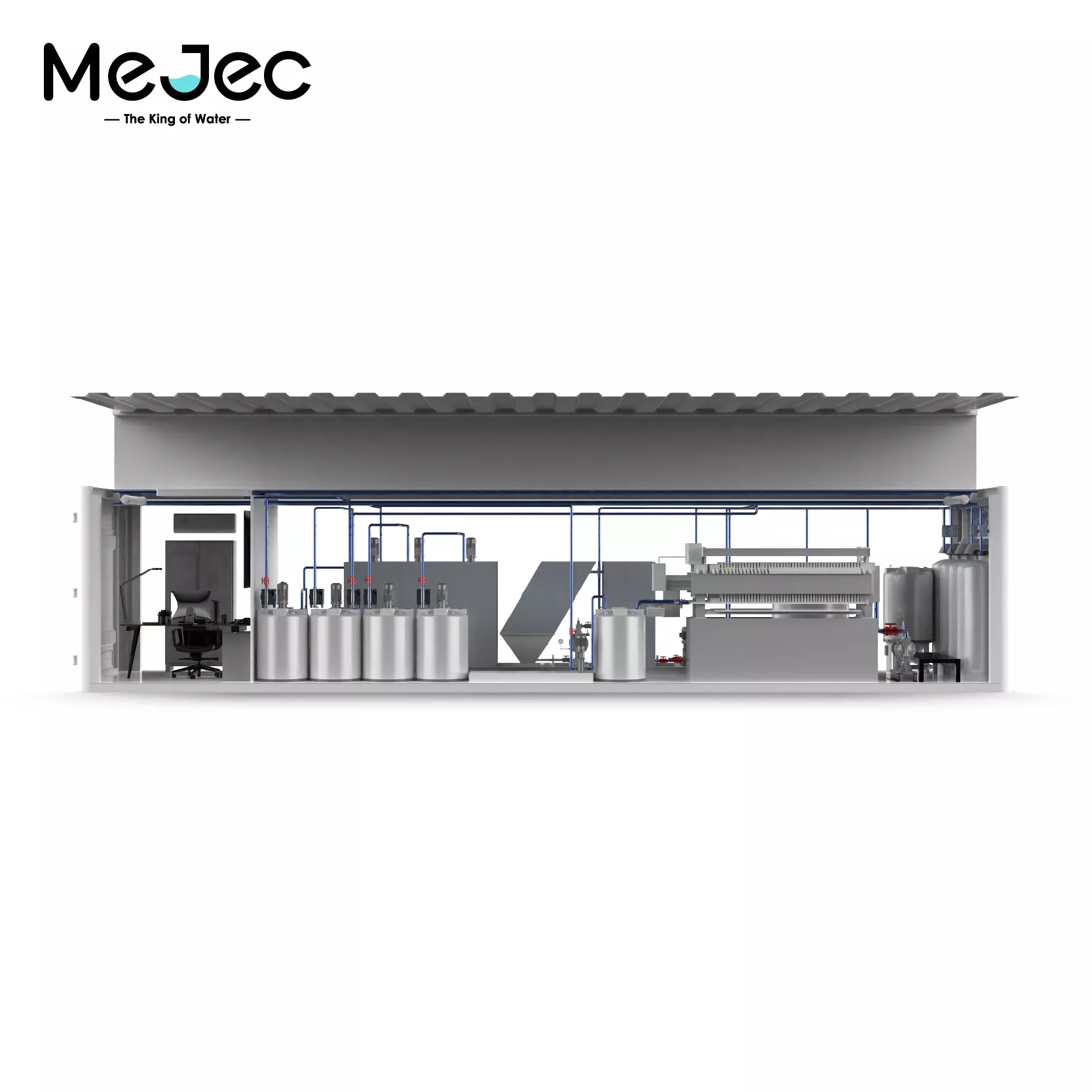
.webp)
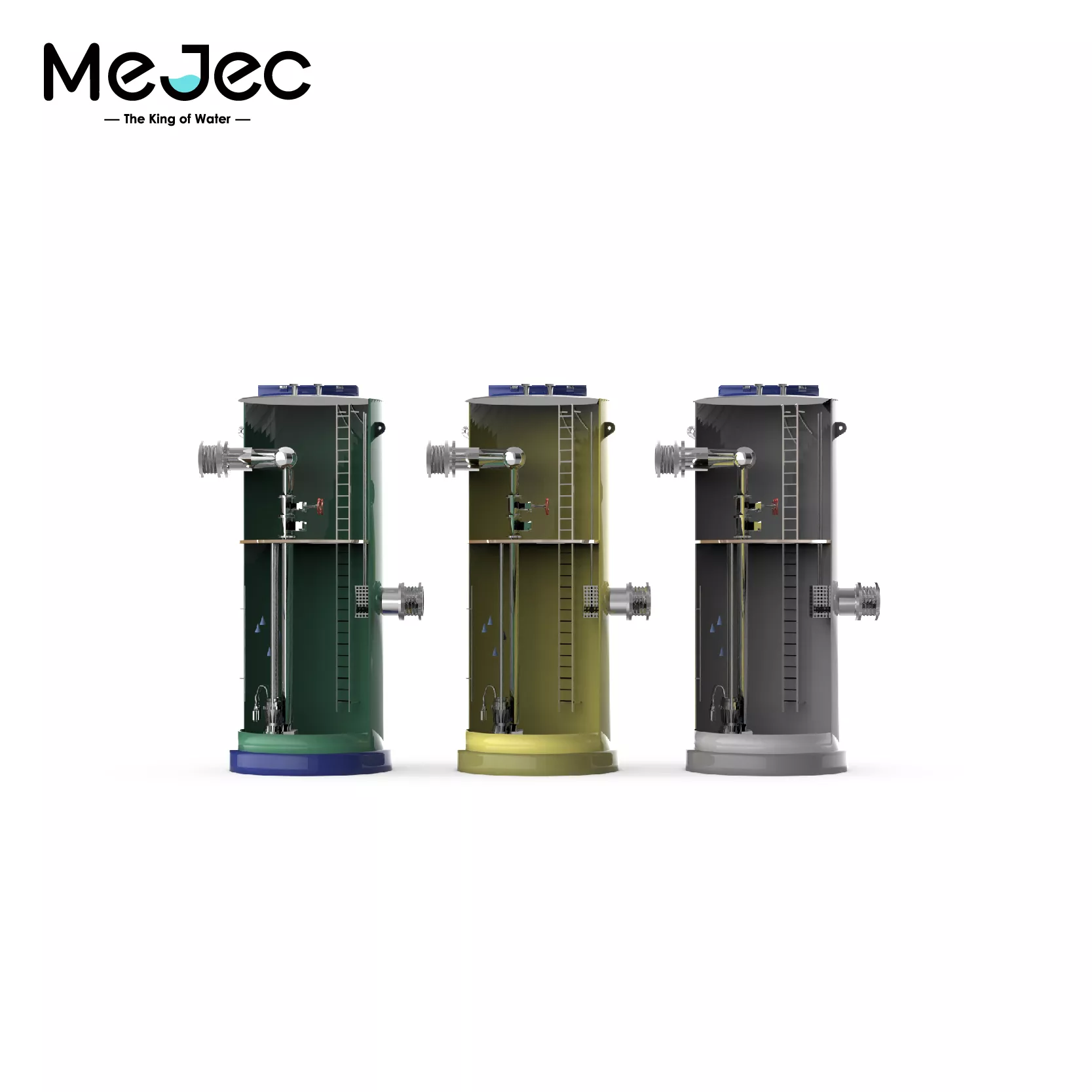










User Comments
Service Experience Sharing from Real Customers
Michael Rodriguez
Environmental EngineerThis IoT monitoring system has revolutionized our wastewater treatment plant's operations. Real-time data on pH, turbidity, and chemical levels allows for proactive adjustments, significantly improving efficiency and compliance. The remote alerts are a game-changer.
Sarah Chen
Plant Operations ManagerHighly reliable system for continuous monitoring. The dashboard is intuitive, and the sensor durability in harsh treatment environments is impressive. It has reduced our manual sampling labor by over 60% and provided invaluable trend data for process optimization.
David Kim
Sustainability DirectorImplementing this IoT solution was crucial for our environmental reporting and sustainability goals. The accuracy of the effluent quality data helps us ensure regulatory compliance effortlessly and demonstrates our commitment to responsible operations. Excellent support team.
Jessica Williams
Facility SupervisorA robust and scalable system. We started with monitoring a single clarifier and have now integrated it across our entire treatment process. The predictive maintenance alerts for pump failures have saved us considerable downtime and repair costs. Very worthwhile investment.