Smart Sewage Treatment Equipment
Smart Sewage Treatment Equipment
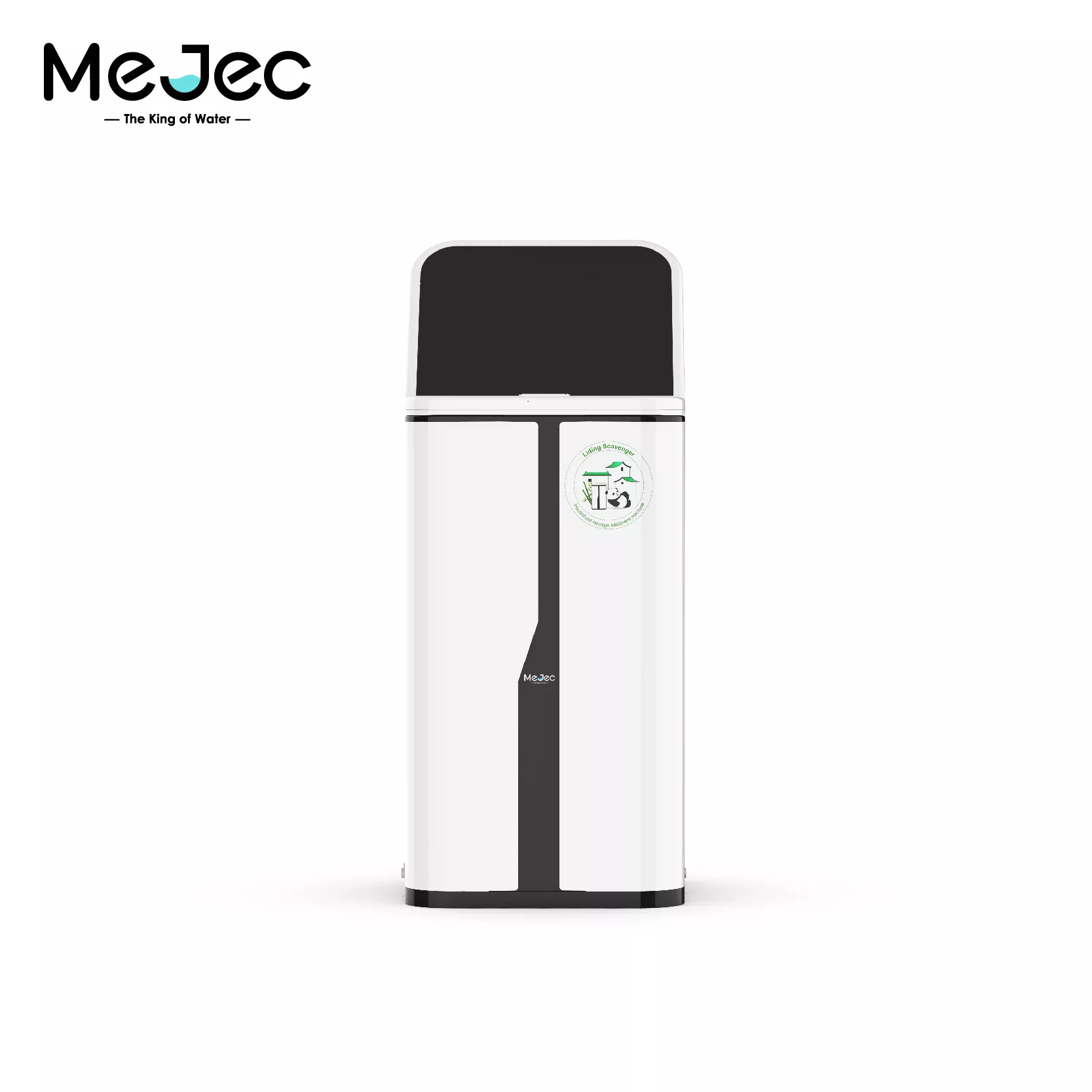
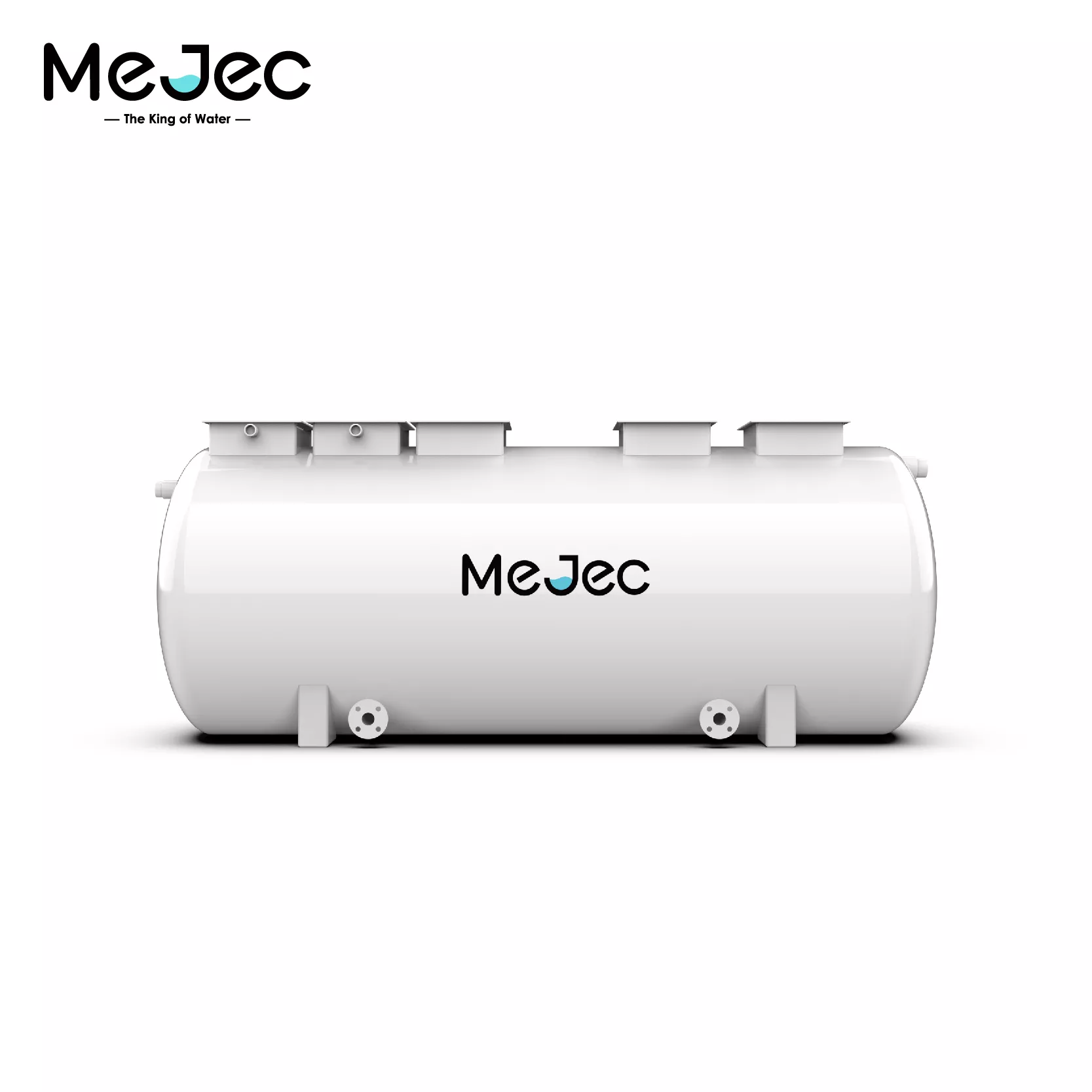
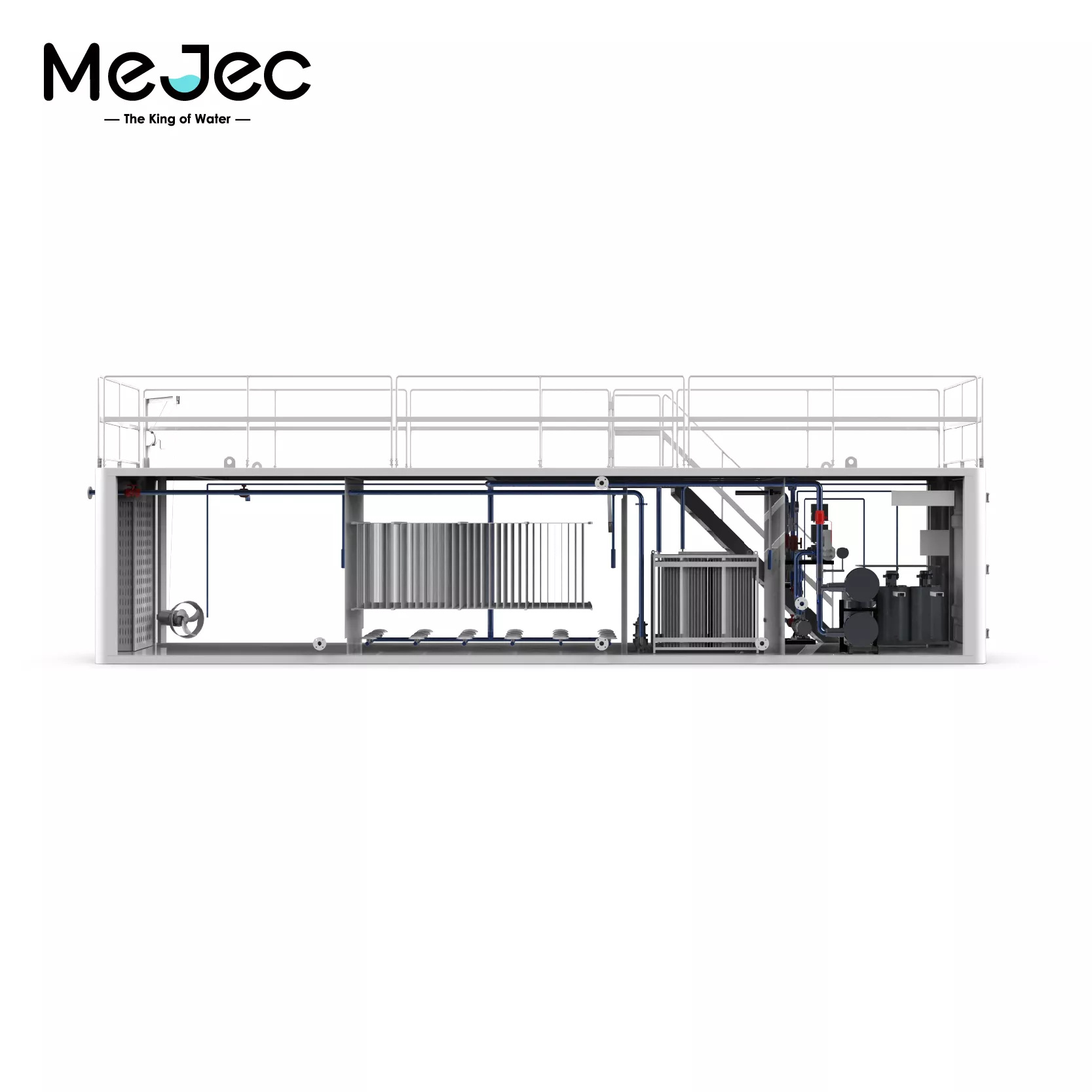
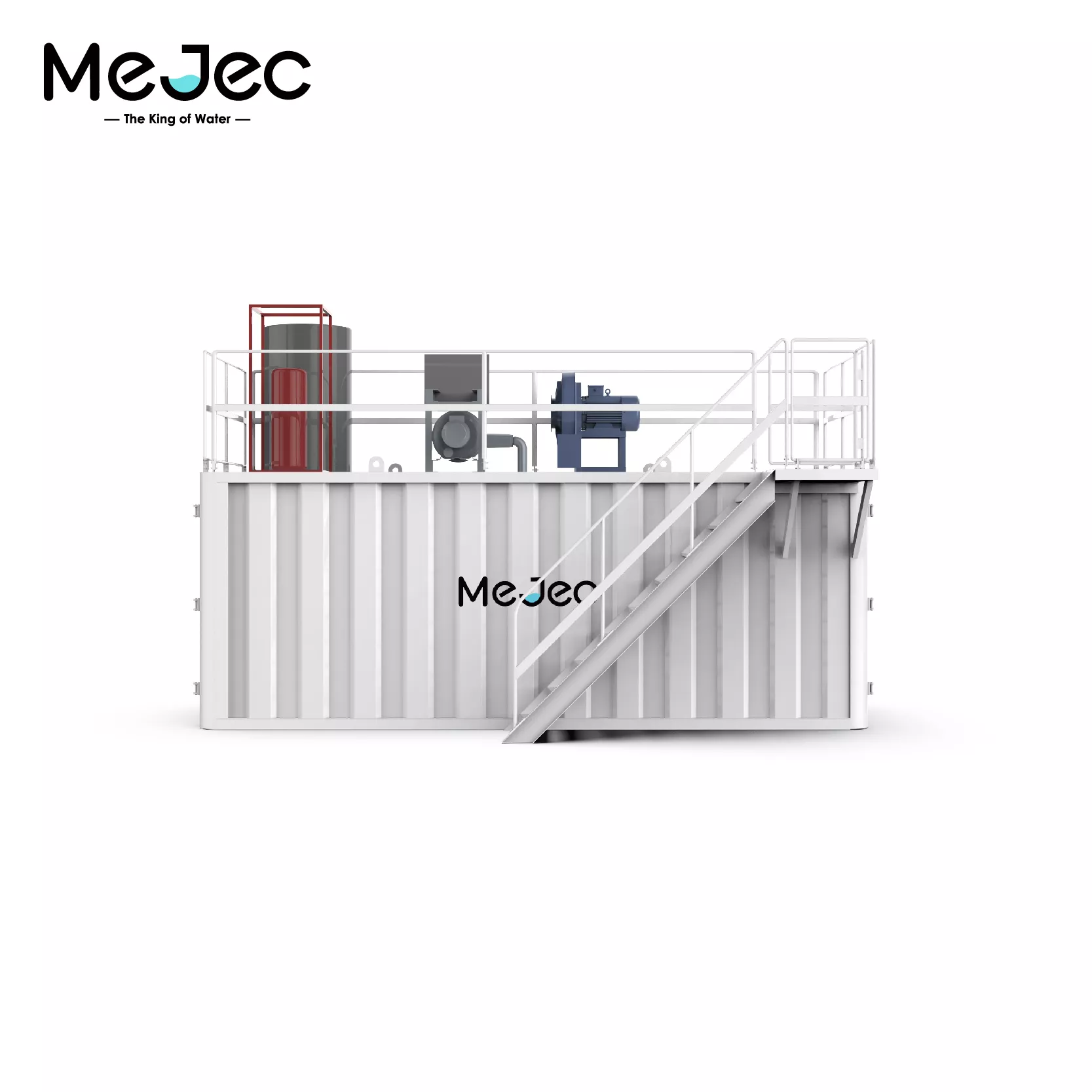
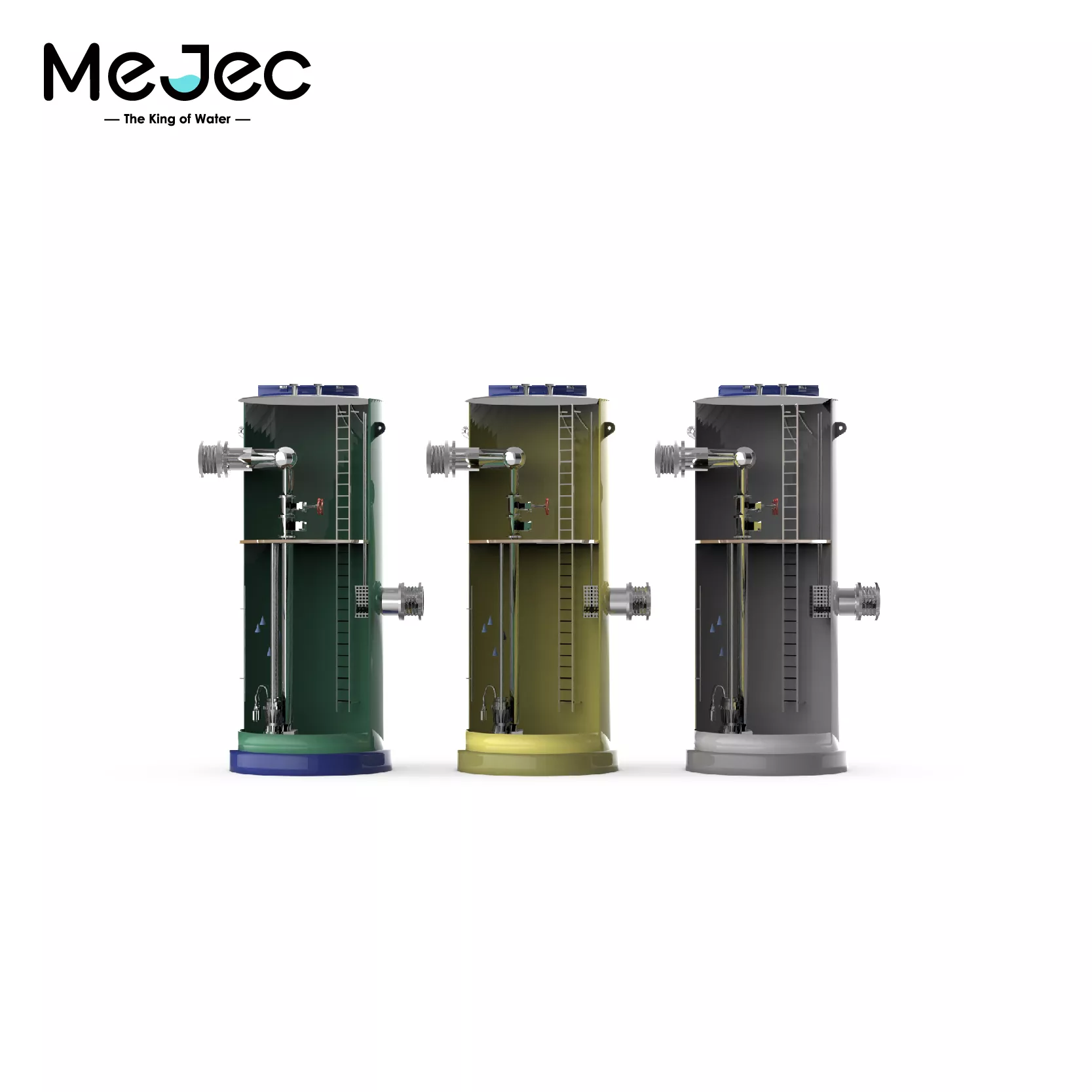
The adoption of smart sewage treatment equipment represents a transformative shift in wastewater management, leveraging real-time data analytics, IoT sensors, and automated control systems to optimize the entire treatment process. This technology enables continuous monitoring of critical parameters such as chemical oxygen demand (COD), biochemical oxygen demand (BOD), pH levels, turbidity, and flow rates. By integrating advanced sensors and connected devices, these systems can automatically adjust aeration rates, chemical dosing, and sludge recycling in response to incoming load variations, significantly improving treatment efficiency and consistency. The core advantage lies in predictive maintenance and operational intelligence; for instance, studies and industry reports, such as those from the Water Environment Federation, indicate that smart systems can reduce energy consumption in treatment plants by 15-30% by optimizing aeration blower operations, which typically account for 50-70% of a plant's energy use. Furthermore, data from the Environmental Protection Agency (EPA) highlights that improved process control through automation can enhance pollutant removal rates, helping facilities consistently meet stringent discharge standards for nutrients like nitrogen and phosphorus.
The implementation of smart sewage treatment equipment delivers substantial economic and environmental returns. According to market analyses and case studies published in resources like the International Water Association (IWA) journals, plants utilizing smart technologies report a reduction in operational costs by up to 25% through lower energy and chemical usage, minimized manual intervention, and decreased downtime. Remote monitoring capabilities allow for centralized management of decentralized treatment units, a growing trend for urban and industrial applications. Real-world data from installations show that smart systems can reduce the volume of sludge produced by optimizing the biological treatment process, thereby lowering disposal costs and environmental impact. For example, a documented pilot project in a municipal plant demonstrated a 20% decrease in sludge generation after integrating adaptive process controls. The reliability and compliance benefits are equally critical; automated alert systems for equipment failures or parameter breaches prevent regulatory violations. This technology is not merely an upgrade but a foundational component for building resilient, sustainable, and cost-effective wastewater infrastructure, directly addressing global challenges in water scarcity and pollution control as underscored by ongoing research and operational data from the sector.


.webp)










User Comments
Service Experience Sharing from Real Customers
Michael Chen
Facilities ManagerThe smart monitoring system on this equipment has revolutionized our plant's efficiency. Real-time data and predictive maintenance alerts have reduced downtime by 40%.
Sarah Johnson
Environmental EngineerHighly impressed with the energy-saving performance and automated chemical dosing. It's significantly lowered our operational costs and improved effluent quality consistency.
David Rodriguez
Plant SupervisorThe remote control and diagnostics features are game-changers. We can now manage multiple small-scale treatment sites centrally with incredible precision and responsiveness.
Emily Watson
Sustainability DirectorThis integrated smart system not only meets compliance standards effortlessly but also provides invaluable data for our sustainability reporting. A robust and intelligent investment.