decentralized sewage treatment project
decentralized sewage treatment project
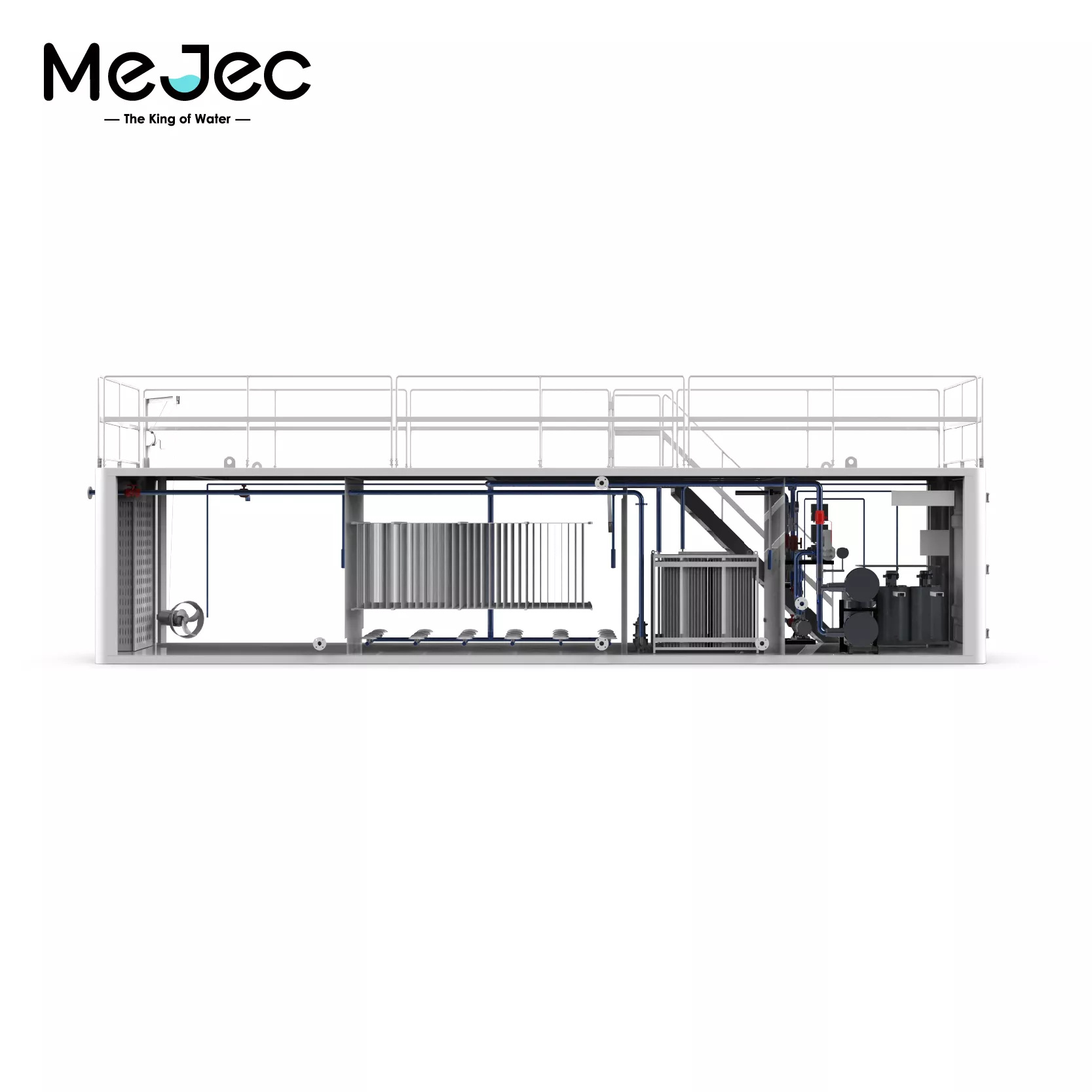
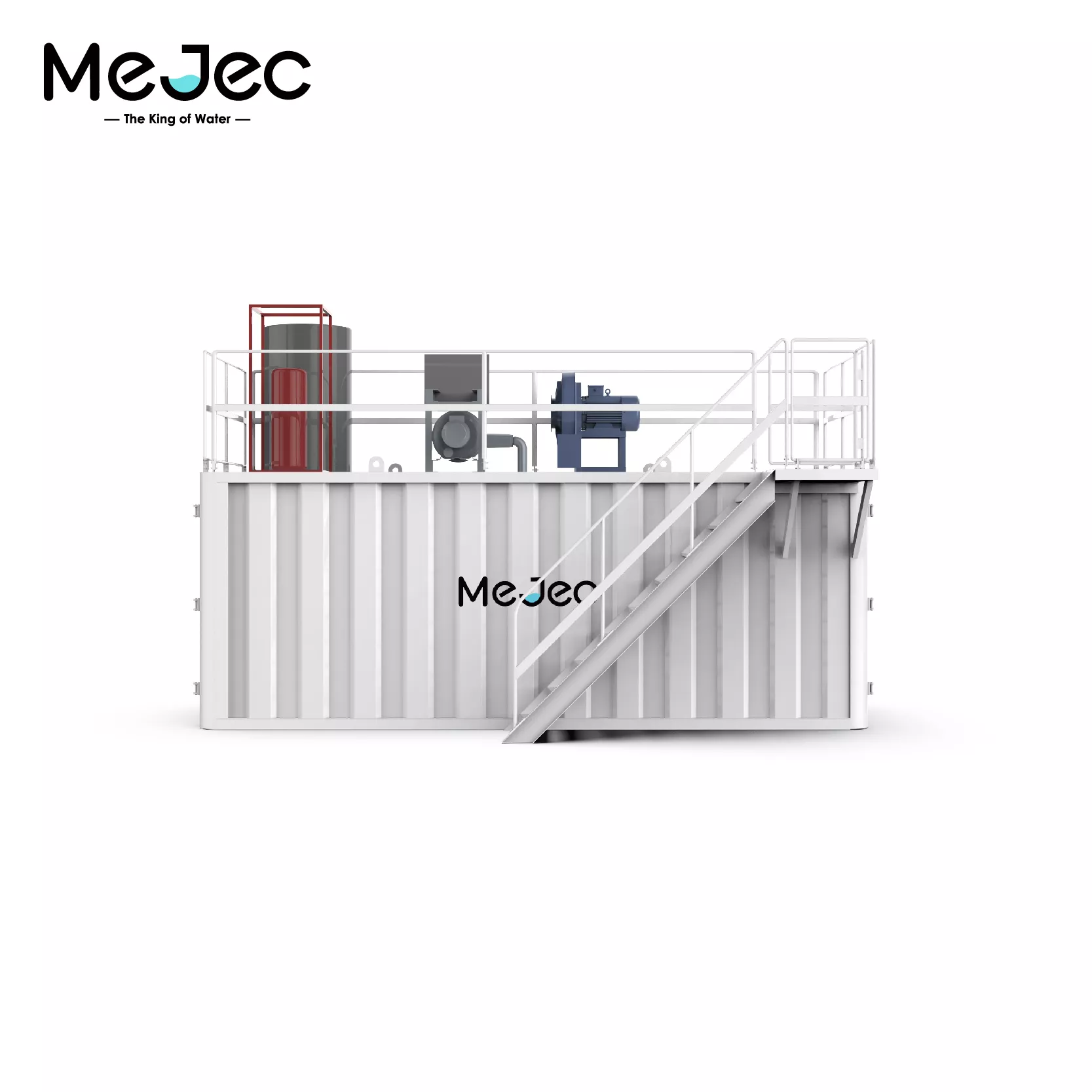
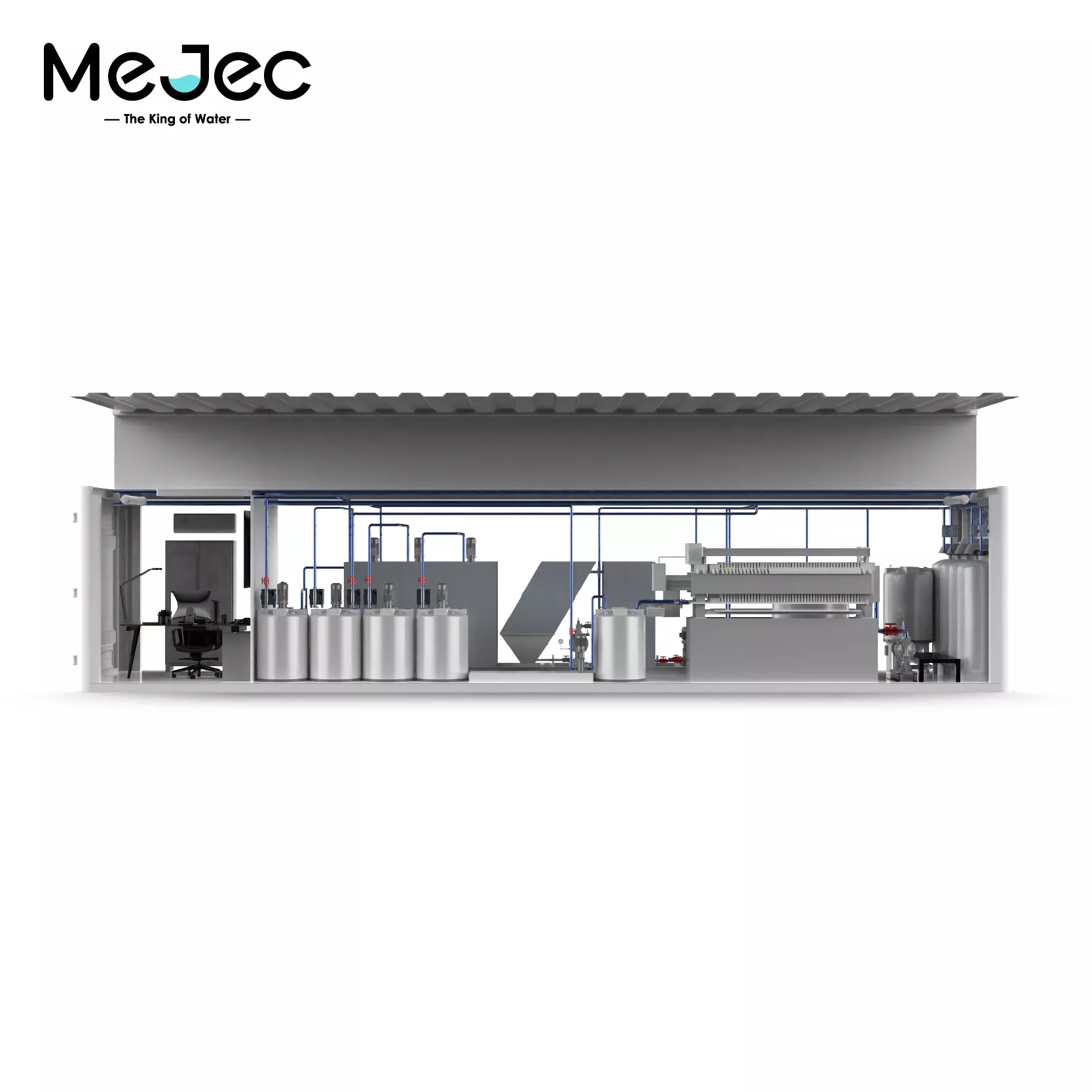
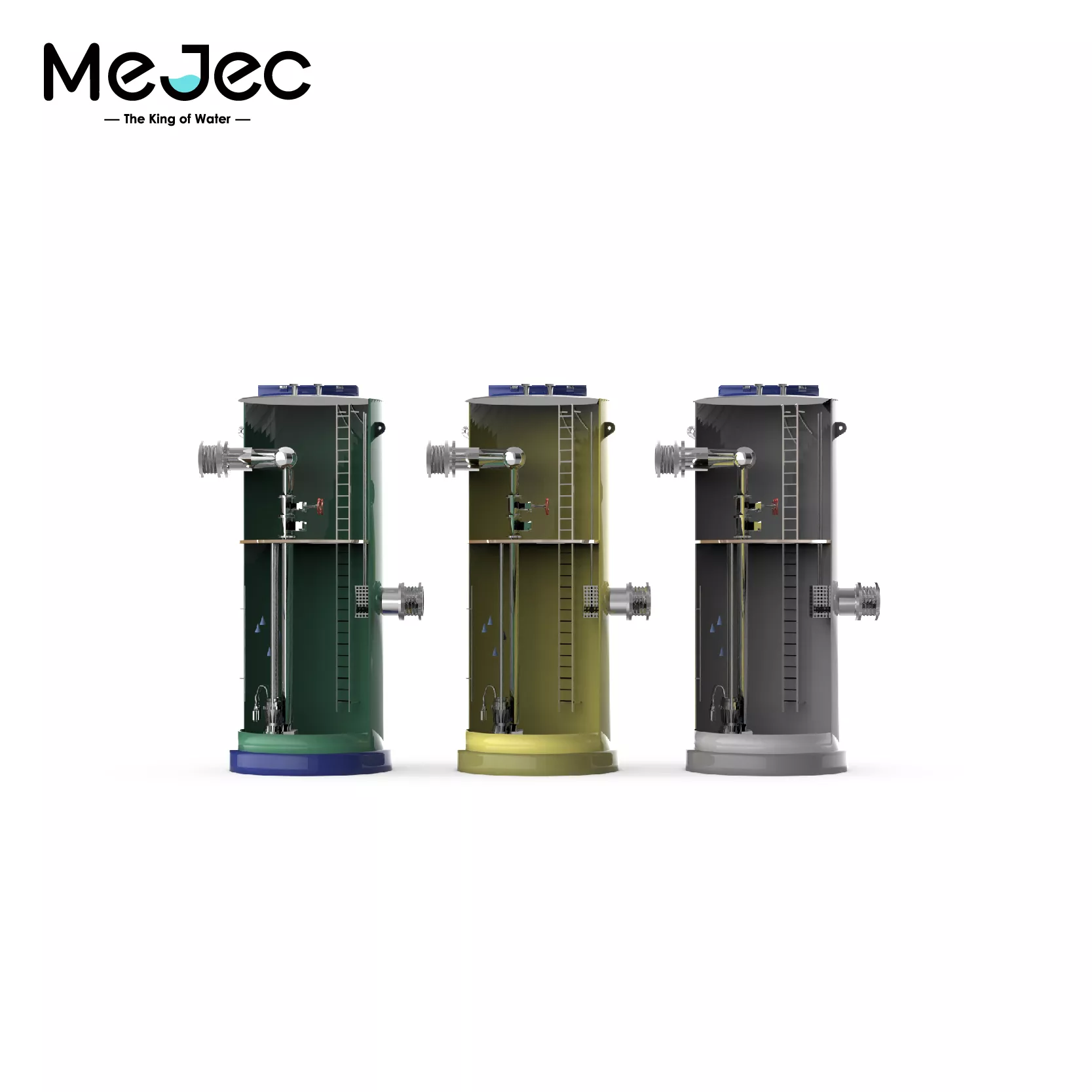
A decentralized sewage treatment project represents a paradigm shift in wastewater management, moving away from large, centralized collection and treatment plants to smaller, modular, and often localized systems designed to treat sewage close to its point of origin. This approach is particularly crucial for rapidly urbanizing areas, remote communities, industrial parks, and developments where extending municipal sewer lines is prohibitively expensive or geographically impractical. The core technologies deployed in such projects include advanced septic systems, packaged or containerized treatment plants, membrane bioreactors (MBRs), sequencing batch reactors (SBRs), and constructed wetlands. According to a comprehensive report by Grand View Research, the global decentralized wastewater treatment system market size was valued at USD 19.14 billion in 2023 and is projected to expand at a compound annual growth rate (CAGR) of 6.8% from 2024 to 2030. This growth is directly attributed to increasing government regulations on water discharge, rising water scarcity driving reuse initiatives, and the cost-effectiveness of decentralized solutions, which can reduce pipeline infrastructure costs by up to 50% compared to centralized sewer extensions, as noted in studies by the U.S. Environmental Protection Agency (EPA).
The implementation of a decentralized sewage treatment project delivers measurable environmental and economic benefits, supported by extensive field data. For instance, modern decentralized systems can achieve effluent quality meeting stringent standards for non-potable reuse (e.g., irrigation, toilet flushing) with removal rates often exceeding 95% for BOD and total suspended solids. A case study from the U.S. EPA's "Decentralized Wastewater Treatment Systems: A Program Strategy" highlights that properly managed decentralized systems serve approximately 60 million people in the United States and, in some watersheds, are the most cost-effective method for protecting public health and water quality. Data from the Asian Development Bank emphasizes their role in Asia, where decentralized solutions in peri-urban areas have reduced untreated wastewater discharge by significant margins, directly improving local water body health. Financially, these projects offer lower initial capital outlay and phased expansion capabilities. Operational data indicates that energy consumption can be optimized through designs incorporating solar power or anaerobic processes, with some systems reporting energy self-sufficiency. Furthermore, the reclaimed water and nutrients (like phosphorus) recovered can create revenue streams, enhancing the project's return on investment. By eliminating long conveyance networks, these projects also demonstrate superior resilience to climate events and reduce community-wide public health risks from sewer overflows, making them a sustainable, scalable, and strategic choice for modern infrastructure development.




.webp)















User Comments
Service Experience Sharing from Real Customers
Michael Chen
Environmental EngineerThe decentralized sewage treatment system we implemented has been exceptionally reliable and efficient. It significantly reduced our operational costs and environmental footprint. Perfect for remote communities.
Sarah Johnson
Project ManagerA robust and scalable solution for our resort's wastewater needs. The modular design allowed for easy installation with minimal site disruption. Highly recommend for commercial applications in sensitive environments.
David Rodriguez
Facilities DirectorThis project transformed our construction site's waste management. The system is compact, effective, and meets all regulatory standards. It's a game-changer for temporary or off-grid industrial operations.
Lisa Wang
Sustainability OfficerOutstanding performance in our agricultural cooperative. The treated water quality is excellent for irrigation, closing the loop on water usage. A vital component for sustainable and circular farming practices.