


.webp)


How to choose the best commercial water dispensers for restaurants
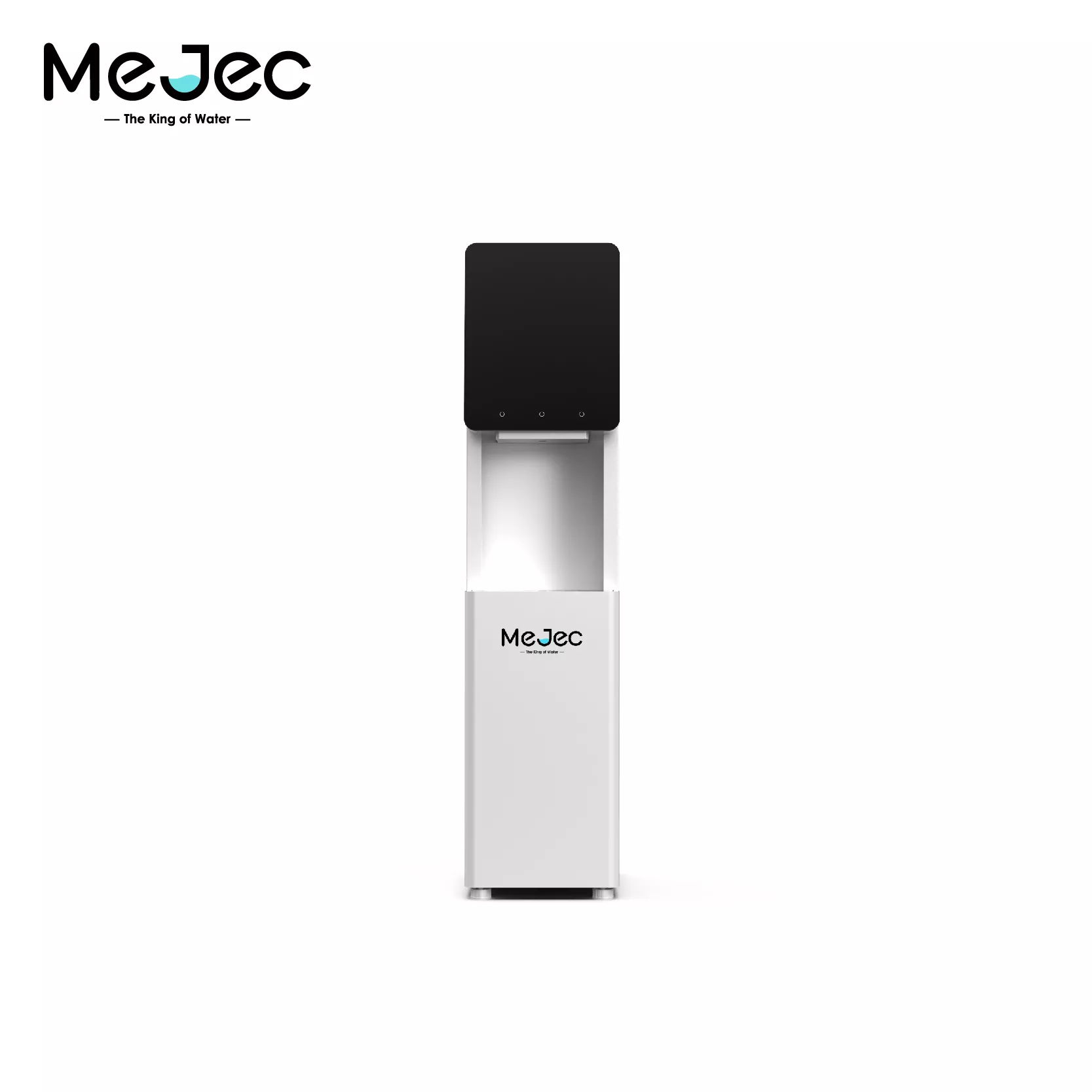
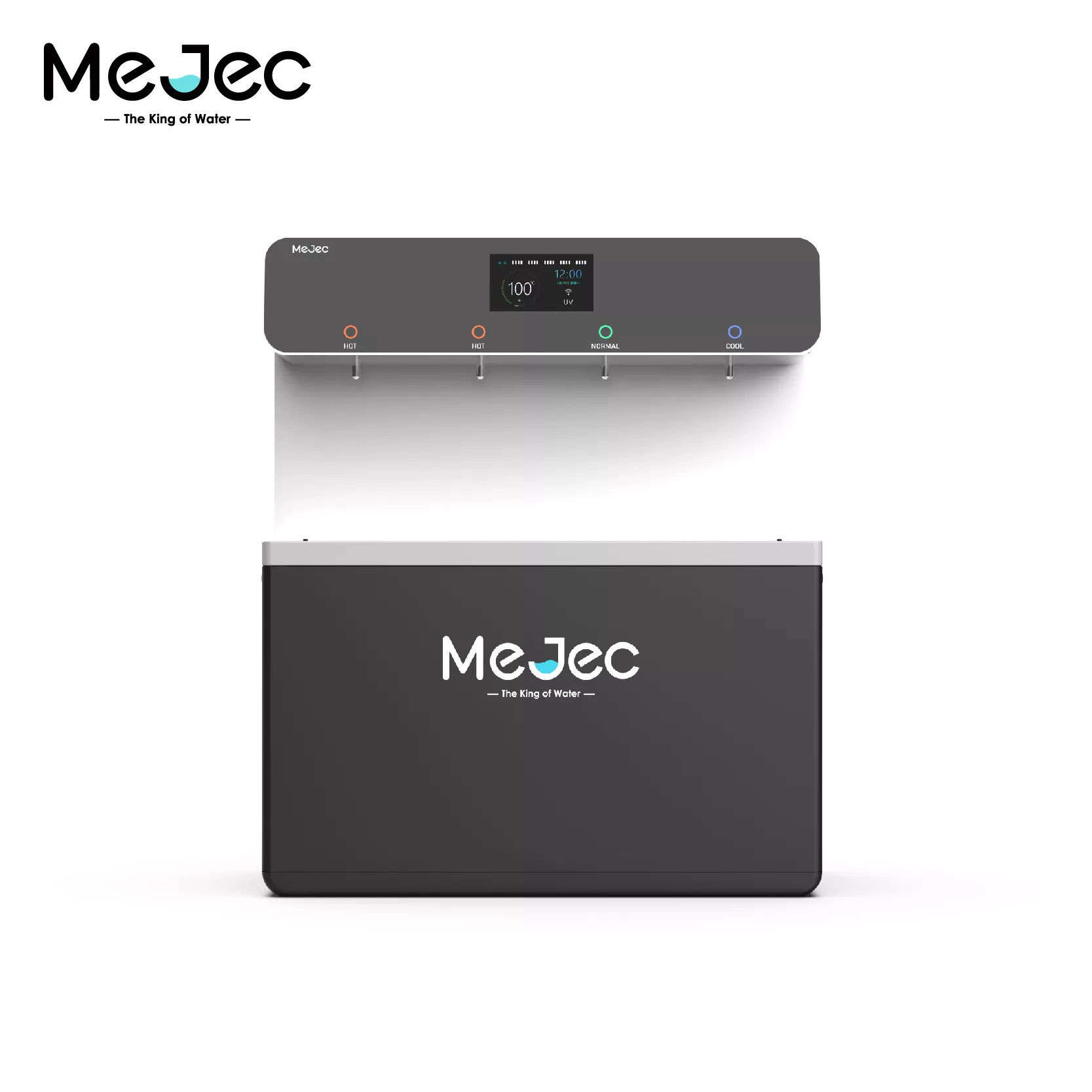
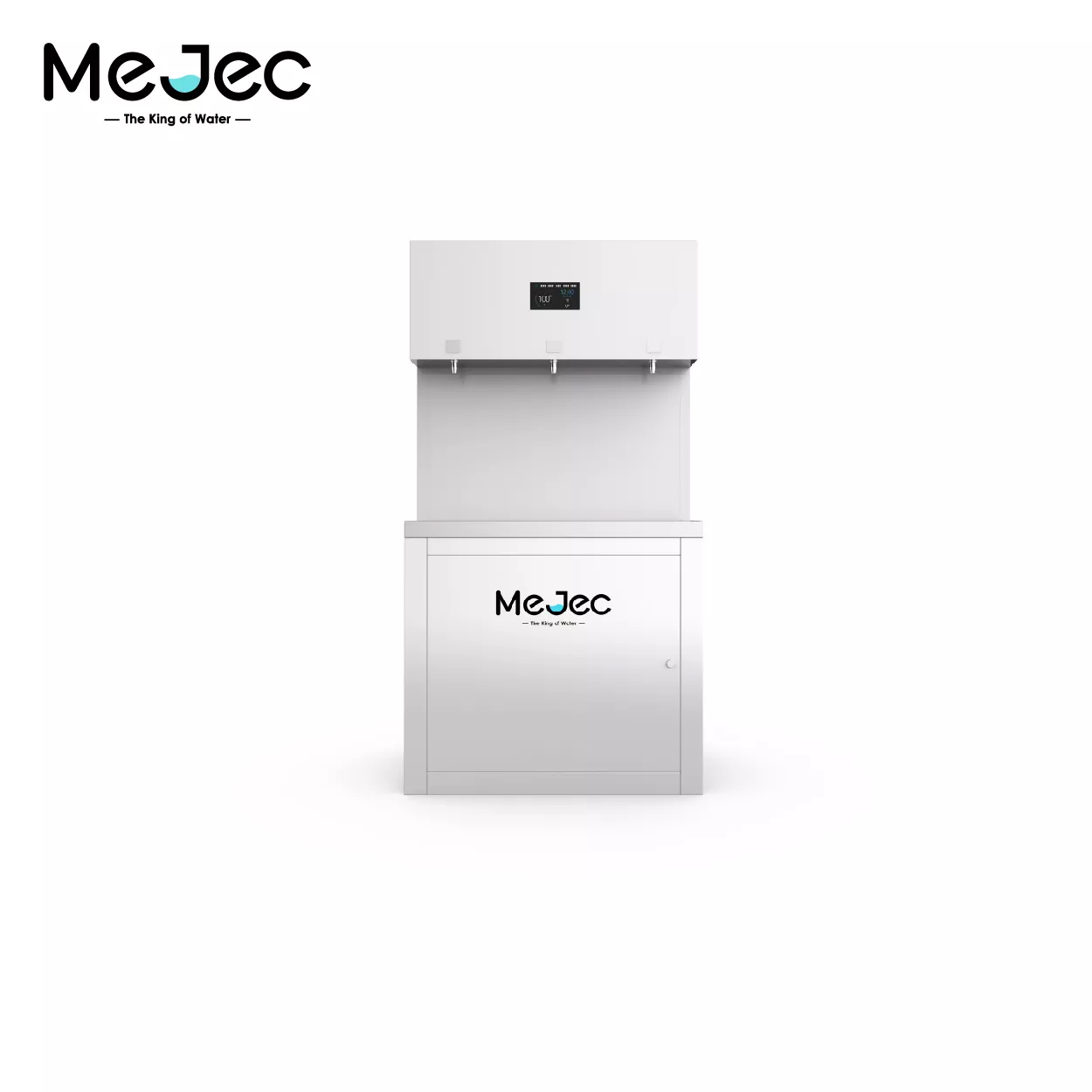
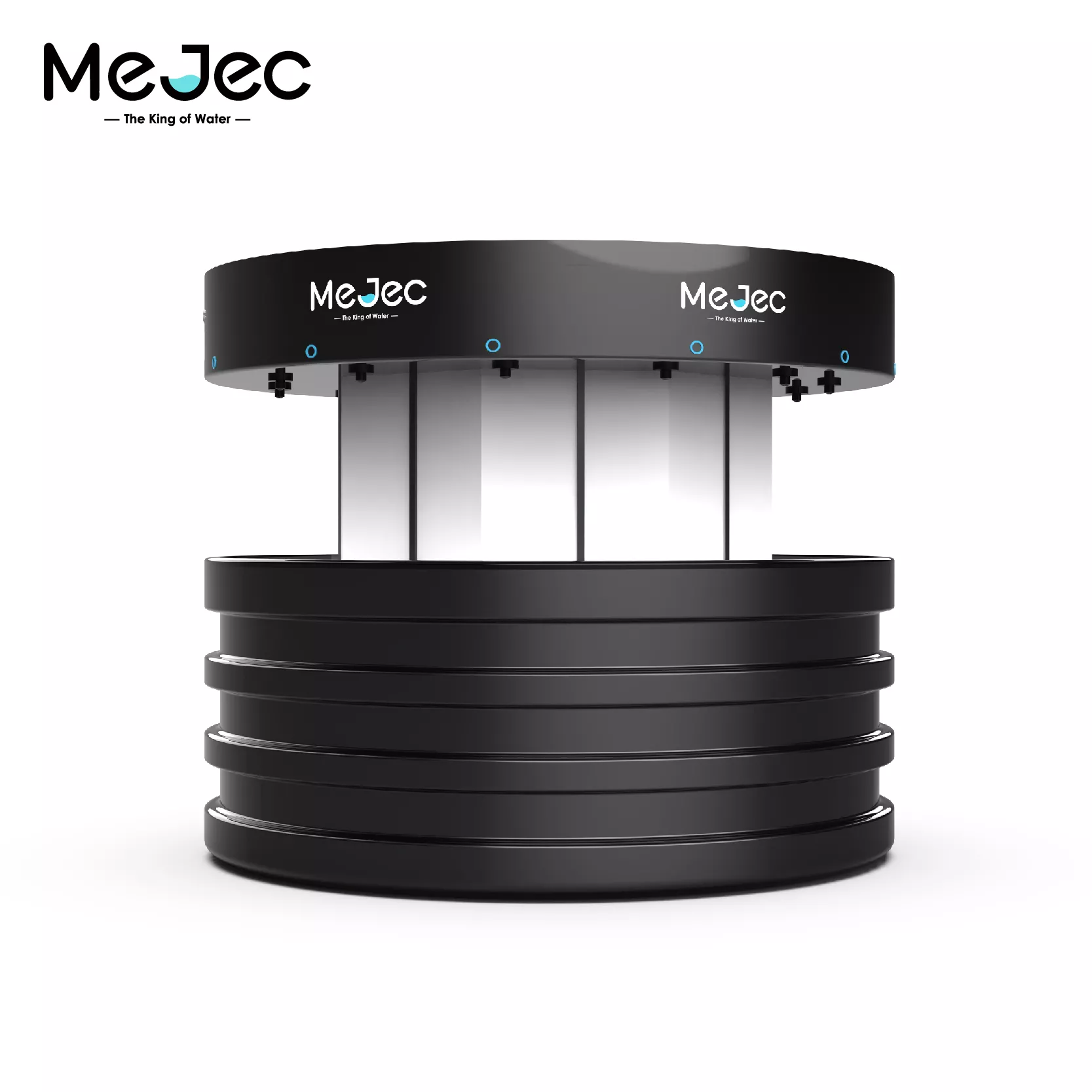
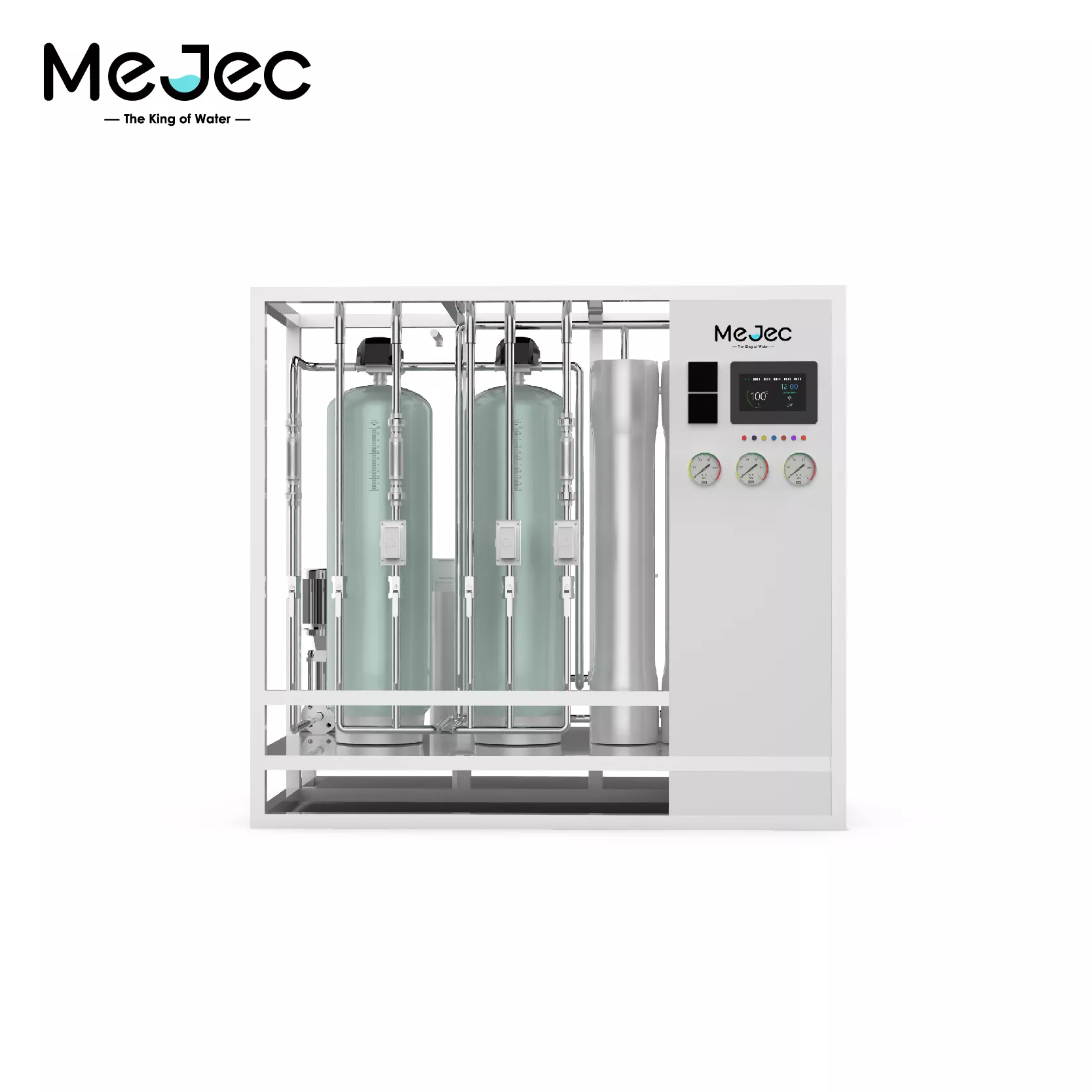
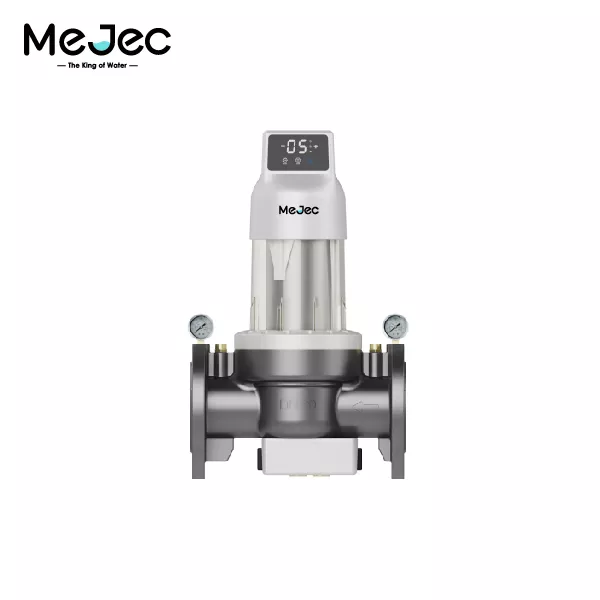
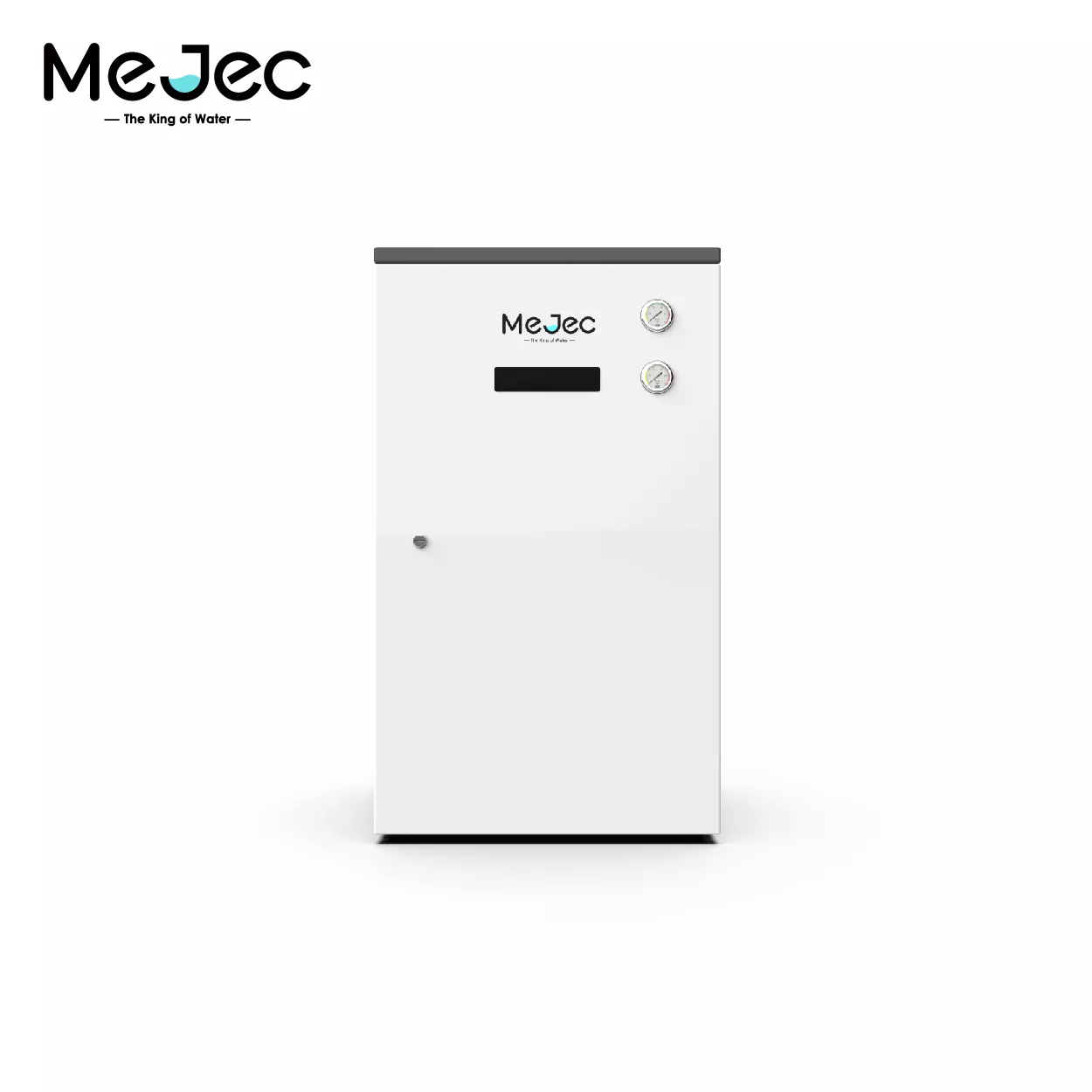
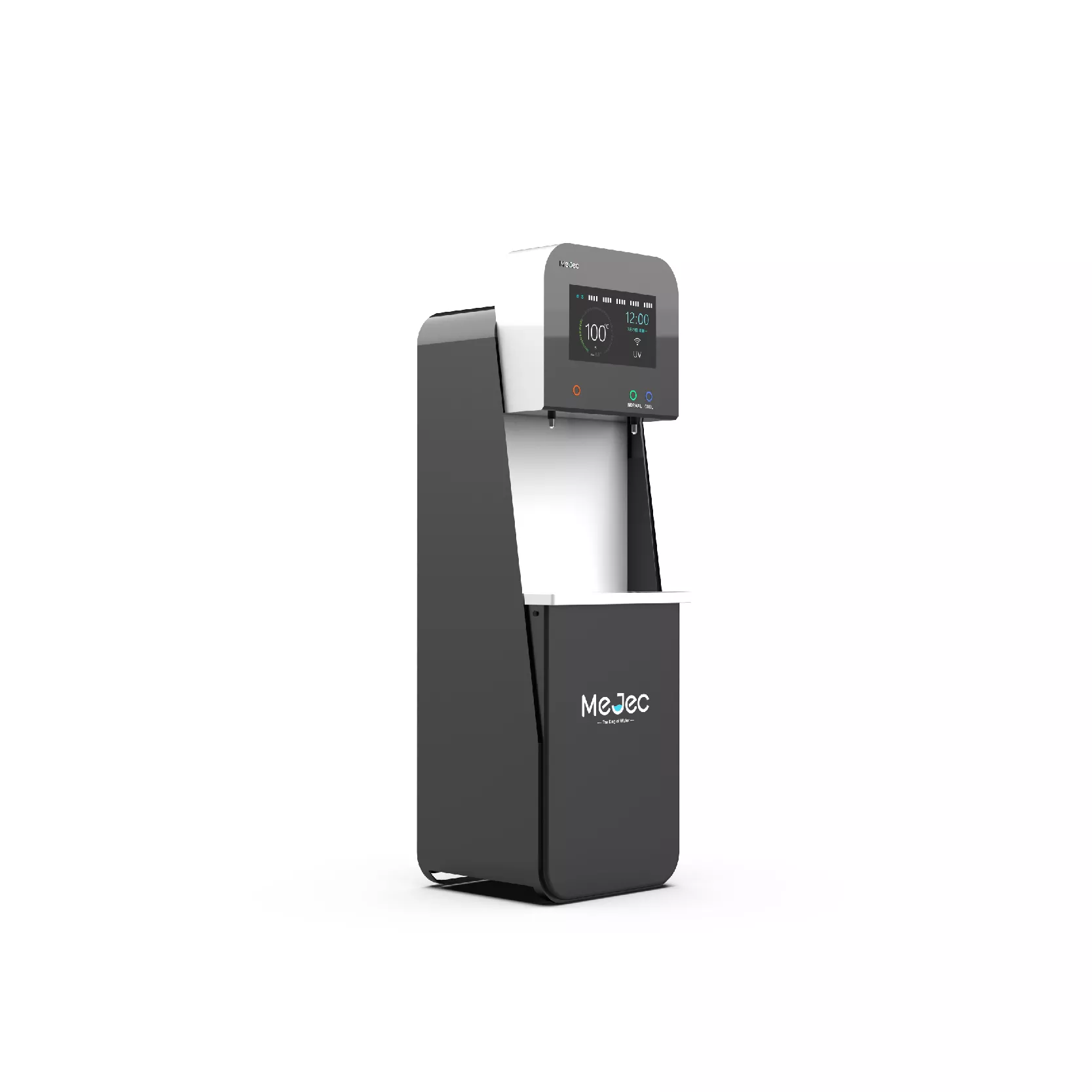
Selecting the right commercial water dispenser is crucial for both operational efficiency and customer satisfaction. Restaurant managers must prioritize reliability, water quality, and cost to ensure consistent service. Advanced features like multi-stage filtration, instant heating, and smart monitoring, seen in models such as Mejec, deliver exceptional value. Industry studies show that modern dispensers enhance customer satisfaction and efficiency.
Evidence Point | Description |
|---|---|
Customer Satisfaction | Customizable beverage options improve guest experience and health choices. |
Operational Efficiency | On-demand dispensing reduces waste and lowers costs. |
Technological Advancements | Smart monitoring and advanced technology support seamless maintenance. |
Key Takeaways
Estimate your restaurant's daily water needs by calculating guest numbers and average consumption to choose the right dispenser.
Select a water dispenser that matches peak demand to avoid service delays during busy hours and ensure customer satisfaction.
Prioritize dispensers with advanced filtration systems to maintain water quality and support health standards in your restaurant.
Consider the long-term value of energy-efficient dispensers, as they can significantly reduce operational costs over time.
Use a decision checklist to compare dispenser options, focusing on capacity, maintenance, and usability to make an informed choice.
Assessing Water Needs
Estimating Daily Usage
Understanding your restaurant’s water requirements is the first step in choosing the right commercial water dispenser. Every restaurant has unique business needs based on its size, menu, and customer flow. Start by calculating the average number of guests served each day. Multiply this by the estimated water consumption per guest, which includes drinking water and water used for food preparation.
Consider the following factors when estimating daily usage:
The type of restaurant you operate. Fine dining venues may require more water for both guests and kitchen operations.
The number of seats and average table turnover rate.
The variety of beverages offered, such as tea, coffee, or infused water.
Clean and safe water is essential for all restaurants. It impacts food quality and customer health. Reverse osmosis systems can remove up to 99% of dissolved solids, making them ideal for restaurants with strict water purity standards. Commercial filtration systems are designed to meet the demands of high-volume establishments, ensuring effective water treatment throughout the day.
Planning for Peak Demand
Restaurants often experience busy periods during lunch and dinner hours. Planning for these peak times is critical to avoid service delays and ensure customer satisfaction. Your water dispenser must match your business needs, especially when demand spikes.
Key considerations for peak demand include:
Choosing a dispenser format that fits your space and avoids congestion.
Confirming installation requirements, such as water line access, power supply, and drainage.
Evaluating the reliability and service responsiveness of the dispenser to minimize downtime.
Water dispensers that provide instant access to purified water help staff serve guests quickly. They also reduce plastic waste by offering customers clean drinking water on demand. Matching dispenser features to your business needs ensures smooth operations and supports long-term success.
Important Factors to Consider for Commercial Water Dispensers
Choosing the best commercial beverage dispenser for a restaurant involves more than just picking a model with advanced features. Restaurant owners must look at several important factors to consider before making a decision. These factors help ensure the dispenser matches the restaurant’s needs, supports efficient service, and fits the available space.
Factor | Description |
|---|---|
Capacity | Assess daily water demand and choose tank size and output rate for peak user volume. |
Maintenance | Understand maintenance requirements, including filter changes and sanitization protocols. |
Environmental Impact | Evaluate energy-saving modes and waste reduction capabilities of the dispenser. |
Ensure durability with stainless steel interiors and food-grade materials for hygiene. | |
Filtration System | Check filter life, replacement costs, and certifications against local water contaminants. |
Warranty & Service | Look for a minimum 1-year warranty; longer warranties indicate higher supplier confidence. |
Capacity and Output
Capacity stands as one of the most critical elements when selecting commercial beverage dispensers. Restaurants must estimate their daily water usage and plan for peak hours. A dispenser with the right capacity will keep up with customer demand during busy periods. If the capacity is too low, staff may struggle to serve guests quickly, leading to delays and frustration.
Volume and capacity requirements depend on the restaurant’s size, menu, and guest turnover. For example, a small café may need a unit with moderate capacity, while a large buffet or high-traffic restaurant will require a dispenser that can handle much higher output. The best commercial beverage dispenser should provide enough capacity to meet both regular and peak demand without frequent refilling or downtime.
Durability also plays a key role in long-term satisfaction. Dispensers with stainless steel interiors and food-grade materials last longer and maintain water quality. A durable design reduces the need for repairs and replacements, which helps control maintenance costs over time.
Installation and Space
Installation and space availability affect how well a commercial water dispenser fits into a restaurant’s workflow. Owners must measure the available space carefully to ensure the unit does not block walkways or crowd the kitchen. The location should allow easy access for cleaning and maintenance.
Aesthetics matter as well. A dispenser with a sleek design can enhance the restaurant’s ambiance and blend with the interior. Durability remains important here, as a well-built unit will withstand daily use and keep its appearance over time.
When planning installation, consider these steps:
Measure the available space to ensure there is enough clearance for cleaning and access.
Confirm that water supply lines are positioned correctly for the dispenser’s plumbing needs.
Check that drainage is adequate for high-volume discharge, especially in busy kitchens.
Level freestanding units to prevent drainage problems; secure wall-mounted models to strong supports.
Follow the manufacturer’s assembly instructions to maintain stability and warranty coverage.
Seal edges with caulking to prevent water damage, especially in tight spaces.
Use high-quality plumbing connectors and test for leaks to ensure reliable operation.
Choosing between freestanding and countertop commercial beverage dispensers depends on the restaurant layout. Freestanding models often suit larger spaces, while countertop units fit smaller kitchens or self-service stations. Easy access to water lines and power outlets is essential for smooth operation.
Selecting the right commercial beverage dispenser means balancing capacity, durability, and space availability. These factors help restaurants provide consistent service and maintain a pleasant environment for guests.
Features and Usability of Commercial Water Dispensers
Filtration and Purification
Commercial water dispensers use advanced filtration systems to ensure water quality. Multi-stage filtration combines sediment filters, activated carbon, and reverse osmosis to remove particles, chlorine, and harmful substances. Many commercial beverage dispensers also include UV sterilization, which neutralizes bacteria and viruses. These systems maintain performance over thousands of gallons and often feature filter life indicators for easy maintenance. Compared to single-stage systems, multi-stage filtration eliminates up to 99% of contaminants, improves taste, and supports higher water volumes. This technology is essential for restaurants serving various types of beverages, including cold beverage dispensers and hot beverage dispensers.
Temperature Options
Modern commercial beverage dispensers offer multi-temperature settings. Restaurants can provide hot, cold, or room-temperature water to meet customer preferences. Hot beverage dispensers deliver instant hot water for tea, coffee, or soups, while cold beverage dispensers supply chilled water for refreshing drinks. Commercial juice dispenser models often include both hot and cold options, allowing staff to serve a wide range of beverages efficiently. These features increase usability and enhance guest satisfaction.
Dispensing Mechanisms
Dispensing mechanisms affect hygiene and efficiency. Many commercial beverage dispensers now feature touchless systems, which reduce cross-contamination and improve cleanliness. Manual dispensers, such as lever-operated or push-button models, remain popular for their simplicity. The table below compares touchless and manual dispensers:
Feature | Touchless Dispenser | Manual Dispenser |
|---|---|---|
Hygiene Level | High | Moderate |
Initial Cost | $ - $$ | $ |
Maintenance Needs | Regular | Low |
Lifespan (Average) | 5–7 years | 3–5 years |
Best Use Case | High-traffic | Low-traffic |
Touchless dispensing is ideal for busy restaurants and high-traffic areas, especially for cold beverage dispensers and hot beverage dispensers.
User Interface and Controls
User-friendly interfaces make commercial beverage dispensers easy to operate. Touch controls and customizable settings allow staff to adjust temperature, portion size, and filtration options. Smart monitoring systems track filter life and alert managers to maintenance needs, improving efficiency and usability. Energy-efficient designs help reduce operational costs. Commercial juice dispenser units with intuitive controls support quick service and minimize errors. These features and usability improvements ensure reliable performance for both cold beverage dispensers and hot beverage dispensers.
Maintenance and Cleaning
Routine Upkeep
Routine upkeep is essential for maintaining hygiene and performance in commercial beverage dispensers. Staff should clean external surfaces daily with mild soap, paying special attention to high-touch areas. Nozzle sanitization is important for preventing bacteria buildup. Wiping nozzles with isopropyl alcohol before and after use helps maintain water safety. Drip trays require daily cleaning and disinfecting to stop bacterial growth. Water quality checks using TDS meters and pH test strips ensure the dispenser provides safe drinking water. Record-keeping supports consistent maintenance and helps schedule future checks. Many modern dispensers feature easy disassembly for cleaning, allowing staff to access internal components without difficulty.
Maintenance Practice | Description |
|---|---|
External Cleaning | Daily wipe-down of surfaces with a mild soap solution, focusing on high-touch areas. |
Nozzle Sanitization | Wipe with isopropyl alcohol before use and disinfect after each use. |
Filter Performance Monitoring | Regular visual inspections and flow rate tests to ensure filters are functioning properly. |
Water Quality Checks | Use TDS meters and pH test strips to verify water quality. |
Drip Tray Maintenance | Clean and disinfect daily to prevent bacterial growth. |
Record-Keeping | Maintain logs of maintenance activities to track performance and schedule future checks. |
Regular maintenance and cleaning help reduce downtime and lower operating costs. Proactive care extends the lifespan of commercial beverage dispensers and enhances customer experience by ensuring reliable service.
Filter Replacement and Monitoring
Filter replacement is a key part of maintenance for commercial beverage dispensers. Carbon filters usually need changing every 6 to 12 months. Sediment filters require replacement every 3 to 6 months in busy restaurants. Reverse osmosis prefilters last 6 to 18 months, while membranes can last up to two years. The actual schedule depends on water quality and usage volume. For example, some filters are designed for up to 3,000 gallons, which often lasts about six months in a standard commercial setting.
Filter Type | Replacement Frequency |
|---|---|
Carbon filters | Every 6 to 12 months |
Sediment filters | Every 3 to 6 months for commercial use |
Reverse osmosis | Prefilters every 6 to 18 months; membranes every 2 years |
Smart monitoring systems, such as LED status indicators, alert staff when filters need replacement. These systems help maintain hygiene and water safety by providing timely reminders. They also minimize downtime and reduce operational costs by identifying issues before equipment failure occurs. Smart alerts and monitoring features support efficient maintenance and cleaning routines in restaurants.
Tip: Choose commercial beverage dispensers with smart monitoring and easy disassembly for cleaning to simplify upkeep and ensure consistent water quality.
Why Choose Mejec High-End Commercial Direct Drinking Machine
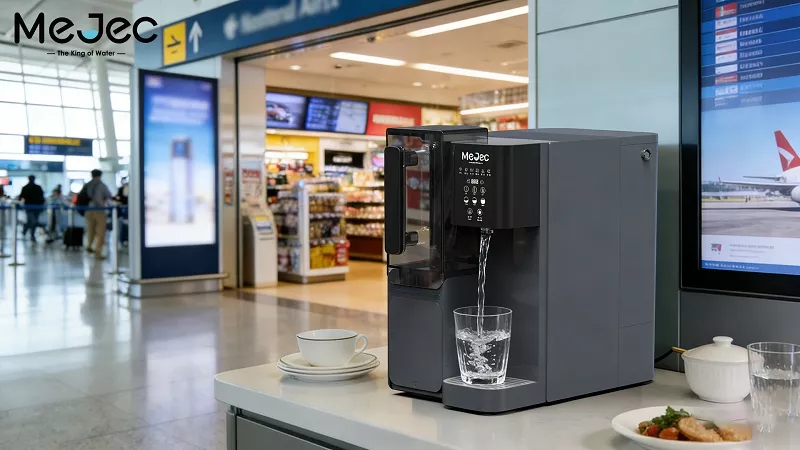
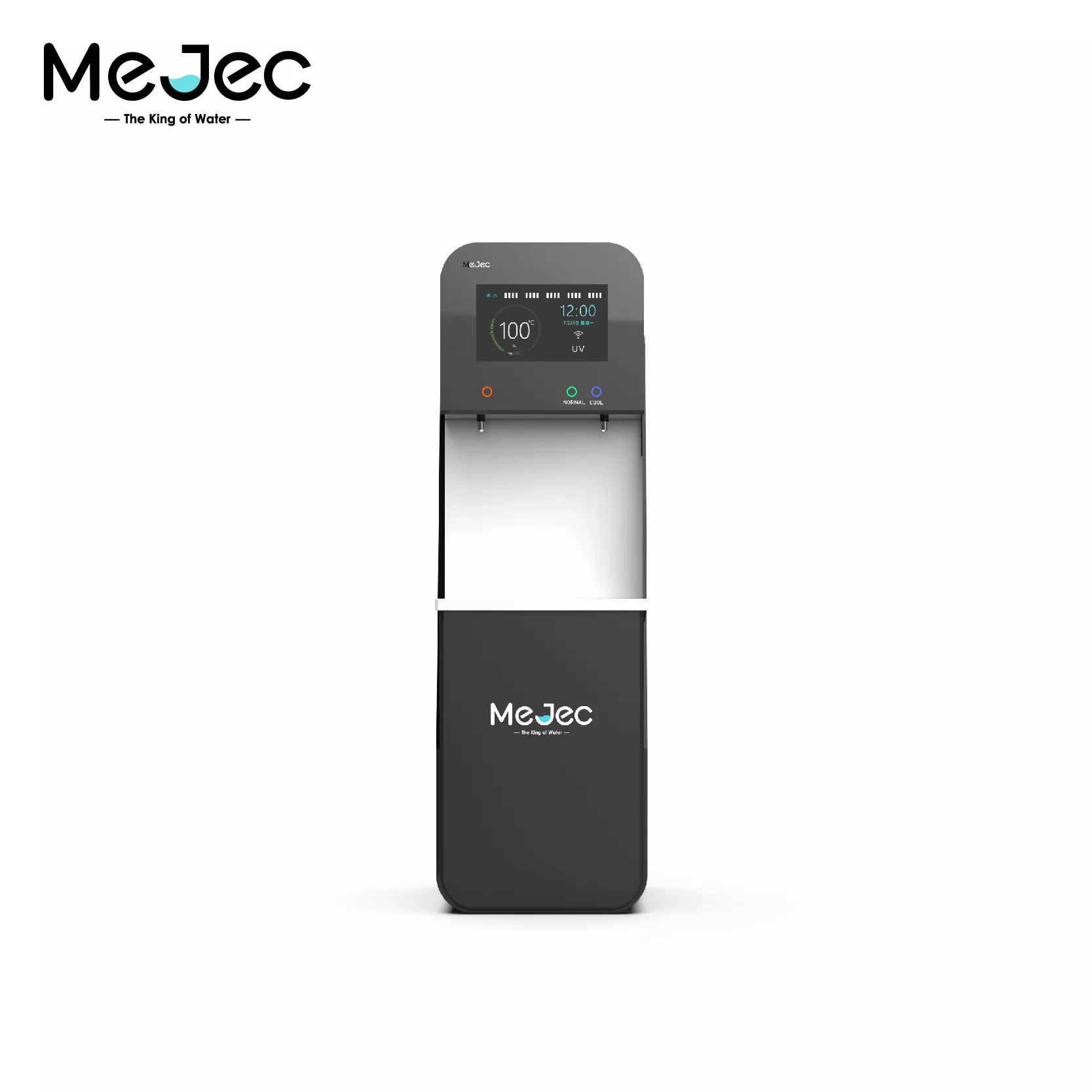
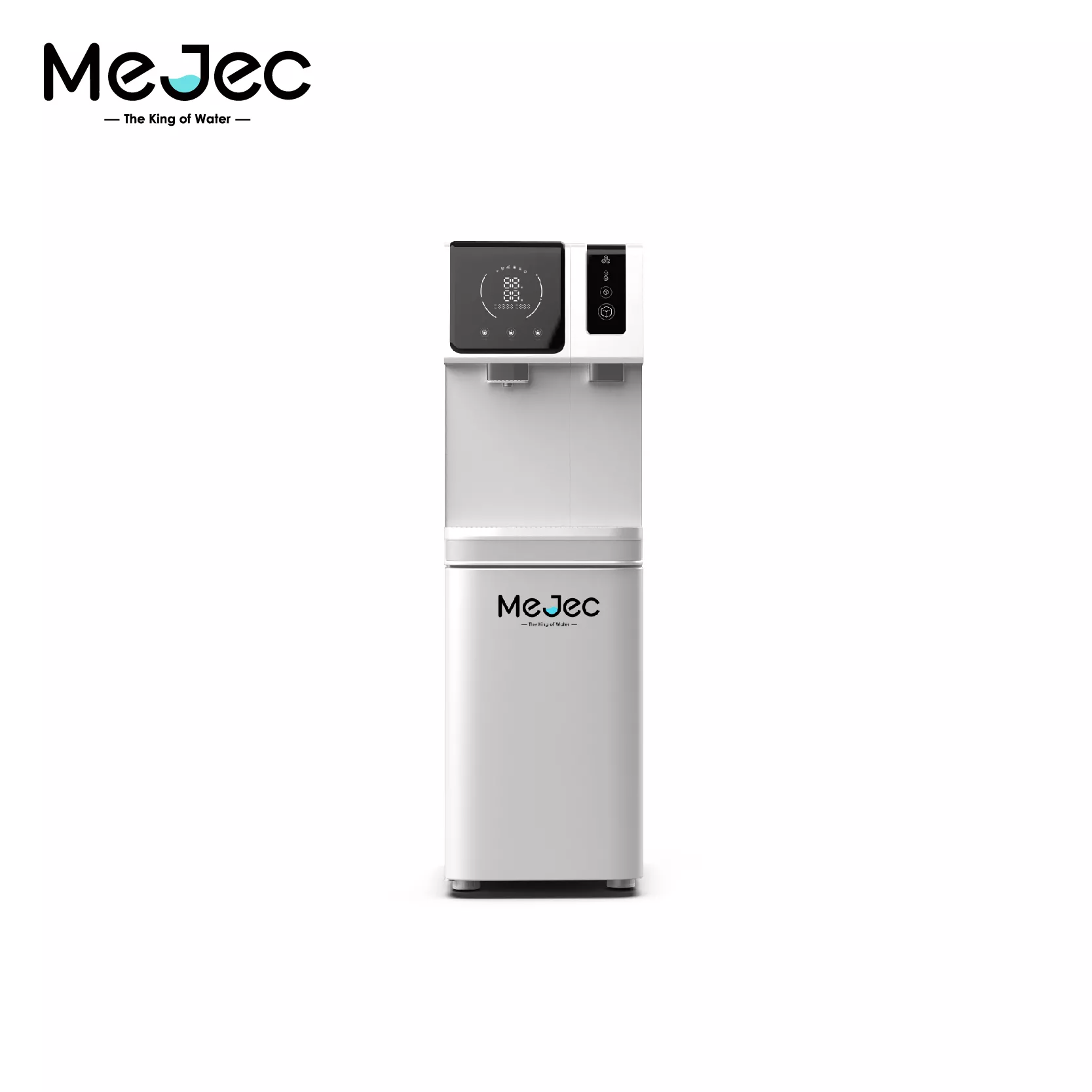
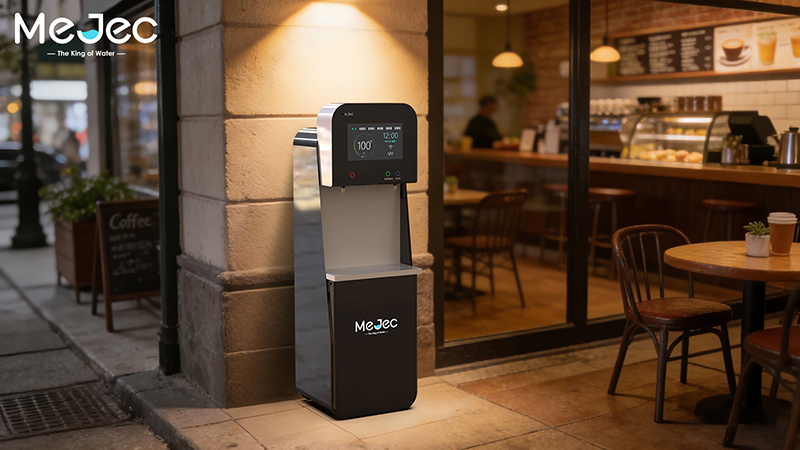
Selecting the best commercial beverage dispenser for a restaurant involves more than just the initial price. The Mejec High-End Commercial Direct Drinking Machine stands out as an energy-efficient commercial drink dispenser that delivers long-term value and reliability. Many restaurant owners focus on upfront cost, but ongoing efficiency and maintenance play a bigger role in total savings.
The following table compares Mejec with other leading commercial water dispenser options:
Feature | Mejec High-End Machine | Other Commercial Dispensers |
|---|---|---|
Upfront Cost | $850 | $27.90 - $430 |
Energy Savings Potential | 20-40% reduction | Varies by model |
Maintenance Frequency | Every 3-6 months (pre-filters), 12-24 months (RO membranes) | Varies by model and usage |
While the upfront cost of the Mejec machine is higher, its advanced technology leads to significant energy savings. The energy-efficient commercial drink dispenser design uses instant heating, which means water heats only when needed. This feature can reduce energy use by up to 40% compared to traditional systems that keep water hot all day. Over time, these savings can offset the initial investment and lower monthly bills.
Maintenance is another area where Mejec excels. The commercial water dispenser uses a smart monitoring system to track filter life and system status. Staff receive alerts when it is time to replace filters, which helps prevent breakdowns and keeps water quality high. The maintenance schedule is predictable, with pre-filters changed every few months and RO membranes lasting up to two years. This reduces downtime and supports efficient restaurant operations.
Restaurants that choose an energy-efficient commercial drink dispenser like Mejec benefit from lower operating costs, reliable performance, and consistent water quality. The combination of efficiency, smart features, and long-term value makes Mejec a strong choice for any business seeking the best commercial beverage dispenser for their needs.
Note: Investing in an energy-efficient commercial drink dispenser not only saves money but also supports sustainability goals.
Making the Final Choice
Decision Checklist
Choosing the right commercial beverage dispenser for your restaurant requires a systematic approach. A decision checklist helps you compare options and make an informed choice. Use the table below to guide your selection process:
Criteria | Description |
|---|---|
Volume and Capacity | Estimate the daily volume of water to determine the size and capacity of the dispenser. |
Space Availability | Evaluate the installation space to ensure the dispenser fits appropriately. |
Maintenance and Cleaning | Look for dispensers that are easy to clean and maintain hygiene standards. |
Cost | Consider the long-term value of the dispenser rather than just the initial purchase price. |
Features and Usability | Identify features that enhance usability, such as temperature control and portion control. |
Manufacturer Support | Ensure the manufacturer provides adequate support, including cleaning instructions and warranty. |
Restaurant owners should match dispenser features to their business needs. For example, capacity must meet peak demand, and stainless steel construction ensures durability and hygiene. Digital temperature controls help maintain beverage quality. Easy cleaning and NSF certification support food safety standards.
Tip: Consult with professionals or suppliers before making a final decision. They can help you compare models and recommend the best installation method for your space.
Common Mistakes to Avoid
Many restaurants make similar mistakes when selecting a commercial water dispenser. Avoid these pitfalls to ensure long-term satisfaction:
Ignoring peak demand and choosing a unit with insufficient capacity.
Overlooking the importance of easy cleaning and maintenance.
Focusing only on the initial price instead of considering total cost over time.
Selecting a dispenser without checking for proper certifications.
Not consulting experts for installation or model comparison.
Selecting the right commercial beverage dispenser means aligning features with your restaurant’s unique needs. Careful planning and professional advice help prevent costly errors and ensure reliable service for years to come.
Choosing the best commercial water dispenser starts with understanding your restaurant’s daily needs. Match dispenser features to your space, menu, and customer flow. Advanced options like multi-stage filtration, instant heating, and smart monitoring improve water quality and save energy.
Review your requirements with the checklist.
Consult experts for model selection and installation.
Investing in the right dispenser supports smooth operations and long-term savings. Make an informed choice for your restaurant’s success.
FAQ
What is the best way to estimate water needs for my restaurant?
Start by counting the number of guests served daily. Multiply this by the average water used per guest. Include water for cooking and cleaning. Adjust for busy hours.
How often should filters be replaced in commercial water dispensers?
Most filters need replacement every 3 to 12 months. Check the manufacturer's guidelines. Use smart monitoring systems to track filter life and receive alerts.
Are energy-efficient dispensers worth the investment?
Energy-efficient dispensers save money over time. They use less electricity and reduce monthly bills. Instant heating technology helps lower energy use.
Can I install a dispenser in a small kitchen?
Yes. Choose a countertop model for limited space. Measure the area before buying. Make sure there is easy access to water lines and power outlets.
What features improve water quality in dispensers?
Multi-stage filtration removes impurities like chlorine, heavy metals, and bacteria. UV sterilization adds extra safety. Look for dispensers with filter life indicators.