

.webp)


Trends in Water Dispenser for School Use in 2026
Staying hydrated is essential for student health and learning. Many schools now focus on advanced water dispenser for school solutions to boost hydration and safety.
Nearly 75% of students do not meet daily hydration needs, and 25% skip water daily.
Water dispenser for school upgrades help prevent dental issues and support better focus.
Administrators choose water dispenser for school models with strong filtration and regular testing.
Hydration stations and clear water sources encourage students to use water dispenser for school options more often.
Collaboration with parents and local authorities ensures every water dispenser for school meets safety standards and maximizes hydration benefits.
.webp)
Key Takeaways
Invest in advanced water dispensers with strong filtration systems to ensure clean drinking water for students.
Adopt touchless and smart water dispensers to enhance hygiene and reduce the spread of germs in schools.
Choose energy-efficient and bottleless dispensers to support sustainability and lower operational costs.
Growth Trends in Water Dispenser Market
Demand Drivers in Schools
The water dispenser market is experiencing strong growth trends in schools. Several factors drive this expansion:
Rising health consciousness among students and staff increases the need for clean drinking water. Many schools now focus on hydration to support learning and wellness.
The water dispensers market benefits from new technology. Smart features and energy-efficient models make these units more appealing and practical for school environments.
Hygiene and convenience have become top priorities. After the COVID-19 pandemic, schools prefer touchless water dispensers to reduce the spread of germs.
The global water dispenser market size grew from US$ 1.9 billion in 2020 to a projected US$ 3.1 billion in 2026. This growth shows a strong demand for hydration solutions.
North America leads the water dispenser market, with the united states water dispenser market holding about 38% of the share in 2026. Asia Pacific is the fastest-growing region, especially in India.
Schools see investment opportunities in upgrading their hydration stations. These investments help provide clean drinking water and support student health.
Regulatory Impact on School Hydration
Government policies shape the water dispenser market in schools. The following table shows how regulations affect hydration:
Evidence Type | Description |
|---|---|
State Plumbing Codes | These codes set the number of water dispensers per student in schools. |
School Nutrition Policies | Some policies require free access to clean drinking water, but adoption varies. |
Water Quality Monitoring | States have different rules for testing water quality in schools. |
Supportive policies, like the Water First program, increase water consumption by 15% among students. These regulations create more investment opportunities in the united states water dispenser market and encourage schools to prioritize hydration.
Technology Trends in Water Dispenser for School
Smart Water Dispenser Market Features
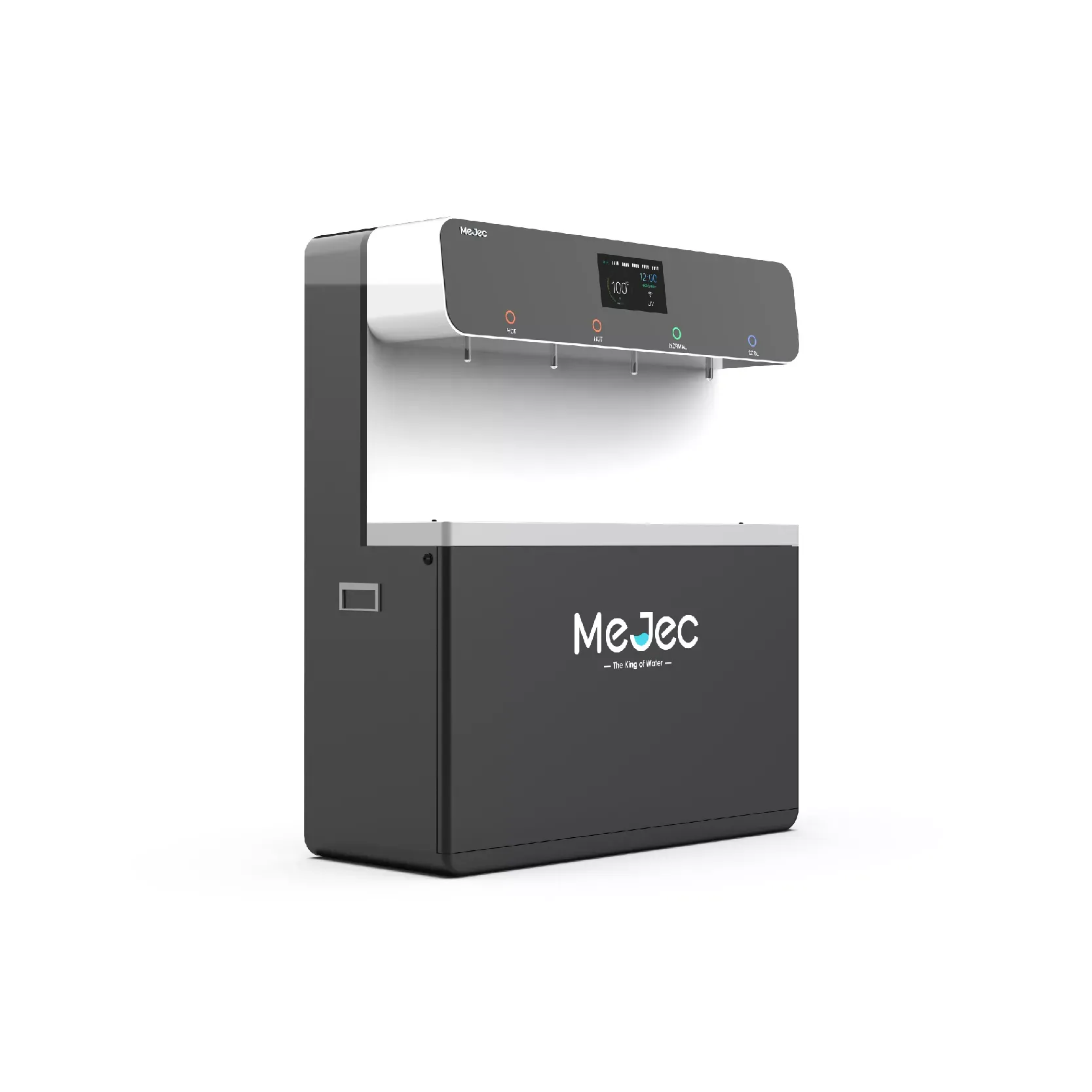
The smart water dispenser market is transforming school hydration. Schools now use smart water dispensers with advanced technology to improve safety and efficiency. These dispensers offer touchless operation, which helps prevent the spread of germs. Many models include IoT-enabled real-time monitoring, allowing staff to track water quality and usage from a central dashboard. Wi-Fi connectivity and mobile app integration let administrators check filter life and water consumption easily.
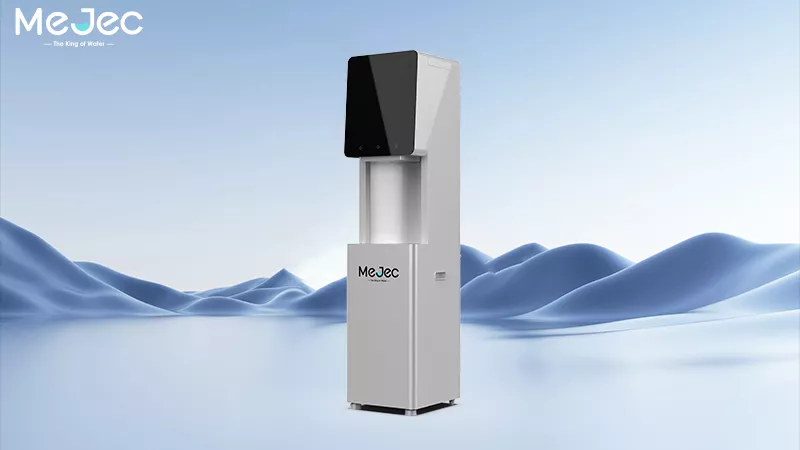
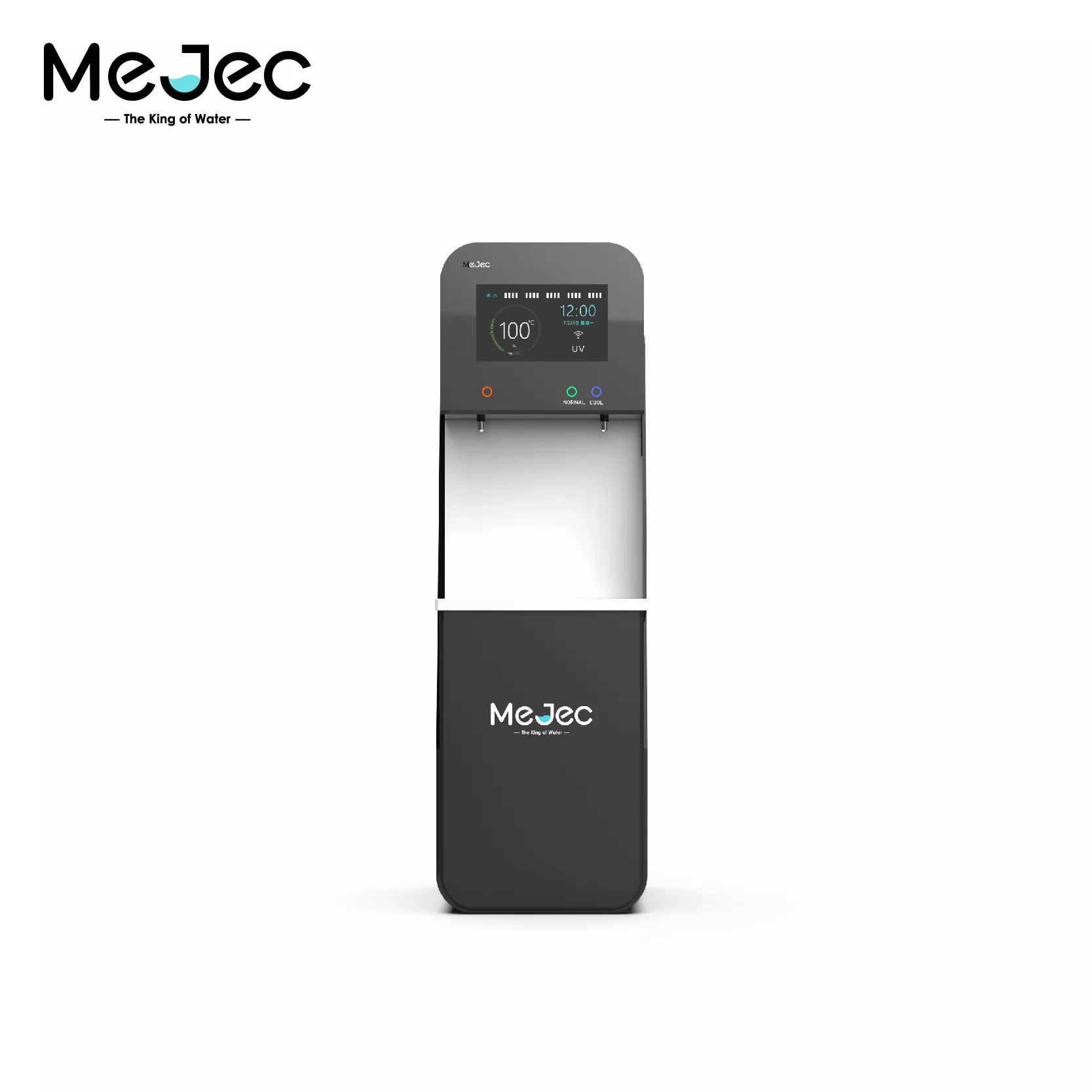
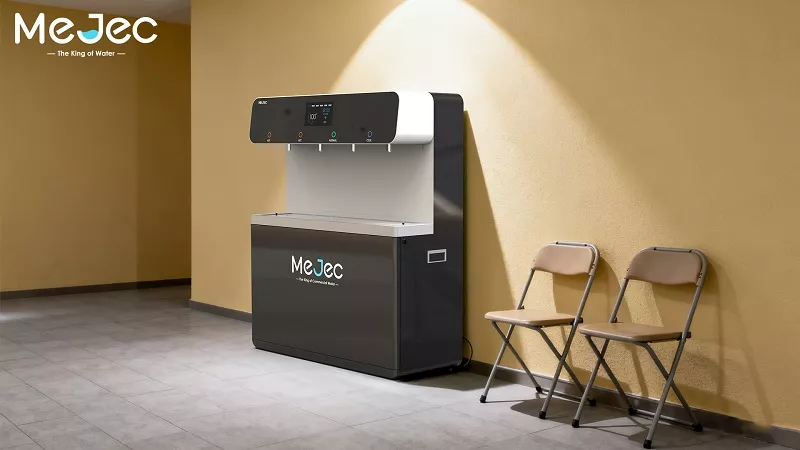
Smart water dispenser market features also include automated maintenance alerts. These alerts help schools respond quickly to issues and reduce downtime. The Home Intelligence Nexus, found in the Mejec High-Capacity Water Dispenser, monitors system health and filter status. This smart technology ensures that water dispensers work reliably and provide clean water at all times.
Schools value sustainability in the smart water dispenser market. Bottle-filling stations reduce plastic waste and support eco-friendly practices. Energy-efficient designs lower operating costs and help schools meet environmental goals. Durable, low-maintenance models are popular because they save money and time.
Tip: Smart water dispensers with real-time monitoring help schools detect leaks and fix problems before they become costly.
The smart water dispenser market continues to grow as schools seek hygienic, efficient, and sustainable hydration solutions.
Multi-Tap and High-Capacity Solutions
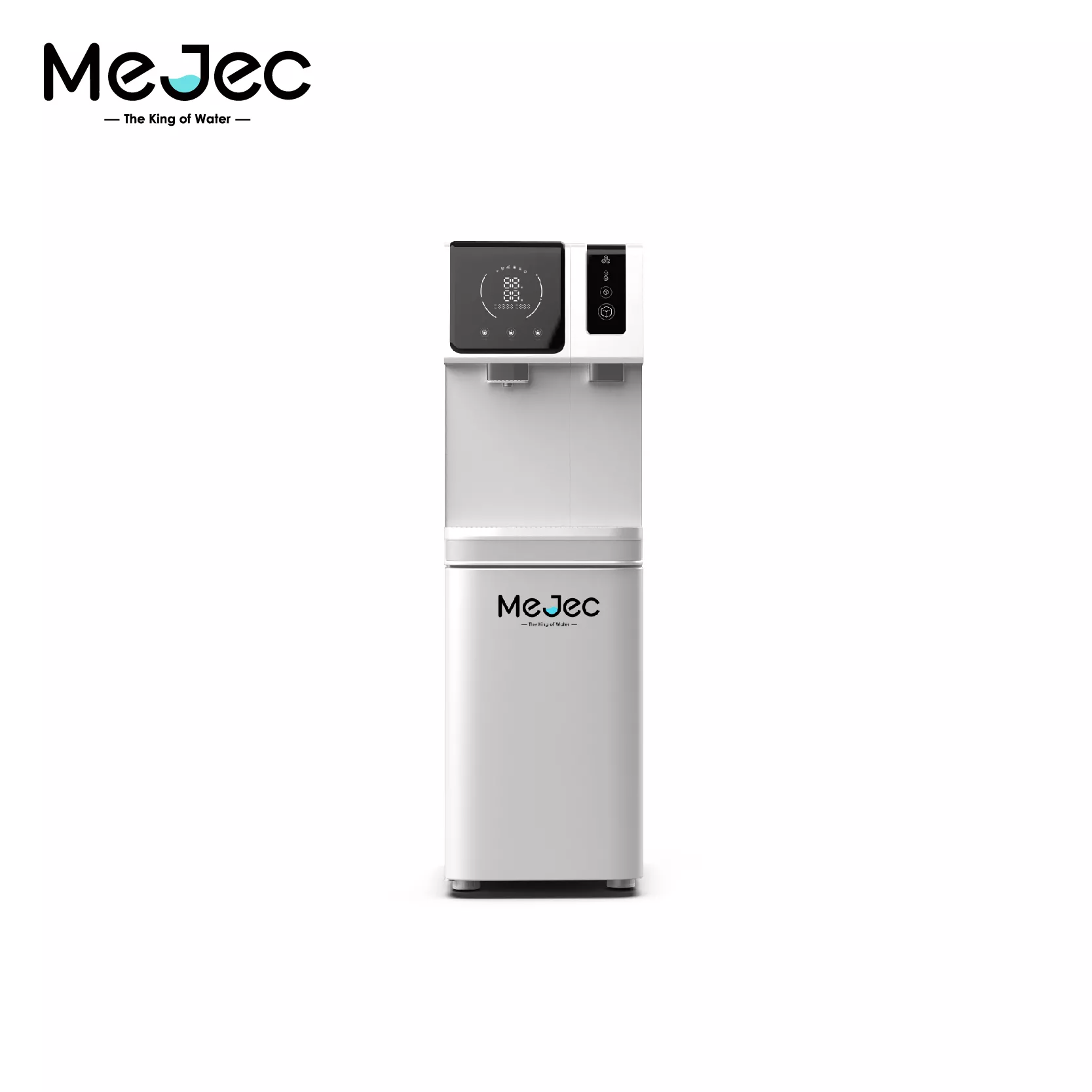
Multi-tap and high-capacity dispensers are becoming standard in the water dispenser market for schools. These solutions address common problems like long lines and overcrowding during lunch or breaks. The Mejec High-Capacity Water Dispenser features a large tank and multiple taps, allowing several students to fill bottles at once. This design improves access and reduces wait times.
Schools with large student populations benefit from high-capacity dispensers. The following table shows how different types of dispensers are used in schools:
Evidence Type | Description |
|---|---|
Water Dispensers Observed | 75 total dispensers across six schools |
Types of Dispensers | 46 coolers, 17 fountains, 12 bottle fillers |
Non-Functional Dispensers | 6 were empty or broken |
Student to Water Source Ratio | 4 schools met the 75:1 ratio |
Student Water Access | 0% to 50% drank water during lunch |
Popularity of Dispensers | Coolers and bottle fillers were more popular |
Access Issues | Long lines and overcrowding were barriers |
Multi-tap dispensers help schools meet recommended student-to-water source ratios. They also encourage more students to drink water throughout the day. High-capacity models, like those in the smart water dispenser market, support peak usage and provide instant access to cold or hot water.
Note: Multi-tap dispensers are ideal for high-traffic areas such as cafeterias, gyms, and hallways.
Advanced Filtration and Sterilization
Filtration and sterilization are key trends in the smart water dispenser market. Schools need dispensers that remove contaminants and ensure safe drinking water. Modern dispensers use multi-stage filtration systems to target microplastics, heavy metals, and other impurities. The Mejec High-Capacity Water Dispenser uses an 8-stage purification process with a reverse osmosis membrane. This system delivers clean, fresh water for students and staff.
UV sterilization is another important feature. It eliminates harmful microorganisms and improves water safety. Touchless operation, combined with UV sterilization, enhances hygiene and reduces the risk of illness. Schools are adopting these technologies to comply with safety regulations and protect student health.
The table below highlights new technologies in school water dispensers:
Technology Type | Description |
|---|---|
Advanced Filtration | Removes contaminants like microplastics and heavy metals |
UV Sterilization | Eliminates harmful microorganisms |
Touchless Operation | Enhances hygiene and reduces the spread of germs |
Energy-efficient designs and biodegradable filter components are also gaining popularity in the smart water dispenser market. These features help schools lower energy costs and reduce their environmental impact.
Smart monitoring systems play a vital role in maintaining water quality. They track usage, filter status, and system health. For example, a high school detected a water leak overnight using a smart monitoring system. The system sent an alert, and maintenance staff fixed the problem quickly. This technology helps schools prevent disruptions and manage costs.
Schools that invest in advanced filtration and smart monitoring benefit from safer, more reliable hydration solutions.
The smart water dispenser market is evolving rapidly. Schools now have access to dispensers that combine multi-tap convenience, high-capacity tanks, advanced filtration, UV sterilization, and smart monitoring. These innovations support student health, improve efficiency, and help schools meet regulatory standards.
Hygiene Innovations for School Water Dispensers
Touchless Operation
Touchless water dispensers are now common in schools. These hygiene-enhancing features help protect student health by reducing the spread of germs.
Touchless alternatives remove the need to touch surfaces, which lowers the risk of picking up germs.
Automatic faucets use sensors for hands-free operation, making hydration safer for everyone.
Traditional fountains often require pushing a bar, which can spread germs. Sensor-operated coolers help prevent this.
By using touchless technology, schools create a safer environment and support better health for students and staff.
UV Sterilization and Safety
UV sterilization is a key part of modern water dispensers. This technology uses light at 253.7 nanometers to inactivate many pathogens, including bacteria and viruses.
UV treatment damages the DNA or RNA of germs, stopping them from reproducing.
It is chemical-free and does not change the taste or smell of water, making it ideal for hydration in schools.
UV systems are compact and energy-efficient, fitting well into school settings.
Proper maintenance of UV systems is important for reliable performance. These systems are trusted in hospitals and food production, showing their value for school health and safety.
Maintenance and Cleaning Protocols
Regular cleaning and disinfection of water dispensers are vital for health. Experts recommend disinfecting dispensers every two to four weeks. High-use areas may need more frequent cleaning to prevent biofilm and contamination. Studies show that poor maintenance can lead to higher contamination levels. Schools often measure the effectiveness of hygiene innovations by checking design, construction, and function. High scores for safety and maintainability show that these protocols work well.
Tip: Consistent maintenance routines help ensure safe hydration and protect student health all year.
Sustainability in School Water Dispenser Use
Bottleless Systems and Plastic Reduction
Sustainability is a top priority in the water dispenser market for schools in 2026. Many schools now choose bottleless water dispensers as sustainable alternatives to traditional bottled water coolers. These systems filter tap water on-site, which helps eliminate plastic waste and supports sustainability initiatives. By removing the need for plastic bottles, schools reduce their environmental impact and show environmental consciousness.
Switching to bottleless systems also brings other benefits. Schools no longer need to store large water bottles or schedule deliveries. This change frees up storage space and simplifies logistics. It also lowers the carbon footprint by reducing the number of delivery trucks needed. Students and staff get fresh, filtered water directly from the dispenser, which promotes healthier hydration.
Schools that adopt bottleless water dispensers help protect the environment and set a positive example for students.
Energy Efficiency
Energy efficiency is another key trend in the water dispenser market. Schools look for models that save energy and support sustainability goals. Energy Star®-certified water dispensers use at least 22% less energy than standard models. These units often include touchless sensors and temperature controls, which further reduce energy use.
Long-term cost savings are a major advantage of sustainable solutions. Energy-efficient dispensers can cut energy costs by 30-50% each year. Schools often recover their initial investment within two years. Lower operating costs and fewer repairs also support sustainability initiatives and help schools meet their sustainability targets.
Energy-efficient water dispensers reduce energy use and costs.
Bottleless systems cut plastic waste and support a cleaner environment.
Both options help schools lead in sustainability and responsible resource use.
User Experience and Customization
Accessibility for All Ages
Modern water dispensers in the water dispenser market focus on accessibility for everyone. Schools install dispensers at different heights to help students of all ages and abilities. Proper placement allows easy bottle refills, which prevents dehydration and supports better focus in class. Many units use ergonomic features so students do not need to bend or stretch. Safety features also protect younger children and those with disabilities.
Top-loading mechanisms make refills simple for both children and adults.
Ergonomic dispensing areas reduce strain and improve comfort.
Safety locks and controls prevent accidents.
These improvements help schools create inclusive environments and encourage healthy hydration habits.
Custom Design and Branding
Customization is a growing trend in the water dispenser market. Schools want dispensers that match their colors, logos, and events. The Mejec High-Capacity Water Dispenser offers flexible design options to fit any school’s style. Custom branding helps promote school spirit and makes hydration stations more visible.
Customization Option | Description |
|---|---|
Branded Glass Bottles | Practical, reusable merchandise that showcases school branding. |
Custom Designer Bottles | Ideal for events, offering a personal touch with various water types. |
Schools report that custom dispensers increase the use of reusable bottles and reduce waste from disposable bottles.
Intuitive Controls and Monitoring
User-friendly controls are essential in the water dispenser market. The Mejec dispenser features a touch control panel that is easy for all ages to use. The Home Intelligence Nexus provides real-time updates on water quality and filter status.
Feature | Description |
|---|---|
Real-time updates | Users receive live updates on water quality metrics. |
Alerts for pH readings | Notifications are sent when pH levels are unsafe. |
Notifications for turbidity | Alerts inform users about elevated turbidity levels. |
Remote monitoring | Staff can manage water quality from anywhere. |
These features support personalized hydration solutions and ensure safe, reliable access to water for everyone.
Regional and School-Specific Insights
Urban vs. Rural School Needs
Urban schools often have newer infrastructure and more funding. These schools can install advanced water dispensers with smart monitoring and touchless features. Rural schools may face challenges with older plumbing and limited budgets. Many rural institutions rely on traditional fountains or basic dispensers. State plumbing codes require at least one fountain per 100 students, but some rural schools struggle to meet this standard. In Western states, arid climates make water supply a concern. Schools in these regions focus on conservation and choose dispensers that use less water. Climate and infrastructure shape the options available for hydration in educational settings.
Tip: Schools in dry regions benefit from dispensers with efficient filtration and conservation features.
Adaptations for Different School Levels
Water dispenser needs change across elementary, middle, and high schools. Younger students require easy-to-use dispensers at lower heights. Safety locks and simple controls help prevent accidents. Older students prefer bottle-filling stations and multi-tap units for quick access between classes.
In New Jersey, 74.5% of elementary schools had water fountains.
Middle schools had 69.8%, and high schools had 72.1%.
The average was 0.6 fountains per 100 students, below the recommended level.
Schools with bottleless dispensers saw 20% higher water consumption.
Schools that upgrade to modern dispensers support better hydration and health. These adaptations help institutions meet the needs of all students and improve the overall education environment.
Key trends in school water dispensers for 2026 include energy-efficient designs, smart features, advanced filtration, touchless operation, and eco-friendly materials.
Choose dispensers with strong filtration and bottle refill stations.
Place units in accessible locations.
Select ADA-compliant, low-flow models to support hygiene, sustainability, and user comfort.
FAQ
What features should schools look for in a water dispenser?
Touchless operation
High-capacity tank
Smart monitoring
Energy efficiency
These features help schools provide safe and reliable hydration.
How do smart water dispensers improve school safety?
Smart dispensers monitor water quality, send maintenance alerts, and reduce touchpoints. These features help prevent contamination and keep students healthy.
Are bottleless water dispensers better for the environment?
Feature | Benefit |
|---|---|
Bottleless | Reduces plastic waste |
Energy-saving | Lowers energy use |
Bottleless systems support sustainability and help schools protect the environment.

.webp)