


.webp)


Water Purifier for Iron and Salty Water
The best water purifier for iron and salty water uses advanced filtration to target these specific contaminants. Selecting the right system protects your health and improves daily life. Iron and salt in water can cause several issues:
Hard water may influence cardiovascular health and lead to growth problems.
Acidity affects mineral reabsorption in the body.
High mineral content can impact reproductive health.
Testing your water helps you choose the most effective solution. Brands like Mejec offer innovative options for clean, safe water.
Key Takeaways
Testing your water is essential. Use home kits for quick checks or send samples to labs for detailed analysis.
Choose the right water purifier based on your specific needs. Iron removal filters work for high iron levels, while reverse osmosis is best for salty water.
Regular maintenance is key. Replace filters every 3 to 6 months and monitor salt levels in systems to ensure optimal performance.
Consult professionals for guidance. They can help interpret test results and recommend the best purification system for your home.
Investing in a quality water purifier improves health and daily comfort by ensuring clean, safe drinking water.
Iron and Salty Water Issues

Health and Taste Concerns
Water with high levels of iron or salt can affect both health and daily comfort. Some people notice a metallic or bitter taste in their drinking water. This often comes from old iron pipes or high sodium and chloride levels. These minerals can make water less pleasant to drink. Magnesium in water is usually seen as positive, while calcium is neutral, but sodium and chloride often lower the taste quality.
Health risks also exist. People with Iron Overload Disease, also called hemochromatosis, face serious dangers if they consume water with too much iron. This can damage the liver, heart, and other organs. Signs of iron overload may include skin darkening. Even for healthy people, iron in water can stain laundry and fixtures, making daily chores harder.
Tip: The World Health Organization recommends keeping iron below 0.3 mg/L in drinking water. For sodium chloride, the upper limit is 600 mg/L in some countries.
Effects on Appliances and Plumbing
Iron and salty water can cause expensive damage to home systems. Rust particles may stain sinks and bathtubs. Calcium buildup can appear on plumbing fixtures. High iron levels often lead to cloudy or murky water, which raises concerns about water quality.
Saltwater is especially harsh on metal parts in appliances. At concentrations above 250 mg/L, sodium chloride can corrode dishwashers, washing machines, and pipes. Older plumbing, especially cast iron, is at risk for rust and long-term damage. Replacing cast iron pipes can cost between $10,000 and $30,000. In severe cases, total repairs may reach $50,000 to $150,000.
How to Identify Iron or Salt in Water
Testing water for iron and salt is important before choosing a purifier. Homeowners can use several methods:
Testing Level | Description |
|---|---|
Level 1 | Use your senses to spot signs like discoloration or a metallic taste. |
Level 2 | Try DIY test kits, such as Iron Test Strips or LaMotte kits, for more accurate results. |
Level 3 | Send samples to an accredited lab for certified analysis. |
Regular testing helps ensure safe, clean water for your household.
Water Purifier Technologies
Iron Removal Filters
Iron removal filters play a crucial role in improving water quality for homes affected by high iron content. Several types of filters are available:
Iron Removal Plants: These large-scale systems purify water for public facilities and communities.
The Iron Water Filter System: Designed for residential and commercial use, these filters eliminate iron and sediments.
Reverse Osmosis Water System: Common in households, this system separates iron and other contaminants from drinking water.
Chemical and Biological Iron Removal Systems: These use chemical and biological processes to remove iron efficiently.
Clarifier Systems: Effective for reducing heavy solids, especially in water with high iron levels.
The media products used in iron filters, such as greensand and manganese dioxide, help oxidize iron for removal. Brands like Iron Pro Max, APEC, and SpringWell AIO offer reliable solutions for iron filtration. Homeowners should consult a water treatment professional to determine the best iron removal system for their specific needs.
Annual servicing of the media tank is recommended. The average lifespan of filter media in areas with high iron levels is about 5 years, though it can range from 2 to 10 years. Regular replenishment with potassium permanganate keeps the filter working efficiently.
Reverse Osmosis for Salt
Traditional water purifiers often fail to remove dissolved salts from water. Specialized solutions like reverse osmosis are necessary for salty water. Reverse osmosis uses a membrane to separate salts and other contaminants, making it ideal for coastal homes and areas with saline water.
Criteria | Reverse Osmosis (RO) | Distillation |
|---|---|---|
Water Quality | Removes salts, minerals, bacteria, viruses, and more | Produces high-purity water; some gases may remain |
Energy Efficiency | Energy-efficient compared to distillation | More energy-intensive due to heating |
Cost-Effectiveness | Equipment and installation costs; improved over time | Higher ongoing expenses due to energy use |
Reverse osmosis systems demonstrate high desalination rates and greater water production volume. Energy consumption is a key factor, as pressure must be applied to the water. Advances in technology aim to reduce energy use and make desalination more accessible.
Ion Exchange Systems
Ion exchange systems remove specific impurities from water, including calcium, magnesium, sodium, potassium, chloride, fluoride, nitrate, sulfate, and heavy metals like lead and mercury. These systems use resins to swap unwanted ions for harmless ones, improving water taste and odor.
Ion exchange systems are effective for many contaminants.
They require regular maintenance, such as salt refills and periodic cleaning.
They are not designed to remove bacteria and viruses, so they are often paired with other filtration methods.
System Type | Installed Cost | Lifespan | Maintenance Needs |
|---|---|---|---|
Salt-Based (Ion Exchange) | $800 to $2,500 | About 10 to 15 years | Moderate (salt refills, periodic cleaning) |
Dual-Tank or Hybrid | $1,500 to $3,500 | 15 or more years | Moderate upkeep |
Ion exchange systems work well for desalinating brackish and seawater. They are used in homes, boats, and emergencies.
Pros and Cons of Each
Choosing the right water purifier depends on the contaminants present and the needs of your household. Here is a comparison:
Category | Iron Removal Filters | Reverse Osmosis (RO) | Ion Exchange (IX) |
|---|---|---|---|
Variety of Contaminant Removal | Removes iron and sediments | Removes broad range of contaminants | Selectively removes targeted ions |
Purity of Treated Water | Improves clarity and taste | Produces extremely pure water | Leaves some minerals if desired |
Cost Considerations | Moderate maintenance costs | Higher capital and operating costs | Lower operational costs |
Maintenance | Annual servicing, media replacement | Membrane replacement, energy use | Salt refills, periodic cleaning |
Note: Traditional water purifiers are not effective for salty water. Specialized systems like reverse osmosis and ion exchange are recommended for removing dissolved salts.
Innovative Solutions from Mejec
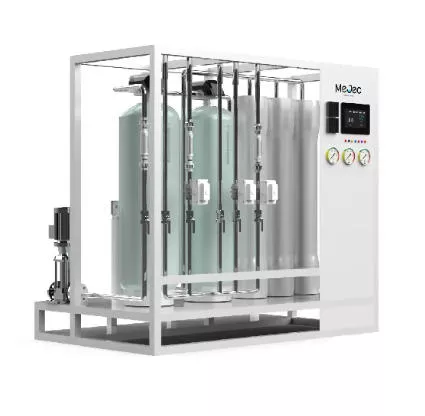
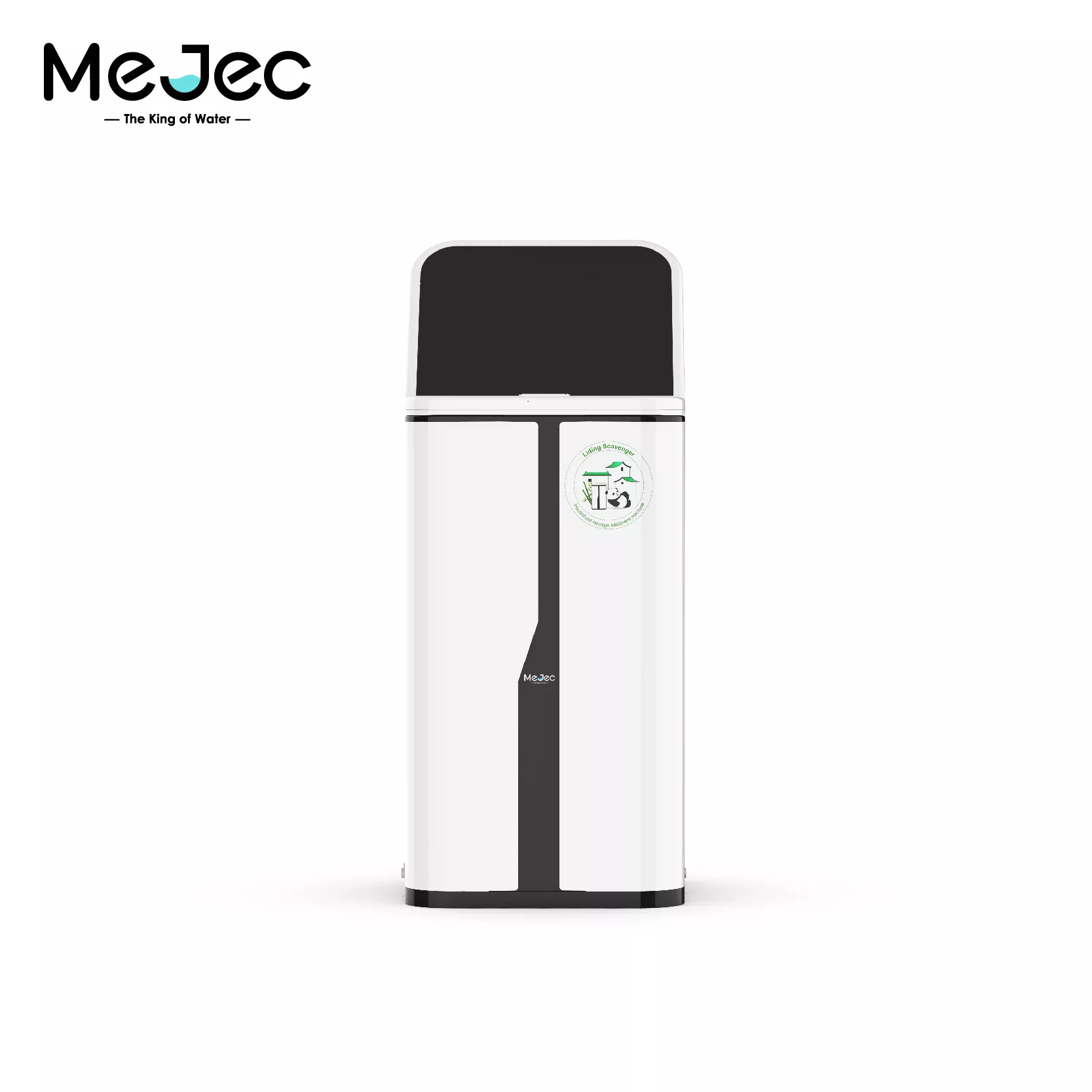
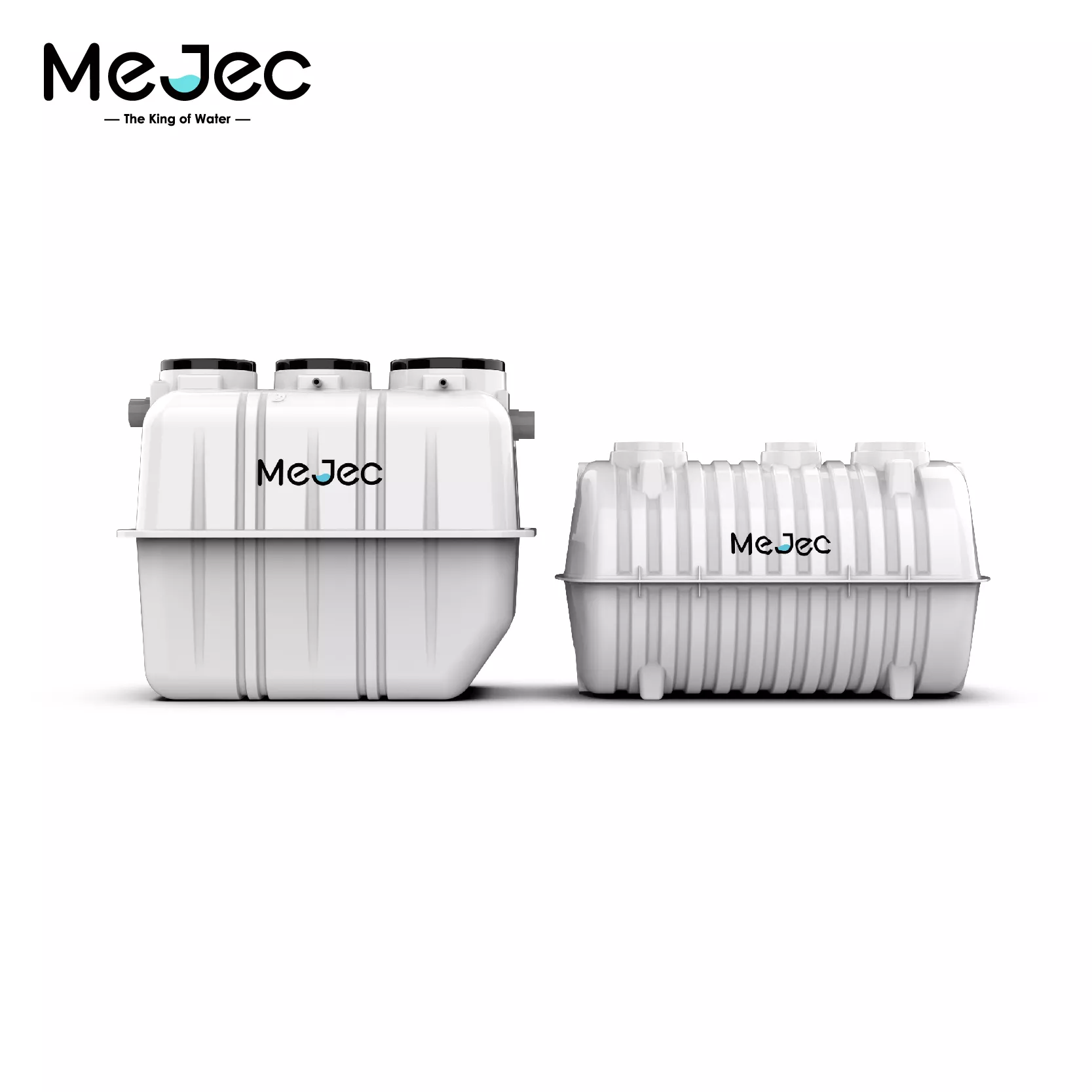
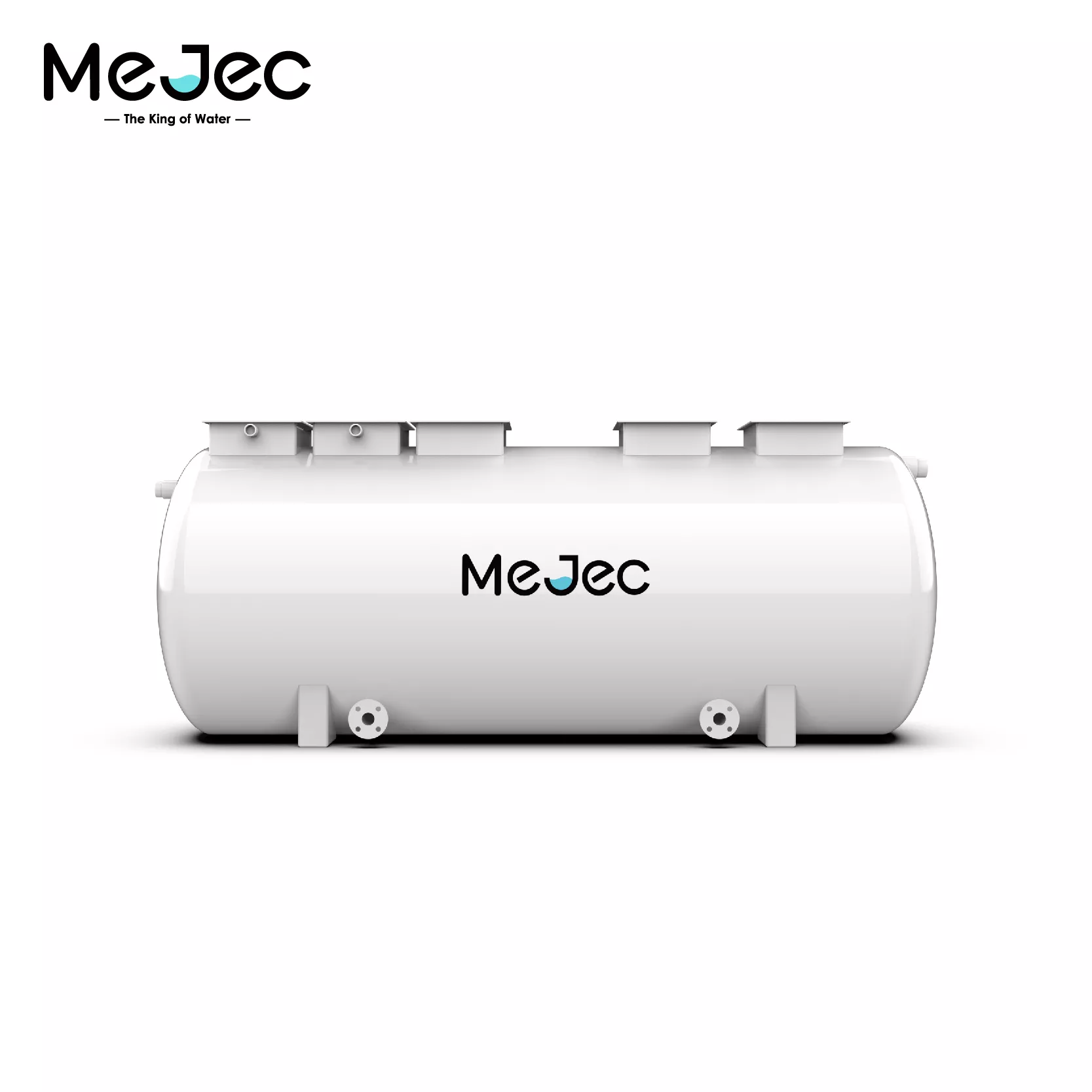
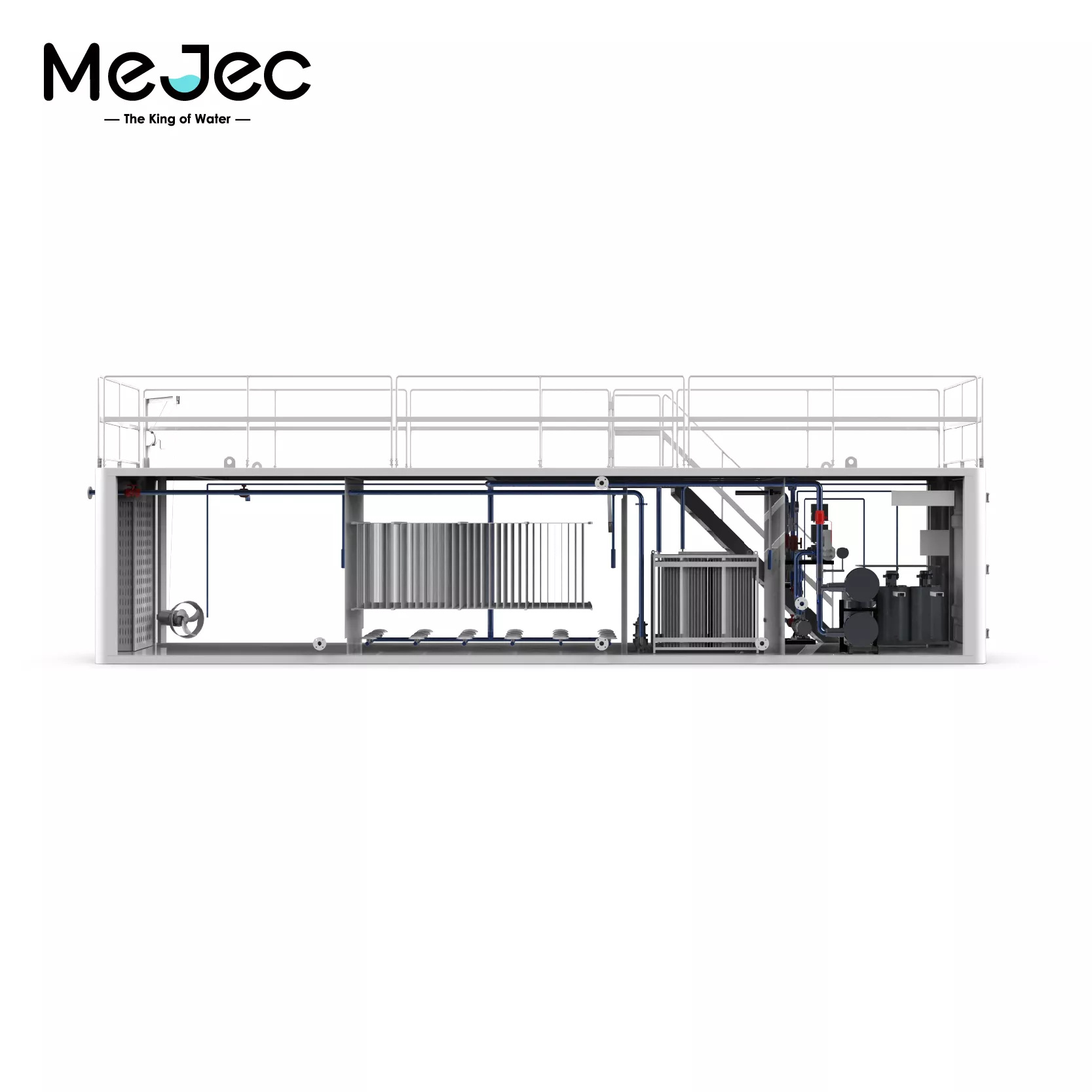
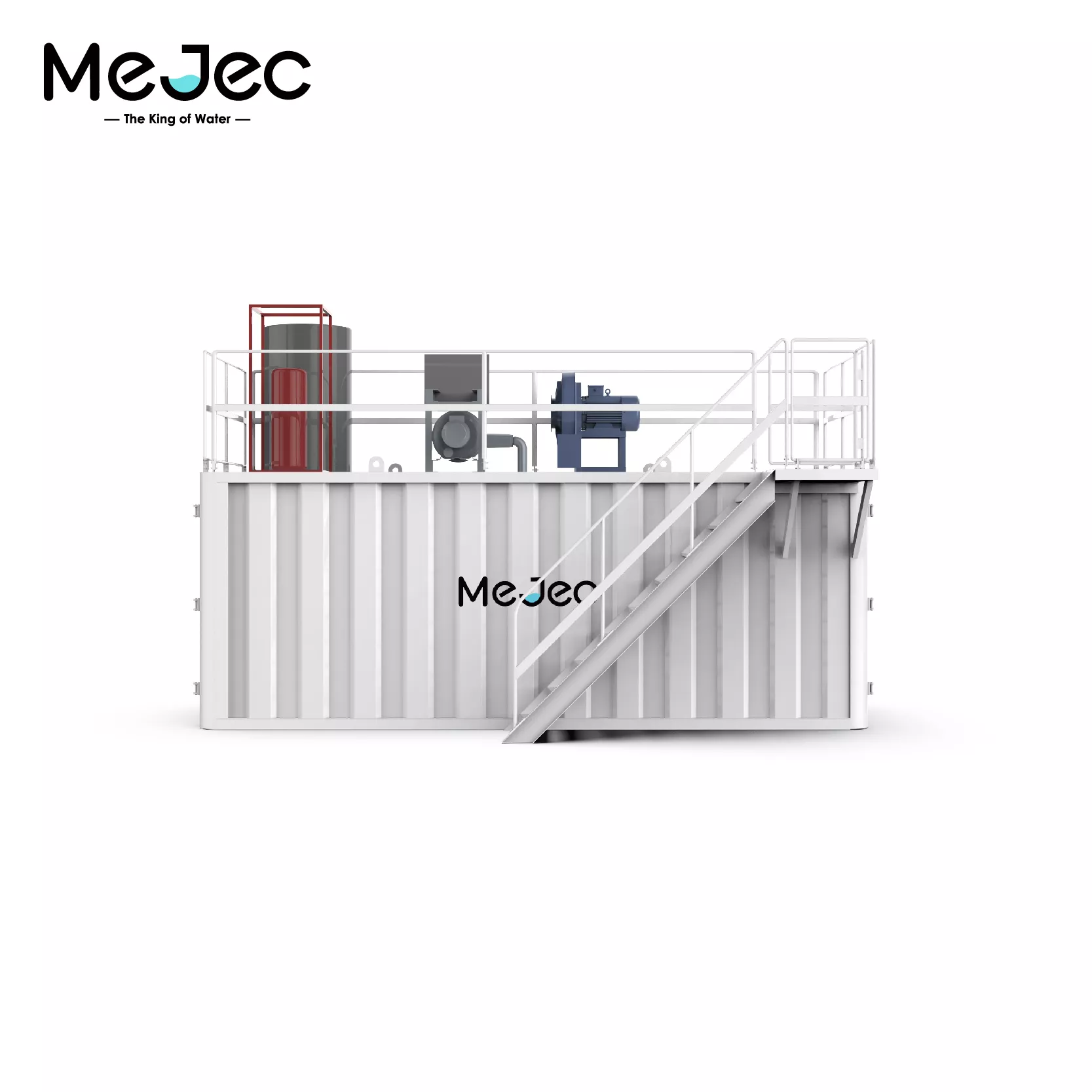
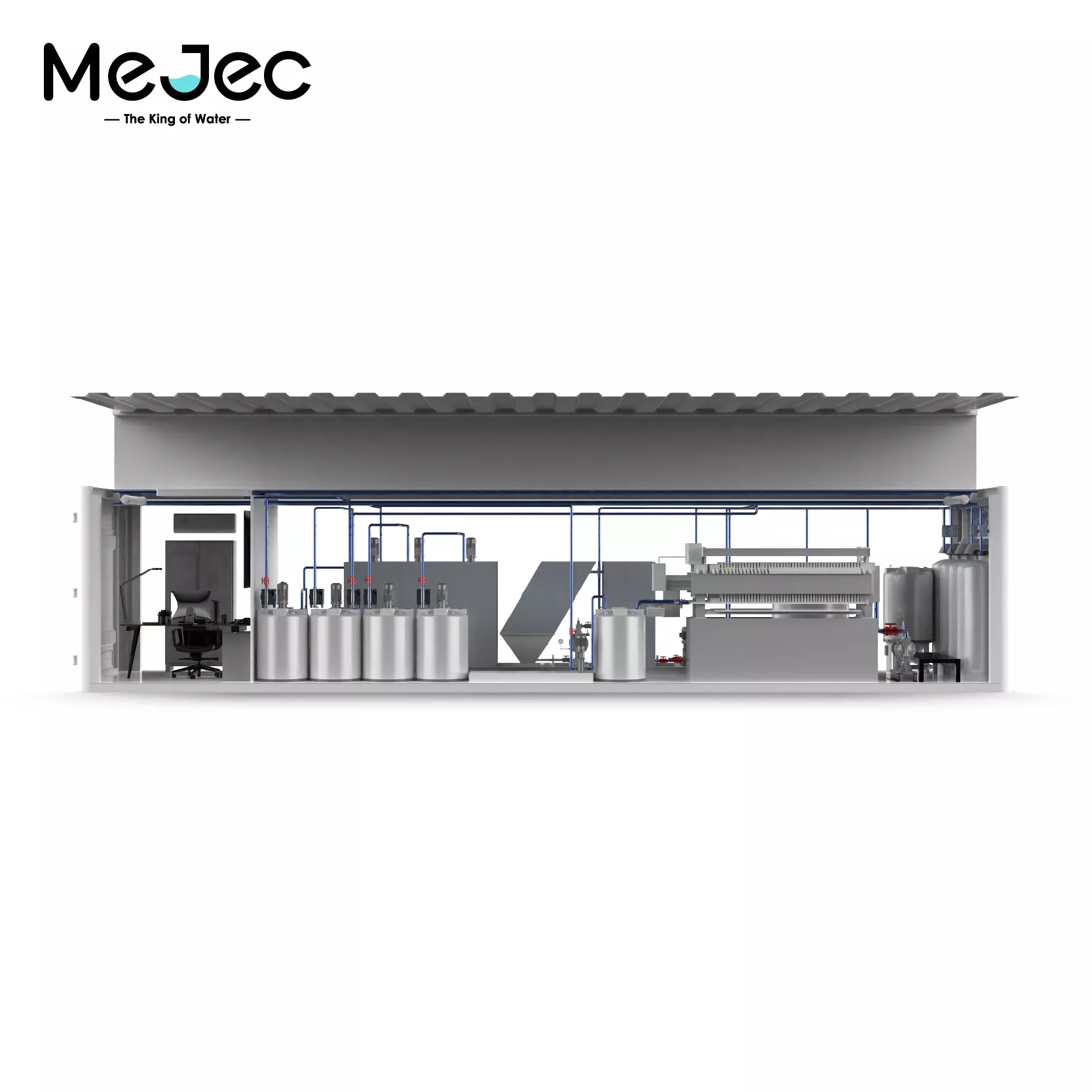
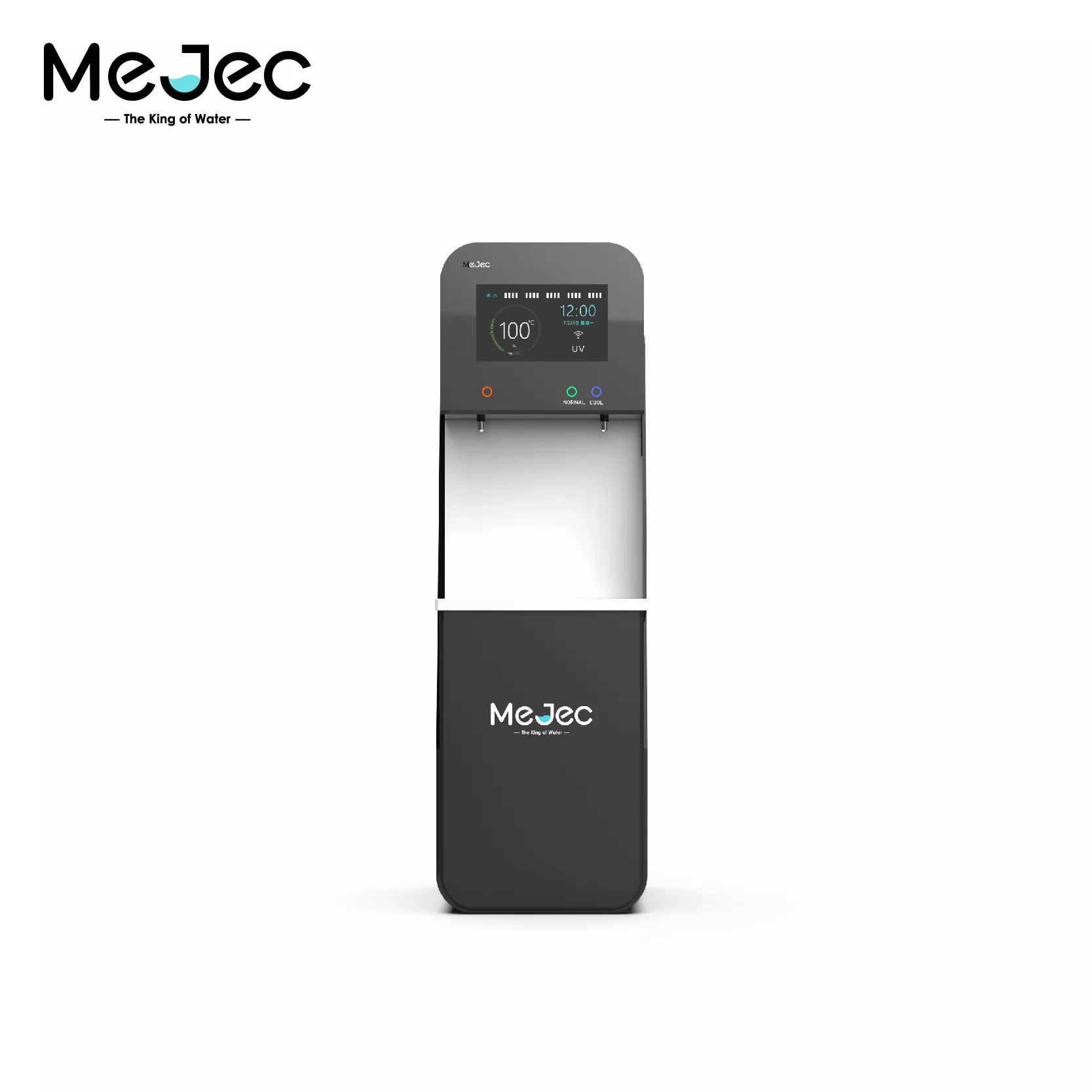
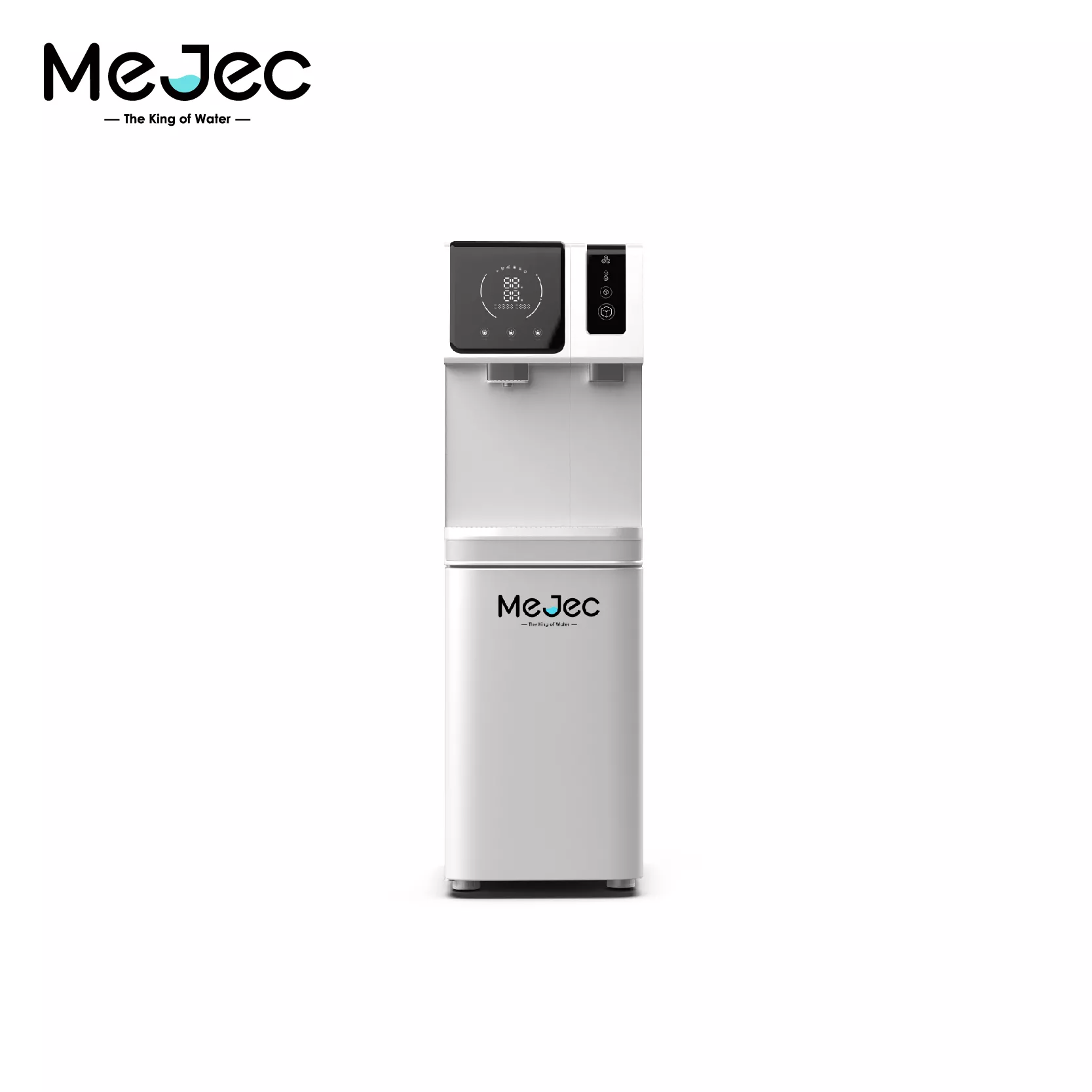
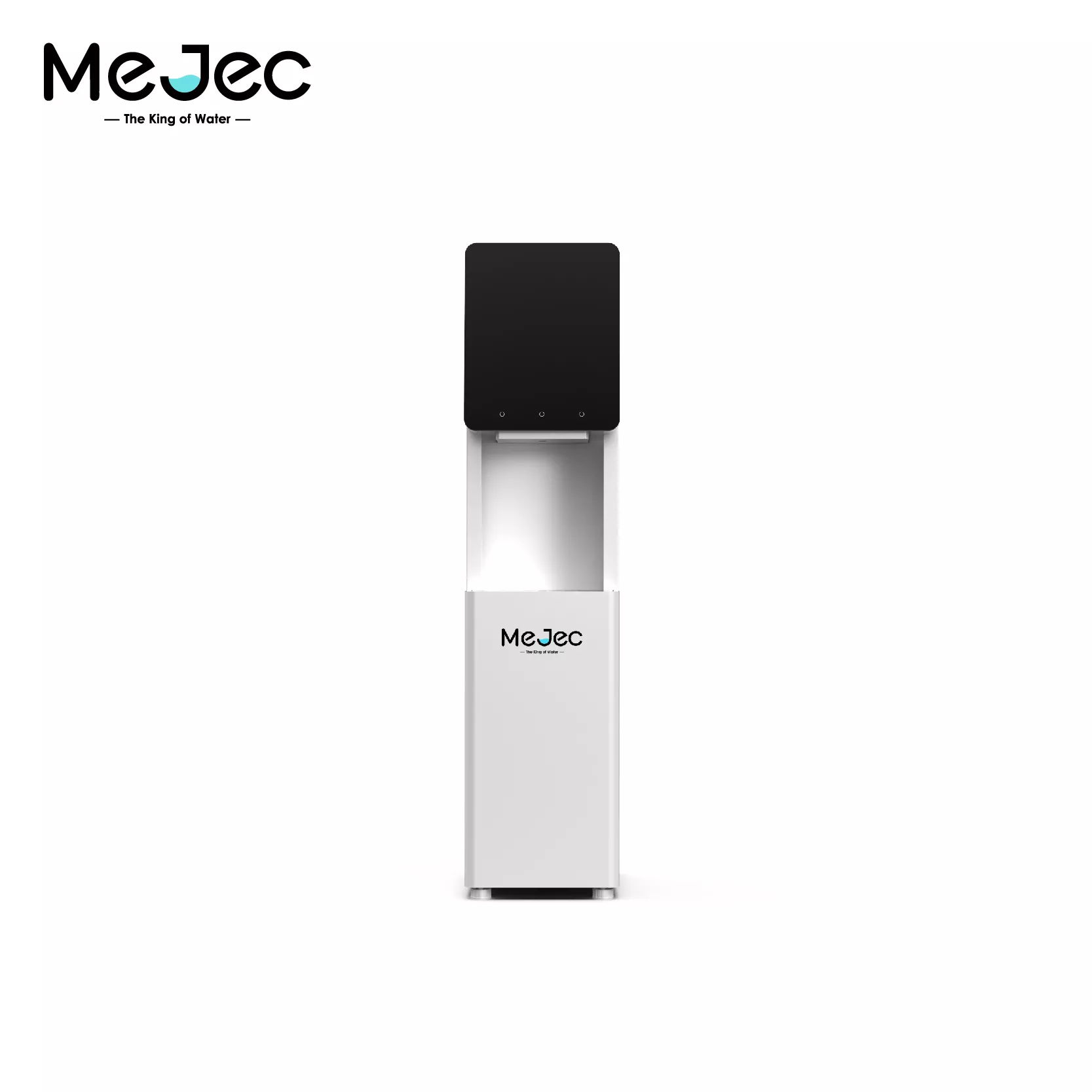
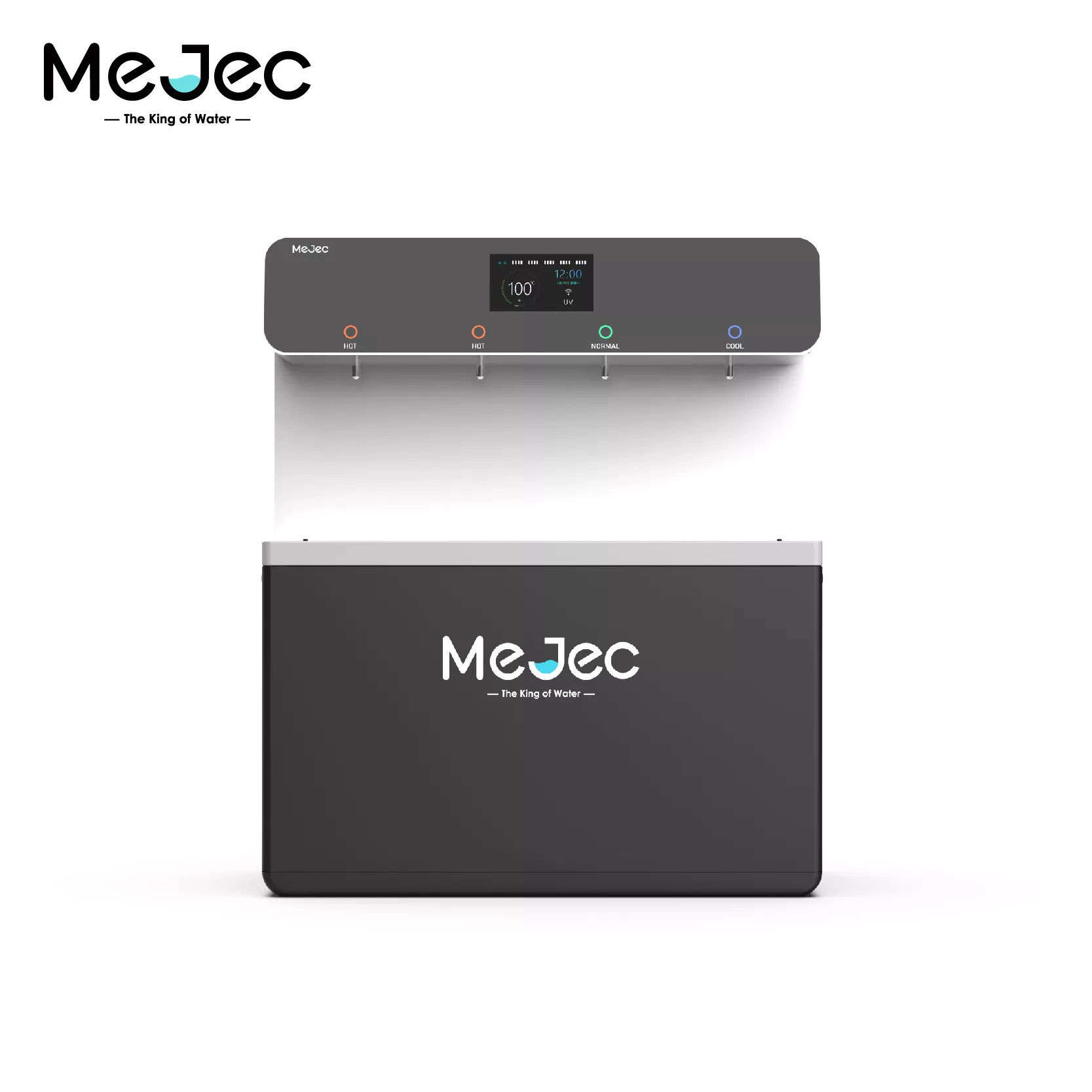
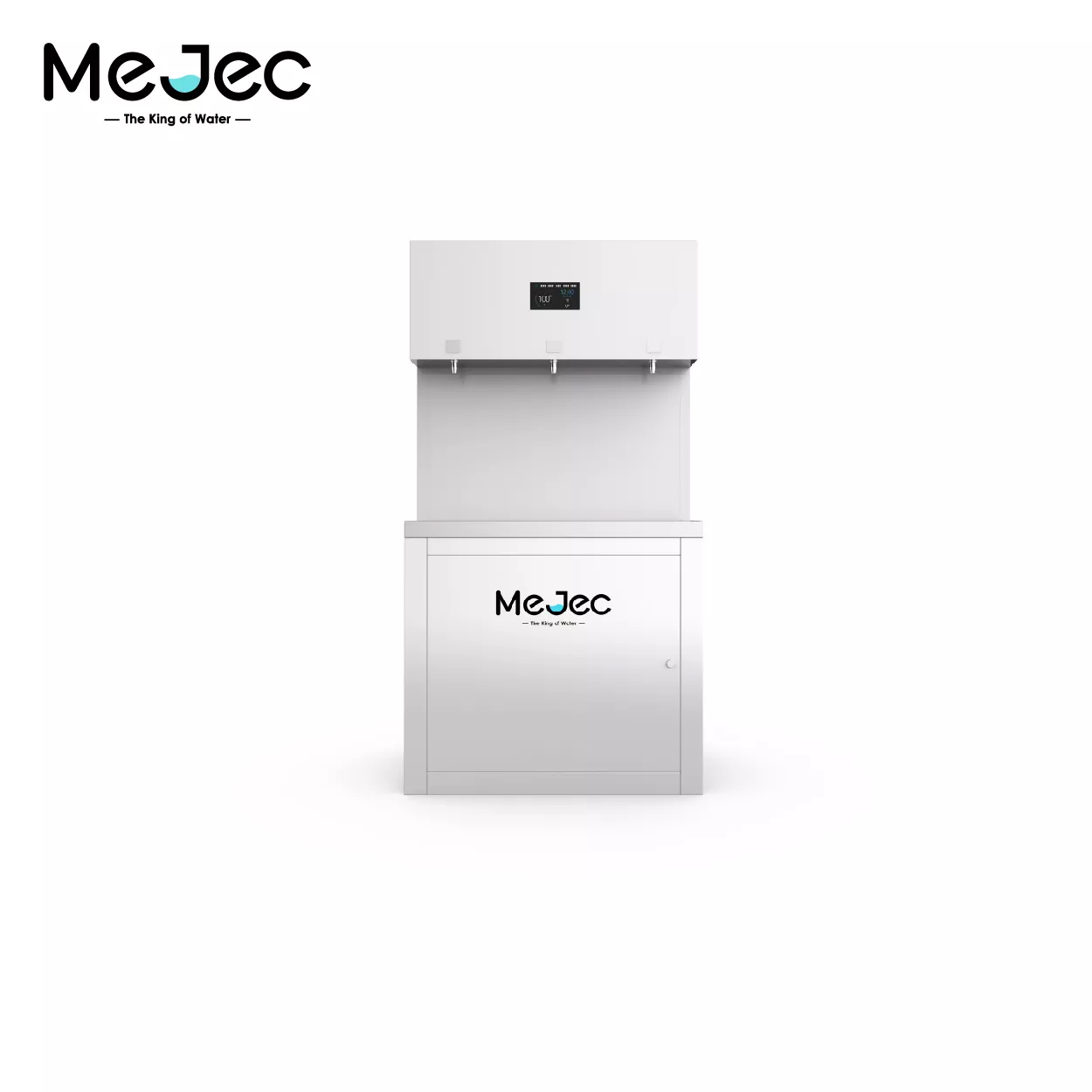
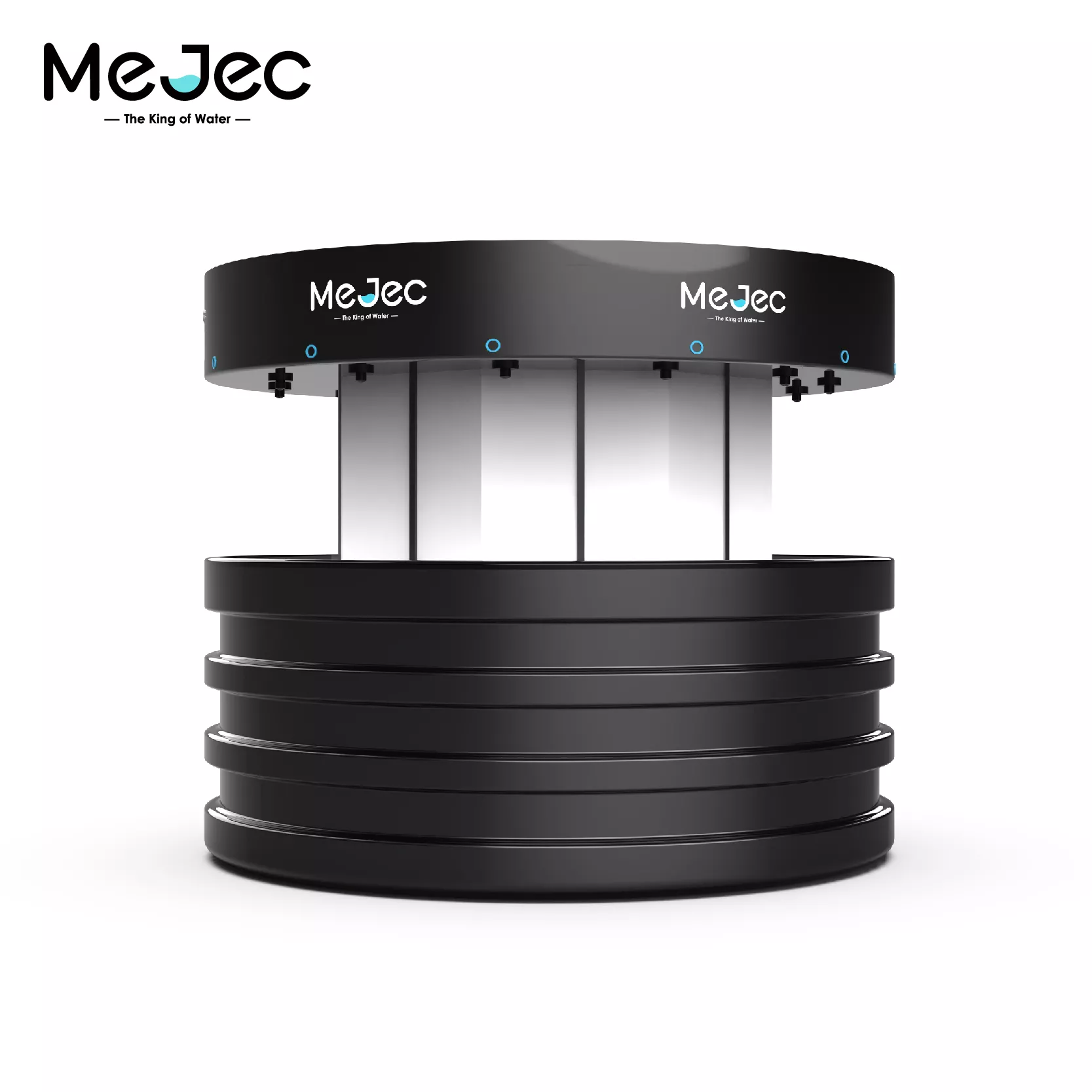
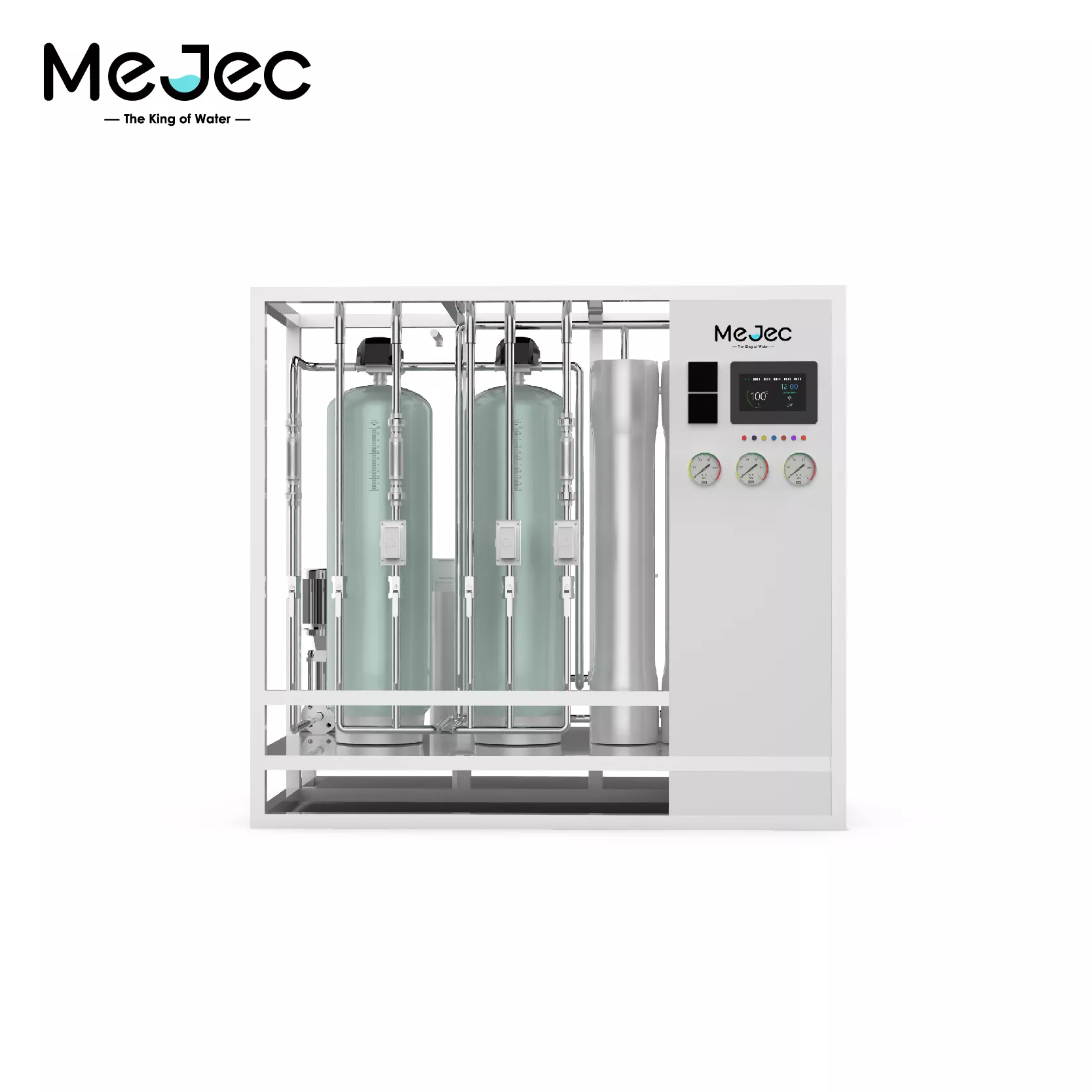
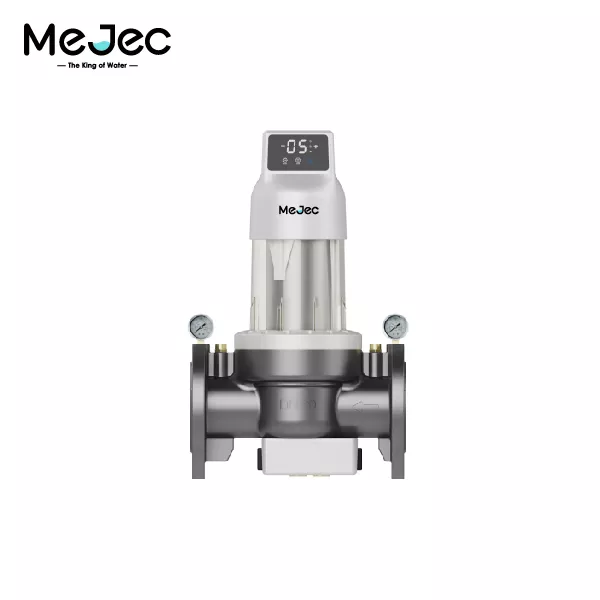
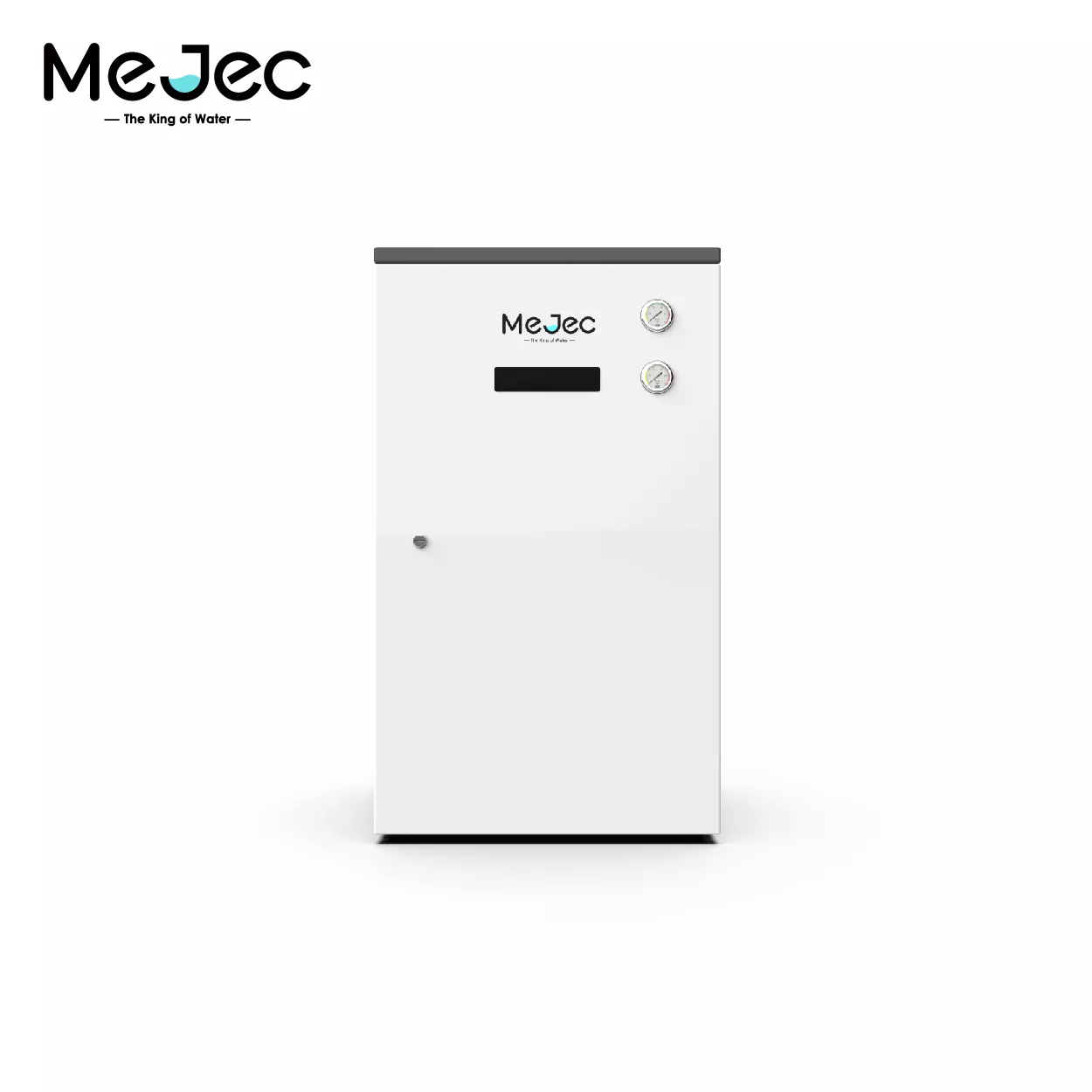
Mejec offers advanced wastewater treatment and water dispenser products. The PS-H(A) Series stands out for residential use. The Mejec commercial drinking machine features a large advertising display that combines premium water purification with high-impact visual promotion. With multi-stage filtration, it delivers clean, reliable drinking water, while the integrated screen showcases ads or custom content—ideal for malls, offices, hotels, and public venues looking to enhance both user experience and brand exposure.
Mejec’s technology helps homeowners achieve reliable water purification and efficient wastewater management. The Water Purifier options from Mejec are designed to meet diverse needs and deliver consistent results.
Choosing a Water Purifier
Test Your Water
Testing water is the first step in finding the right solution for iron and salty water. Homeowners can use simple methods to check water quality. At-home test kits offer a quick way to measure iron and salt levels. These kits often include strips or digital meters. For more accurate results, sending a sample to a professional laboratory is recommended. Labs provide detailed reports on iron, sodium, and other contaminants. Regular testing helps track changes in water quality over time.
Start with at-home tests for a basic assessment.
Use professional lab tests for detailed analysis.
Check for changes in taste, color, or odor as signs of contamination.
Tip: Testing water every six months ensures early detection of problems.
Match Technology to Problem
Interpreting test results helps homeowners choose the best purification method. Total Dissolved Solids (TDS) indicate the amount of substances dissolved in water, including iron and salt. High TDS levels suggest the need for advanced treatment. Specialized filters remove iron, while reverse osmosis systems handle dissolved salts. Activated carbon filters improve taste and remove some contaminants. Reverse osmosis uses a membrane to separate salts and iron, making water safer and more pleasant.
High iron levels require iron removal filters or softening systems.
Salty water needs reverse osmosis or ion exchange technology.
Consult professionals for guidance on interpreting test results and selecting the right system.
Key Features to Consider
Selecting a Water Purifier involves looking at several important features. The needs of each household and the quality of the water source play a major role. Whole-house iron filter systems treat all water entering the home. Systems that use oxidation and filtration techniques reduce iron levels effectively. Consulting a water treatment professional helps determine the best option for your home.
Choose a system based on household size and water usage.
Look for filters that use oxidation and advanced filtration.
Whole-house systems provide comprehensive protection.
Professional advice ensures the right match for your water quality.
Note: A Water Purifier with smart management features can simplify maintenance and monitoring.
Budget and Maintenance
Cost is an important factor when selecting a Water Purifier. Initial purchase prices and ongoing maintenance costs vary by technology. Water softeners range from $600 to $3,000. Annual maintenance costs are usually between $50 and $150. Whole-house filtration systems may cost more for well water due to extra filters, but maintenance is generally easy and affordable. Well water systems often require additional filtration stages, which can increase costs. Ease of maintenance lowers long-term expenses.
Water Purifier Technology | Initial Purchase Price Range | Annual Maintenance Cost Range |
|---|---|---|
Water Softener | $600 - $3,000 | $50 - $150 |
Whole-House Filtration | Higher for well water due to additional filters | Varies, but generally low due to easy maintenance |
Maintenance costs typically range from $50 to $150 per year.
Additional filtration stages may be needed for well water.
Easy maintenance reduces long-term costs.
If unsure about water quality or installation, consulting a professional is recommended. Experts can help with testing, system selection, and setup.
Top Recommendations
Best for Iron Removal
Choosing the right system for iron removal can make a big difference in water quality. Many homeowners look for filters that work quickly and do not use harsh chemicals. Some of the top-rated options include:
Sanitizer Plus: This filtration system removes iron and other contaminants. It does not rely on strong chemicals, making it safe for home use.
Impression Series Air Filters: These filters provide strong filtration. They remove pollutants and help ensure clean, clear water for daily needs.
Both systems are known for their reliability and ease of maintenance. They help reduce stains on sinks and fixtures and improve the taste of tap water.
Best for Salty Water
Salty water needs a different approach. Reverse osmosis systems are the most effective for removing dissolved salts. These systems use a special membrane to separate salt from water. Ion exchange systems also help by swapping sodium ions for other harmless ions. Many families in coastal areas use these technologies to get fresh water from salty sources.
A Water Purifier with reverse osmosis technology is a good choice for homes with high salt content in their water. These systems are energy-efficient and can handle large volumes of water.
Tip: Regular maintenance of the membrane or resin ensures the system works well for years.
Mejec and Other Leading Brands
Mejec stands out for its innovative approach to water and wastewater treatment. The PS-H(A) Series offers compact solutions for homes and small businesses. These systems are easy to install and manage. Mejec’s technology helps reduce iron and salt levels, making water safer for families.
Other brands also receive high marks from customers. For example:
ArsenicMaster systems have shown a big drop in contaminants like arsenic and iron after installation. One user saw arsenic levels fall from 580 ppb to less than 5 ppb.
MetalMaster systems made tap water drinkable within days, according to customer reviews.
Many users praise the technical support and reliability of these brands.
These testimonials show that choosing a trusted Water Purifier brand leads to better water quality and high customer satisfaction.
Installation and Maintenance
DIY vs. Professional Setup
Many homeowners wonder if they can install a water purifier themselves. Some systems, like countertop or under-sink filters, come with clear instructions and basic tools. These units often fit easily onto faucets or pipes. For whole-house systems or advanced setups, installation can be more complex. These systems may require plumbing skills and knowledge of local codes. A professional installer can ensure the system works correctly and meets safety standards. This reduces the risk of leaks or poor performance.
Tip: If you are unsure about the installation process, hiring a certified technician can save time and prevent costly mistakes.
Routine Care Tips
Regular maintenance keeps your water purifier working at its best. Neglecting routine care can lead to poor water quality and system failure. Here are some important tasks:
Replace cartridges or pellets every 3 to 6 months to keep filtration effective.
Monitor salt levels in salt-based systems and refill every 1 to 2 months.
Change filters in salt-free systems as needed.
Check water quality often to spot problems early.
These steps help extend the life of your purifier and ensure safe, clean water for your family.
Troubleshooting
Water purifiers can face common issues. Knowing how to spot and fix them helps maintain water quality.
Red or brown stains on sinks or laundry often mean iron is present in your water.
Ferrous iron can turn into stains when it meets air. This process is called oxidation.
Non-electric systems can remove clear water iron, but using a water softener for iron is not recommended.
Never use water softeners as iron filters. They are designed to remove hardness, not iron.
Using a softener for iron can shorten its lifespan and increase salt use.
Regular checks and proper maintenance help prevent most problems and keep your water safe.
Choosing the best water purifier for iron and salty water starts with testing your water and matching the right technology to your needs. Trusted brands like Mejec offer reliable solutions. Regular maintenance, such as annual servicing and filter replacement, keeps your system working well.
Select a filtration system based on your water quality.
Test your water often to monitor effectiveness.
Consult professionals for complex issues and tailored advice.
Proper care and expert guidance help ensure safe, clean water for your home.
FAQ
What is the best way to test for iron and salt in my water?
You can use home test kits for a quick check. For more accurate results, send a water sample to a certified laboratory. Regular testing helps you track changes in water quality.
Can a single water purifier remove both iron and salt?
Most systems target one main contaminant. Reverse osmosis units can reduce both iron and salt, but sometimes you need a combination of filters for the best results.
How often should I replace the filters in my water purifier?
Replace filters every 3 to 6 months for most systems. Check your user manual for specific guidelines. Regular maintenance keeps your water clean and your system working well.
Is reverse osmosis safe for drinking water?
Yes, reverse osmosis removes many harmful substances. It produces clean, safe water for drinking and cooking. Some people add a mineral filter to improve taste.
Does Mejec offer solutions for homes with both iron and salty water?
Yes. Mejec provides advanced systems like the commercial drinking machine Series. These solutions help treat water with high iron and salt levels, making it safer for household use.