Countertop Water Dispenser Water Line
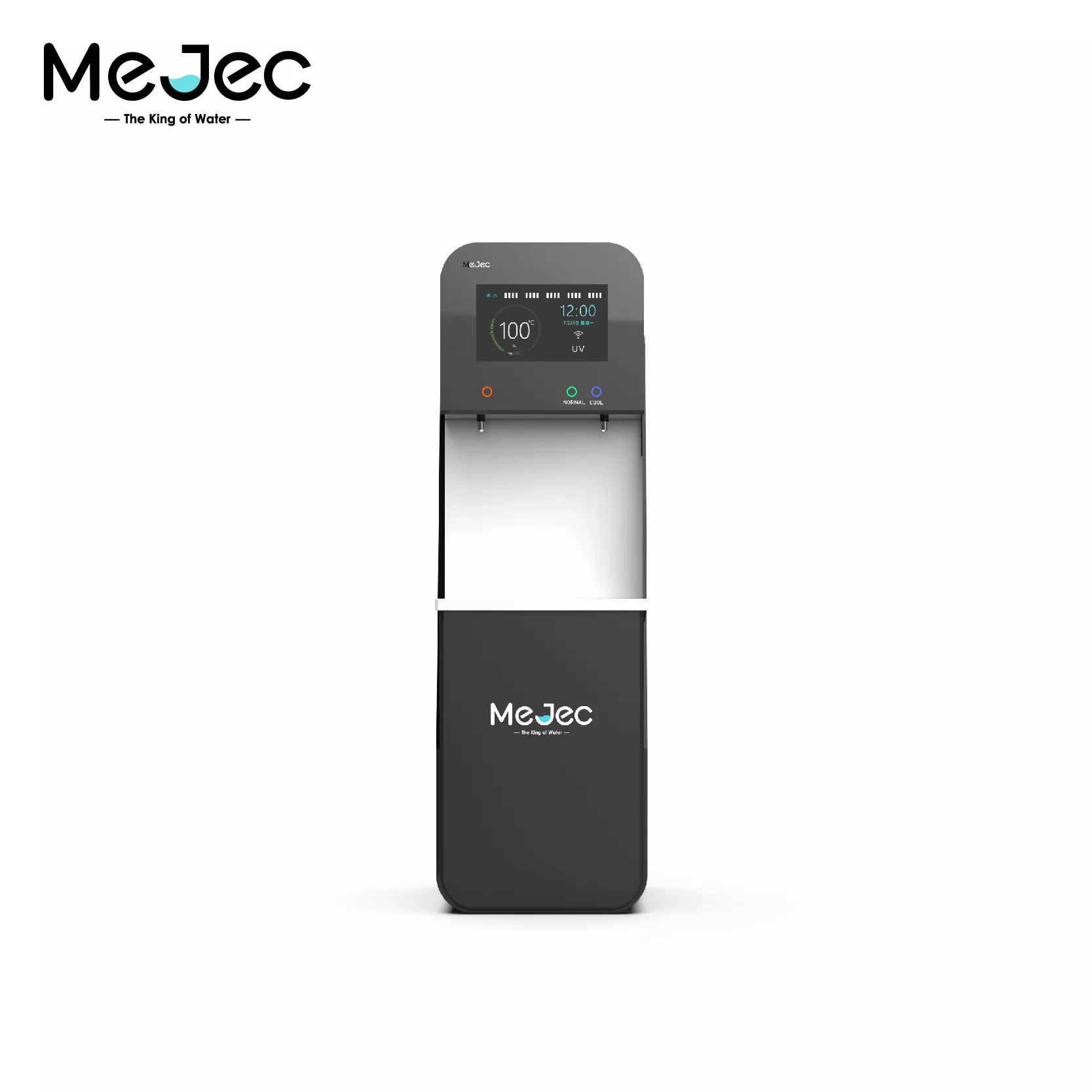
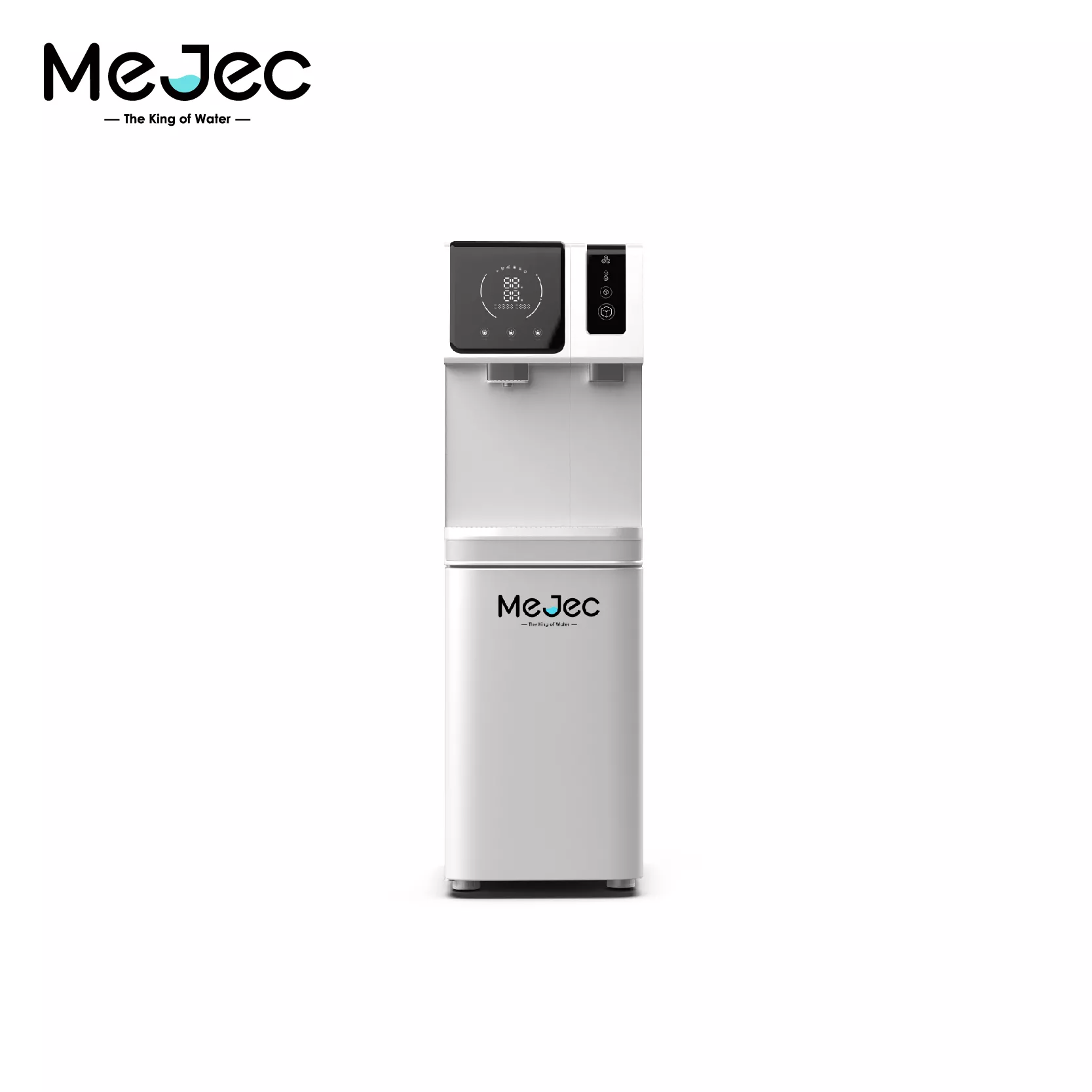
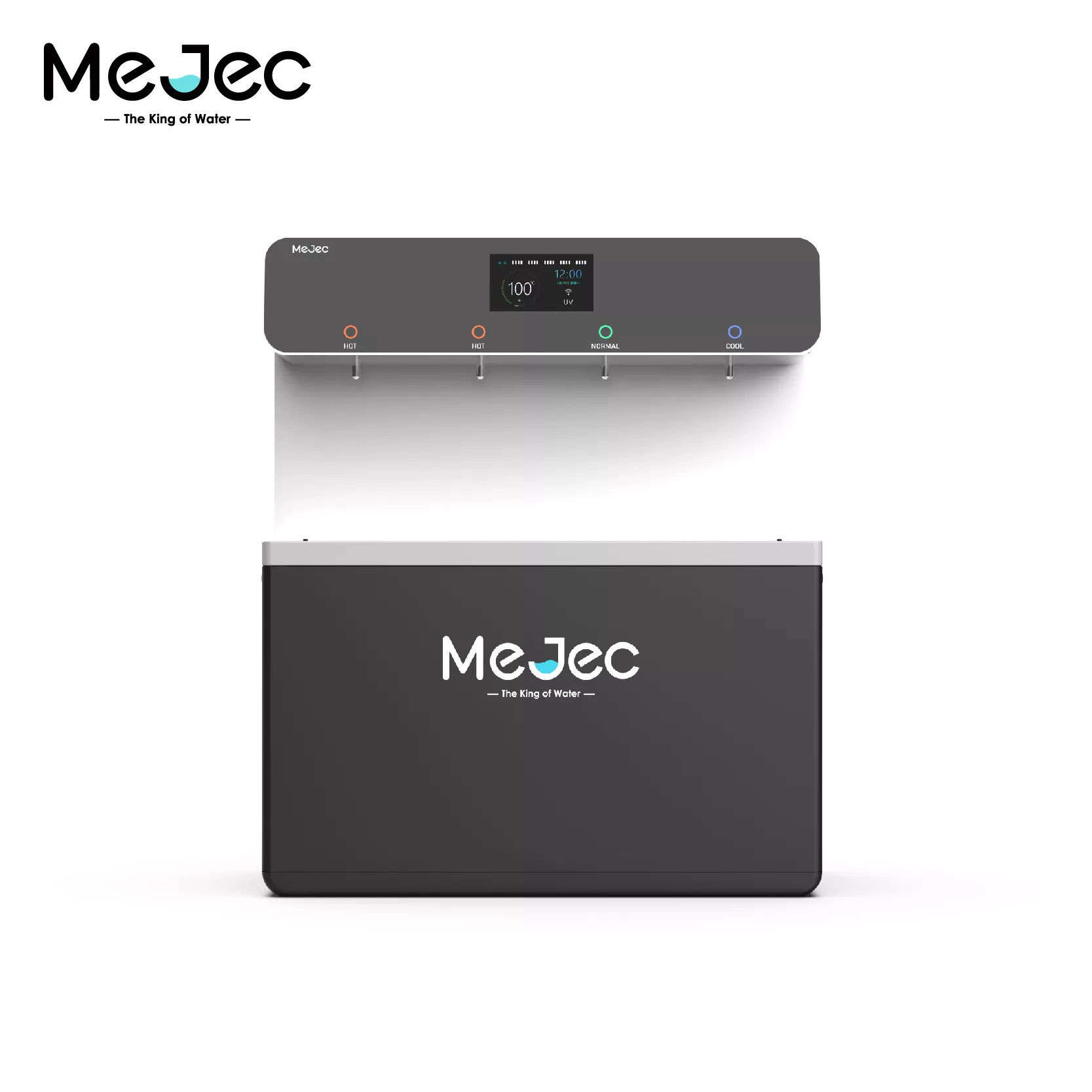
A countertop water dispenser water line is the dedicated tubing or supply line that connects a countertop-mounted water dispenser to a cold water source, typically under the sink. This connection enables the dispenser to provide a continuous supply of chilled, filtered water without the need for manual refilling of a reservoir. The line is usually a flexible, food-grade plastic or braided polymer tube, often 1/4 inch in diameter, and is a critical component for plumbed-in or direct-connect countertop water cooler models. It distinguishes these units from bottled water coolers or non-plumbed dispensers that require manual water filling. The installation involves connecting one end to the dispenser's inlet and the other to a cold water shut-off valve or saddle valve tapped into the existing cold water pipe under the sink, often including a filter housing in-line to purify the water before it reaches the appliance.
The primary advantage of a countertop water dispenser with a dedicated water line is the elimination of the manual refilling process, providing an endless, on-demand supply of chilled and often filtered water. Data from consumer reviews and appliance performance reports consistently highlight convenience as the top benefit. Users no longer need to lift heavy pitchers or jugs, and the risk of running out of water during use is removed. From a hygiene perspective, a closed water line system minimizes exposure to airborne contaminants and handling compared to open-reservoir models. Market analysis and product specification sheets indicate that most plumbed countertop dispensers connected via a water line can deliver a significantly higher daily water output—often exceeding 30 cups per day—compared to their bottled counterparts, making them suitable for offices, busy households, and commercial settings like small salons or clinics. The integration with an under-sink filtration system is a key selling point. Search trends and product question forums show high consumer interest in filtration compatibility. A typical setup uses the water line to route tap water through a multi-stage filter (often reducing chlorine, lead, cysts, and particulates) before it is chilled in the dispenser's tank. This results in water quality that frequently surpasses many bottled water standards, with third-party test data from organizations like NSF International confirming the reduction of specific contaminants when certified filters are used. The operational cost benefit is substantial. Industry calculations show that using a filtered water line dispenser reduces the cost per gallon to pennies, compared to the ongoing expense of purchasing 5-gallon water jugs or single-use bottles, while also reducing plastic waste. Installation specifics are a major consideration for potential buyers. According to DIY guides and professional installer recommendations, the water line is typically a 1/4-inch OD polyethylene or PVC tube. A standard installation kit includes the tubing, a saddle valve or tee valve for tapping the cold water line, fittings, and sometimes a drill guide for countertop penetration. User feedback suggests that while many homeowners successfully undertake the installation, others prefer professional help to ensure no leaks and proper filter connection. The reliability of the water line itself is crucial; braided stainless steel sheathed lines are often recommended for greater durability against kinking and wear. Maintenance of the system revolves around regular filter changes, with manufacturer guidelines and filter life indicators typically recommending replacements every 6 to 12 months, depending on water usage and quality. Failure to change the filter can lead to reduced water flow, impaired filtration, and potential scaling inside the dispenser's cooling system. In summary, the countertop water dispenser water line transforms a simple appliance into a centralized, efficient water station. It leverages existing home plumbing to deliver a high-volume, cost-effective, and superior-tasting water supply directly at the point of use, addressing core consumer demands for convenience, quality, and value in the hydration appliance market.


.webp)











User Comments
Service Experience Sharing from Real Customers
Michael Rodriguez
HomeownerThe water line installation for my countertop dispenser was straightforward and leak-free. It's been running perfectly for months, providing instant cold water without taking up fridge space. Highly recommend for any household.
Sarah Chen
Office ManagerWe installed this water line for our office countertop dispenser. It was easy to connect to our existing supply, and the dispenser now provides a constant, clean water source for the team. A great upgrade for workplace hydration.
David Miller
Restaurant OwnerAs a small cafe owner, I needed a reliable water source for our service counter. This water line kit connected seamlessly to our under-sink plumbing and the countertop dispenser. No more bulky water jugs – it's efficient and professional.
Jennifer Park
Interior DesignerI specify these for many of my residential clients seeking a sleek, clutter-free kitchen. The direct water line connection is key—it eliminates the need for refilling and maintains the clean aesthetic. Clients are always pleased with the functionality.