


.webp)


Horizontal Wastewater Treatment System Breakthroughs You Should Know
Recent advancements in horizontal wastewater treatment systems, like the horizontal levee, now achieve over 97% contaminant removal and up to 99% virus elimination. These breakthroughs support decentralized wastewater management by offering compact, scalable solutions that improve water quality, operate off-grid, and create local benefits for rural communities.
Systems reduce environmental impact and adapt to local needs.
They support resource recovery and foster community involvement.
Key Takeaways
Horizontal wastewater treatment systems achieve over 97% contaminant removal, making them effective for improving water quality.
These systems support decentralized wastewater management, allowing communities to treat sewage locally and protect their water sources.
Integrating renewable energy, like solar power, reduces operational costs and environmental impact, promoting sustainability.
What Is A Horizontal Wastewater Treatment System
Basic Principles And Design
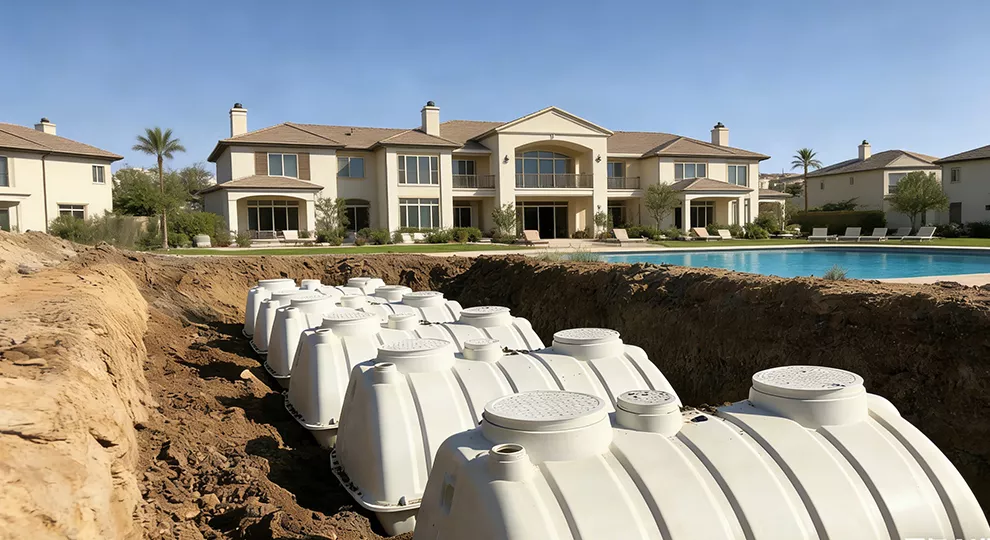
A Horizontal Wastewater Treatment System uses a horizontal flow to treat sewage. Water moves through a bed of gravel, sand, or other materials. Microorganisms live on these surfaces and break down pollutants. The system often includes several stages. Each stage targets different contaminants. Oxygen levels change from one stage to another. This helps remove organic matter, nutrients, and pathogens.
Many systems use plants as part of the process. Roots provide extra surfaces for bacteria. Plants also help filter water and absorb nutrients. The design keeps water moving slowly. This gives microorganisms enough time to clean the water. The system can be built above or below ground. It usually requires little maintenance.
Tip: Horizontal flow systems work well in areas with limited space. They can fit into small plots and blend with the landscape.
Role In Decentralized Sewage Management
Horizontal Wastewater Treatment System plays a key role in decentralized sewage management. It treats wastewater close to where it is produced. This reduces the need for large pipes and central treatment plants. Rural communities, schools, and tourist sites often use these systems. They help protect local water sources and support public health.
The system adapts to different environments. It can operate off-grid with solar power. It works in places where traditional systems are not possible. Many communities choose this method because it is reliable and easy to manage.
Application Area | Benefit |
|---|---|
Rural Communities | Local water protection |
Schools | |
Tourist Attractions | Eco-friendly image |
Horizontal Wastewater Treatment System Innovations
Advanced Biofilm And Substrate Technologies
Modern horizontal wastewater treatment systems use advanced biofilm and substrate technologies to improve performance. Biofilm processes allow microorganisms to grow on surfaces inside the treatment bed. These microorganisms break down pollutants as water flows through the system. New biocarriers, such as modified plastics and ceramics, help support these biofilms. They provide more surface area and create stable environments for bacteria.
Biofilm Technology | Description | Advantages |
|---|---|---|
Modified Biocarriers | Enhanced carriers for biofilm systems | Long retention time, good stress tolerance |
Polyethylene, Polypropylene, Polyurethane, Ceramsite | Commonly used biocarriers | Less washing out, promotes slow-growing bacteria |
Biofilm processes are versatile and robust. They can address a wide range of pollutants, including organic matter and nutrients. These systems support diverse microbial communities for effective degradation. As a result, horizontal wastewater treatment systems can achieve high removal rates for contaminants.
Recent innovations also include hybrid wetland configurations. These combine different types of substrates and plants to further boost treatment efficiency. Some systems use layers of gravel, sand, and special media to target specific pollutants, such as nitrogen or phosphorus. Patent reviews highlight new nitrogen-removing biofilters and phosphorus recovery methods. For example:
Innovation Category | Description |
|---|---|
Nitrogen Removing Biofilters (NRBs) | Biofilters utilizing soil microbes for nitrogen removal, achieving ~90% reduction of total nitrogen in effluent. |
FlexTreat Biosystem™ | A patented system reducing nitrogen concentrations below ten mg/L, optimizing performance through a graphical interface. |
Phosphorus Removal & Recovery | Researching optimal technologies and natural materials for phosphorus removal and developing in-situ monitoring sensors. |
Improved Hydraulic And Bed Designs
The design of the treatment bed and the way water flows through it are key to system performance. Studies show that both bed depth and treatment length affect how well the system removes pollutants. For example, deeper beds and longer retention times allow more contact between water and microorganisms. This leads to better removal of organic matter and nutrients.
A study found that a bed depth of 0.90 meters achieved up to 97% removal of chemical oxygen demand (COD) and up to 51% removal of total nitrogen. Shallower beds had slightly lower removal rates. The table below shows these results:
Bed Depth (m) | Removal Efficiency (COD) | TN Removal (%) | SLR Factor Increase |
|---|---|---|---|
0.90 (HF1) | 97% (96-99%) | 51% (21-79%) | 4 |
0.55 (HF2) | 92% (82-98%) | 37% (10-76%) | 2 |
0.55 (HFc) | 94% (86-99%) | 33% (16-43%) | N/A |
Longer hydraulic retention times also improve treatment. When water stays in the system for more hours, microorganisms have more time to break down contaminants. This is especially important for removing substances like BOD and COD.
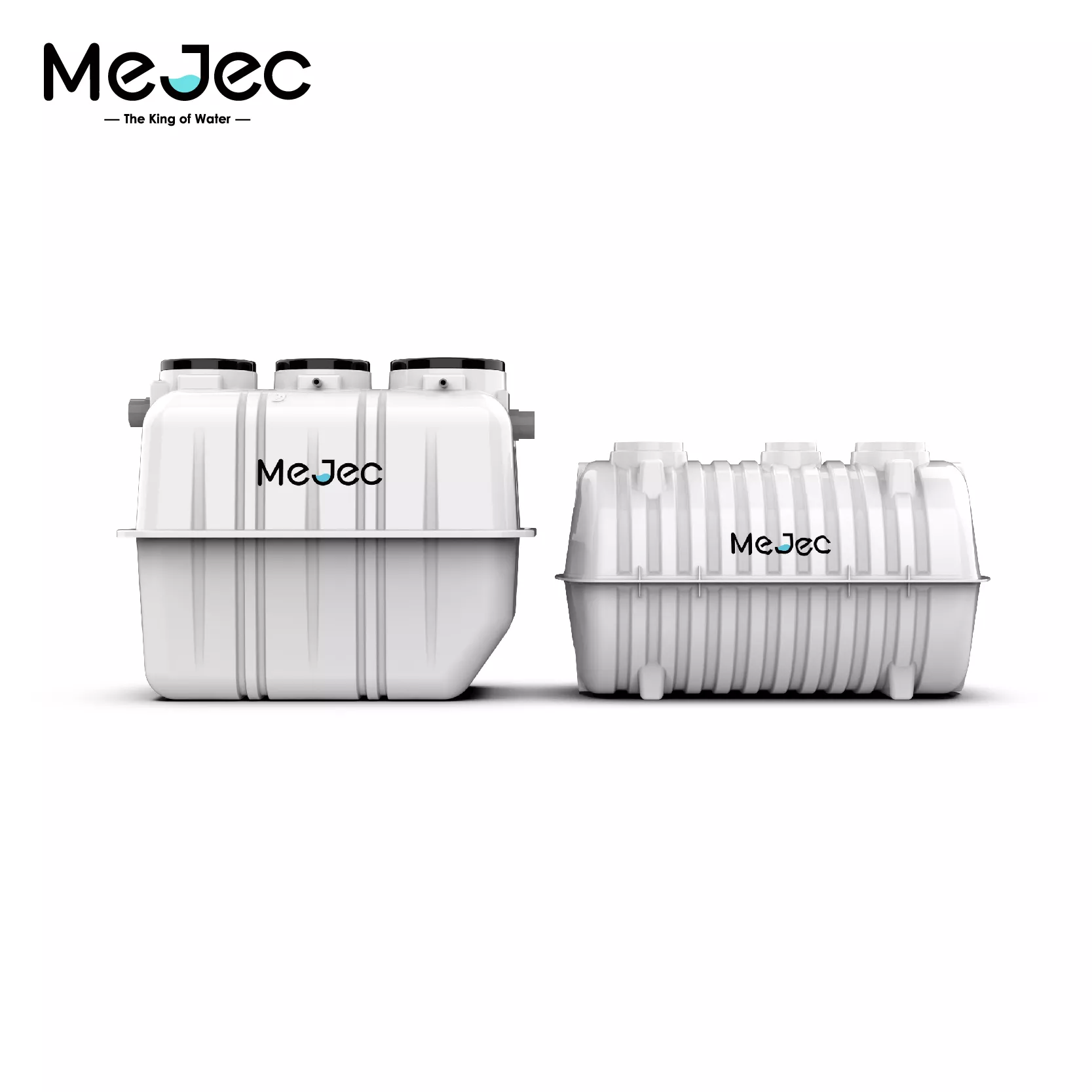
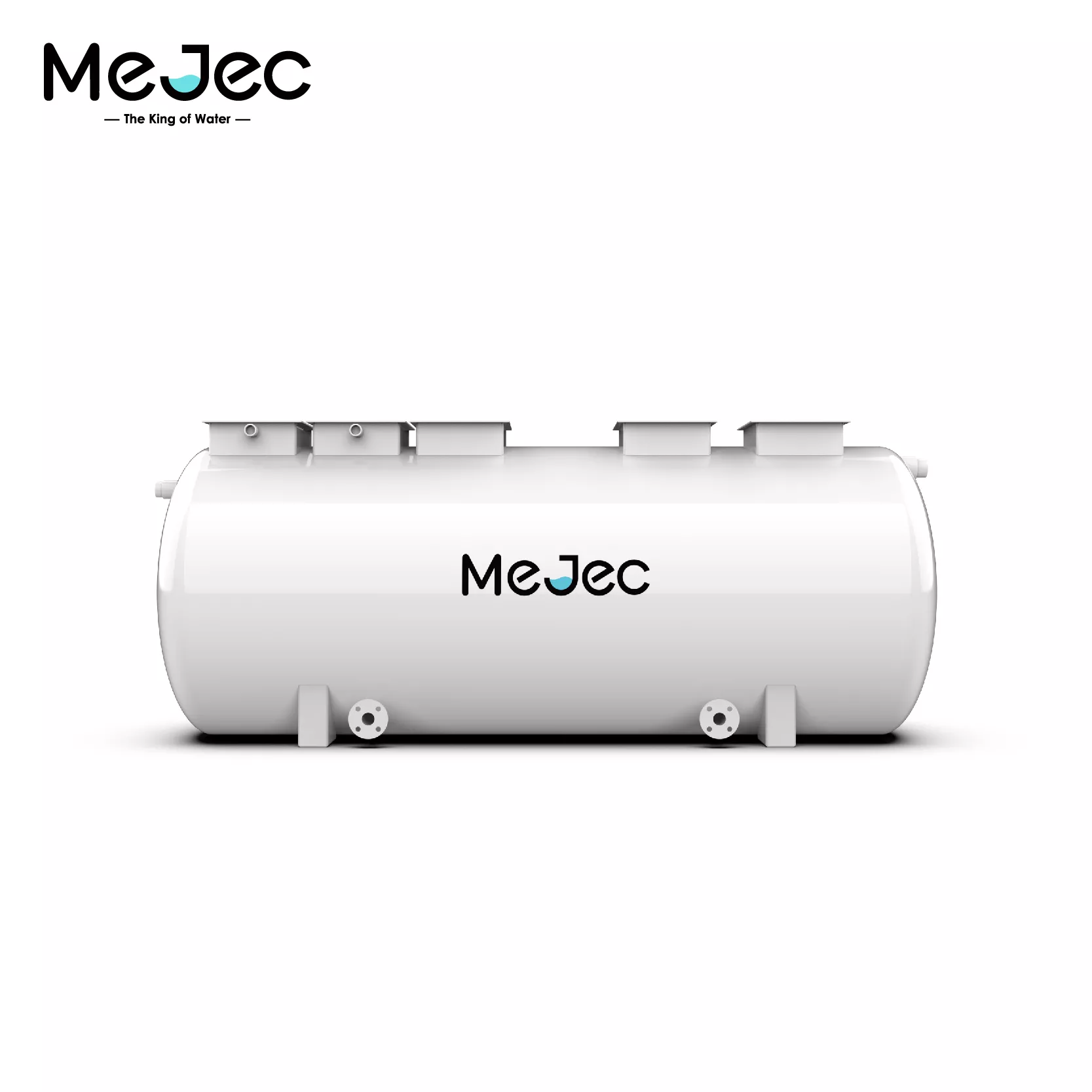
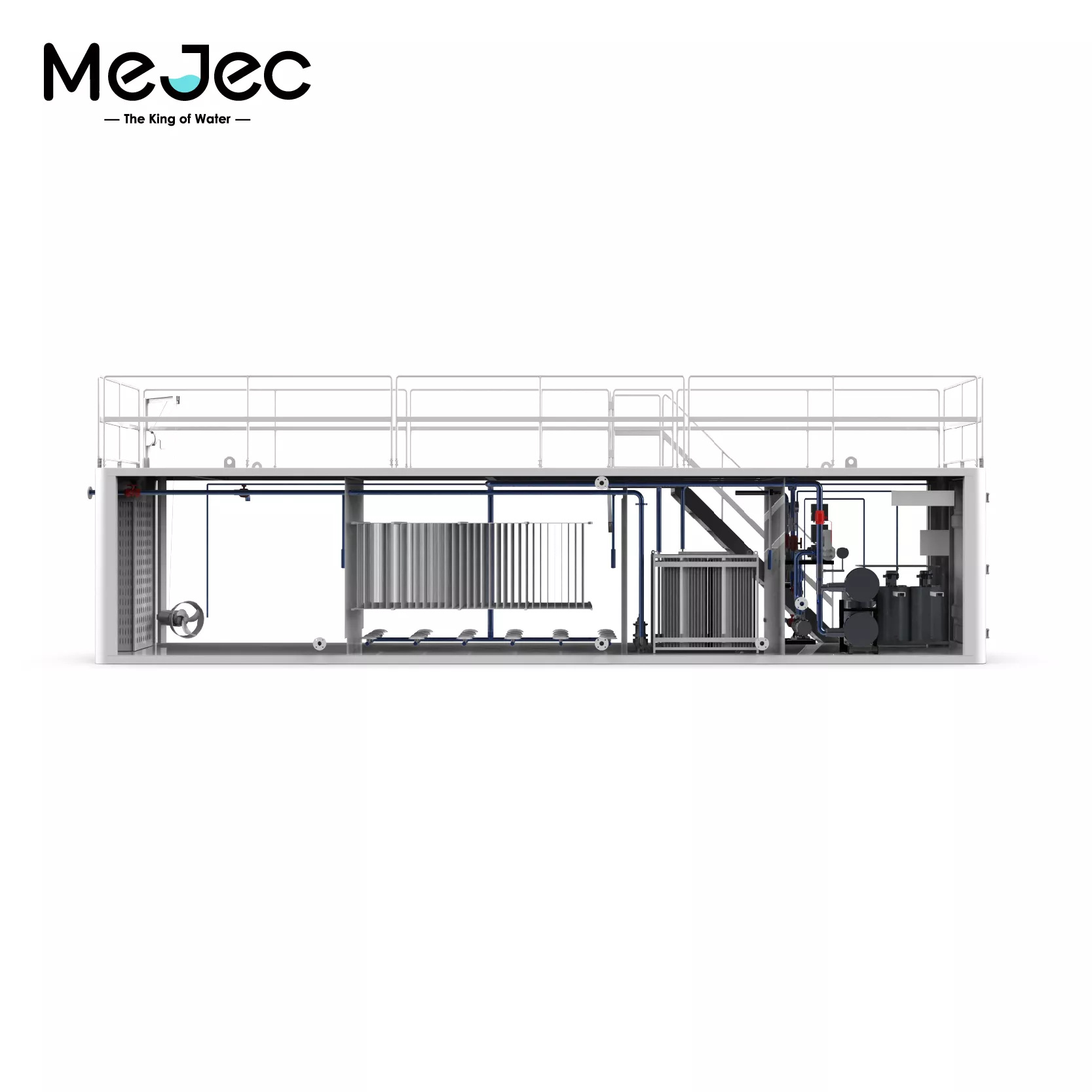
The Mejec-Johkasou-SB system is a strong example of these innovations in action. It uses a combined AAO (Anaerobic-Anoxic-Oxic) and MBBR (Moving Bed Biofilm Reactor) process. This design maximizes the removal of organic pollutants and nutrients. The compact, integrated structure allows for easy installation and reliable operation, even in remote areas.
Integration With Renewable Energy
Energy use is a major concern for wastewater treatment. Many systems now integrate renewable energy, such as solar power, to reduce costs and environmental impact. Solar panels can power pumps and control systems, making the treatment process more sustainable.
A significant portion of energy use in municipalities comes from wastewater treatment plants.
Solar power is one of the most cost-effective energy sources available.
Using solar energy can lower energy bills and even create revenue through net metering policies.
The Mejec-Johkasou-SB system offers a solar power option. This feature makes it ideal for off-grid or rural locations. By using renewable energy, the system reduces its carbon footprint and supports sustainable development.
Note: Integrating renewable energy with horizontal wastewater treatment systems not only saves money but also helps protect the environment for future generations.
These innovations make horizontal wastewater treatment systems more efficient, adaptable, and environmentally friendly. They help communities meet strict water quality standards while using less energy and space.
Performance Comparison
Efficiency And Pollutant Removal
A Horizontal Wastewater Treatment System removes many pollutants from wastewater. It works well for organic matter, nutrients, and suspended solids. The table below compares its performance with aerobic treatment units:
Treatment Technology | BOD Removal Efficiency | Nitrogen Removal Efficiency |
|---|---|---|
Horizontal Systems | 70-90% | 50-80% |
Aerobic Treatment Units | 85-95% | Higher nitrate release |
Nutrient removal rates depend on the system design and how long water stays in the bed. Studies show that horizontal subsurface flow constructed wetlands can remove about 48% of nutrients with a 12-hour retention time. When the retention time increases to 24 hours, the effluent still contains some nutrients, but the system performs better. These systems also remove total suspended solids very well, with rates between 90% and 95%. Most of this happens through sedimentation and filtration.
Cost And Sustainability
Many communities choose these systems because they are cost-effective and sustainable. They use less energy than traditional treatment plants. Some systems include energy recovery devices, which lower energy needs and reduce costs. In recent years, these solutions have saved about 47.4 terawatt-hours of energy each year. This helps make energy-intensive processes more practical.
Sustainability also means fewer greenhouse gas emissions. In 2024, these systems helped prevent 22.5 million metric tons of carbon emissions. That is like taking over five million cars off the road. Resource recovery is another benefit. Some systems can reuse water or recover nutrients for agriculture. These features make the Horizontal Wastewater Treatment System a smart choice for many areas.
Real-World Applications
Case Studies And Pilot Projects
Many communities have adopted horizontal wastewater treatment systems for decentralized management. These systems appear in a wide range of settings, from oil and gas operations to rural villages. The table below shows several real-world applications:
Application Context | Description |
|---|---|
Oil/Gas in Texas | Mobile Water Management system treats over 2,000,000 gallons/day for fracking operations. |
Packaged Sewage | Bio-Clear units treat 3,000 to 100,000 gallons/day, integrating various treatment processes. |
Urban Recycling in San Francisco | Membrane bioreactors treat ~5,000 gallons/day for toilet flushing and irrigation. |
Rural Community in India | Constructed wetland system treats 10,000 gallons/day, providing low-cost sanitation and irrigation. |
These examples show that the Horizontal Wastewater Treatment System can adapt to different needs. It supports both large-scale industry and small rural communities. Many pilot projects report improved water quality and lower costs.
Mejec-Johkasou-SB In Practice

The Mejec-Johkasou-SB system stands out in rural and remote areas. It is designed for decentralized sewage treatment and offers daily capacities from 5 to 100 m³ per unit. The system operates quietly and produces minimal odor, which improves comfort for users. Its treated effluent consistently meets strict discharge standards, protecting the environment.
The system is easy to maintain and has low operating costs.
Durable components reduce the need for frequent cleaning.
Routine checks are simple, ensuring reliable compliance.
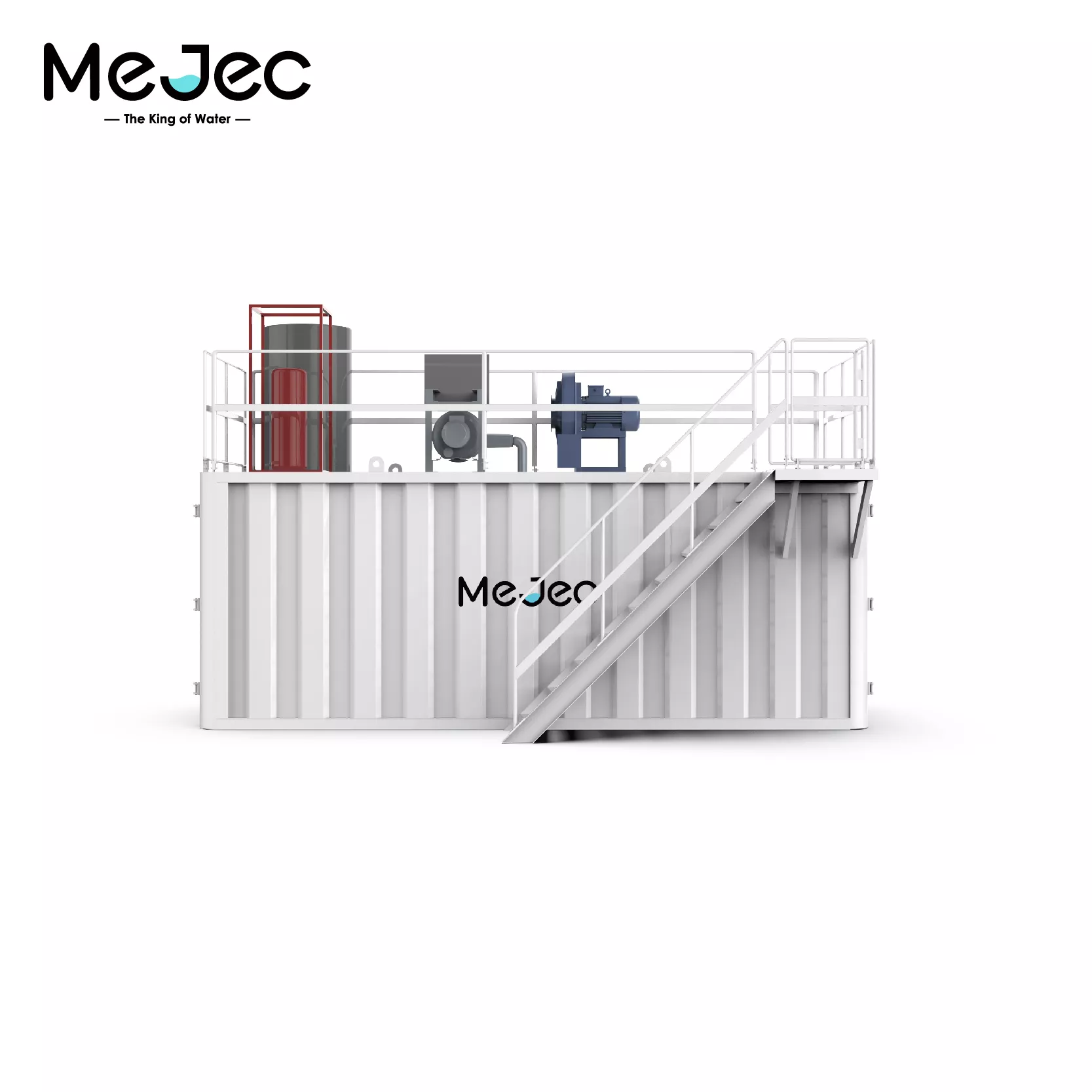
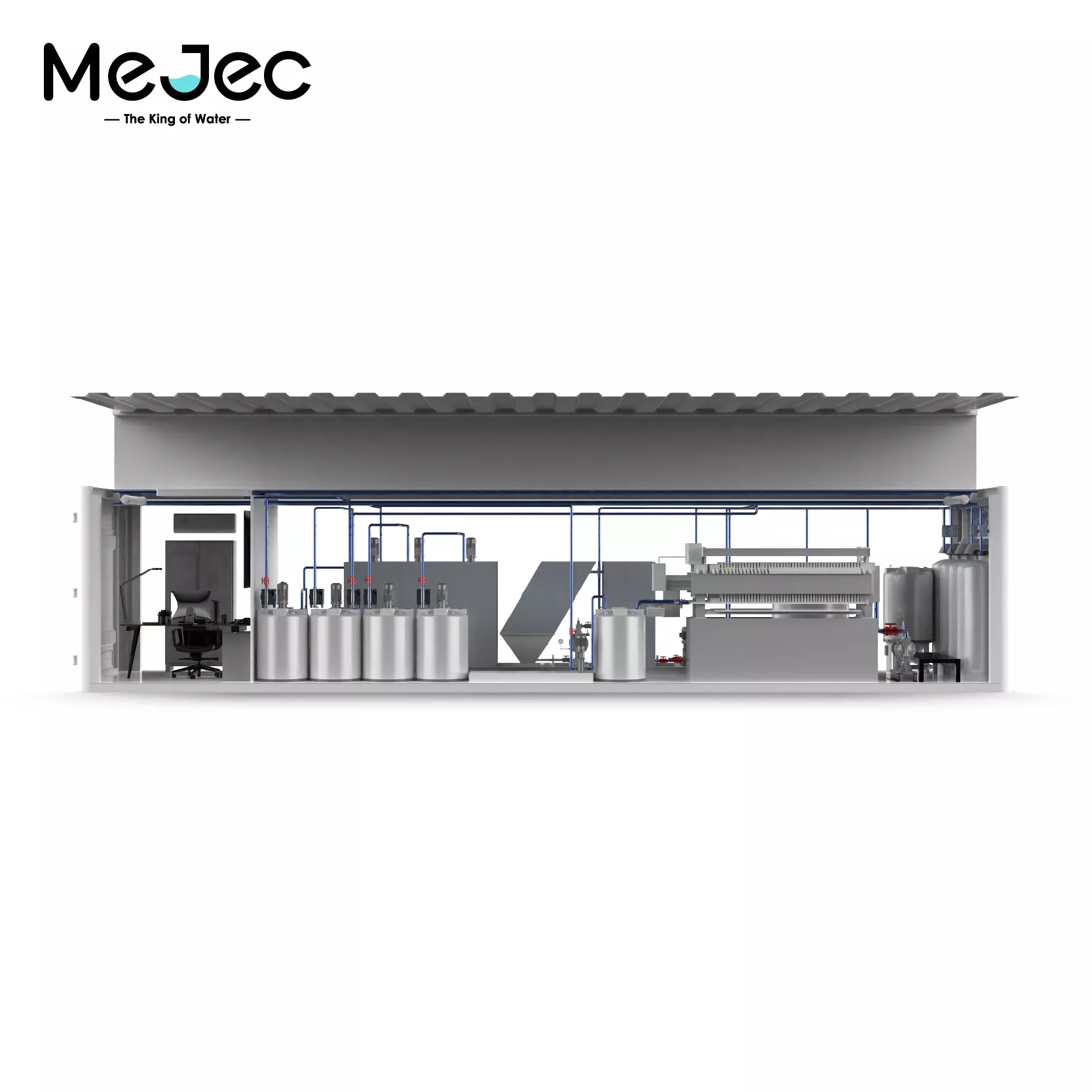
Mejec-Johkasou-SB adapts well to different field conditions. Its compact design and low energy needs make it suitable for villas, homestays, and factories. The high level of integration allows for quick setup and minimal maintenance. Compared to other compact systems, it offers excellent pollutant removal, low energy use, and modular scalability.
Note: Mejec-Johkasou-SB helps communities achieve reliable wastewater treatment, even where traditional systems are not possible.
Challenges And Future Trends
Current Limitations
Horizontal wastewater treatment systems have made great progress, but several challenges remain. These systems often require a high initial investment, which can slow adoption in some communities. Ongoing operating costs may also be a concern for long-term use. Environmental factors, such as temperature changes and variable water flow, can affect how well the system works. Managing the right balance of microorganisms is important for effective treatment, but it can be difficult to maintain.
The table below summarizes some of the main technical and operational limitations:
Limitation | Description |
|---|---|
High initial investment | Significant upfront costs hinder adoption. |
Operating costs | Ongoing expenses can be prohibitive for long-term operation. |
Dye toxicity | Toxic substances may reduce treatment efficiency. |
Alkaline conditions | High pH levels can disrupt biological processes. |
Hydraulic retention control | Difficulties in managing water flow rates can lower efficiency. |
Biomass management | Maintaining optimal microbial populations is challenging. |
Seasonal variability | Performance can change with the seasons. |
Substrate clogging | Material buildup can block flow and reduce efficiency. |
Integration complexities | Combining different treatment methods can introduce management issues. |
Environmental factors also play a key role:
Environmental Factor | Impact on Performance |
|---|---|
Temperature | Influences biological treatment and microorganism growth. |
Influent Variability | Fluctuations can cause differences in system performance. |
Hydraulic Loading Rates | Changes can affect treatment efficiency and biological activity. |
Research Directions
Researchers are working to overcome these challenges and improve system performance. New technologies are making a difference. Many systems now use sensors, IoT devices, and artificial intelligence to monitor water quality in real time. These tools help operators predict when maintenance is needed, automate chemical dosing, and optimize daily operations.
5G technology allows for rapid data transfer and real-time monitoring.
Predictive analytics can spot problems before they affect system performance.
Advanced sensors track water quality and system health around the clock.
Future trends include smarter, more automated systems that adapt to changing conditions. These advances will help horizontal wastewater treatment systems become even more reliable and efficient for communities everywhere.
Recent breakthroughs in horizontal wastewater treatment systems have transformed practical management.
Breakthrough Technology | Impact |
|---|---|
Modular MBBR systems | Enhanced efficiency, compact design |
Microalgae nutrient recovery | Valuable biofertilizers, high removal rates |
These advances improve efficiency, promote sustainability, and support decentralized solutions.
AI and smart sensors optimize energy use and operations.
Stay updated on innovations like Mejec-Johkasou-SB.
FAQ
How does the Mejec-Johkasou-SB system help rural communities?
The system treats wastewater locally. It protects water sources, operates off-grid, and adapts to small spaces. It supports public health and environmental safety.
What pollutants can horizontal wastewater treatment systems remove?
Pollutant | Removal Rate |
|---|---|
Organic Matter | Up to 97% |
Nutrients | Up to 80% |
Viruses | Up to 99% |
Can these systems run on solar power?
Yes, many horizontal systems, including Mejec-Johkasou-SB, use solar panels. Solar energy lowers costs and supports sustainable operation in remote areas.