Low Energy Wastewater Treatment System
Low Energy Wastewater Treatment System
A low energy wastewater treatment system represents a paradigm shift in sustainable water management, specifically engineered to drastically reduce electrical consumption compared to conventional activated sludge processes. These systems, which include advanced technologies such as Membrane Aerated Biofilm Reactors (MABR), Anaerobic Treatment processes, and innovative Sequencing Batch Reactors (SBR) with high-efficiency controls, are designed to minimize aeration energy, which typically constitutes 45% to 75% of a treatment plant's total energy use. Industry data and case studies, such as those compiled by the Water Environment Federation (WEF), demonstrate that implementing low-energy solutions can lead to energy savings of 30% to 60%. For instance, MABR technology, by delivering oxygen directly to a biofilm via gas-permeable membranes, achieves oxygen transfer efficiencies exceeding 90%, a stark contrast to the 5-15% efficiency of traditional fine-bubble aeration. This directly translates to a reduction in blower horsepower and energy demand. Similarly, mainstream anaerobic treatment technologies can transform organic pollutants into biogas (methane), creating a net energy-positive treatment scenario where the energy produced exceeds the energy required for operation. The operational cost benefits are substantial, with municipalities and industries reporting payback periods of 3 to 7 years on capital investments due to slashed utility bills, making these systems not only an environmental imperative but a compelling economic decision.
The efficacy and reliability of low energy wastewater treatment systems are validated by extensive real-world deployments and research from authoritative bodies like the U.S. Environmental Protection Agency's (EPA) ENERGY STAR program for wastewater plants. For example, the EPA documents that optimizing aeration systems alone can save a typical plant 15-40% on energy costs without compromising effluent quality. Furthermore, integration with renewable energy sources, such as solar-powered aerators or biogas-driven combined heat and power (CHP) units, is a common and logical extension of these systems, pushing facilities closer to energy neutrality. Data from full-scale installations show facilities achieving energy consumption levels as low as 0.2-0.3 kWh per cubic meter of treated wastewater, compared to the industry average of 0.4-0.8 kWh/m³. This performance is critical for meeting stringent modern discharge permits for nutrients (nitrogen and phosphorus) while controlling operational expenditures. The system's robustness is enhanced by smart, automated controls that use real-time sensors for dissolved oxygen, ammonia, and nitrate to dynamically adjust aeration and mixing, preventing energy waste. By adopting a low energy wastewater treatment system, operators future-proof their assets against rising energy costs, strengthen regulatory compliance, and demonstrate a tangible commitment to corporate social responsibility and sustainability goals, securing long-term operational and financial resilience.


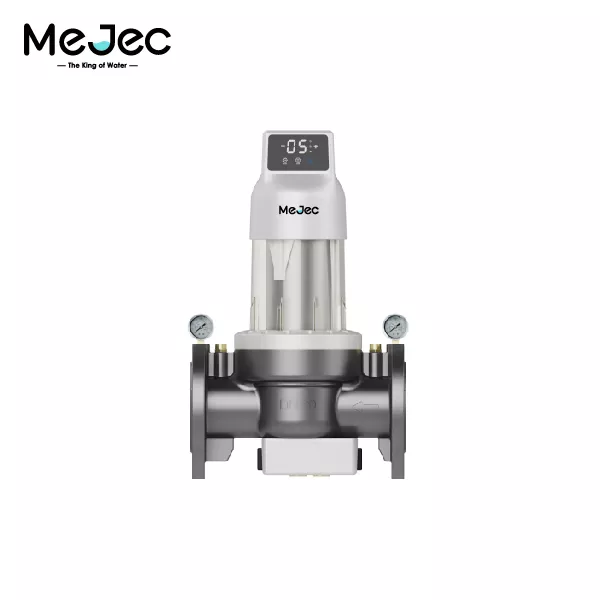



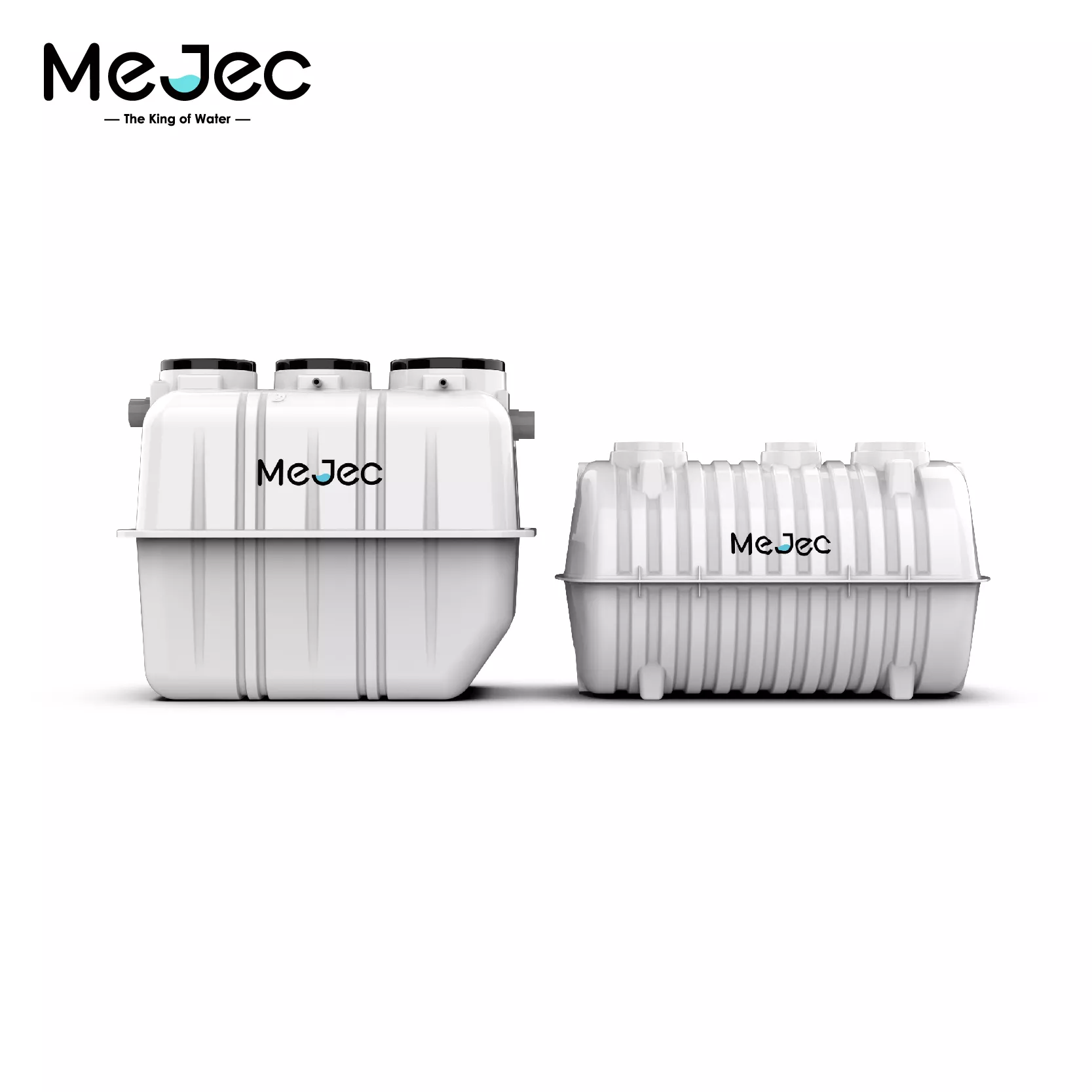
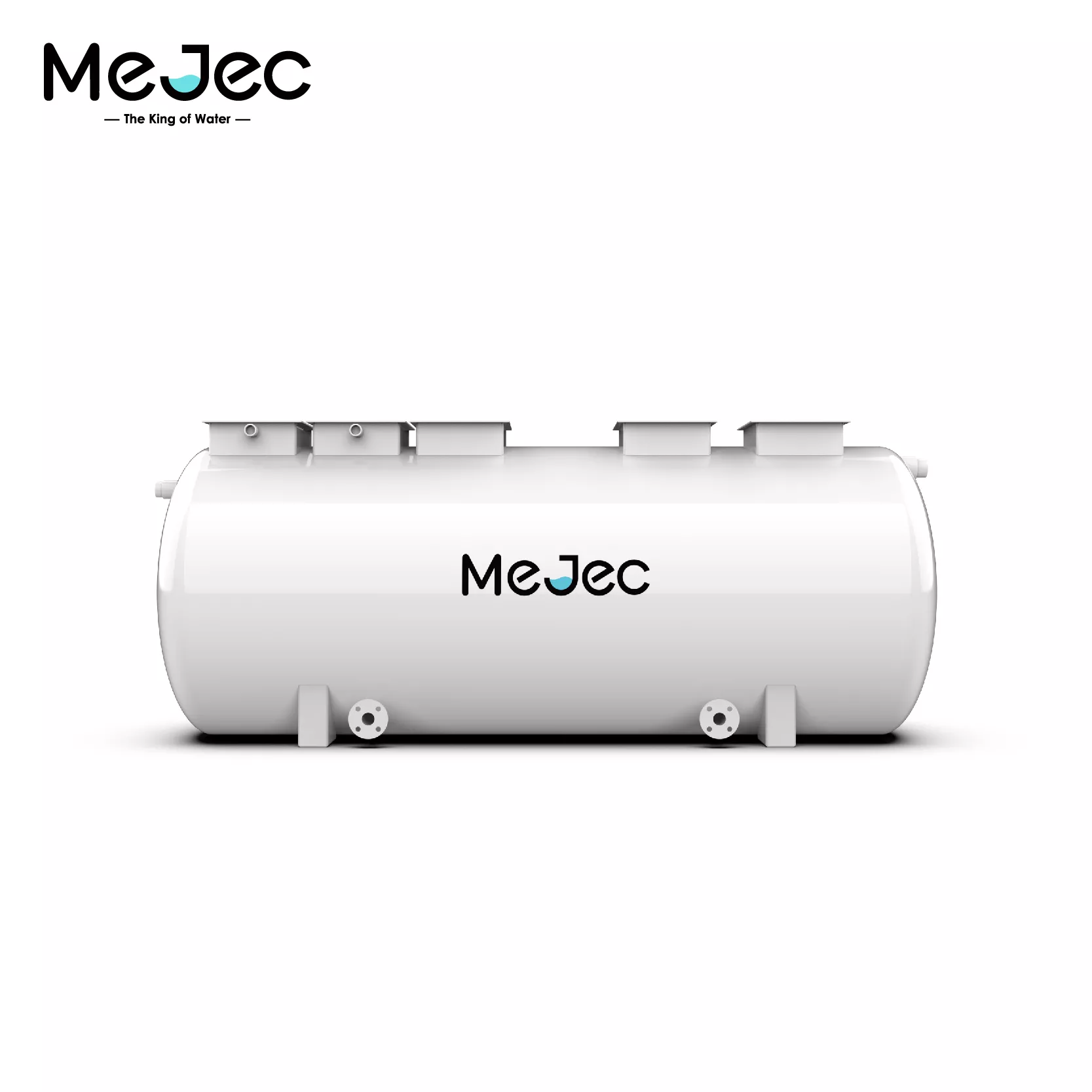
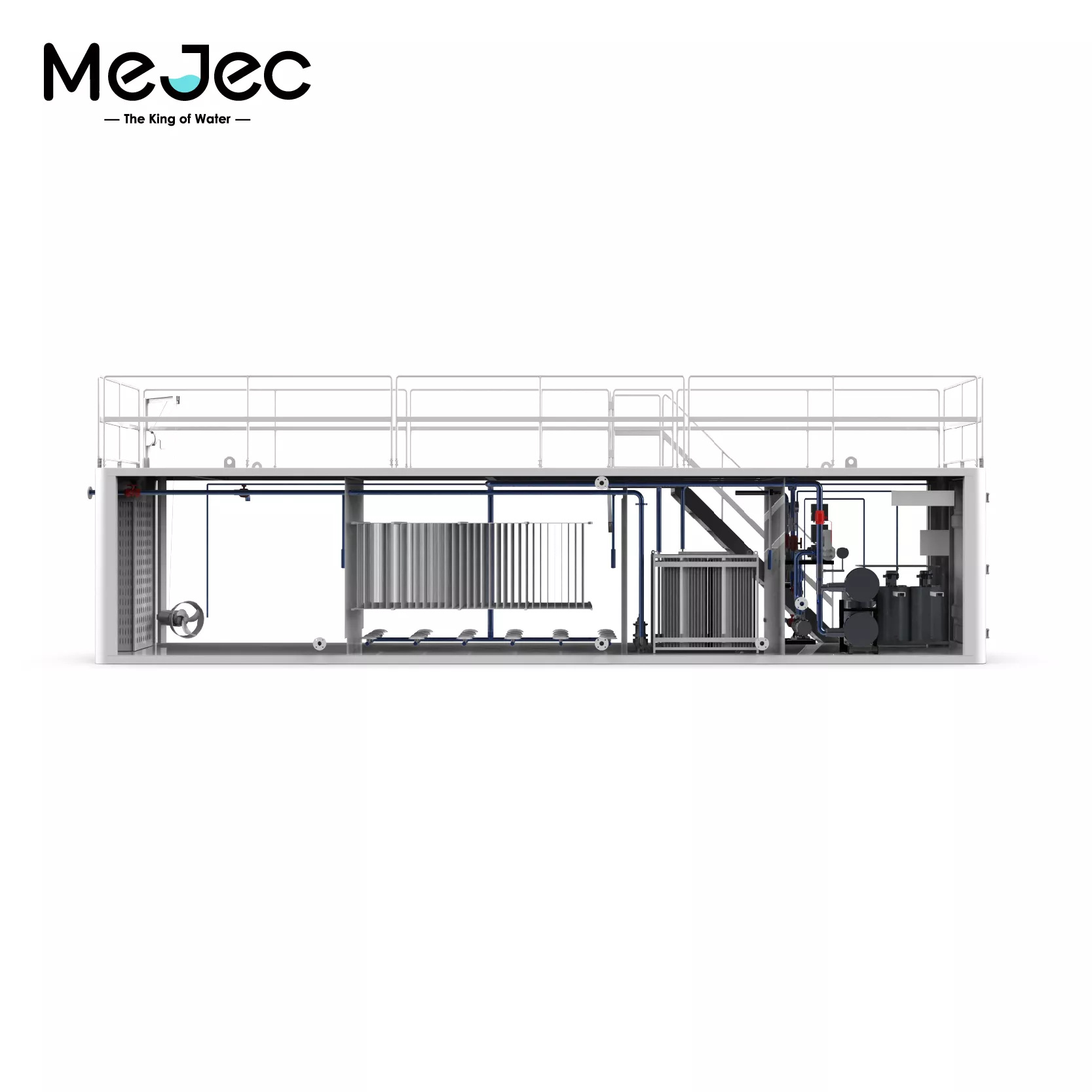
.webp)









User Comments
Service Experience Sharing from Real Customers
James Wilson
Facilities ManagerThis low energy system has cut our wastewater treatment costs by over 40%. The passive aeration design is brilliant and requires minimal oversight. A game-changer for our sustainability goals.
Priya Sharma
Environmental EngineerHighly effective for our small community plant. The low energy footprint was the key selling point, and it delivers. Setup was straightforward, and operational stability has been excellent so far.
Robert Chen
Plant SuperintendentOutstanding performance in our remote resort. Runs reliably on solar power alone, perfectly matching our off-grid needs. Water quality consistently meets discharge standards with almost no power draw.
Elena Rodriguez
Sustainability DirectorIntegrated seamlessly into our eco-campus. The system's energy efficiency dramatically reduced our overall carbon footprint. Low maintenance and robust performance - exactly as promised.