Solar Powered Wastewater Treatment System
Solar Powered Wastewater Treatment System
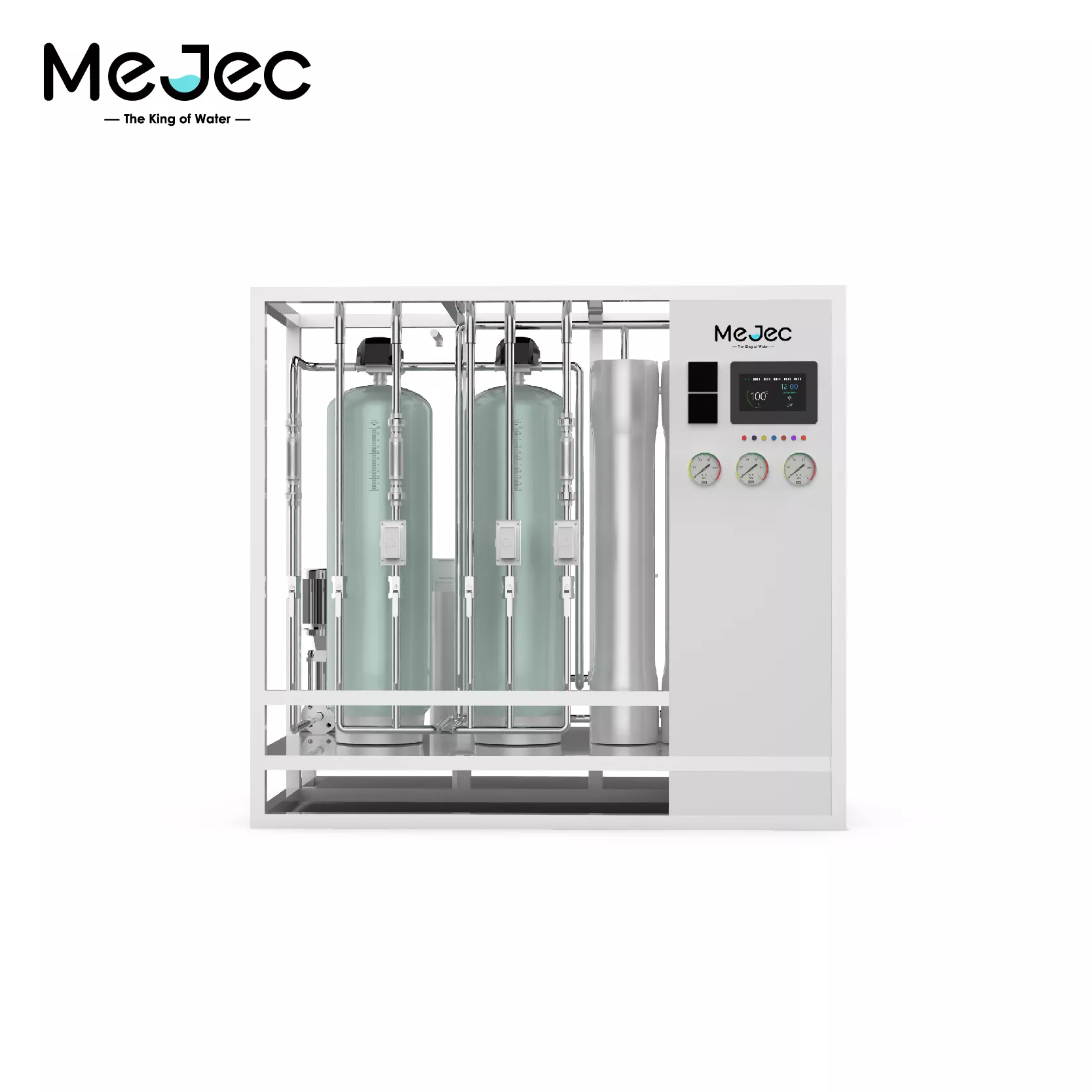
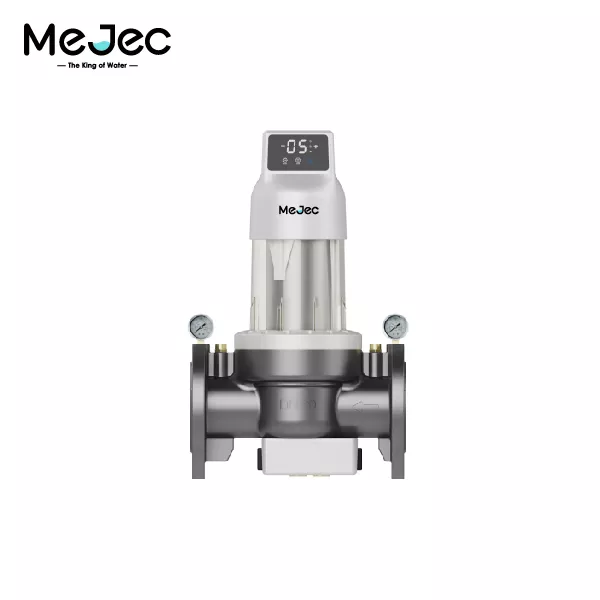
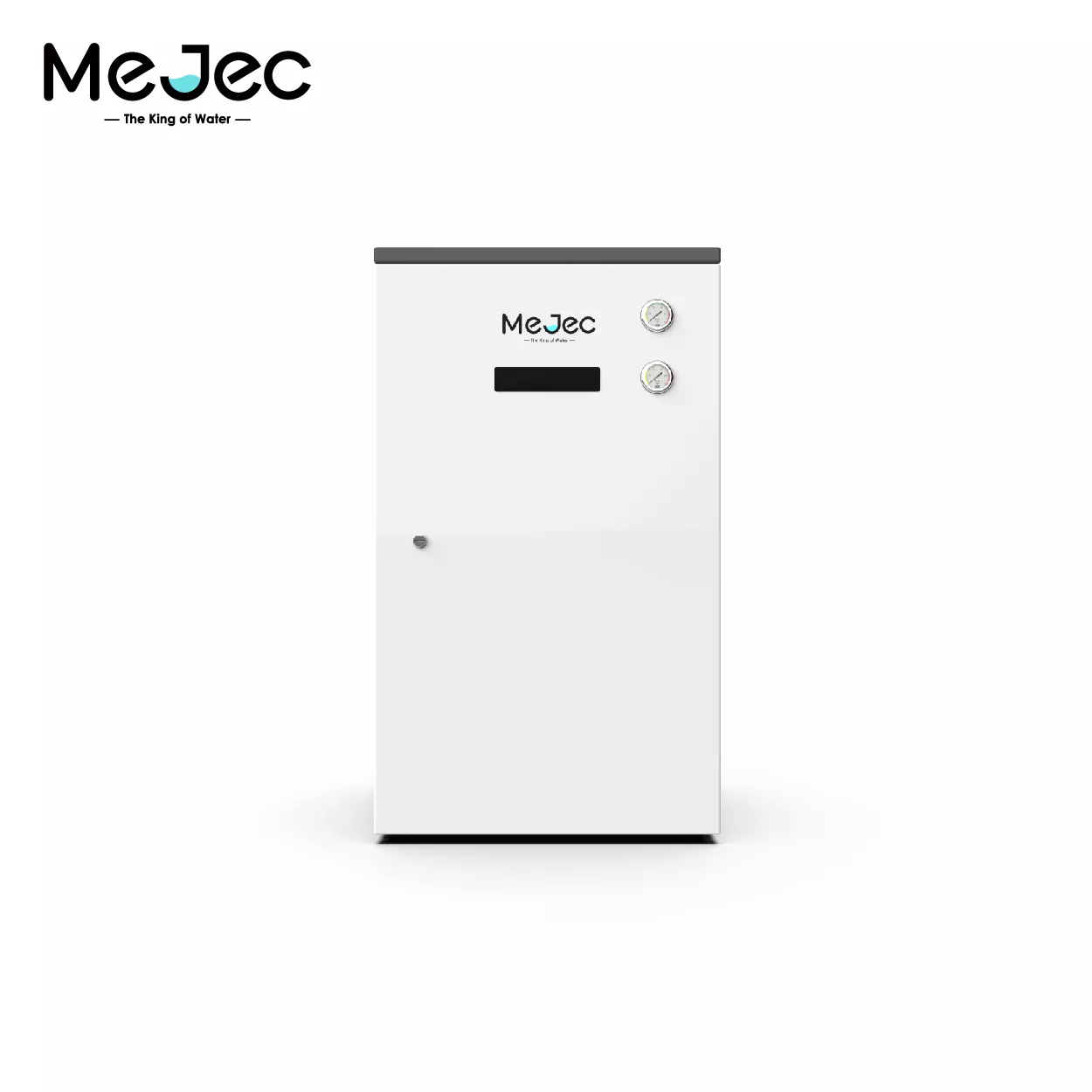
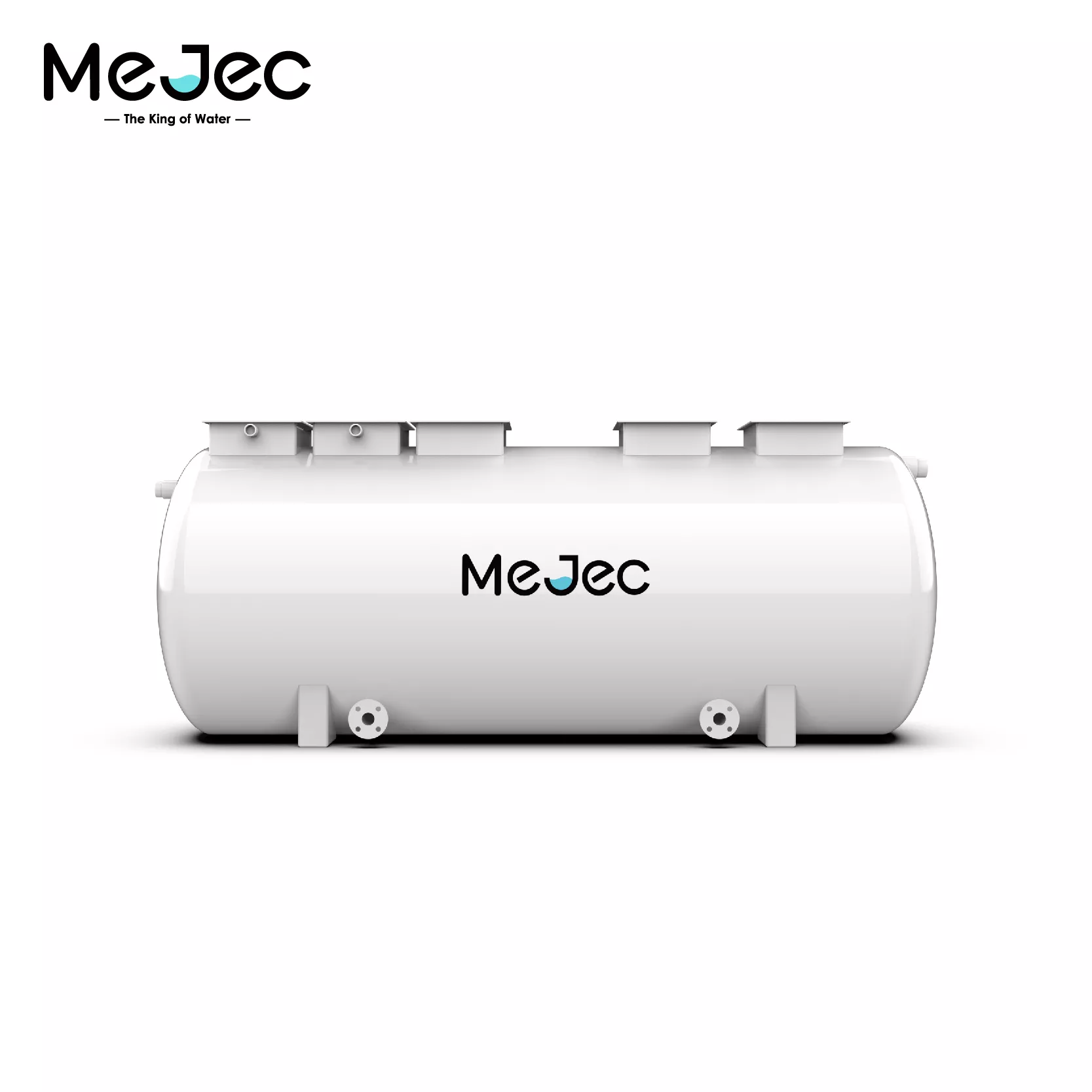
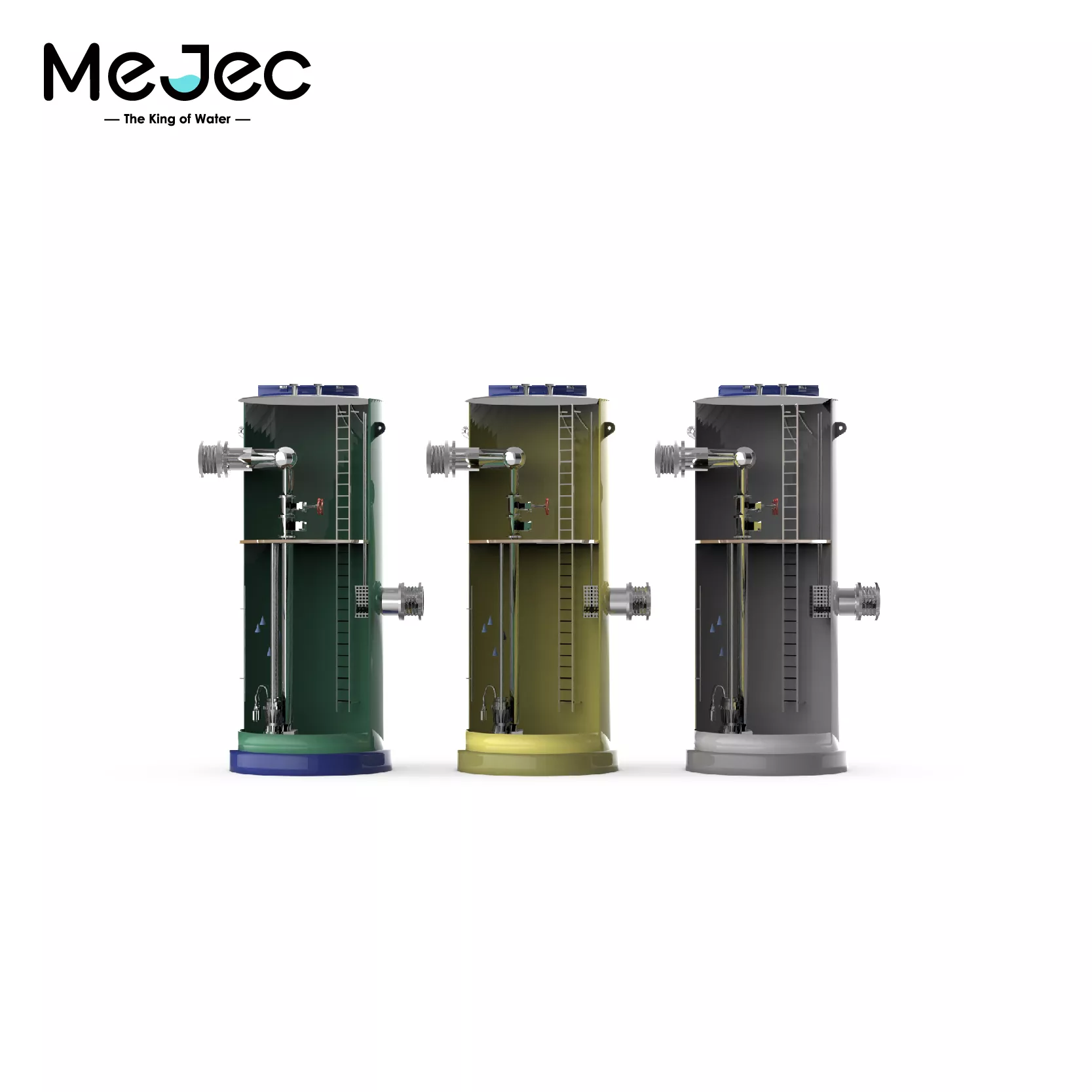
A solar powered wastewater treatment system utilizes photovoltaic panels to generate the electricity required to operate the entire treatment process, making it a fully off-grid or grid-assisted sustainable solution. These systems are engineered to convert sunlight into electrical power, which then drives pumps, aerators, blowers, and control systems without reliance on conventional energy sources. The core technology integrates proven treatment methodologies—such as Membrane Bioreactors (MBR), Sequential Batch Reactors (SBR), or advanced aerobic digestion—with solar energy capture and storage via battery banks. This design is specifically tailored for remote communities, agricultural operations, industrial sites, and decentralized projects where grid connection is unreliable, unavailable, or prohibitively expensive. By eliminating ongoing electricity costs and associated carbon emissions, solar-powered units present a transformative approach to managing wastewater, turning an energy-intensive public utility into a self-sufficient, environmentally positive asset.
The implementation and efficacy of solar powered wastewater treatment are supported by substantial real-world data and research. For instance, a study published in the *Journal of Environmental Management* demonstrated a specific decentralized system achieving over 95% removal of Biological Oxygen Demand (BOD) and Total Suspended Solids (TSS) while being powered entirely by a 5 kW photovoltaic array coupled with a 48V battery bank, sufficient for daily treatment of up to 20 cubic meters of sewage. Industry reports, such as those from the Global Water Intelligence, highlight a growing market adoption, with project examples including installations in rural India treating 50,000 liters per day and remote Australian mining camps handling high-strength wastewater. Operational data from these sites consistently shows a reduction in operational expenditure by 60-80% primarily due to the elimination of diesel fuel or grid power costs. Furthermore, lifecycle assessments cited in engineering analyses confirm that the embodied energy of the solar panels is typically offset by the avoided fossil-fuel energy within 2-4 years of operation, resulting in net-negative carbon emissions thereafter. The systems are designed with redundancy, including maximum power point tracking (MPPT) charge controllers and automated duty cycling to ensure continuous treatment during periods of low sunlight. This proven reliability, backed by performance metrics from actual installations across diverse climates, establishes solar-powered wastewater treatment not as experimental technology, but as a robust, cost-effective, and essential solution for sustainable water management and regulatory compliance in the 21st century.




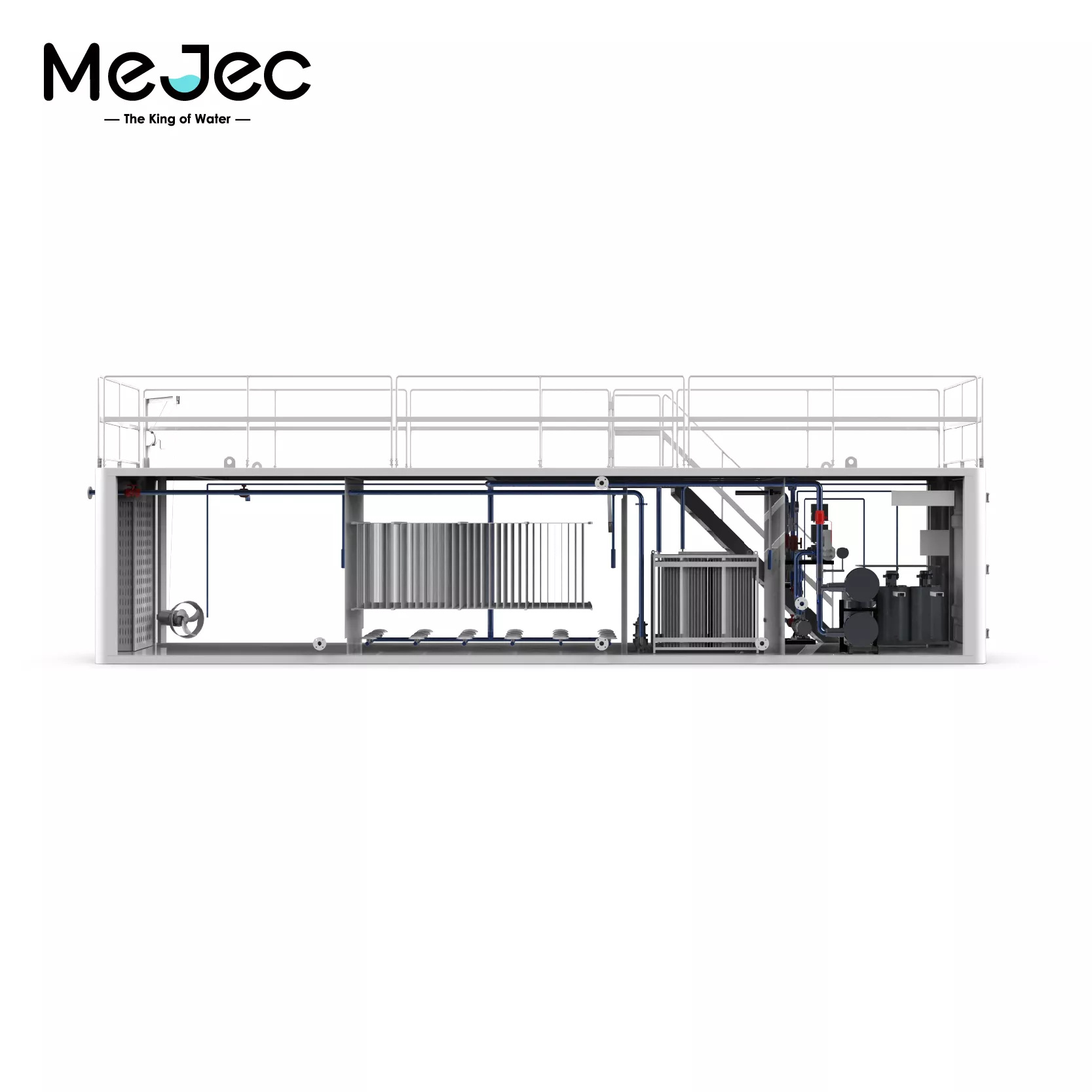
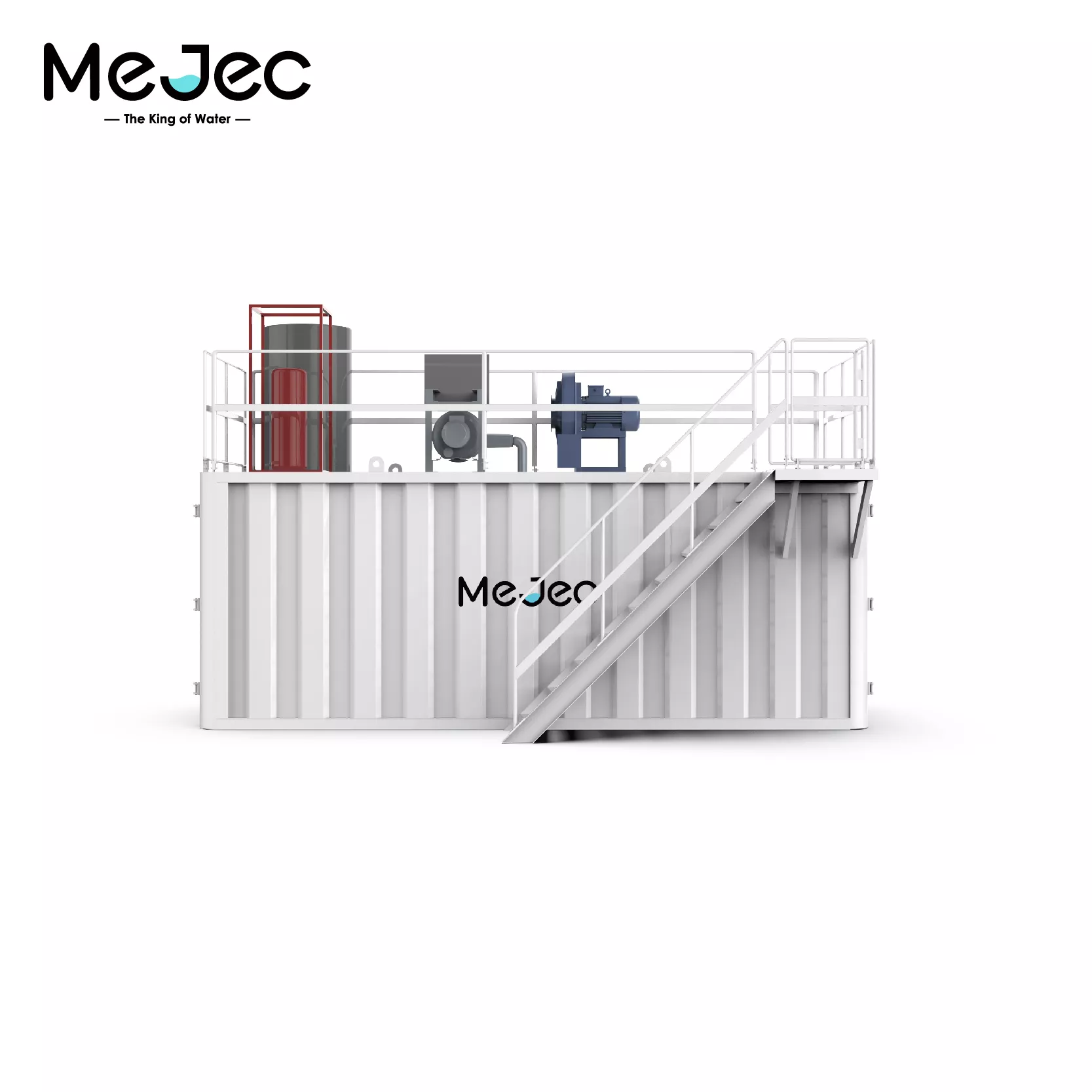
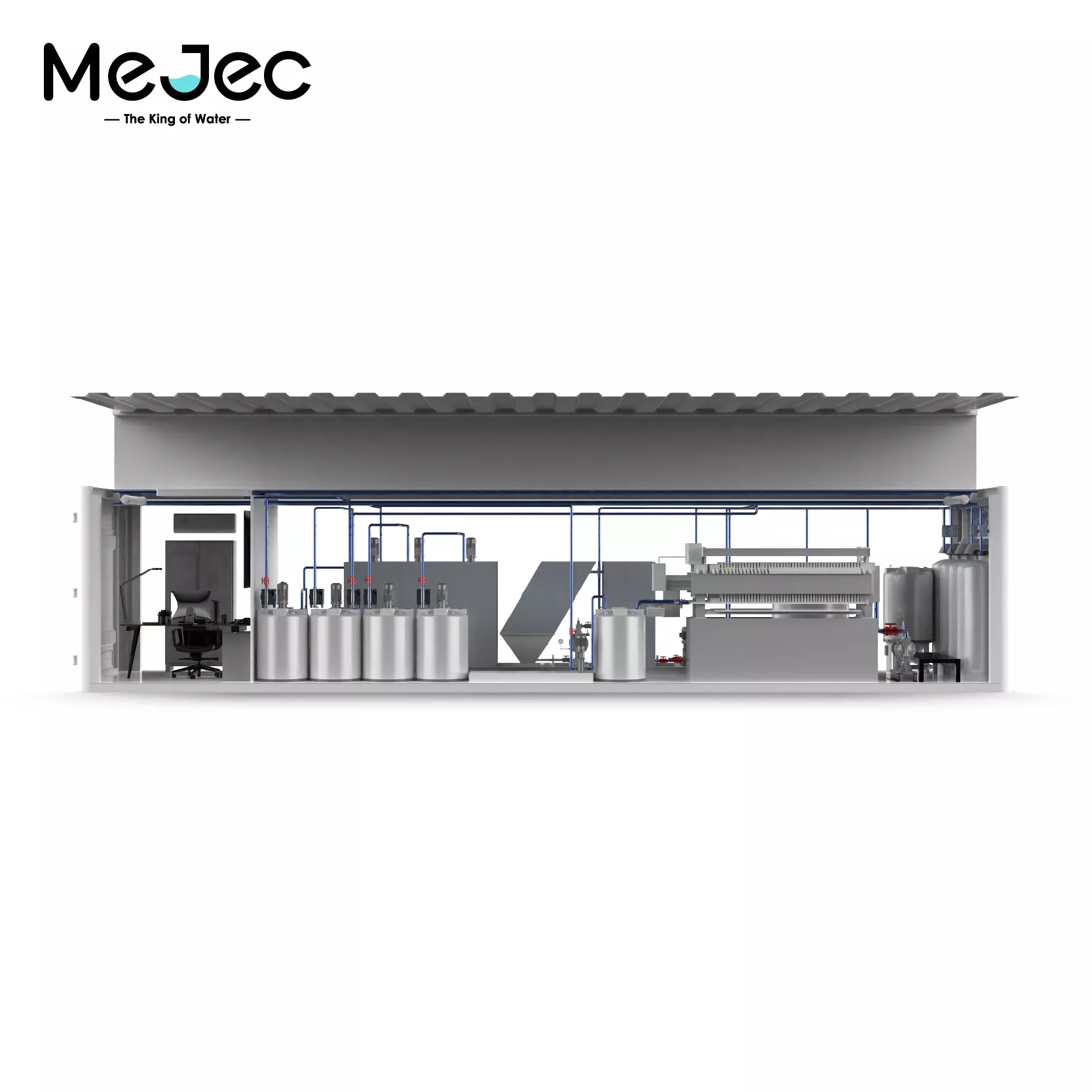
.webp)












User Comments
Service Experience Sharing from Real Customers
James Wilson
Environmental EngineerThis solar-powered system has revolutionized our remote site's wastewater management. Zero operational energy costs and minimal maintenance. The self-sufficient design is perfect for off-grid locations.
Sarah Chen
Farm ManagerHighly effective for our agricultural runoff. The system uses renewable energy, drastically cutting our costs and environmental footprint. Water quality for reuse has improved significantly. One point off for a longer than expected setup time.
David Rodriguez
Public Works DirectorImplemented this in a small community with unreliable power. It's been a game-changer—consistent treatment performance, reduced odor, and tremendous community approval for the green initiative. Reliability is outstanding.
Emily Foster
Eco-Resort OwnerExactly what our sustainable resort needed. The system handles our peak season capacity silently and cleanly. Guests appreciate our commitment to green technology. The investment has already paid for itself in saved utility bills.