




.webp)
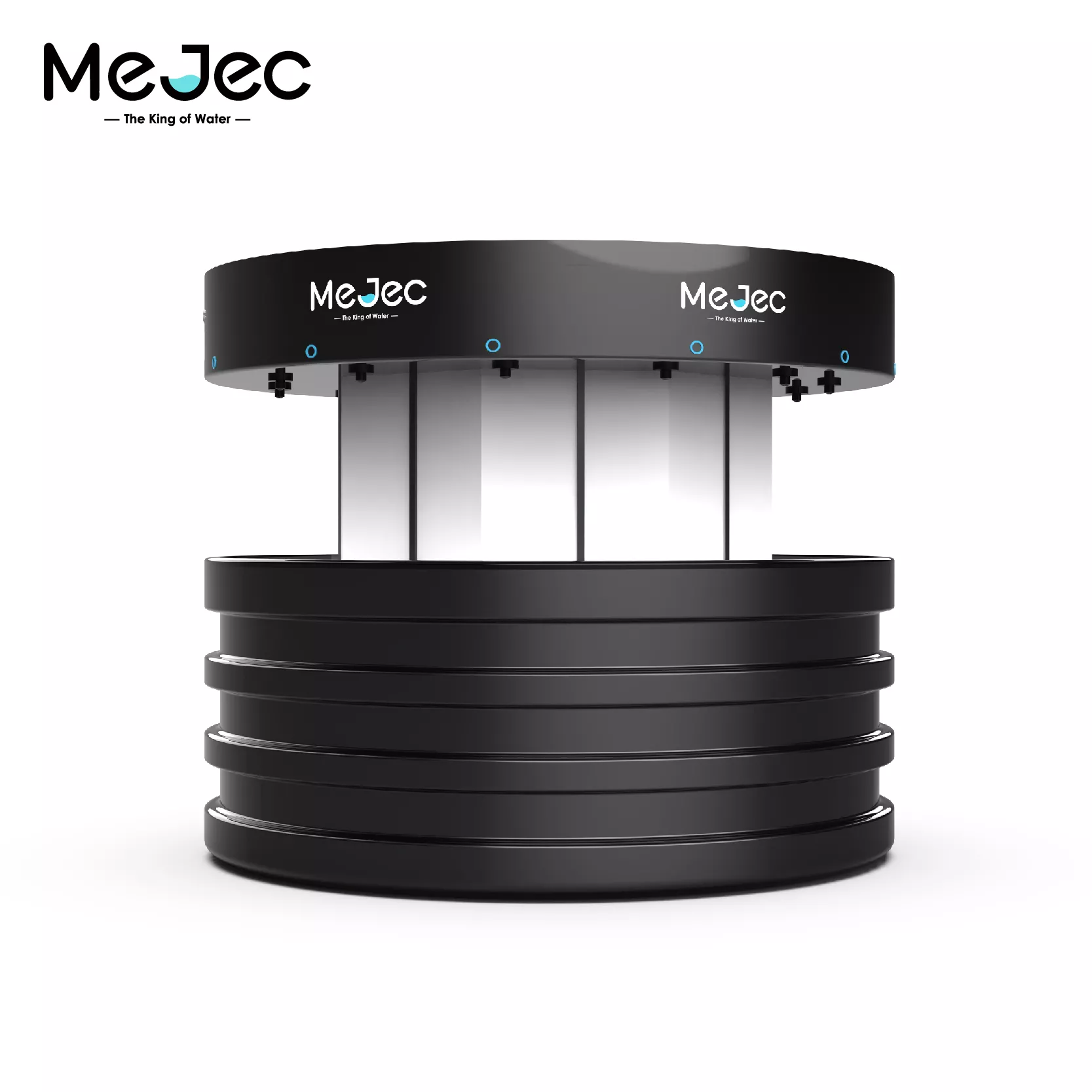
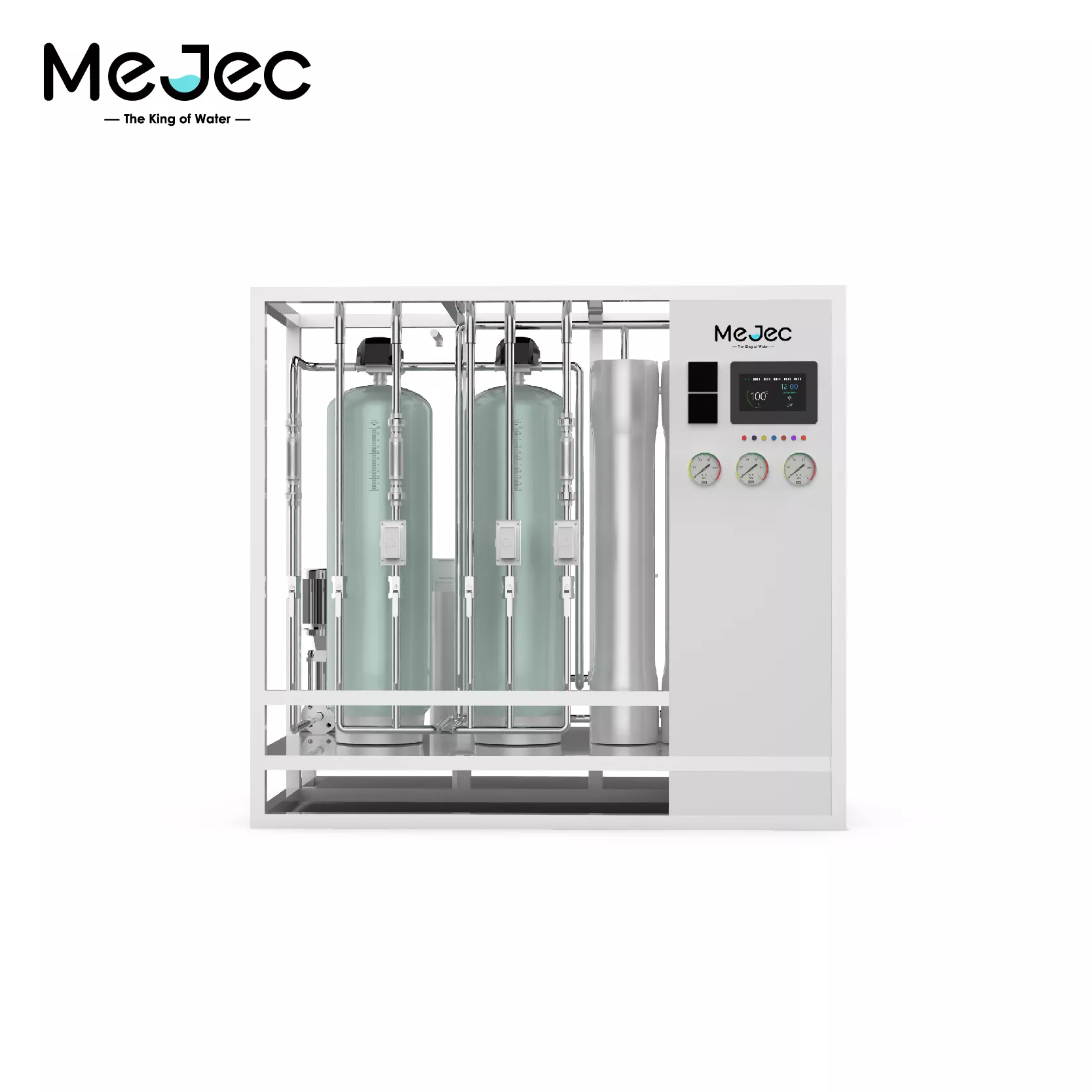
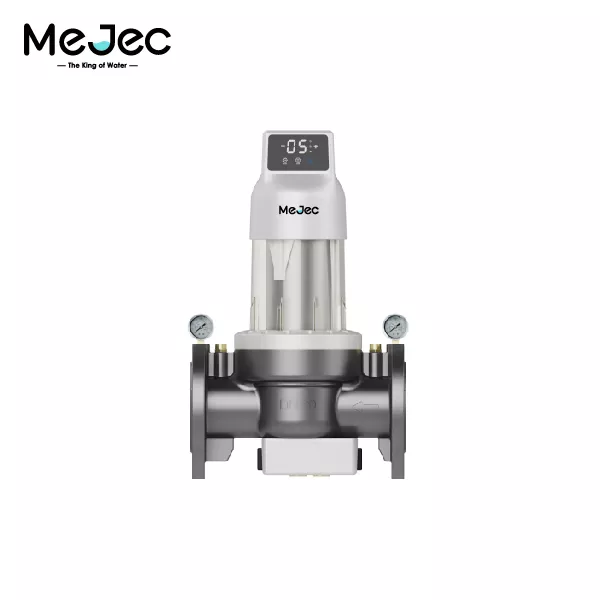
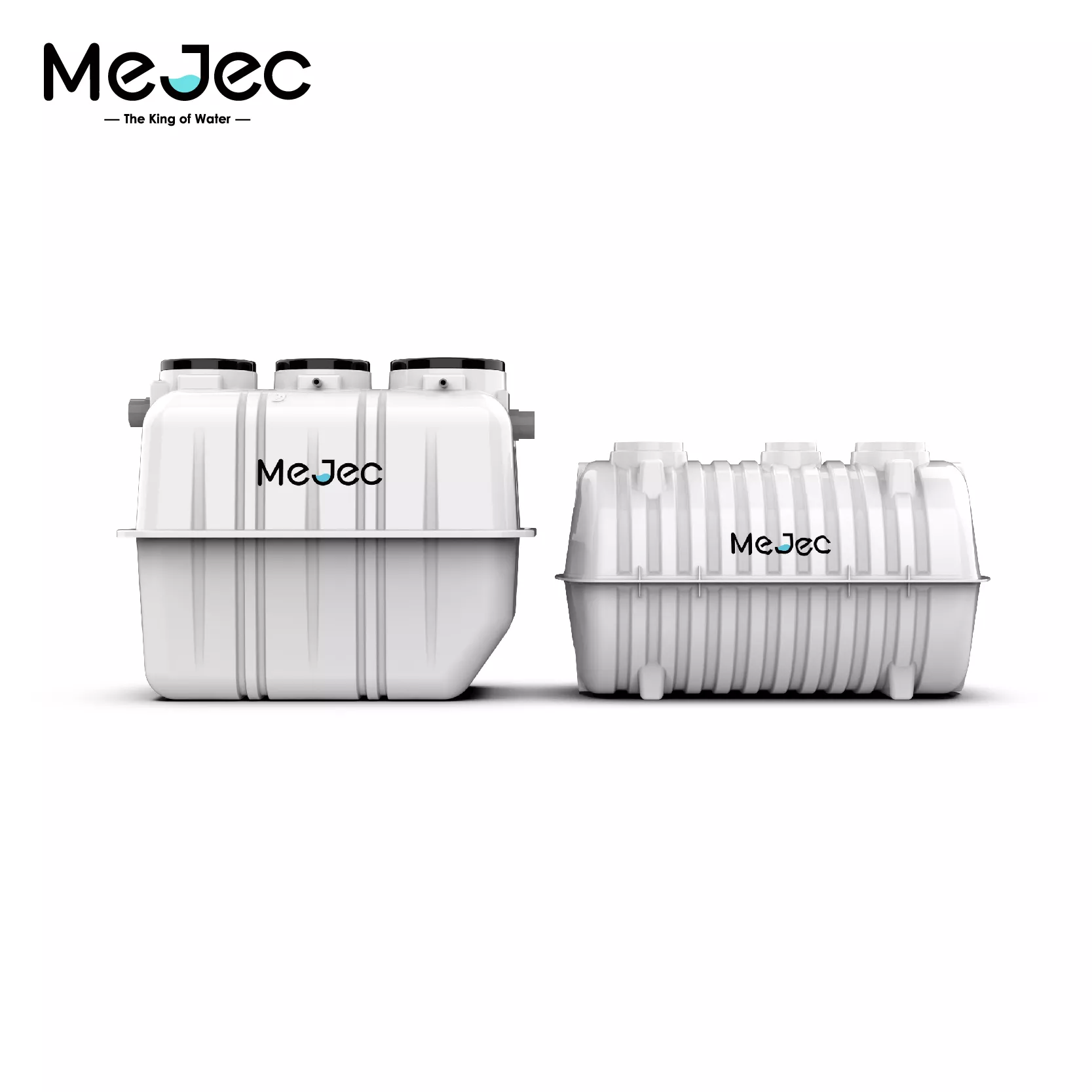
Just Installed: The Pinnacle of Commercial Water Technology in a Stunning Lobby Setting
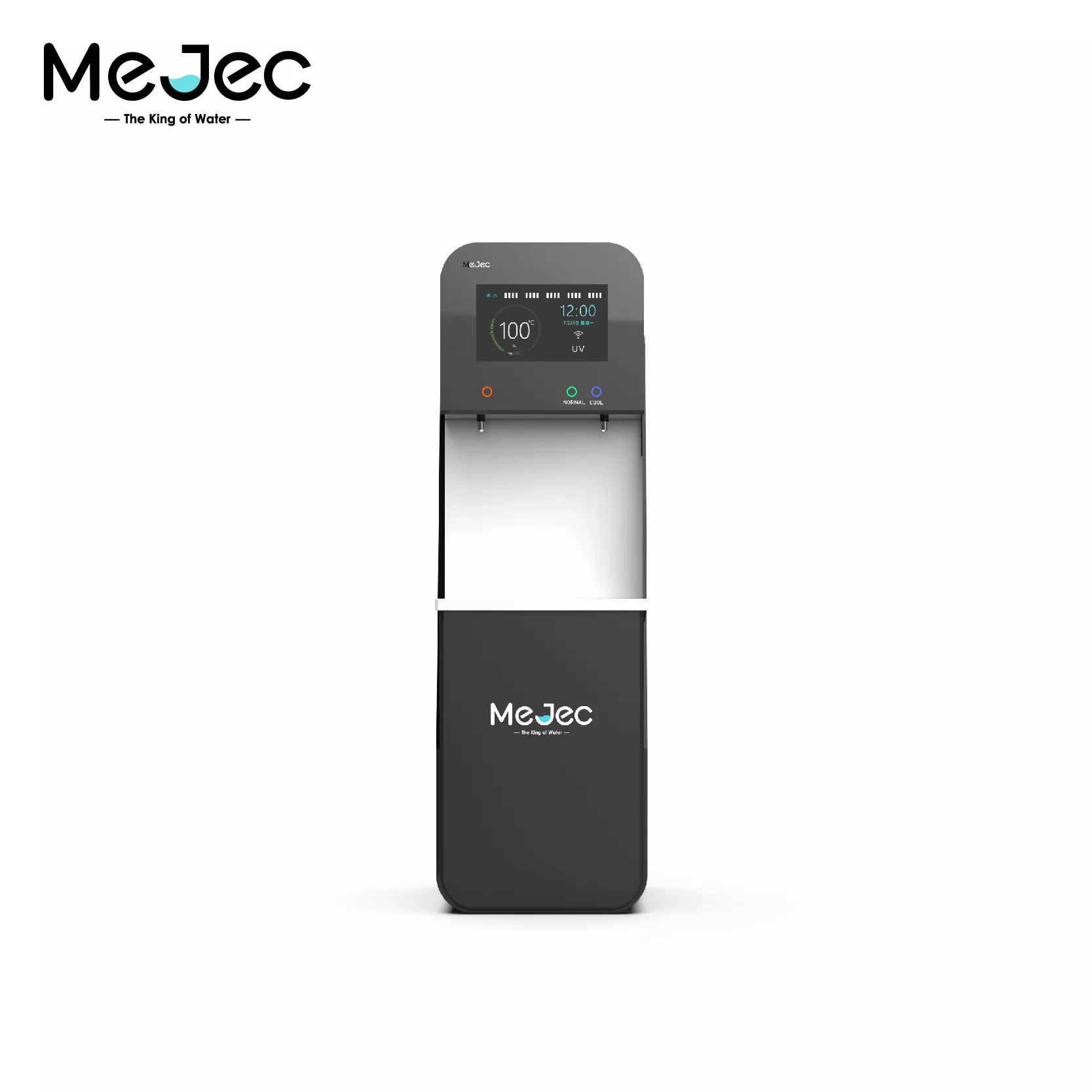
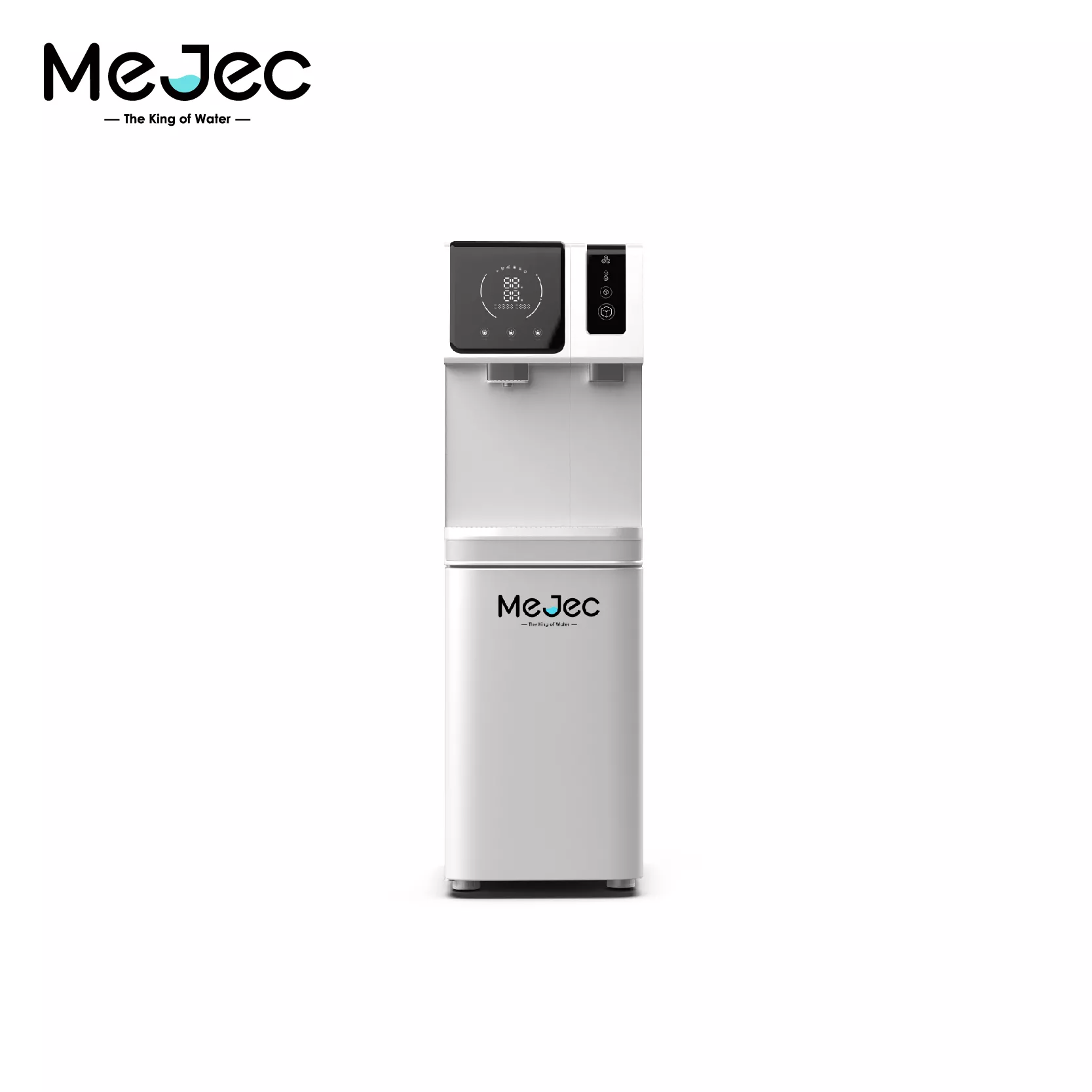
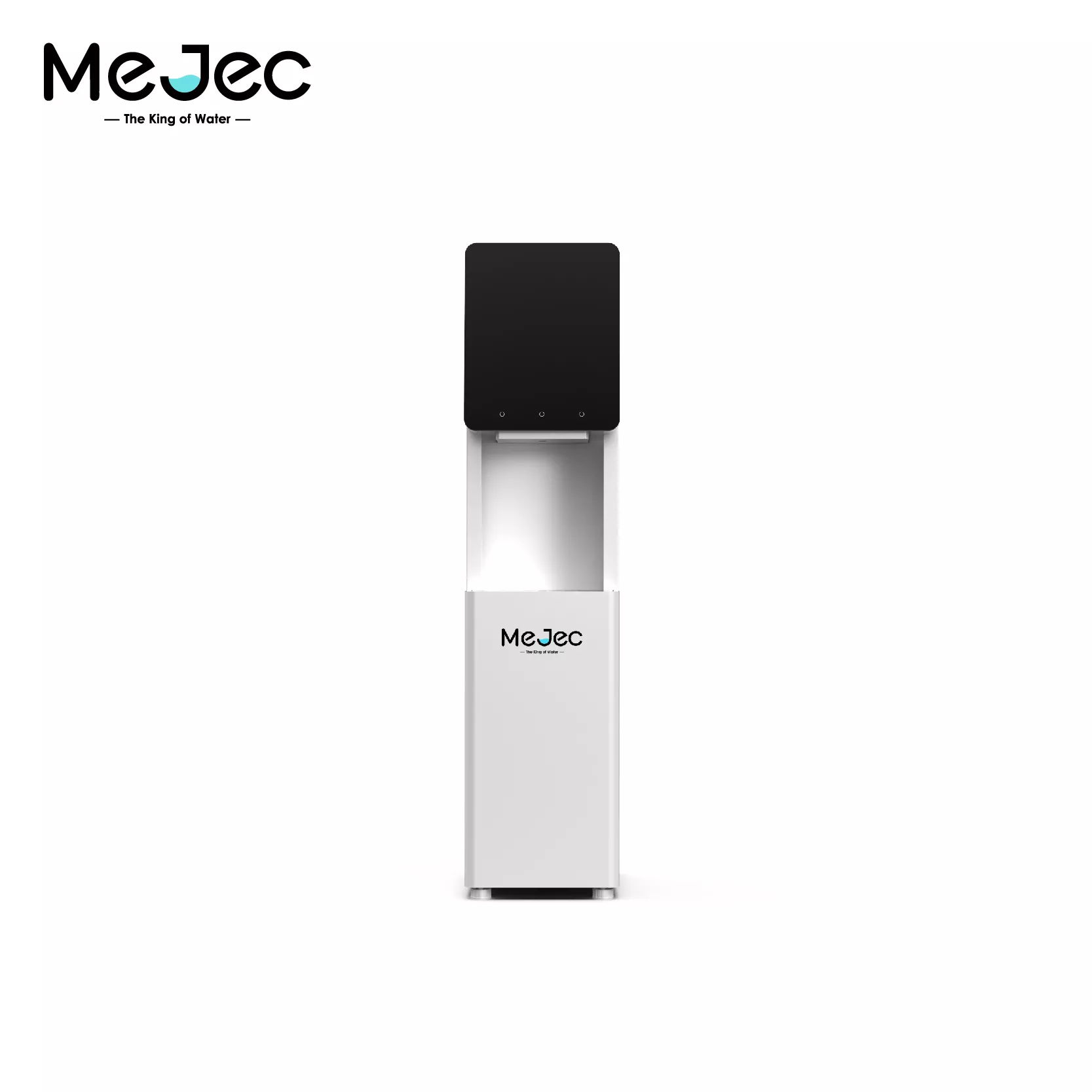
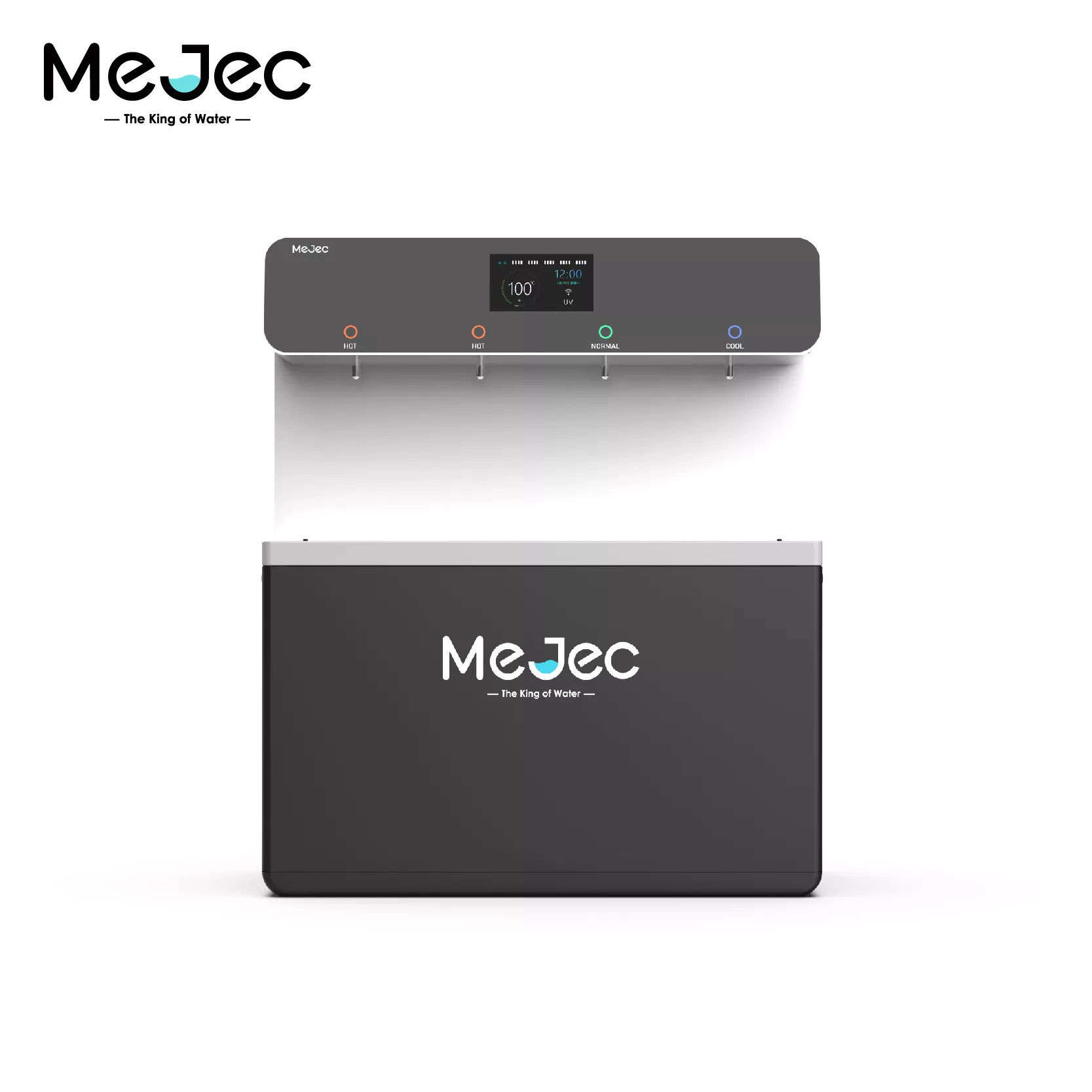
Mejec has successfully completed the installation ...
More


Over 4 billion people currently experience water scarcity.
Aging infrastructure struggles to manage growing wastewater volumes. This reality demands better water waste solutions. The top 10 innovations for 2026 are:
Enhanced Biological Phosphorus Removal (EBPR) 2.0
Anammox-Based Nitrogen Removal Systems
Bio-Electrochemical Systems (BES) for Resource Recovery
Supercritical Water Oxidation (SCWO) for PFAS Destruction
Advanced Oxidation Processes (AOPs) with UV/LED
Plasma-Based Water Treatment
Membrane Aerated Biofilm Reactors (MABR)
AI-Powered Process Control and Optimization
Forward Osmosis for High-Salinity Brine Management
Decentralized Water Reuse Systems
New rules and water shortages mean we need better ways to clean water. These new methods help our planet and create new business chances.
New technologies can remove bad stuff from water. They can also turn waste into useful things like energy and clean water.
Using smart systems and local water treatment helps save water and money. This makes sure we have enough clean water for the future.
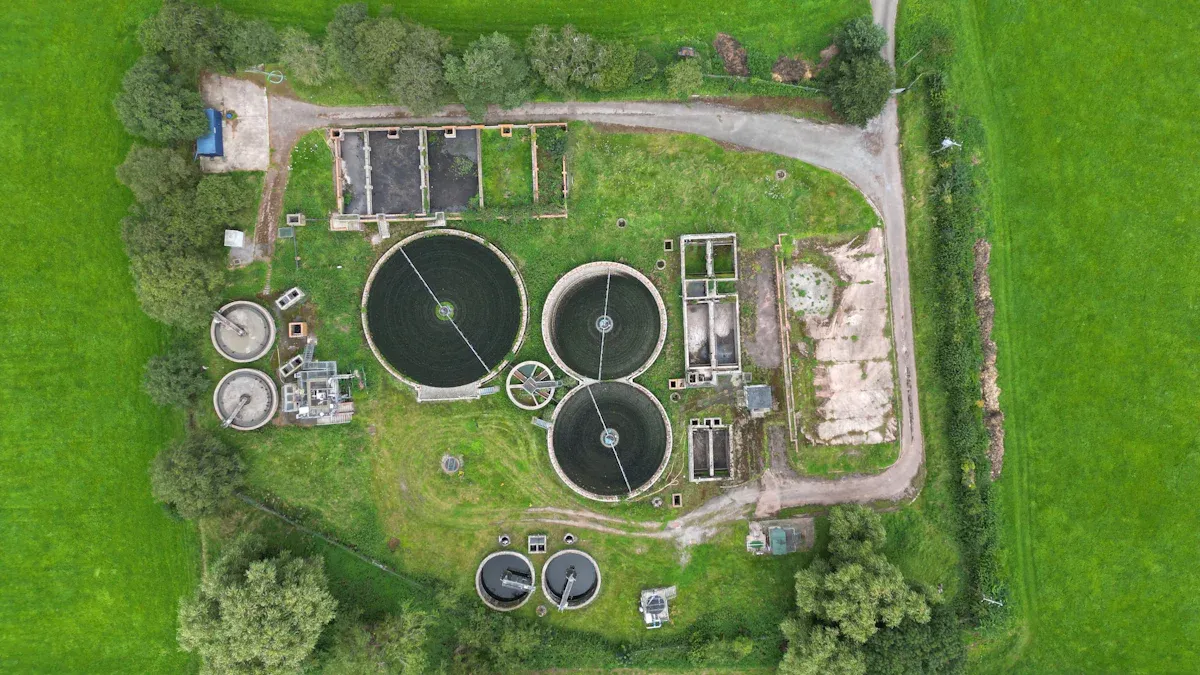
Strict regulations are pushing the wastewater industry toward better treatment methods. Nutrient pollution creates serious problems. It causes toxic harmful algal blooms (HABs) and large "dead zones" in over 15,000 US water bodies. A 2014 bloom in Lake Erie made drinking water unsafe for 400,000 people. In response, governments are setting tougher rules. The EU's revised directive will require total phosphorus levels below 0.5 mg/L by 2036. A recent survey showed that two-thirds of US water professionals see new regulations as the main reason to adopt new technology.
This regulatory push is driving huge market growth. The global market for water and wastewater treatment is expected to grow from $350.7 billion in 2025 to $591.2 billion by 2030. These advanced water waste solutions are not just a cost; they are a major economic opportunity.
Enhanced Biological Phosphorus Removal (EBPR) uses special microorganisms to remove phosphorus from wastewater. These bacteria, called PAOs (polyphosphate-accumulating organisms), absorb and store large amounts of phosphorus in their cells. The process involves cycling the wastewater between anaerobic (no oxygen) and aerobic (with oxygen) conditions. This cycle encourages the PAOs to thrive and remove phosphorus effectively.
The "2.0" version of EBPR represents the next generation of this technology. It focuses on greater stability and efficiency. New systems use advanced sensors and control logic. This provides more reliable performance, even when wastewater conditions change. EBPR 2.0 is a key tool for meeting the strict new nutrient limits set by regulators.
Did You Know? The EU's revised Urban Waste Water Treatment Directive mandates phosphorus removal rates of over 90% for many treatment plants, making technologies like EBPR 2.0 essential for compliance.
Anammox is a groundbreaking biological process for nitrogen removal. It uses a unique type of bacteria that performs a shortcut in the nitrogen cycle. Traditional methods require two separate steps with significant oxygen and a carbon source. Anammox bacteria combine ammonia and nitrite directly into harmless nitrogen gas. This makes the entire process much more efficient.
The benefits of Anammox systems lead to major operational savings. Plants that adopt this technology see significant cost reductions.
No need for an external carbon source like methanol.
Lower energy costs due to a 58% reduction in oxygen demand.
Up to 90% less sludge produced, which cuts disposal costs.
However, implementing Anammox on a large scale has challenges. The technology requires careful management to perform well.
| Challenge | Description |
|---|---|
| Temperature Sensitivity | Anammox bacteria work best in warm water. Their activity drops sharply in temperatures below 10 °C (50 °F). |
| Suppressing NOB | Preventing other bacteria (nitrite-oxidizing bacteria, or NOB) from competing with Anammox is a constant challenge. |
| Membrane Fouling | The bacteria can produce sticky substances that clog membranes, requiring special cleaning and control. |
Despite these hurdles, Anammox is a leading solution for sustainable nitrogen management.
Bio-electrochemical systems (BES) are changing our view of wastewater. These systems use the natural abilities of microbes to create an electrical current. This current not only treats the water but also helps recover valuable resources. A BES turns a treatment plant into a bio-refinery. It transforms pollutants into useful products, creating a true circular economy.
Instead of just cleaning water, BES can generate a variety of valuable outputs. This makes them one of the most exciting emerging water waste solutions. Recoverable resources include:
Energy: Electricity, hydrogen gas, and methane.
Chemicals: Organic acids and other valuable compounds.
Biopolymers: Sustainable plastics made from waste.
Carbon Capture: The process can also capture carbon dioxide to create other products.
By turning waste into value, BES technology represents a major shift from simple disposal to sustainable resource recovery.
Some of the biggest challenges in wastewater treatment come from tiny contaminants. "Forever chemicals," also known as PFAS, are man-made substances that do not break down easily. They are linked to serious health problems, including cancer and developmental issues. An estimated 45% of U.S. tap water contains PFAS. In response, the EPA has proposed strict limits for PFAS in drinking water, setting the level for PFOA and PFOS at just 4.0 parts per trillion. This regulatory pressure is driving the need for powerful new water waste solutions.
Supercritical Water Oxidation (SCWO) is a powerful technology that completely destroys PFAS. It works by heating and pressurizing water to a "supercritical" state. In this state, water acts like a solvent that can dissolve and break down harmful chemicals. The strong carbon-fluorine bonds in PFAS are broken, turning them into harmless substances like inorganic fluorine and carbon dioxide.
SCWO is extremely effective. Studies show it can eliminate over 99% of various PFAS compounds.
| Demonstration | Compound | Reduction |
|---|---|---|
| Aquarden | PFOS | >99% |
| 374Water | PFOA | >99% |
| All three systems | Total PFAS | >99% |
However, the technology requires high investment to build and operate due to the extreme conditions needed.
Advanced Oxidation Processes (AOPs) use powerful chemical reactions to destroy micropollutants. One modern approach uses UV light from energy-efficient LEDs combined with an oxidant like hydrogen peroxide. This creates highly reactive molecules called hydroxyl radicals. These radicals act like tiny cleaning agents, attacking and breaking down contaminants like pharmaceuticals and pesticides. AOPs can be tailored to target specific pollutants. For example, direct UV light is very effective against the painkiller Diclofenac.
Plasma-based water treatment is an innovative technology that uses electricity to turn water into a reactive state called plasma. This "fourth state of matter" is filled with energetic particles that can degrade even the most stubborn pollutants. The process works by applying a high voltage to the water, which activates chemicals that break down contaminants. While highly effective in labs, scaling this technology for large-scale use is still a challenge. It requires a stable electricity supply and specialized knowledge to operate.

The future of water management is circular. Instead of treating water as a single-use resource, cities and industries are finding ways to reuse and recycle it. This shift creates a circular economy for water. It reduces strain on freshwater sources and turns treatment costs into economic opportunities. Governments are offering financial incentives to encourage these practices. Singapore's Water Efficiency Fund, for example, helps cover the cost of recycling projects. The global market for water reuse is projected to reach over $30 billion by 2030, showing a clear trend toward sustainability.
Membrane Aerated Biofilm Reactors (MABR) are a highly efficient technology for treating wastewater. They use special gas-permeable membranes to deliver oxygen directly to a biofilm. This biofilm contains microorganisms that clean the water. This method is much more effective than traditional aeration, which blows bubbles through the water.
MABR technology achieves superior oxygen transfer for several key reasons:
It provides bubbleless aeration, so very little oxygen is lost to the atmosphere.
Oxygen is supplied directly to the biofilm where the microbes need it most.
High efficiency is maintained even at lower airflow rates, saving energy.
In conventional systems, over 80% of the oxygen can escape without being used. MABR technology ensures almost all the delivered oxygen supports the biological cleaning process. This leads to energy savings of up to 75% compared to older methods.
Success in the Field: MABR is already proving its value. At Stanford University's Codiga Resource Recovery Center, an MABR system successfully treated wastewater to meet California's strict Title 22 standards for reuse. The treated water is now suitable for agricultural irrigation, helping to preserve local groundwater.
Artificial Intelligence (AI) is making wastewater treatment plants smarter and more efficient. AI-powered systems use sensors and machine learning algorithms to monitor and control plant operations in real time. This technology acts like a highly skilled operator working 24/7. It makes constant adjustments to optimize performance, save energy, and ensure water quality.
AI can fine-tune many different operational parameters. These include:
Plant inlet and return cycle flow rates
Dissolved oxygen levels in aeration tanks
Chemical dosage for phosphorus removal
Membrane operating pressure
By analyzing data patterns, AI can predict changes in wastewater composition, such as Chemical Oxygen Demand (COD) and ammonia levels. This allows the system to make proactive adjustments. For example, AI can optimize blower operation in aeration tanks, which are the biggest energy consumers in a plant.
One plant that adopted an AI control system saw remarkable results.
| Aspect | Improvement/Result |
|---|---|
| Airflow Reduction | Up to 31% in the aeration basin |
| Electricity Savings | Over $100,000 per year |
| Effluent Quality | Fewer ammonia incidents and less need for disinfectant |
| Operational Control | More stable process with no staff interventions needed for aeration |
These improvements show how AI is one of the most impactful water waste solutions for reducing operational costs and improving reliability.
Managing highly salty wastewater, or brine, is a major challenge for industries like manufacturing and desalination. Forward Osmosis (FO) is an innovative technology designed to tackle this problem. It uses the natural process of osmosis to draw fresh water out of the brine. A special "draw solution" with a higher salt concentration pulls water across a membrane, leaving the contaminants behind.
FO is very energy-efficient because it does not require high pressure like Reverse Osmosis (RO). This makes it ideal for treating difficult industrial waste streams with high salinity and suspended solids. The membranes used in FO are also highly resistant to fouling. When they do get dirty, they can be cleaned easily with a simple flush. This reduces both capital and operational costs.
A creative application of this technology is Fertilizer Drawn Forward Osmosis (FDFO). In this process, a concentrated fertilizer solution is used as the draw solution. The resulting diluted fertilizer can be applied directly to crops. This method simultaneously treats wastewater and creates a valuable product for agriculture.
Decentralized systems treat and reuse water on a smaller, local scale. They can serve a single building, a small community, or an industrial park. These systems offer a flexible alternative to large, centralized treatment plants. They can provide water for non-potable uses like irrigation, toilet flushing, and industrial processes right where it is needed.
However, implementing these systems comes with challenges.
Public Health: Failing systems can contaminate local water sources with pathogens and nutrients, leading to health risks and harmful algal blooms.
Regulation: Rules for decentralized systems are inconsistent across different regions, making oversight difficult.
Data: There is no central database for system performance, which hinders efforts to identify and fix problems.
To overcome these hurdles, experts recommend several key actions. These include creating clear governance structures, developing affordable sensors for real-time monitoring, and establishing a national data clearinghouse. With strategic investment and better management, decentralized systems can increase local water security and drive innovation in water reuse.
Wastewater management is evolving. The focus now shifts from simple disposal to resource recovery and reuse. Adopting these top 10 water waste solutions is critical for global water security and environmental health. We urge industry leaders and cities to integrate these innovations. This action will help build a resilient water future.
Initial costs can be high. However, many solutions save money over time. They reduce energy use and chemical needs. This provides a good return on investment for operators.
Decentralized systems are perfect for smaller scales. They treat and reuse water locally. This approach provides a flexible and effective solution for individual communities or buildings.
The goal is shifting from disposal to resource recovery. Modern systems create a circular economy. They turn wastewater into clean water, energy, and other useful products for reuse.
Top 6 Industrial Vacuums: Essential Cleaning Tools For Every Business
25 Inspiring Construction Website Designs: Best Examples To Elevate Your Brand
Unveiling Commercial Heat Exchanger Advantages: What To Expect In 2025
Cutting-Edge Materials: Transforming The Future Of Heat Exchanger Manufacturing
Self-Priming Water Pumps: The Smart Choice For Your Water System

We provide you with comprehensive foreign trade solutions to help enterprises achieve global development
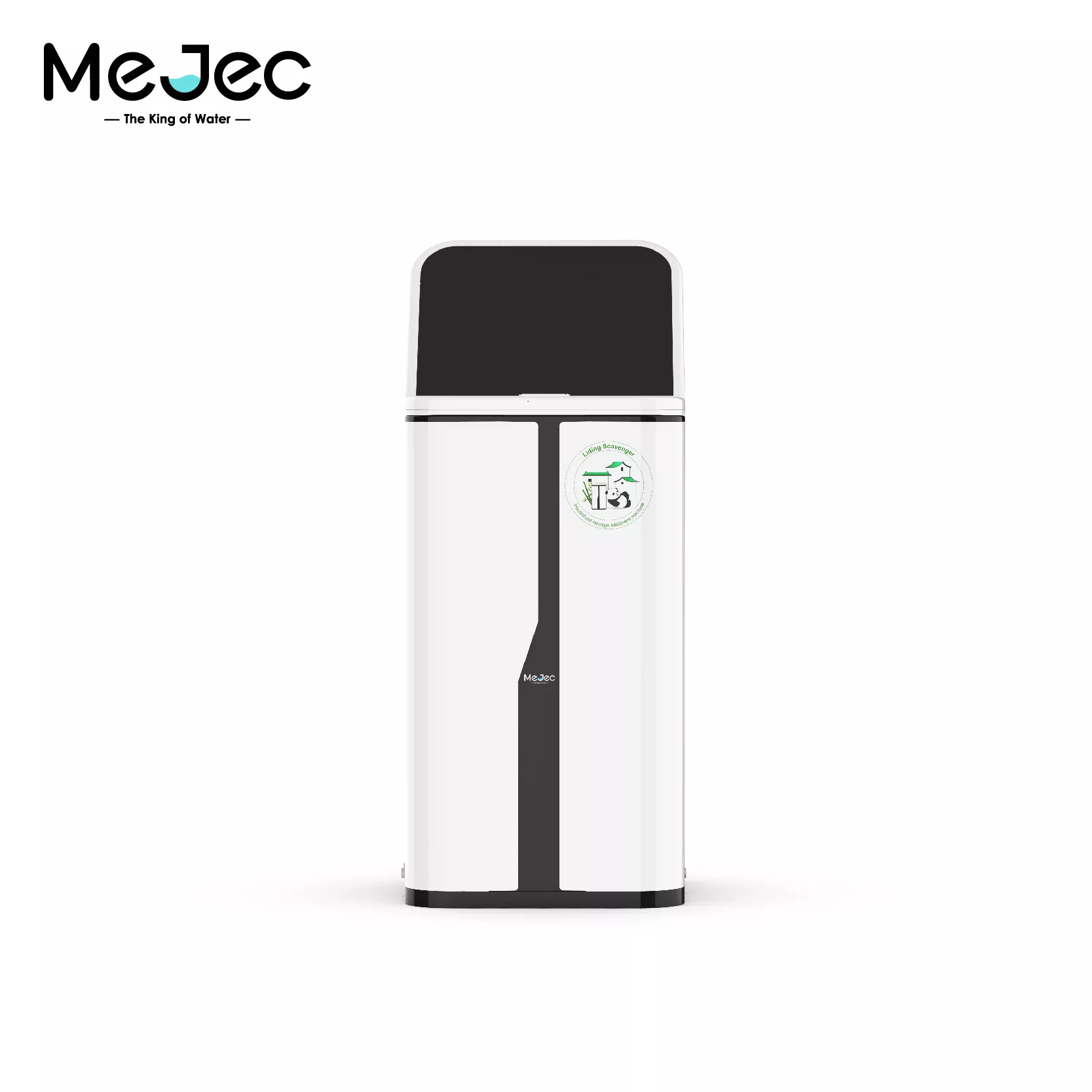
Mejec Scavenger Household Sewage Treatment Plant (...
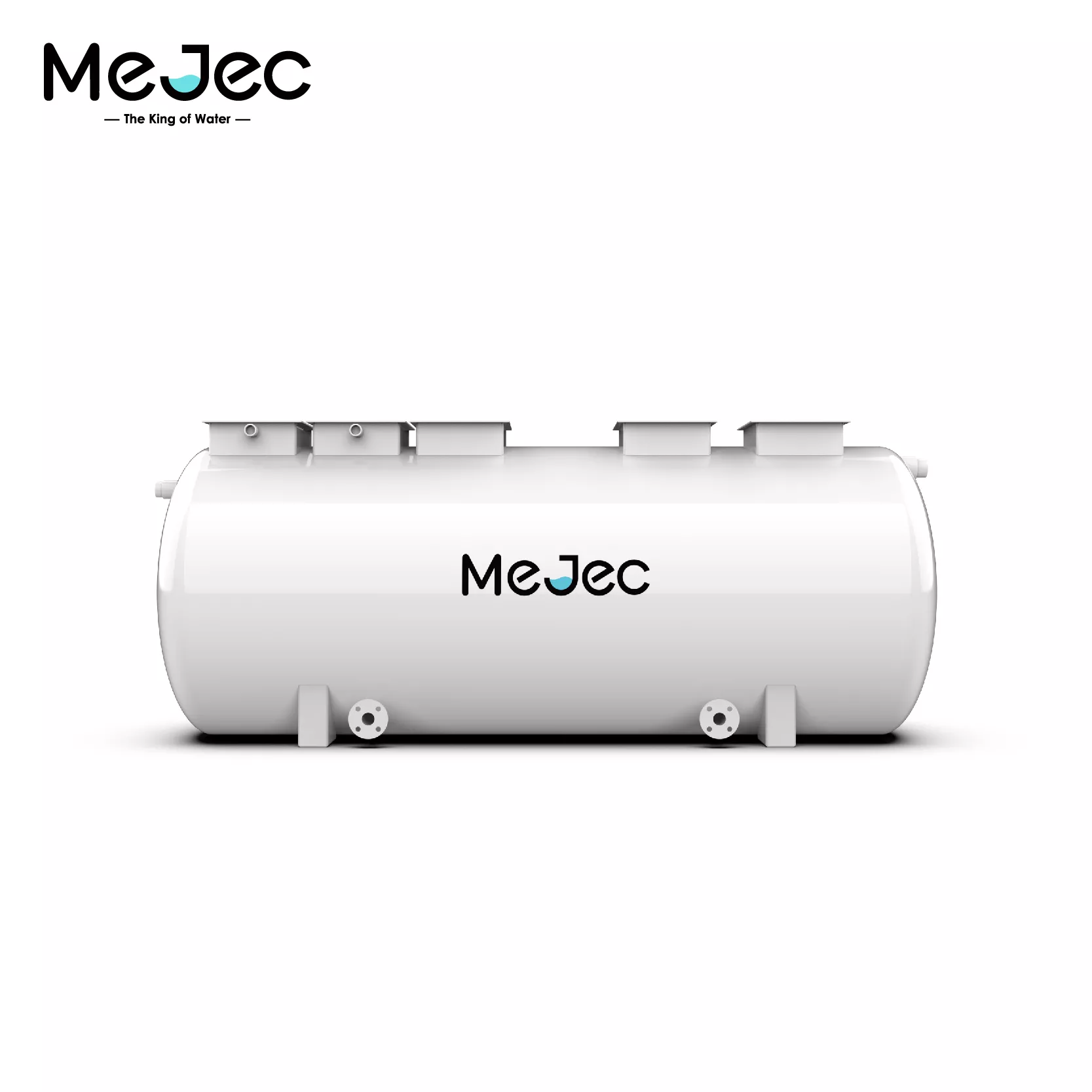
Mejec-Johkasou-SB adopts an AAO + MBBR combined bi...

This sleek, all-in-one unit delivers instant high-...
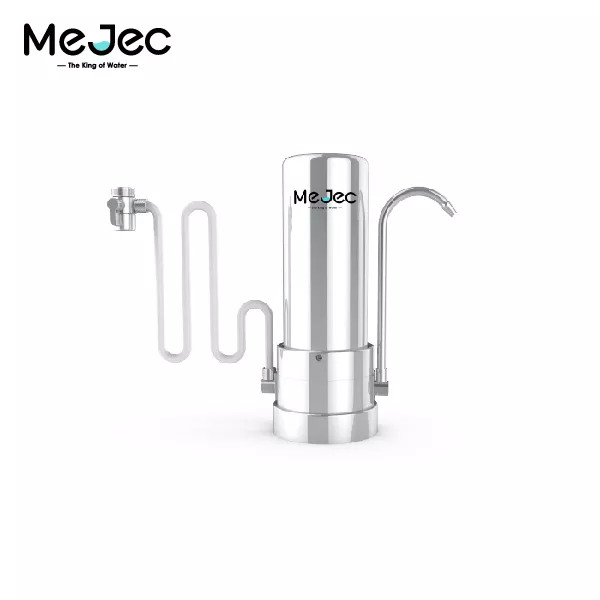
Our advanced RO filter system is engineered to rem...
Select the most popular foreign trade service products to meet your diverse needs
Select the most popular foreign trade service products to meet your diverse needs





User Comments
Service Experience Sharing from Real Customers
James Wilson
Facilities ManagerThe smart leak detection system has been a game-changer for our hotel chain. We've reduced our water bill by 18% in the first quarter alone by catching minor leaks we never would have noticed. Incredible ROI and fantastic support.
Priya Sharma
Sustainability OfficerImplementing the high-efficiency irrigation controllers across our municipal parks has drastically cut our outdoor water use. The data analytics dashboard is particularly helpful for reporting and planning. A solid solution for public sector water conservation.
David Chen
Plant EngineerThe closed-loop cooling water recycling system we installed has not only minimized our wastewater discharge to nearly zero but also significantly cut down our freshwater intake. Essential for sustainable manufacturing and compliance. Highly recommended for industrial applications.
Sophia Garcia
Agricultural Operations ManagerThese soil moisture sensors paired with the automated drip irrigation kit have revolutionized our water management. We're using 30% less water while improving crop yield. A must-have for any modern, water-conscious farm.