


.webp)


What To Consider When Choosing a Wastewater Treatment Plant For Industrial Use
Selecting the right wastewater treatment plant for industrial use protects the environment and ensures compliance with strict regulations. Industries must analyze their wastewater characteristics and consider cost efficiency. Modular and containerized systems offer unique advantages.
Feature | Impact on Deployment Speed and Flexibility |
|---|---|
Rapid Deployment | Containerized systems can be ready in hours or days, reducing project timelines. |
Customization | Units adapt to site needs and regulatory rules. |
Modular Design | Easy transport and reconfiguration support changing demands. |
This approach supports both current needs and future expansion.
Key Takeaways
Assess your wastewater characteristics to choose the right treatment plant. Understanding contaminants helps ensure compliance and effective treatment.
Consider modular and containerized systems for flexibility. These systems allow for rapid deployment and easy scaling as your business grows.
Stay informed about local and federal regulations. Meeting these standards protects your company from fines and enhances your reputation.
Invest in automation for efficient management. Automated systems improve reliability and reduce labor costs by monitoring and adjusting treatment processes.
Consult experienced providers for tailored solutions. Their expertise can help you navigate complex regulations and optimize your wastewater treatment.
Regulatory Compliance for Industrial Wastewater
Permits and Legal Standards
Industrial facilities must secure the right permits before discharging wastewater. These permits show that a company understands and follows all necessary regulations. Each country and region sets its own rules for wastewater treatment. For example:
In the United States, discharge standards depend on the local environment. Limits for BOD5 and total suspended solids (TSS) are set at 30 mg/l, and there must be at least an 85% reduction.
The European Union uses the EU Water Framework Directive. This approach protects water ecosystems and sets local and regional standards for treated wastewater.
China limits the amount of ammonia nitrogen (NH4+–N) to 8.0 mg/l. Facilities often face challenges with biological treatment because of low carbon to nitrogen ratios.
Understanding these differences helps companies avoid mistakes and meet all regulations. Permits often require proof that a treatment plant can handle specific contaminants, such as heavy metals or ammonia.
Meeting Local and Federal Requirements
Industrial wastewater must meet both local and federal regulations. These rules protect public health and the environment. Companies must check the exact limits for their location and industry. Some areas have stricter standards because of sensitive water bodies or community needs.
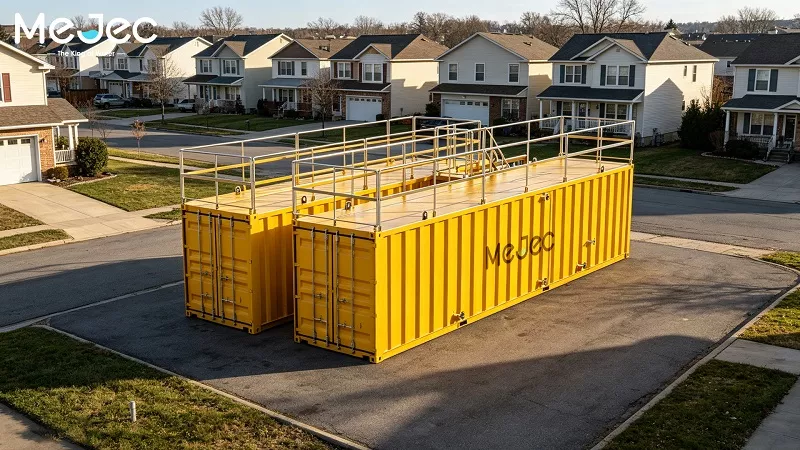
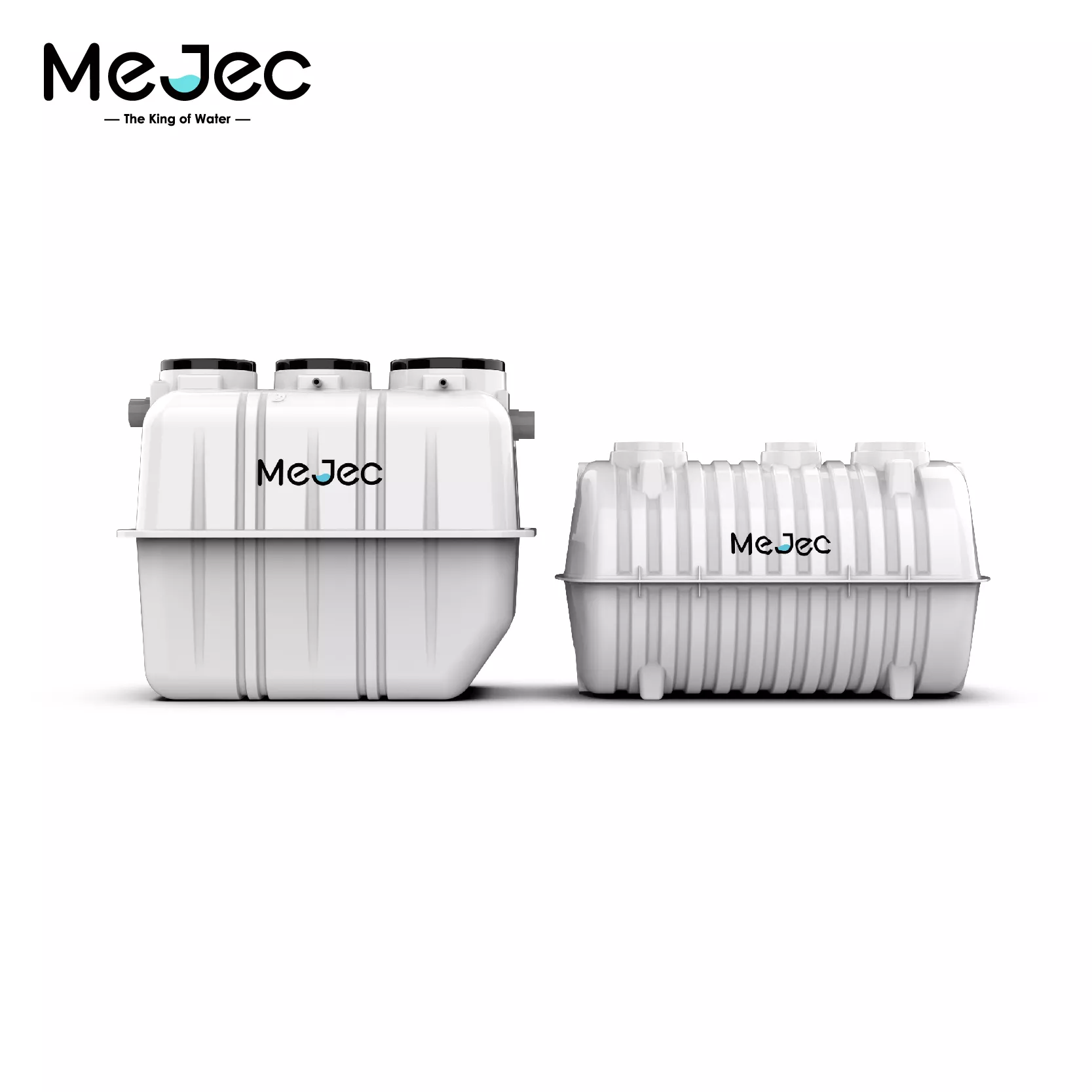
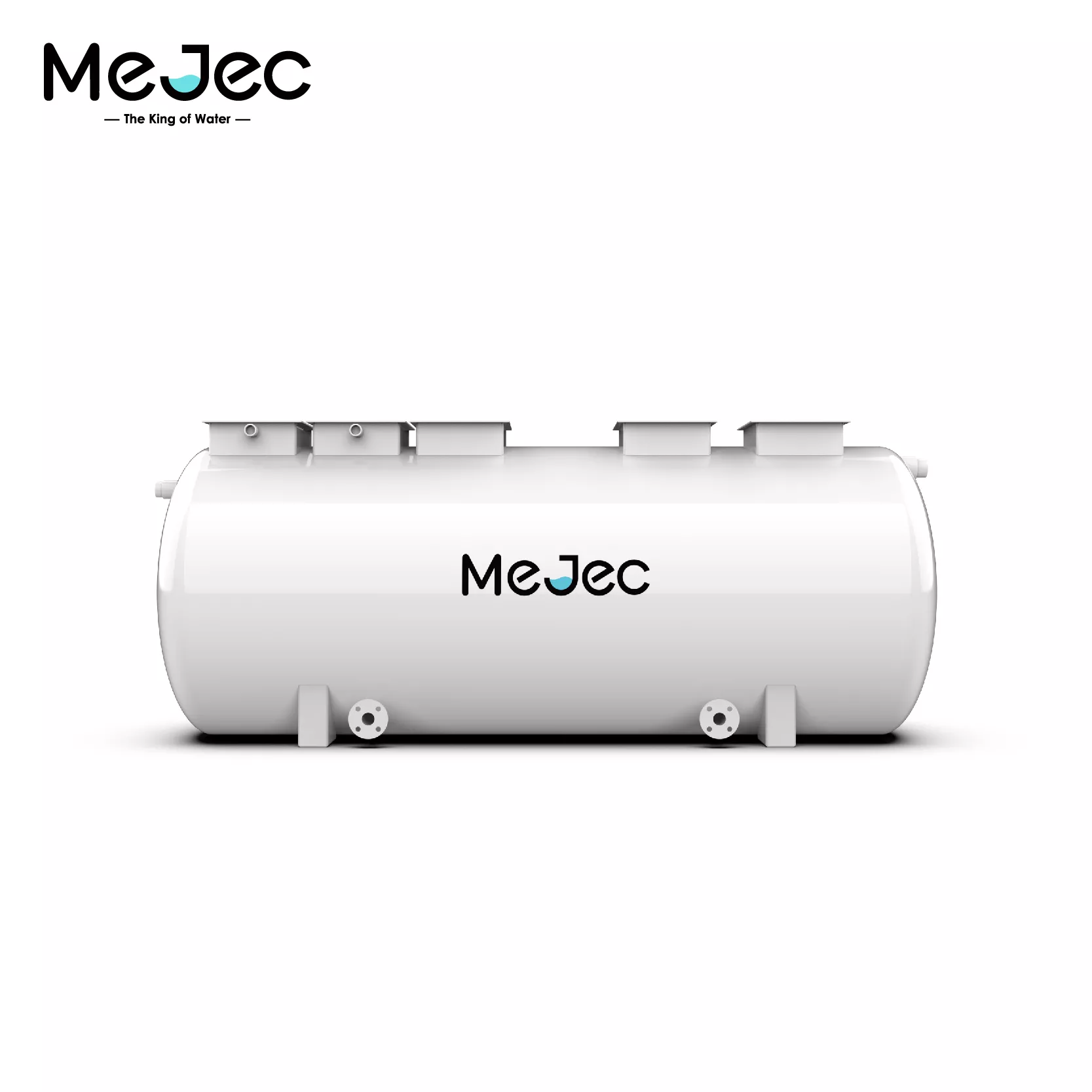
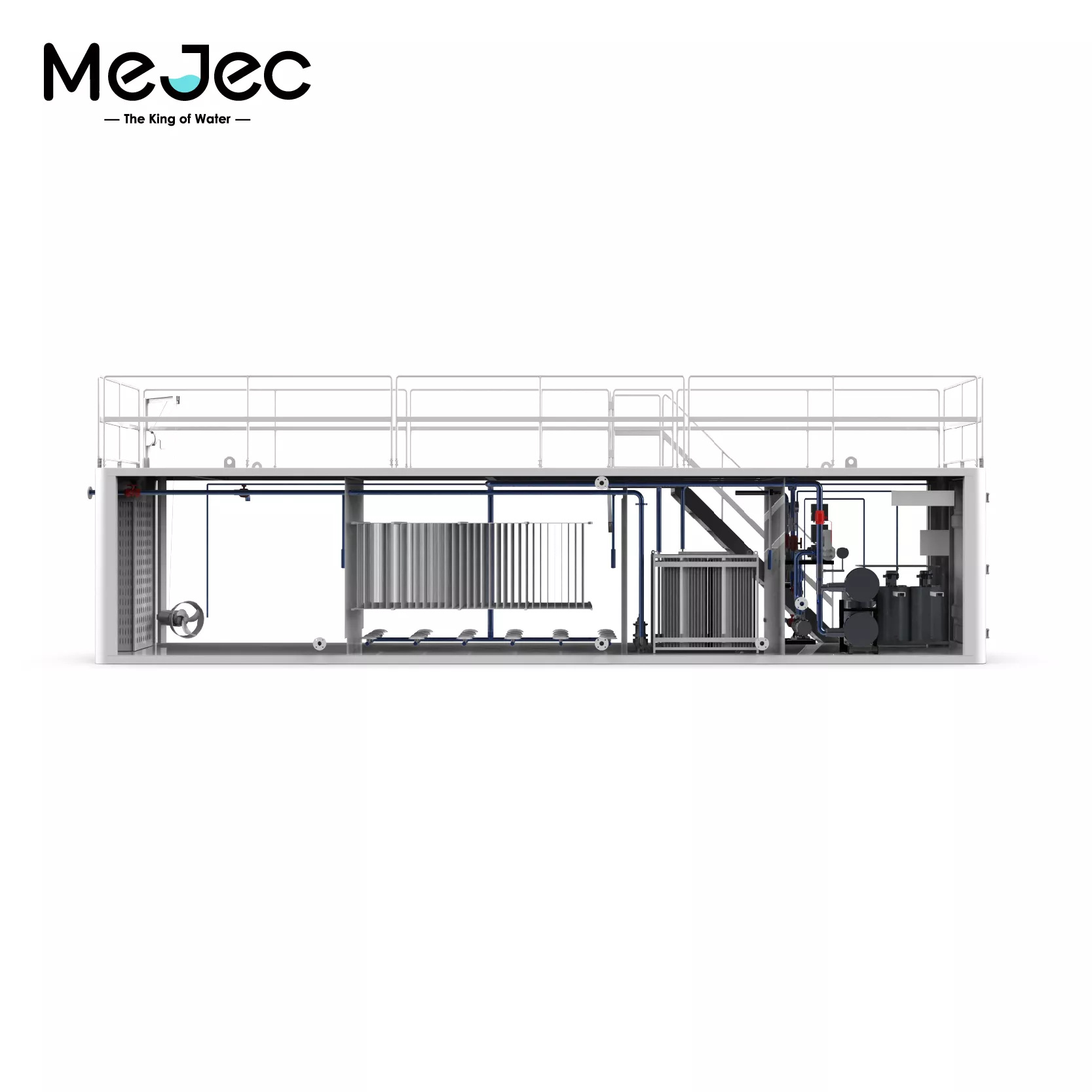
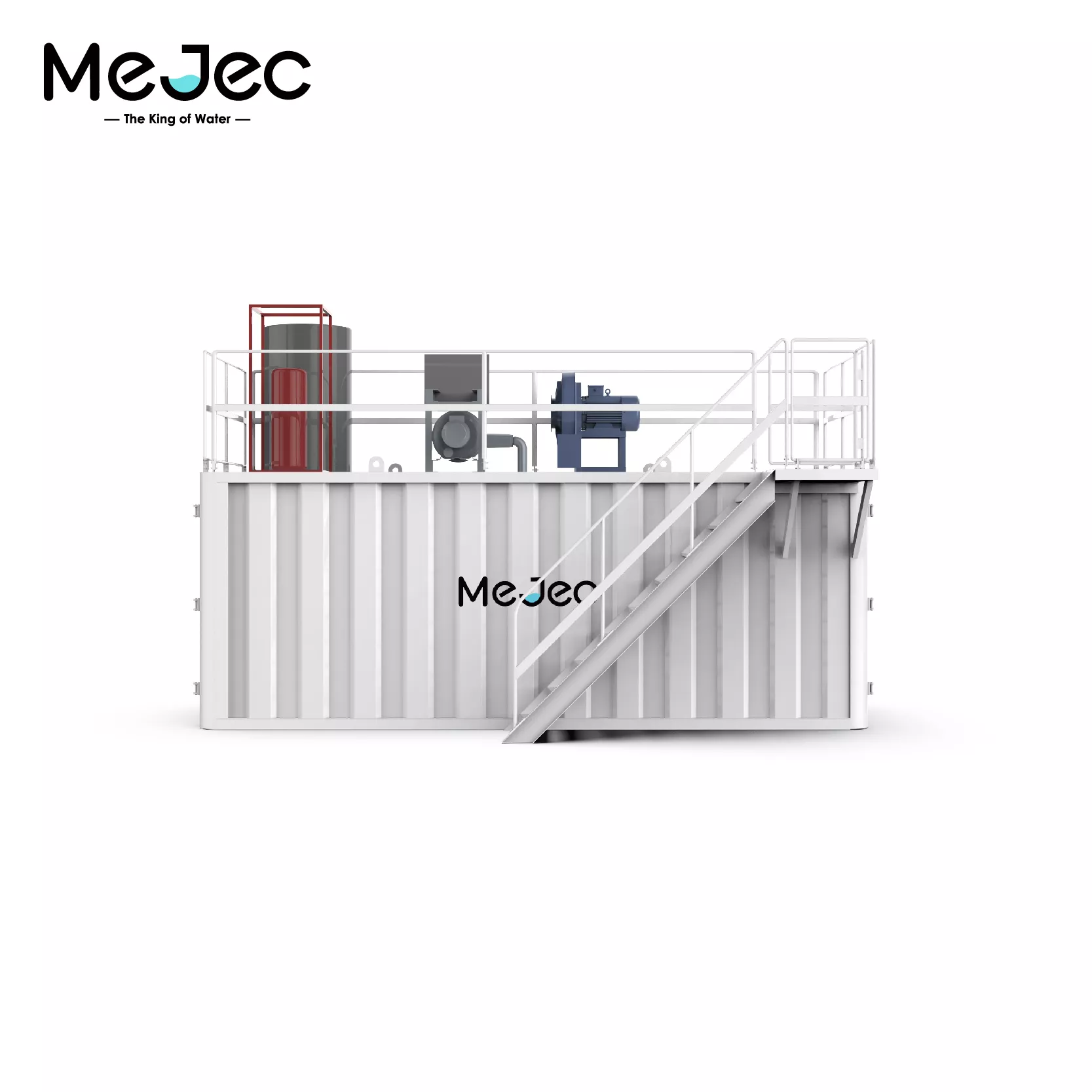
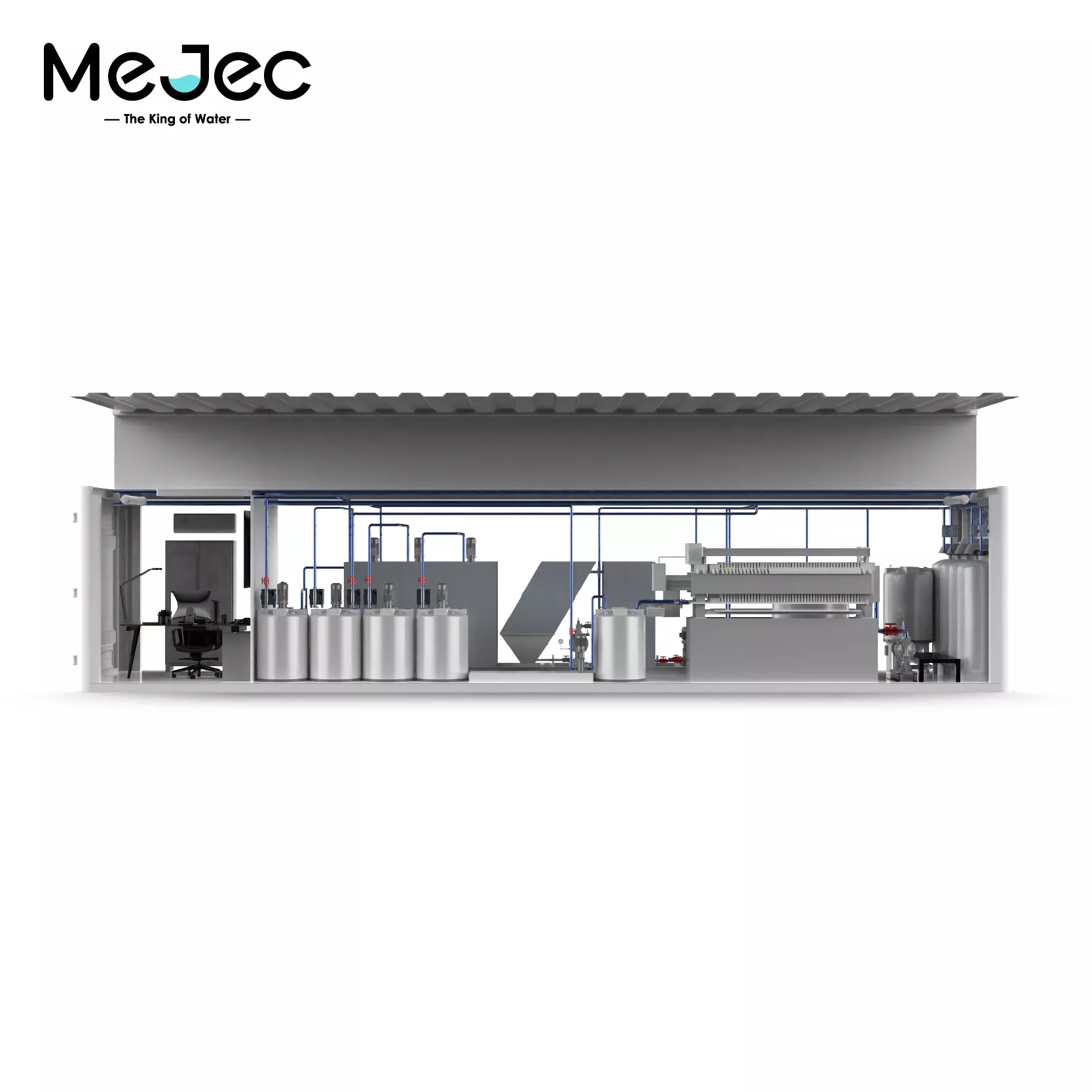
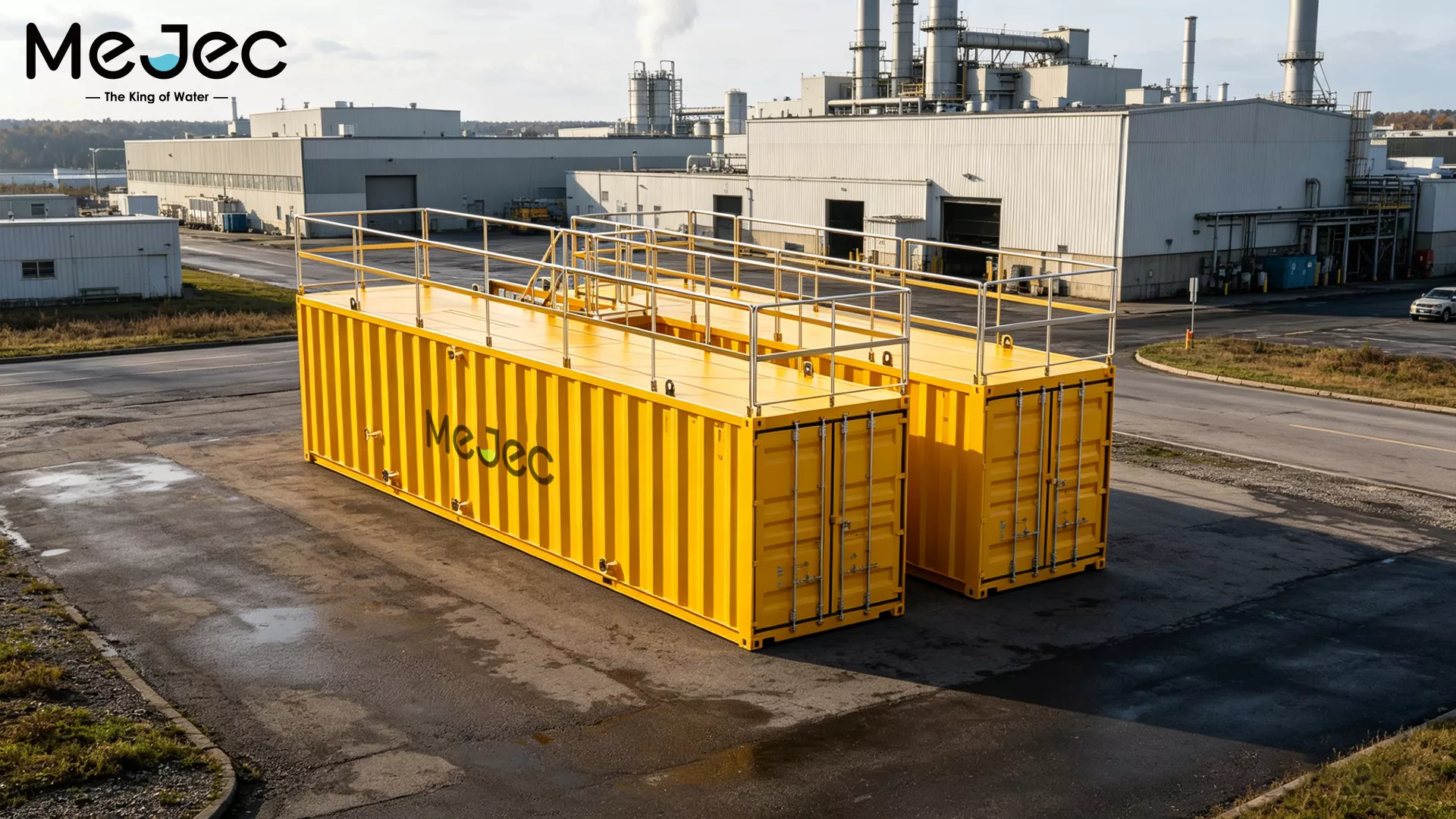
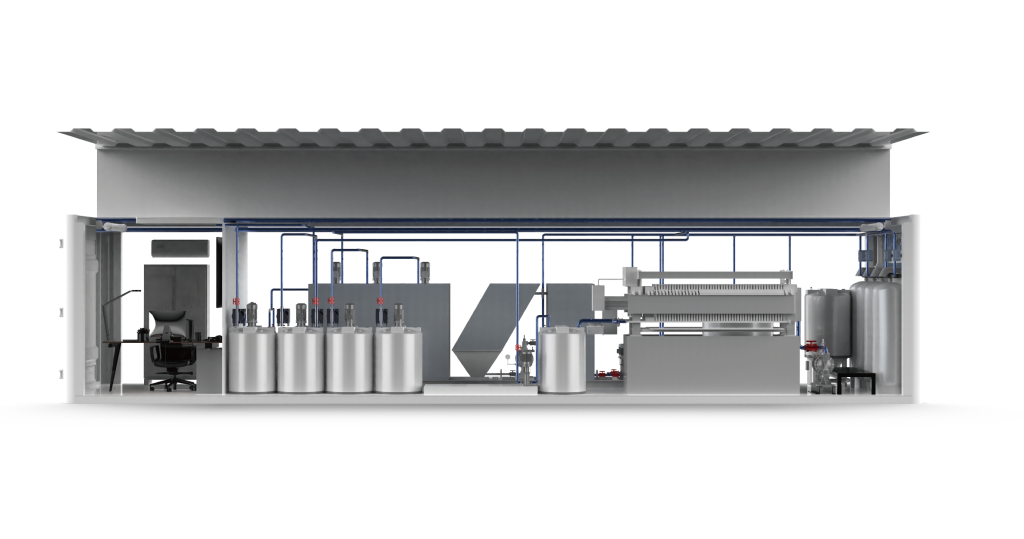
Containerized systems like the Mejec JM-IWTP make it easier to meet these requirements. The system uses advanced technology to remove heavy metals, balance pH, and separate solids. Its modular design allows for fast setup and easy movement. The intelligent control system adjusts treatment processes in real time, which helps industries like electroplating and mining stay within regulations.
Feature | Description |
|---|---|
Advanced IWTP Technology | Effectively addresses heavy metal, pH imbalance, and suspended solids issues in wastewater. |
Modular Design | Allows for rapid deployment and flexible mobility. |
Intelligent Control | Provides convenient wastewater treatment solutions tailored for specific industries. |
This flexibility means companies can respond quickly to changes in regulations or production needs.
Risks of Non-Compliance
Failing to follow regulations can lead to serious problems. Companies may face large fines, legal action, or even shutdowns. Non-compliance can also damage a company’s reputation and harm the environment. Water pollution affects local communities and wildlife.
To avoid these risks, companies should:
Review all current regulations before choosing a treatment plant.
Work with experienced providers who understand local and federal rules.
Use systems that can adapt to new regulations or changes in wastewater quality.
Meeting regulations is not just about avoiding penalties. It also shows a commitment to environmental responsibility and long-term business success.
Industrial Wastewater Characteristics
Source and Contaminant Analysis
Understanding the characteristics of wastewater is essential for choosing the right treatment plant. Industrial wastewater comes from many sources, including textiles, food processing, and metal finishing.
Heavy Metals and Suspended Solids
Heavy metals and suspended solids are major concerns in industrial wastewater, especially in mining and electroplating operations.
Variability in Effluent Quality
Treatment Solution | Description |
|---|---|
Modular Systems | Scale easily and adapt to changing water quality and system demands. |
Customizable Systems | Designed for facilities with variable contaminant profiles and capacities. |
Operators should consider advanced technologies like membrane bioreactors, advanced oxidation, and reverse osmosis for challenging effluents. Expertise in configuring treatment trains is vital for reliable results.
Volume and Flow Rate Considerations
Planning for Expansion
Future growth often changes wastewater volumes. Facilities should plan for expansion when designing their treatment systems. Modular biological treatment allows companies to increase capacity without major disruptions. Containerized systems support staged buildout, especially in urban areas where space is limited. Phased expansion reduces risks and matches investment with real demand.
Modular construction supports phased development.
Containerized units adapt to land and installation challenges.
Conservative sizing accommodates increased production without major reconstruction.
Incorporate future growth projections into the design basis.
Consider modular construction for phased development.
Allow for conservative sizing to accommodate increased production.
Modular System Flexibility
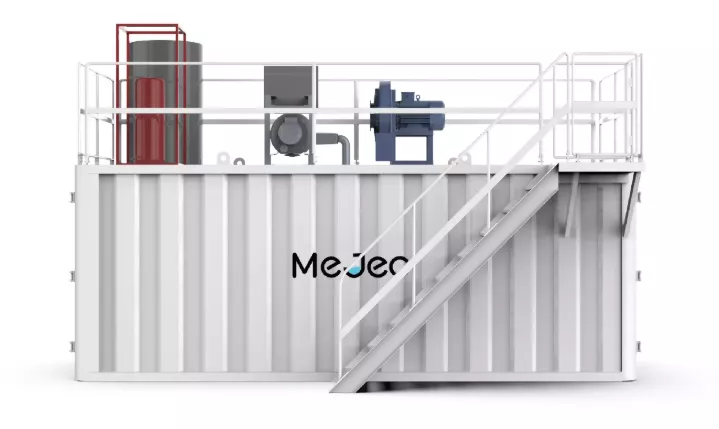
Modular systems offer flexibility for changing flow rates and production needs. Facilities can add or remove treatment units as demand shifts. The Mejec JM-IWTP provides a containerized, plug-and-play solution that scales easily. Operators can deploy additional units quickly, supporting rapid expansion or temporary increases in wastewater volume. Modular designs also simplify maintenance and relocation.
Feature | Benefit |
|---|---|
Modular Design | Easy scaling and adaptation |
Containerized Solution | Rapid deployment and mobility |
Plug-and-Play Setup | Minimal on-site construction |
Flexible systems help industries respond to new regulations, production changes, or emergencies. This adaptability ensures reliable wastewater management for both current and future needs.
Treatment Processes in Wastewater Treatment Plant for Industrial Use
Primary, Secondary, and Tertiary Stages
A wastewater treatment plant for industrial use relies on several stages to clean water before it is released or reused. Each stage removes different types of contaminants. The process starts with basic removal of large debris and ends with advanced purification. The table below explains each stage:
Treatment Stage | Description |
|---|---|
Preliminary Treatment | Removes large debris, grit, and solids from wastewater to protect equipment and enhance efficiency. |
Primary Treatment | Eliminates suspended and floating materials visible to the naked eye, along with some harmful chemicals. |
Secondary Treatment | Targets smaller organic materials and dissolved substances, reducing nitrogen and phosphorus levels. |
Tertiary Treatment | Further cleans the water by removing remaining impurities for safe reuse or discharge. |
Most industrial facilities need all these stages to achieve effective wastewater treatment. Preliminary and primary stages focus on removing solids and floating materials. Secondary treatment uses biological or chemical processes to break down organic matter. Tertiary treatment provides extra cleaning, making the water safe for discharge or reuse.
Note: The right combination of stages depends on the type of industry and the contaminants present in the wastewater.
Physicochemical and Advanced Methods
Some industries, such as electroplating and mining, produce wastewater with high levels of heavy metals, acids, and suspended solids. These contaminants require advanced treatment methods. Physicochemical processes play a key role in these cases.
Precipitation: This process removes dissolved metals by turning them into solid particles that can be filtered out.
pH Neutralization: Adjusting the pH helps make metals less soluble and safer to remove.
Solid-Liquid Separation: This step separates the solid particles from the treated water, ensuring cleaner effluent.
Modern wastewater treatment plants for industrial use often combine these methods with advanced technologies. For example, the Mejec JM-IWTP uses automatic pH control and precise solid-liquid separation to handle challenging industrial effluents. These processes help industries meet strict discharge standards and protect the environment.
Other advanced methods include membrane filtration, advanced oxidation, and electrocoagulation. These technologies target specific pollutants and improve the overall performance of the wastewater treatment system.
Technology Selection for Industry Needs
Choosing the right technology for a wastewater treatment plant for industrial use depends on the type of contaminants, the volume of water, and the industry’s goals. The table below shows common treatment technologies, their uses, and benefits:
Treatment Technology | Description | Applications | Benefits |
|---|---|---|---|
Membrane Bioreactor (MBR) | Combines biological treatment with membrane filtration | Removes organic matter, nutrients, and suspended solids | Produces high-quality effluent, compact footprint, potential for water reuse |
Advanced Oxidation Processes (AOPs) | Uses chemical oxidation to break down complex organic compounds | Removal of persistent organic pollutants, pharmaceuticals, and pesticides | Effective against recalcitrant compounds, can achieve complete mineralization |
Electrocoagulation | Uses electrical current to remove contaminants from water | Removal of heavy metals, oils, suspended solids, and some organic compounds | Low chemical usage, reduced sludge production, effective for various pollutants |
Moving Bed Biofilm Reactor (MBBR) | Biological treatment using microorganisms attached to small carrier elements | Removal of organic matter and nutrients | High treatment capacity in a small footprint, resistant to shock loads |
Anaerobic Digestion | Biological treatment process that occurs in the absence of oxygen | Treatment of high-strength organic wastewater, biogas production | Can handle higher concentrations of certain pollutants |
Reverse Osmosis (RO) | High-pressure membrane filtration process | Desalination, removal of dissolved solids and ions | Produces high-purity water, effective for a wide range of contaminants, can produce drinking water |
Containerized, plug-and-play solutions like the Mejec JM-IWTP represent a modern approach to wastewater treatment. These systems arrive pre-assembled and ready to operate. They can be installed in days or weeks, much faster than traditional plants, which may take months or years to build. The benefits of containerized systems include:
Rapid deployment and minimal on-site construction
Integrated controls for quick start-up and operation
Remote monitoring and data logging for better efficiency
Fixed pricing and lower operational costs due to energy-efficient designs
Mobility and flexibility for changing industrial needs
Tip: Containerized solutions help industries avoid unexpected construction costs and delays. They also provide consistent performance and can adapt to new regulations or production changes.
A wastewater treatment plant for industrial use should match the specific needs of the facility. Advanced processes like precipitation, pH neutralization, and solid-liquid separation are essential for industries with complex wastewater. Modern, containerized systems offer a flexible and efficient way to achieve compliance and protect the environment.
Industrial Wastewater System Management
Staffing and Operator Skills
Effective industrial wastewater system management depends on skilled staff. Operators must understand how each part of the system works. Training covers basic principles, operational procedures, troubleshooting, safety, regulations, and data analysis. The table below shows the main training components:
Training Component | Description |
|---|---|
Basic Principles | Understanding wastewater treatment processes |
Operational Procedures | Equipment and technology usage |
Troubleshooting Techniques | Solving operational issues |
Safety Protocols | Emergency response and safety measures |
Environmental Regulations | Legal compliance |
Data Analysis | Monitoring and evaluation techniques |
Staff should have access to certifications, conferences, and advanced training. Knowledge-sharing platforms help teams learn from each other. Recognizing expertise encourages innovation in industrial wastewater system management.
Operators, maintenance staff, laboratory technicians, and managers each play a unique role. Operators focus on daily tasks and troubleshooting. Maintenance staff handle preventive maintenance. Laboratory technicians perform analysis. Managers plan and ensure compliance.
Maintenance and Reliability
Regular maintenance is vital for reliable industrial wastewater system management. Aging infrastructure, regulatory changes, and cost pressures create challenges. The table below outlines common maintenance issues and solutions:
Challenge | Description | Solution |
|---|---|---|
Aging Infrastructure | Outdated equipment risks failure | Evaluate upgrades or new systems |
Regulatory Changes | New limits require better performance | Find economical ways to meet standards |
Cost Reduction and Optimization | Disposal costs are rising | Use cost-effective troubleshooting and treatment |
A strong maintenance plan prevents breakdowns and supports compliance. Preventive maintenance keeps equipment running smoothly. Teams must track maintenance schedules and address problems quickly. This approach ensures the industrial wastewater system management process remains efficient.
Automation and Monitoring
Automation improves industrial wastewater system management by making operations more reliable. Modern systems use sensors and control panels to monitor water quality and system performance. Automated controls adjust treatment steps in real time. This tight process control helps prevent problems and keeps the system within permit limits.
Early problem detection protects equipment.
Rapid response prevents violations.
Data analytics and dashboards give instant feedback.
Mobile access allows remote monitoring.
Automated industrial wastewater system management reduces labor costs and improves efficiency. Facilities can respond faster to changes in flow or contaminant levels. Automation supports better decision-making and long-term reliability in industrial wastewater management.
Wastewater Treatment Costs and Efficiency
Initial Investment and Operating Expenses
Industrial wastewater treatment plants require careful budgeting. The initial investment covers equipment, installation, and site preparation. Operating expenses include energy, chemicals, labor, and wastewater system maintenance. Facilities must plan for regular wastewater system maintenance to prevent breakdowns and keep systems running smoothly. Energy-efficient designs help reduce ongoing costs. Automated controls lower labor needs and support consistent performance. Containerized solutions, such as the Mejec JM-IWTP, minimize construction time and reduce installation expenses. These systems also simplify wastewater system maintenance, making them attractive for industries with limited resources.
Facilities that invest in reliable wastewater system maintenance avoid unexpected repairs and costly downtime.
Long-Term Value and ROI
Long-term value depends on how well the treatment plant performs over time. Return on investment (ROI) is calculated using financial metrics like Net Present Value (NPV) and Internal Rate of Return (IRR). NPV measures the difference between the present value of cash inflows and outflows. A positive NPV means the project is likely to generate profit. IRR shows the discount rate that makes NPV zero, helping companies understand the efficiency of their investment. Plants with low operating costs and strong wastewater system maintenance deliver higher ROI. Automated monitoring and modular designs support long-term reliability and reduce risks.
Cost-Effective Solutions
Small and medium-sized facilities often look for affordable treatment options. The table below highlights several cost-effective solutions:
Solution Type | Description | Key Features |
|---|---|---|
Dissolved Air Flotation | Removes suspended solids and oils | Effective for high-strength organic wastewater |
Membrane Aerated Biofilm Reactor for biological treatment | Efficient nutrient removal and compliance | |
MBR | Membrane Bioreactor for advanced treatment | High-quality effluent suitable for reuse |
Containerized Systems | Prefabricated for easy installation | Flexible and adaptable to site constraints |
Facilities can also choose modular containerized solutions for rapid deployment and easy scaling.
Modular Containerized Solutions offer customizable setups in standard shipping containers.
Tipton Containerized Extended Aeration Plants provide low installation costs for small-scale treatment.
Regular wastewater system maintenance ensures these solutions remain efficient and reliable. Investing in smart, adaptable systems helps industries meet regulations and protect the environment while controlling costs.
Practical Steps for Choosing a Wastewater Treatment Plant
Site Assessment and Needs Analysis
Start by assessing your site and analyzing your facility’s needs. Measure the daily and peak flow rates of your wastewater. Identify the main contaminants and check if your operations require an industrial pre-treatment program. Consider the available space, local climate, and access to utilities. Modular and containerized solutions, such as the Mejec JM-IWTP, offer rapid deployment and scalability. These systems can be installed quickly and expanded as your business grows. A thorough needs analysis helps you choose a plant that fits both current and future requirements.
Consulting Providers and Comparing Options
Consulting with experienced providers is a key step. Providers with a strong track record can manage complex projects and deliver tailored solutions. They help you meet water quality, regulatory, and operational goals. Their expertise simplifies operations and increases reliability. When comparing providers, use the following criteria:
Criteria | Description |
|---|---|
Credentials and Certifications | Shows commitment to safety and environmental standards. |
Service Scope | Full range of services, including testing and logistics. |
Geographic Reach | Ability to serve multiple sites reliably. |
Client References | Feedback on performance, communication, and problem-solving. |
Technology | Systems for tracking and documentation, supporting compliance. |
Response Times | Quick response to urgent needs, reducing compliance risks. |
Sustainability Goals | Alignment with your sustainability commitments and transparency in wastewater handling. |
Working with experienced brands ensures long-term project success. These providers help minimize environmental impact, increase water recovery, and reduce energy use.
Reviewing References and Case Studies
Reviewing references and case studies gives insight into how treatment plants perform in real-world situations. Case studies often compare different treatment methods, such as activated sludge and membrane bioreactor systems. They provide concrete data on removal rates and operational reliability. For example, studies have shown that activated sludge systems can achieve higher removal rates and more consistent performance than some advanced technologies. This information helps you evaluate which solution best fits your needs. References from other clients also reveal how providers handle communication and resolve issues.
Tip: Always ask for case studies and client references before making a final decision. This step helps you choose a reliable and effective wastewater treatment solution.
Choosing the right wastewater treatment plant means looking at several important factors. The table below highlights what matters most:
Factor | Description |
|---|---|
Treatment Technology | Match the system to your site’s needs for best results. |
Flow Consistency | Make sure the plant can handle changes in flow. |
Pollutant Concentration | Check the level of pollutants before you discharge industrial wastewater. |
Regulatory Standards | Follow all local and national rules. |
Operational Resources | Ensure you have the staff and tools for smooth operation. |
To get started, follow these steps:
Analyze your wastewater to find out what pollutants are present.
Plan for any new processes that could change your water quality.
Review how changes in production might affect your treatment needs.
Assess your unique challenges and consider modular, automated solutions. Consult with experts, conduct a site assessment, and review provider credentials and case studies for the best outcome.
FAQ
What is an industrial wastewater treatment system?
An industrial wastewater treatment system removes harmful substances from water used in factories. The system uses different steps to clean water before it returns to the environment or gets reused. Each system matches the needs of the industry.
How does a modular system help with wastewater treatment?
A modular system allows easy expansion or changes. The system comes in parts that fit together. If a factory grows, the system can grow too. This system saves time and money during installation and upgrades.
Why is automation important in a wastewater treatment system?
Automation helps the system run smoothly. Sensors and controls check water quality and adjust the system. This system reduces mistakes and keeps the system working well. Operators spend less time on manual tasks because the system handles many steps.
What industries need a specialized wastewater treatment system?
Industries like mining, electroplating, and metal processing need a special system. These industries create water with heavy metals and chemicals. A system designed for these needs removes dangerous materials and meets rules for clean water.
How do I choose the right system for my facility?
Start by testing your water. Look at what your system must remove. Check how much water your system will treat each day. Compare system options and ask experts for advice. Choose a system that fits your needs now and in the future.