


.webp)

Under Sink Water Purifier: A Smarter Way to Stay Hydrated at Home
Discover under sink water purifiers that provide c...
More

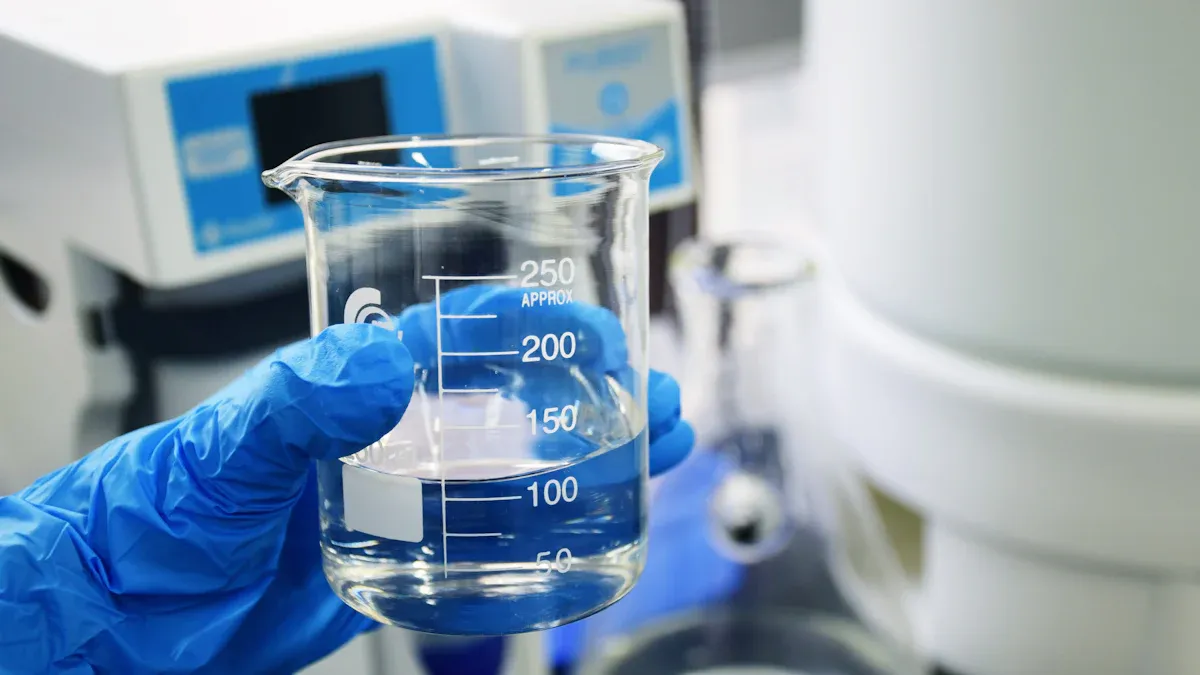
Did you know? Globally, 80% of wastewater is inadequately treated, and only 11% is reused.
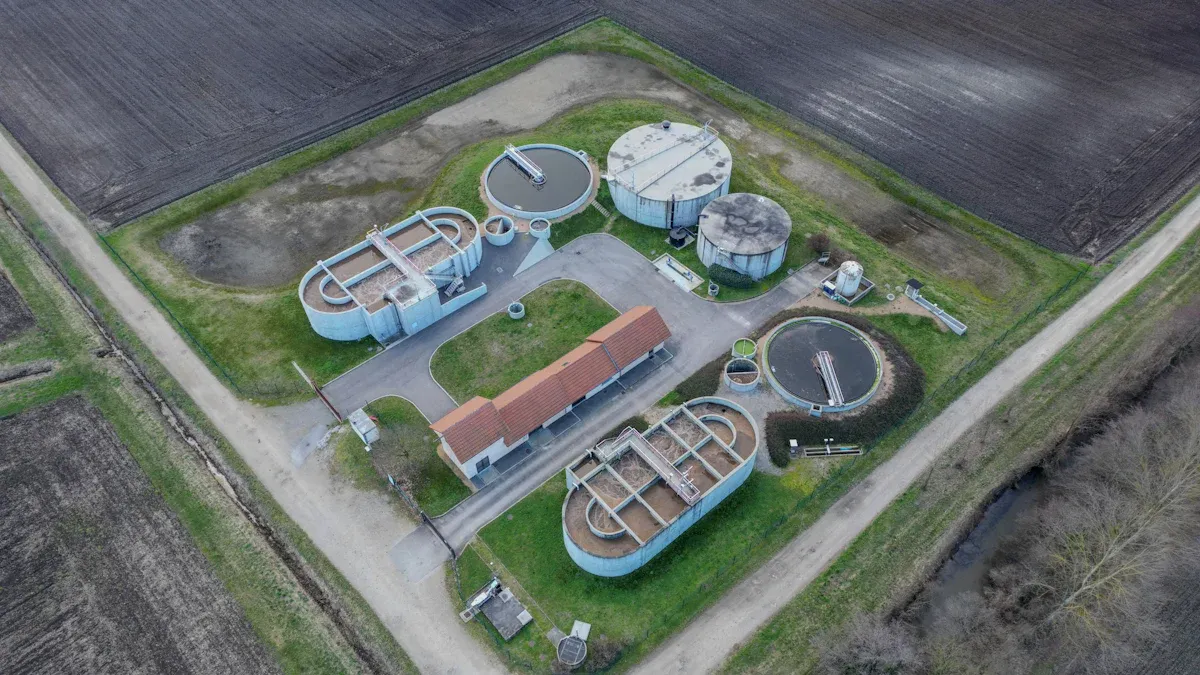
This reality drives innovation. New technologies are redefining the municipal wastewater treatment plant. They boost efficiency, cut costs, and recover valuable resources. These systems are also crucial for destroying "forever chemicals" and helping cities meet stricter environmental laws.
New technologies make water treatment plants smarter and more efficient. They use AI and special bacteria to clean water better.
These innovations turn waste into valuable resources. They create clean water, energy, and useful materials from wastewater.
Modern systems help cities meet strict environmental rules. They remove harmful chemicals and protect our water for the future.
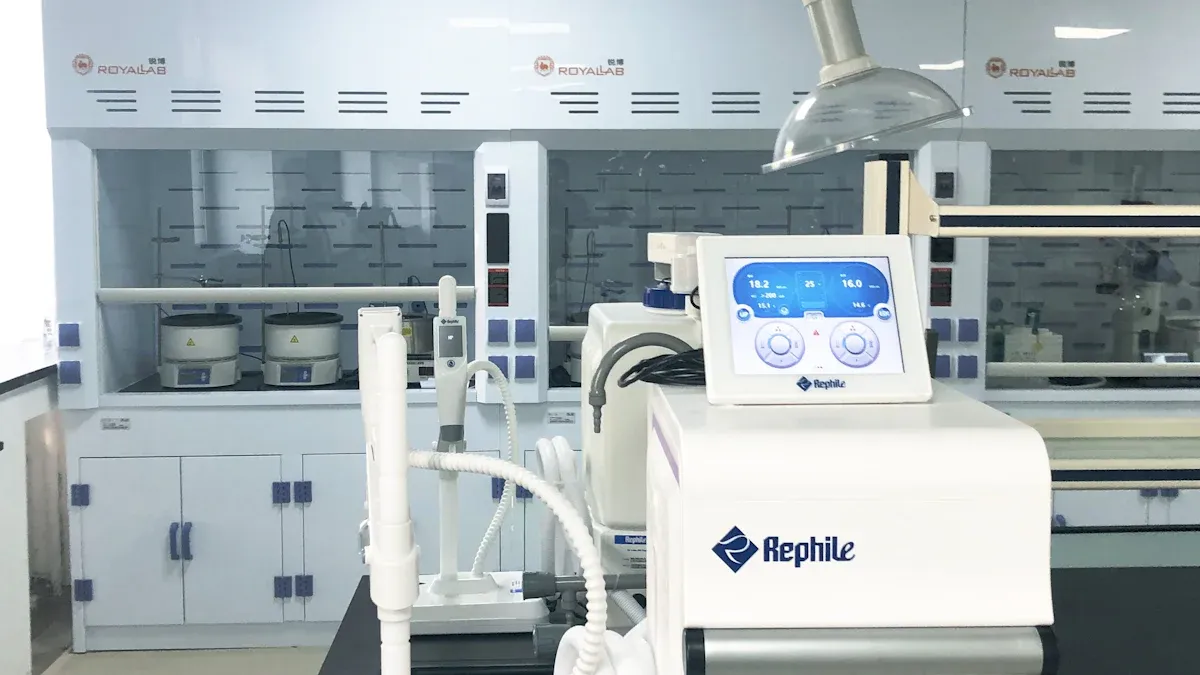
Membrane Bioreactors (MBRs) are advanced systems that use physical membranes to filter wastewater. This process produces very high-quality water. The innovation adds Artificial Intelligence (AI) to make the system smarter. AI acts as the brain for the MBR. It uses algorithms like Artificial Neural Networks (ANNs) to process data from sensors in real-time.
The AI monitors many variables to optimize performance, including:
Chemical Oxygen Demand (COD)
Total Suspended Solids (TSS)
Nitrogen and Phosphorus levels
Transmembrane Pressure (TMP)
Aeration levels
This constant monitoring allows the system to adjust itself automatically. It predicts issues and optimizes cleaning cycles, making the entire process more efficient.
By 2026, cities will face stricter rules for water quality and greater pressure to conserve resources. AI-enhanced MBRs offer a proactive solution. Instead of reacting to problems, these systems predict them.
AI can forecast membrane fouling, which is a major operational challenge. This allows the system to perform preventative maintenance, reducing downtime and ensuring consistent performance.
This predictive power helps a municipal wastewater treatment plant operate reliably and meet future environmental standards without interruption.
The impact on a plant's budget and environmental footprint is significant. AI-powered systems reduce energy use by optimizing aeration, which is one of the most energy-intensive processes in treatment. Studies show these smart systems can cut aeration energy consumption by 20% to 34%. This leads to major cost savings. At the same time, the continuous adjustments ensure the treated water (effluent) is consistently high quality. This helps plants meet or exceed strict discharge limits, protecting local ecosystems and public health.
Mainstream anammox is a biological process that uses special bacteria to remove nitrogen from wastewater. The name stands for ANaerobic AMMonia OXidation. This process is much different from traditional nitrification-denitrification methods. Anammox bacteria are autotrophic. This means they do not need an external organic carbon source to do their job. They also work in low-oxygen environments. This unique biology makes the entire nitrogen removal process simpler and more efficient.
Stricter regulations on nitrogen discharge are coming. Anammox provides a powerful way for plants to meet these future standards. The process is highly effective, achieving total nitrogen removal rates of 93–98%. It also works well across a wide range of temperatures (10–40 °C), making it a reliable choice for different climates.
By removing nitrogen autotrophically, the anammox process directly reduces the energy demand for aeration. It also eliminates the need for an external carbon source, which is a major operational expense in conventional systems.
This makes it a key technology for building resilient and compliant water treatment facilities.
The financial and environmental benefits of anammox are transformative. The traditional nitrification-denitrification process requires huge amounts of energy for aeration. Anammox slashes these energy needs. This leads to significant operational cost savings for any municipal wastewater treatment plant. The key impacts include:
Reduced Energy Costs: Lower aeration demand directly cuts electricity bills.
No Chemical Costs: The process eliminates the need to purchase external carbon sources.
Smaller Footprint: Anammox systems can be more compact than traditional setups.
These savings help shift a municipal wastewater treatment plant from a major energy consumer toward an energy-neutral or even energy-positive facility.
Pyrolysis is a thermal process that converts biosolids (treated sewage sludge) into valuable products. Think of it as baking the waste at very high temperatures (400–700 °C) in an environment without oxygen. This process breaks down organic materials and pathogens. The result is a significant reduction in waste volume and the creation of three useful outputs:
Biochar: A solid, charcoal-like material.
Syngas: A combustible gas mixture.
Bio-oil: A liquid fuel.
This technology effectively transforms a disposal problem into a resource opportunity.
By 2026, the circular economy will be a major focus for cities. Pyrolysis fits perfectly into this model by turning waste into a resource. Plant operators can control the process to change the output. For example, increasing the temperature generally produces more syngas, which can be used for energy. The process is highly dependent on parameters like temperature and heating rate, giving plants flexibility. While some inorganic materials in biosolids can interfere with the process, simple pre-treatments can remove them to improve the yield of valuable products.
Pyrolysis offers a powerful financial return for a municipal wastewater treatment plant by creating multiple value streams from a single waste source. The key benefits include:
New Revenue Streams: Biochar can be sold for use in agriculture as a soil amendment or for environmental remediation, creating income for the facility.
Energy Self-Sufficiency: The syngas produced can be captured and used on-site to generate heat or electricity, offsetting the plant's energy consumption and lowering utility bills.
Reduced Disposal Costs: Pyrolysis can reduce the final volume of biosolids by up to 90%, drastically cutting the high costs associated with hauling and landfilling waste.
A digital twin is a virtual, real-time copy of a physical wastewater treatment plant. It uses data from sensors, SCADA systems, and the Internet of Things (IoT) to mirror the plant's operations. This digital model combines hardware information with software models to create a complete picture. Creating one involves a few key steps:
Identify Specific Objectives: Define a clear goal, like improving energy use.
Evaluate Existing Capabilities: Assess current data sources and infrastructure.
Begin With a Pilot: Test a small-scale version to prove its value.
Expand Based on Results: Grow the system to cover more processes.
By 2026, plants will need to be more resilient and efficient. Digital twins allow operators to move from reacting to problems to preventing them. Operators can run "what-if" scenarios to test different situations in a safe, virtual space. For example, they can simulate how the plant would handle a heavy rainfall event or an equipment failure. This helps them optimize responses and train staff for emergencies. It also allows them to test infrastructure upgrades before spending money on real-world changes, ensuring new designs work as planned.
The financial benefits of a digital twin are substantial. This technology shifts maintenance from a reactive to a proactive strategy. It helps a municipal wastewater treatment plant predict equipment failures before they happen. This foresight prevents costly shutdowns and extends the life of machinery.
Studies show that facilities using digital twins can reduce unplanned downtime by 50–70% and cut overall maintenance costs by 30–40%.
By simulating operations, a plant can find the most efficient ways to use chemicals and energy. This leads to lower utility bills and a more reliable, cost-effective operation.
Electrochemical oxidation is a powerful water treatment process that uses electricity to destroy stubborn pollutants. It targets "forever chemicals" like PFAS (per- and polyfluoroalkyl substances) that traditional methods cannot remove. The system works by passing contaminated water through a chamber with special electrodes. These electrodes, often made from advanced materials like Boron-doped diamond (BDD), create a strong oxidative environment.
This process completely breaks down PFAS molecules through several actions:
Direct Electron Transfer: The anode directly pulls electrons from PFAS molecules.
Indirect Oxidation: The process creates powerful agents called hydroxyl radicals that attack the pollutants.
Complete Mineralization: These combined forces break the strong chemical bonds of PFAS, ultimately converting them into harmless elements like carbon dioxide and fluoride ions.
Stricter environmental laws are on the horizon. By 2026, the U.S. Environmental Protection Agency (EPA) plans to finalize several new rules. These rules will officially list certain PFAS as hazardous constituents and regulate their discharge from industrial sources. Municipalities will face immense pressure to eliminate these chemicals from their water. Electrochemical oxidation offers a direct and destructive solution. It ensures plants can meet these future legal requirements and protect public health from chemicals that persist in the environment.
This technology provides a cost-effective way to achieve complete destruction of PFAS. Instead of just filtering and moving contaminants elsewhere, electrochemical oxidation eliminates them permanently. This avoids the long-term liability and disposal costs associated with contaminated filters or sludge. The financial benefit is clear.
Some electrochemical systems can destroy PFAS for as little as $0.10 per gallon.
This makes it a financially viable solution for municipalities. It protects the plant from future regulatory fines while providing a true, clean water outcome. Adopting this technology is an investment in both environmental compliance and long-term operational security.
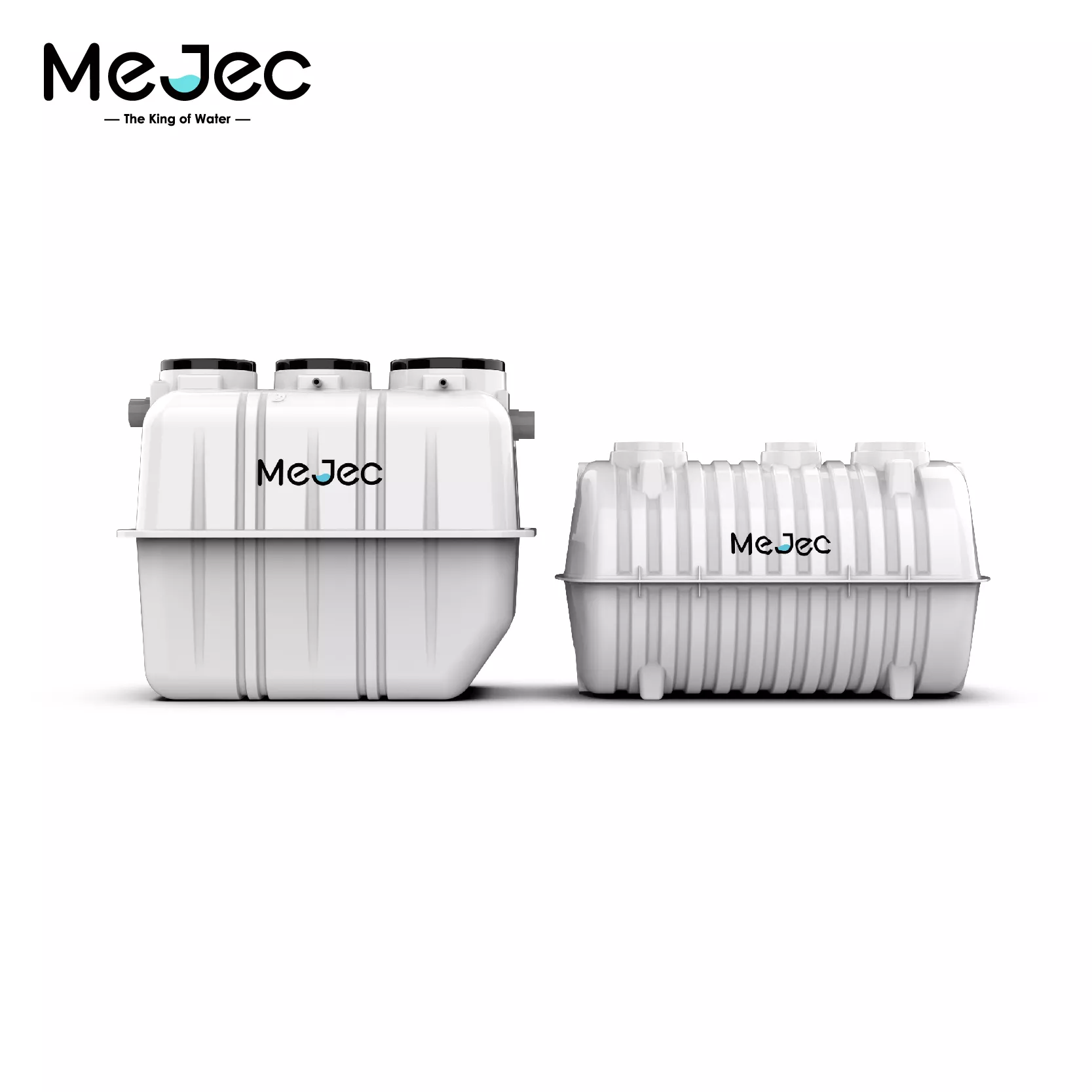
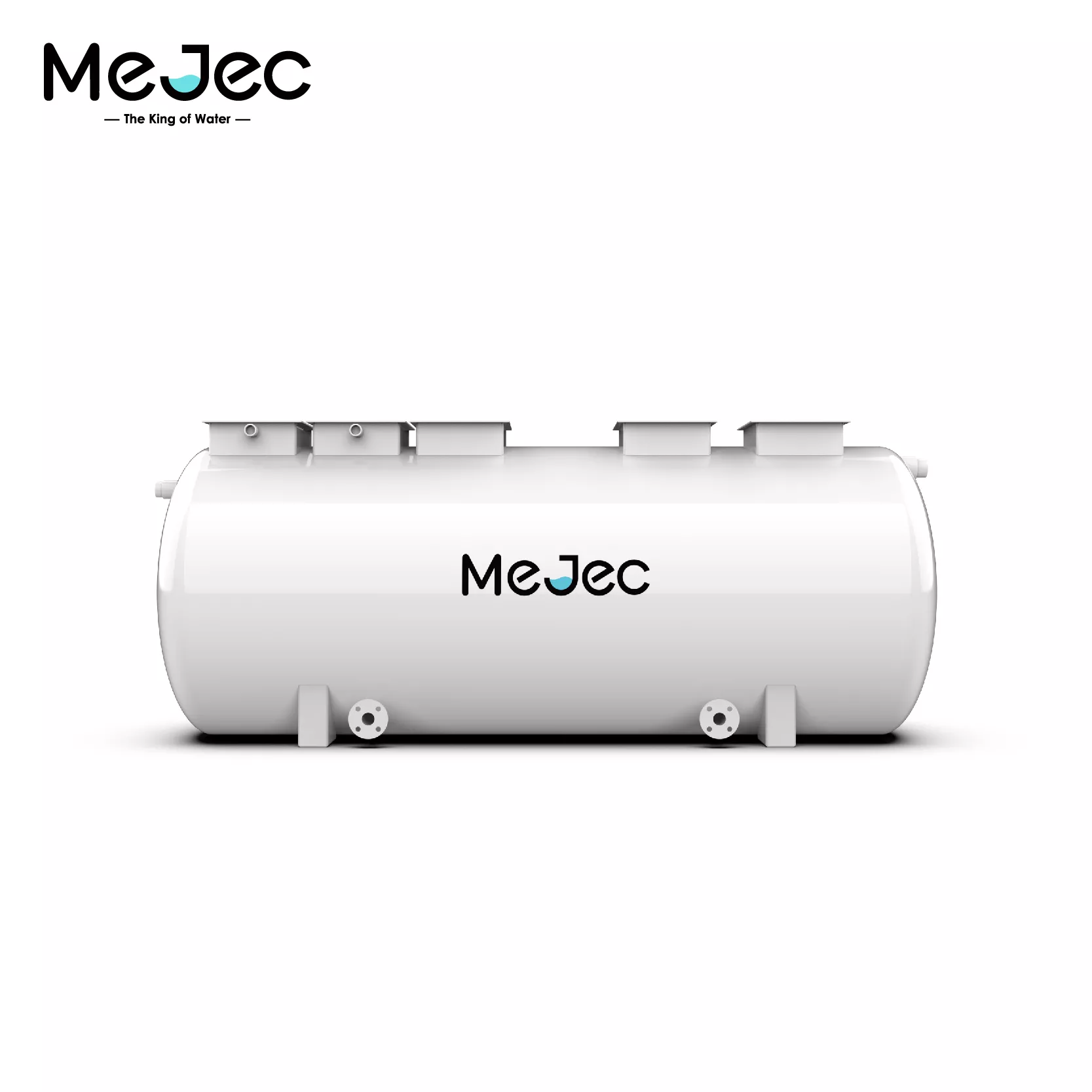
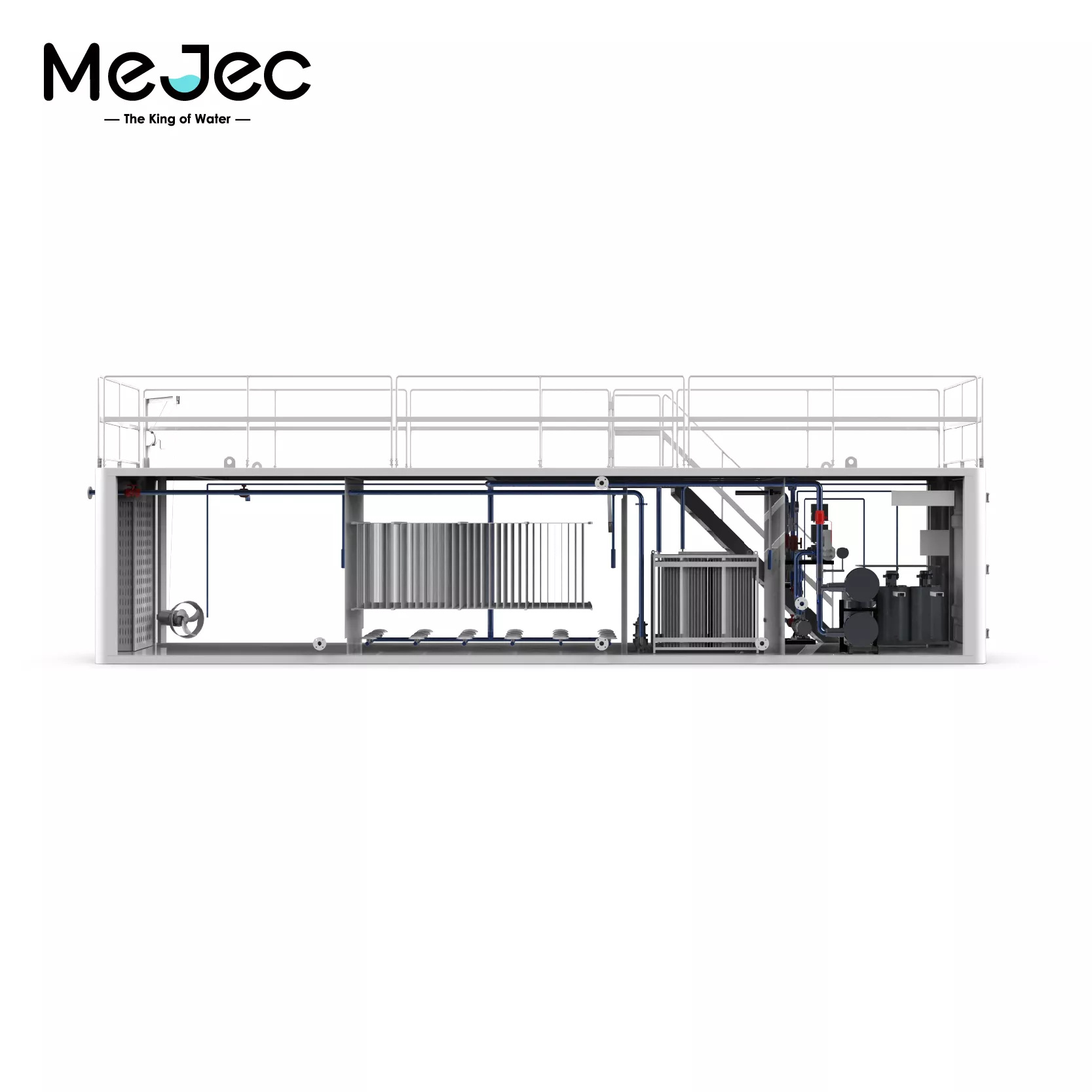
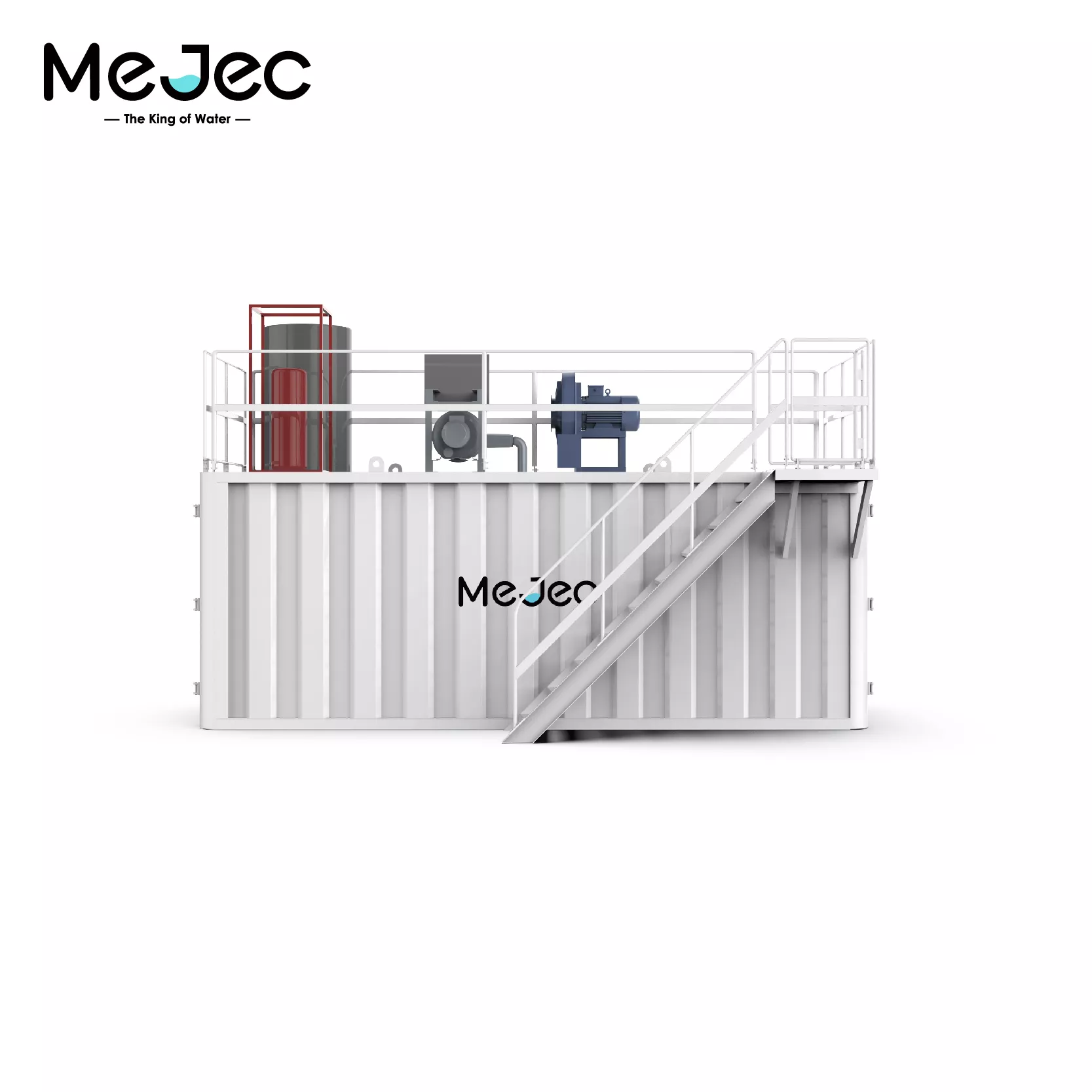
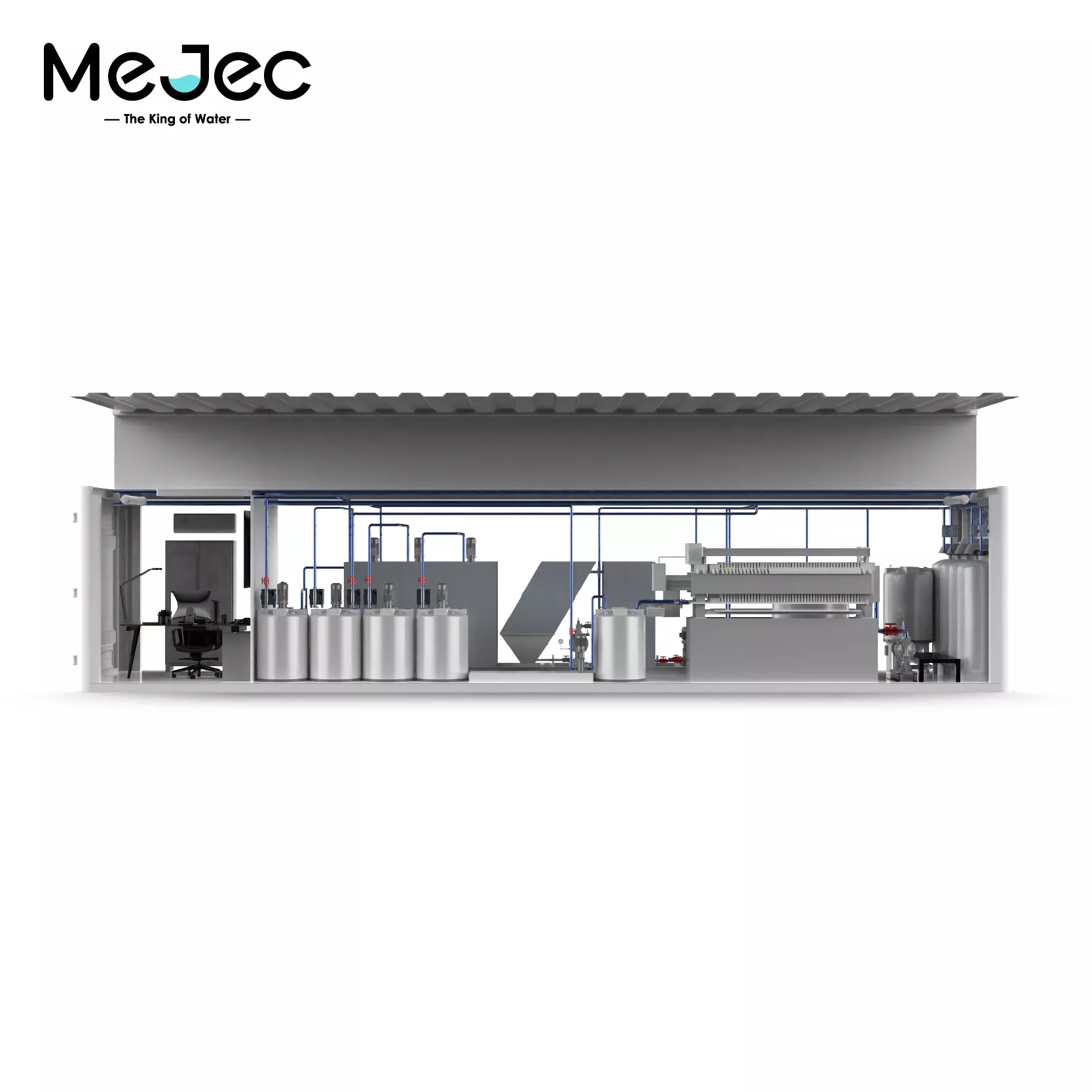
Modular systems are prefabricated, self-contained wastewater treatment plants. Think of them as "building blocks" that can be assembled on-site. These units are pre-engineered in a factory and include all the necessary treatment stages. This modern approach shifts plant design toward sustainability and automation.
A typical modular system includes:
Preliminary & Primary Treatment: To remove large debris and solids.
Secondary Treatment: Often using advanced technologies like Membrane Bioreactors (MBRs).
Tertiary Treatment: Final polishing with filtration or UV disinfection.
This design allows for rapid deployment, turning a years-long project into a matter of months.
By 2026, cities and developers will need faster, more flexible infrastructure solutions. Modular systems support a decentralized model, which treats wastewater near its source. This is ideal for new developments or remote areas where expanding large sewer networks is too expensive or disruptive.
Decentralized systems are often used for clusters of homes or planned communities. They allow developers to install treatment capacity incrementally, adding more units as the community grows. This phased approach improves cash flow and reduces the risk of overbuilding.
This adaptability makes infrastructure more resilient and responsive to changing community needs.
Modular systems offer significant financial advantages by changing how projects are funded and built. Instead of a massive upfront investment, municipalities can adopt a "pay-as-you-grow" strategy. This aligns costs with actual demand and prevents overspending on oversized facilities. The key financial benefits are clear:
Lower Upfront Costs: Reduces the initial capital needed compared to expanding a large, centralized plant.
Faster Deployment: Pre-built units can be installed in half the time of traditional construction, accelerating project timelines.
Reduced Infrastructure: Eliminates the need for extensive and costly pipeline networks.
This approach makes modern wastewater treatment more affordable and accessible, especially for growing communities with limited budgets.
The future of wastewater treatment is smarter and resource-focused. Innovations like AI, anammox, and pyrolysis are turning the traditional municipal wastewater treatment plant into a resource recovery facility. Despite adoption challenges, growing investment shows a clear path forward. Adopting these technologies is essential for cities to achieve water security and resilience.
Yes, some are. Modular systems offer lower upfront costs. They allow communities to add treatment capacity as needed. This makes modern technology more affordable for smaller budgets.
The main benefit is turning waste into value. These systems change plants from energy users to resource producers. They create clean water, energy, and other useful products.

We provide you with comprehensive foreign trade solutions to help enterprises achieve global development
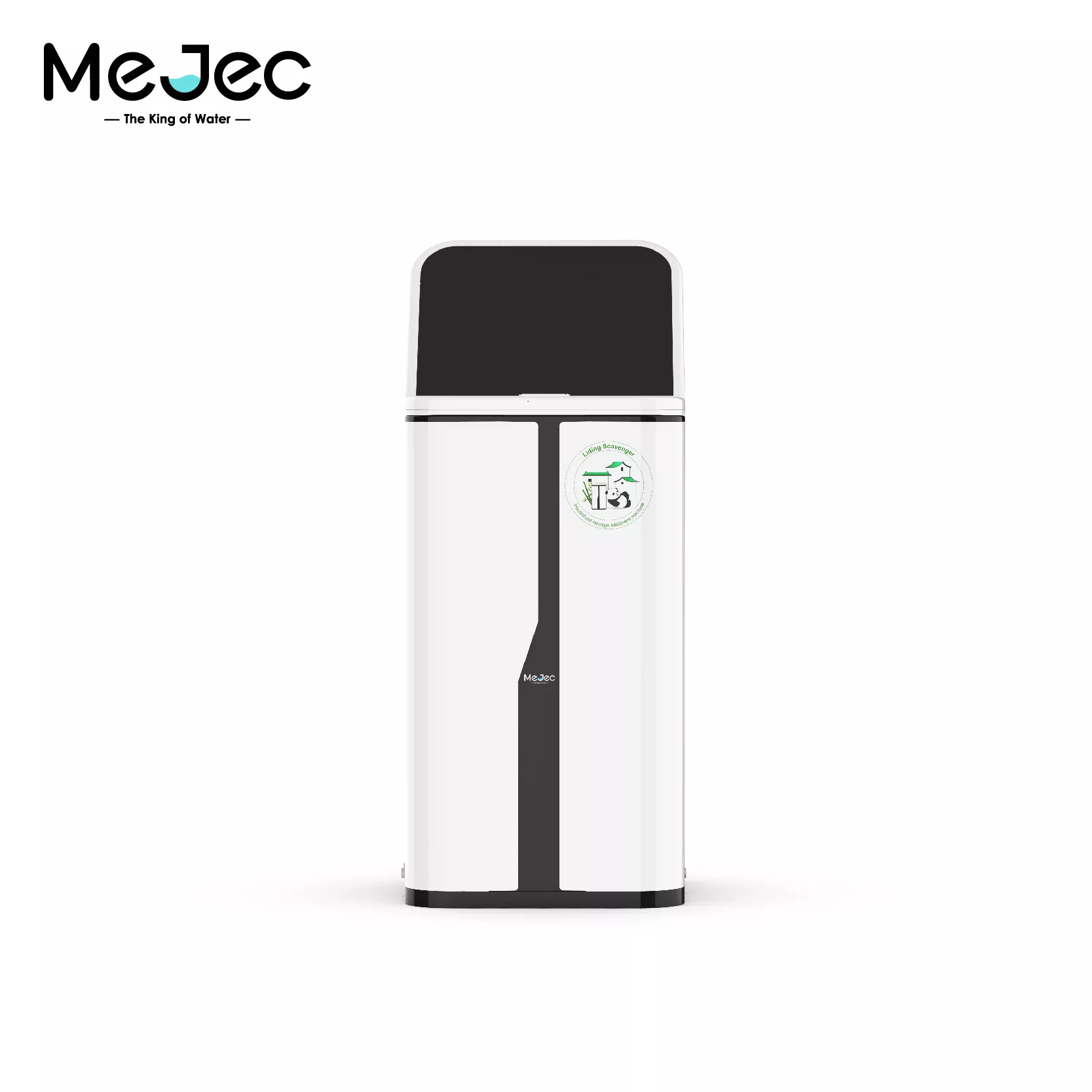
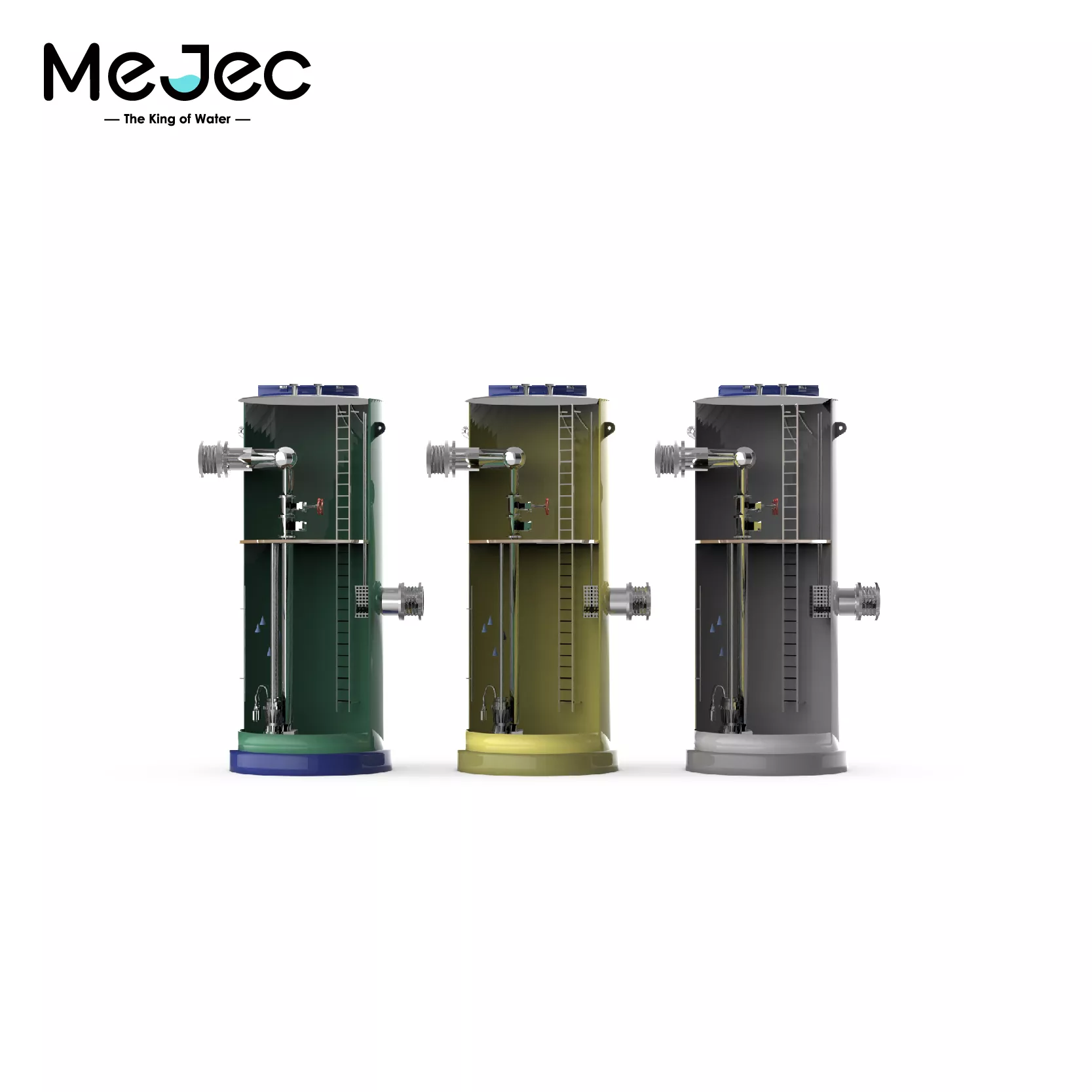
Mejec Scavenger Household Sewage Treatment Plant (...
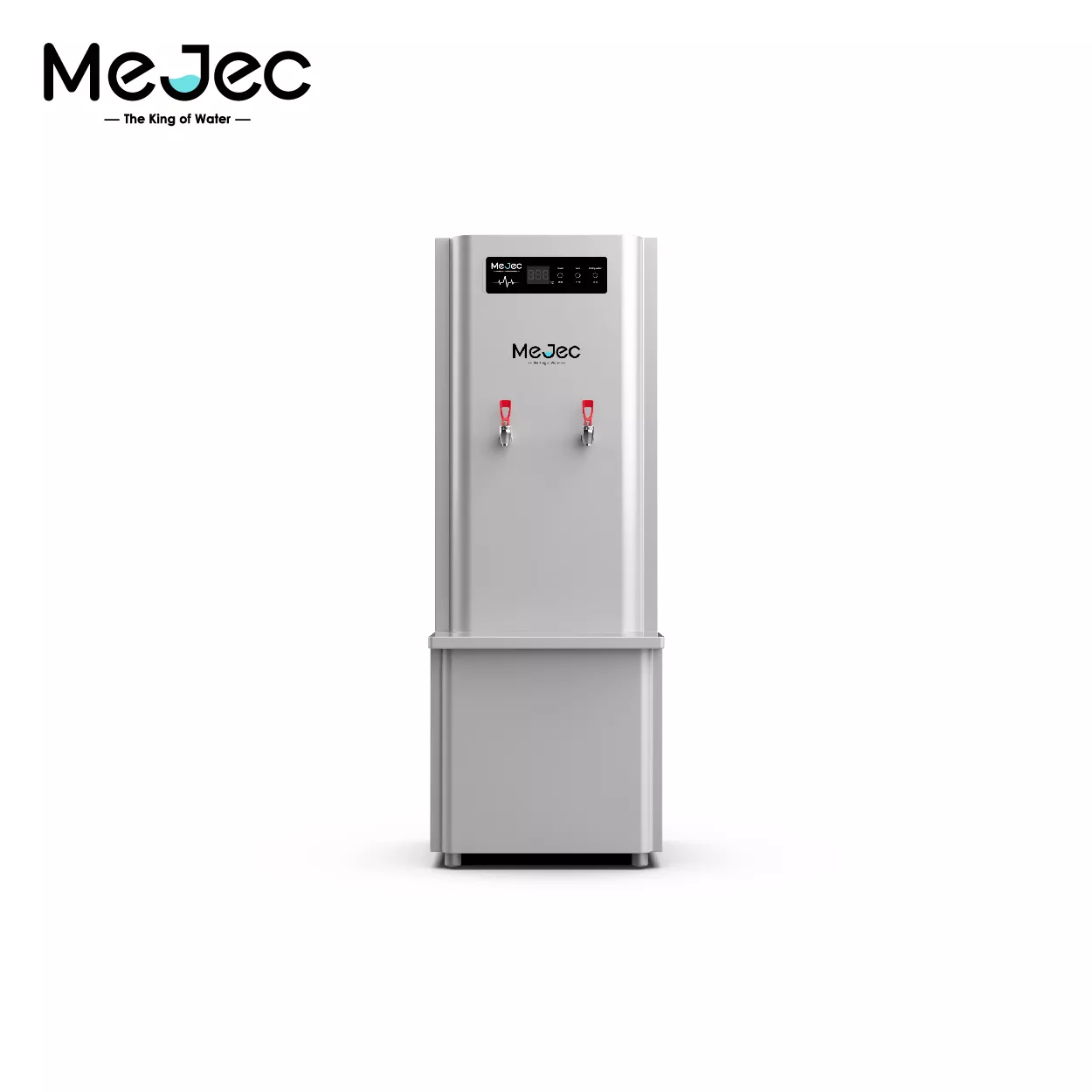
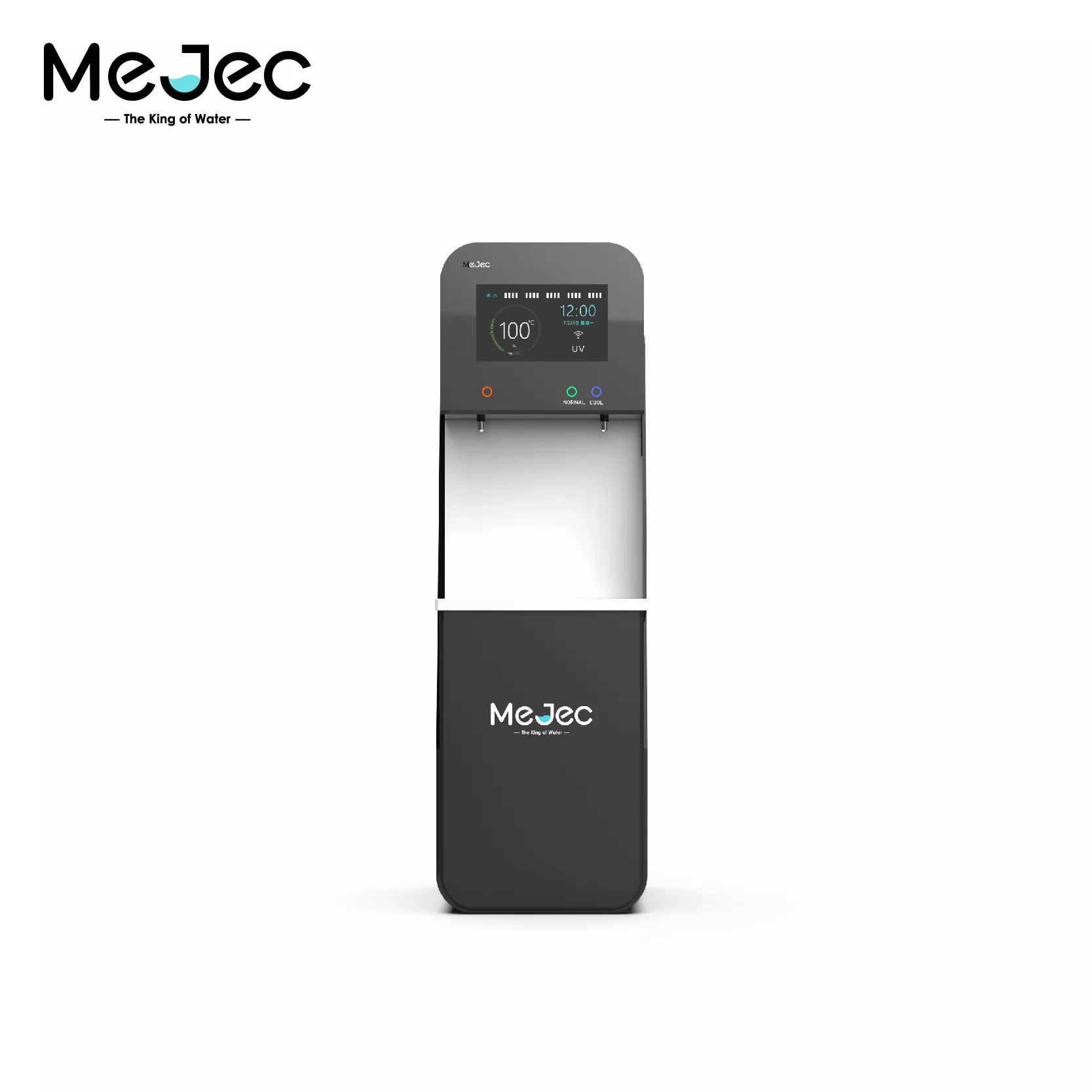
The Mejec dual-faucet boiling water dispenser is b...

Choose Mejec and say goodbye to manual maintenance...
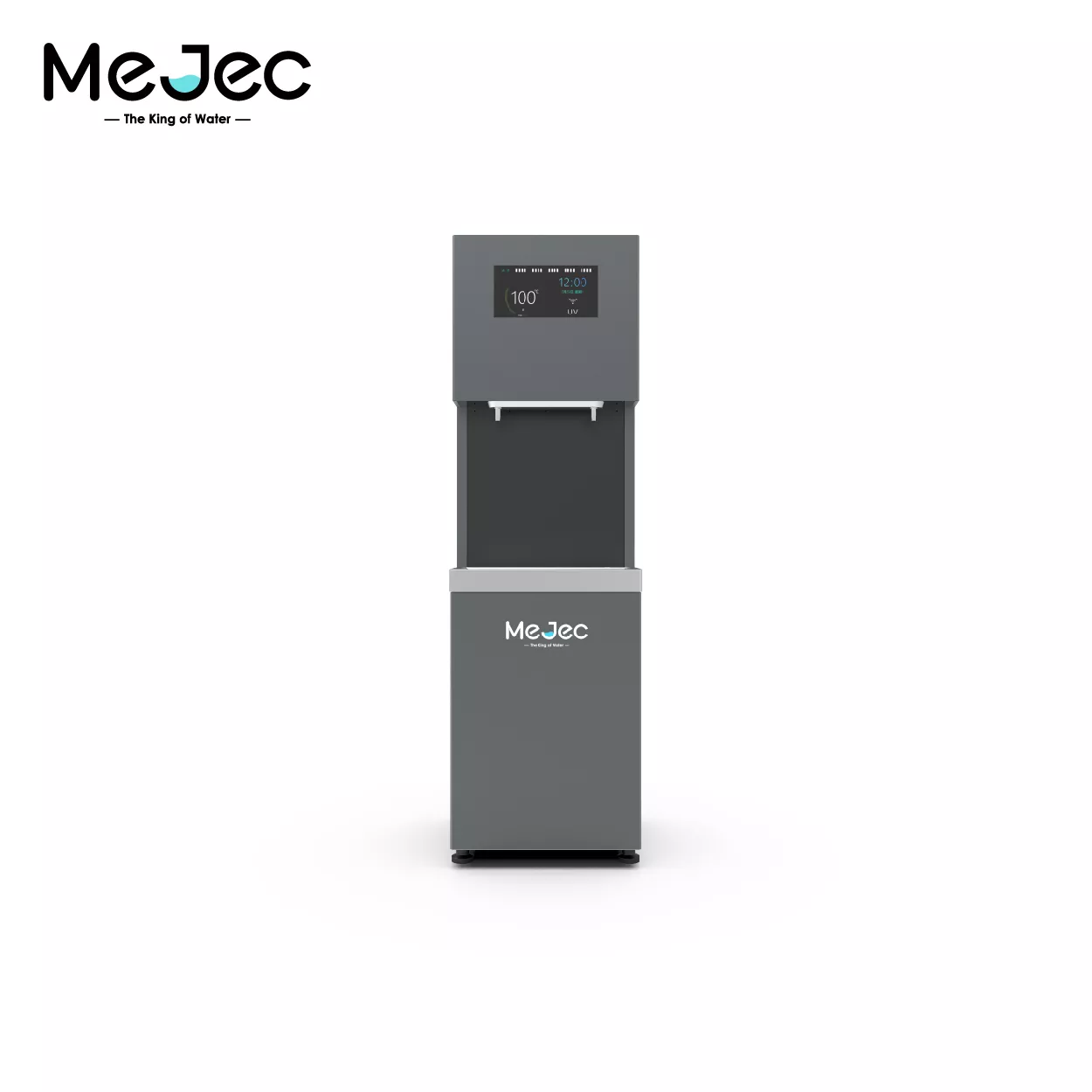
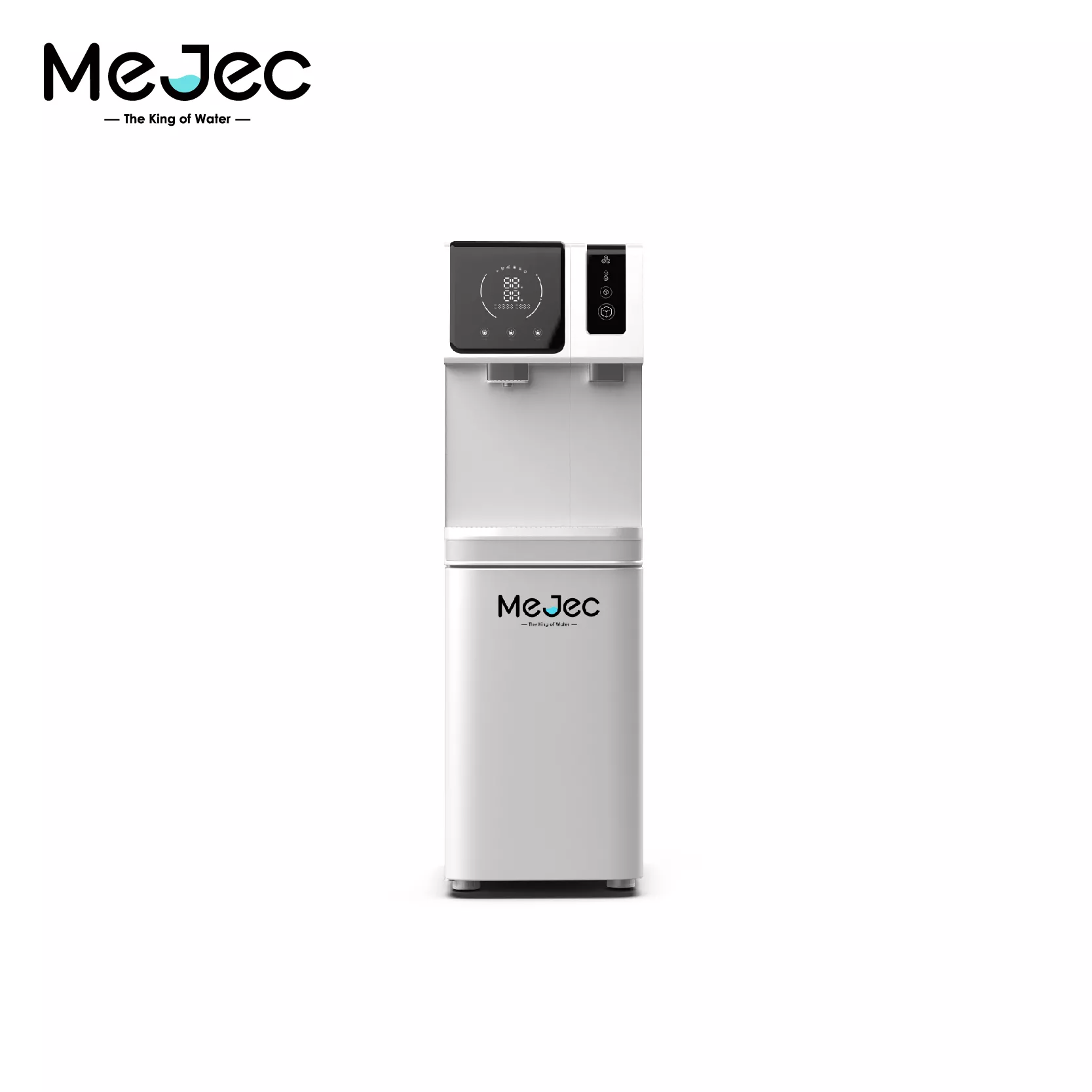
The Mejec commercial energy-saving water dispenser...
Select the most popular foreign trade service products to meet your diverse needs
Select the most popular foreign trade service products to meet your diverse needs





User Comments
Service Experience Sharing from Real Customers
Michael Chen
Construction Site ManagerThis portable sewage treatment plant was a game-changer for our remote construction camp. Easy to set up, efficient, and met all environmental compliance standards. Highly reliable.
Sarah Johnson
Event CoordinatorRented this unit for a large outdoor festival. It handled the high-capacity wastewater perfectly and the service team was very responsive. A must-have for temporary event sites.
David Rodriguez
Disaster Relief CoordinatorIn emergency response situations, this portable treatment system is invaluable. It's robust, quick to deploy, and provides safe sanitation where infrastructure is damaged. Excellent product.
Jennifer Lee
Mining Operations SupervisorWe've used this system at our temporary exploration site for 6 months. It's durable, requires minimal maintenance, and effectively treats sewage in harsh conditions. A solid investment.