Tertiary Wastewater Treatment System
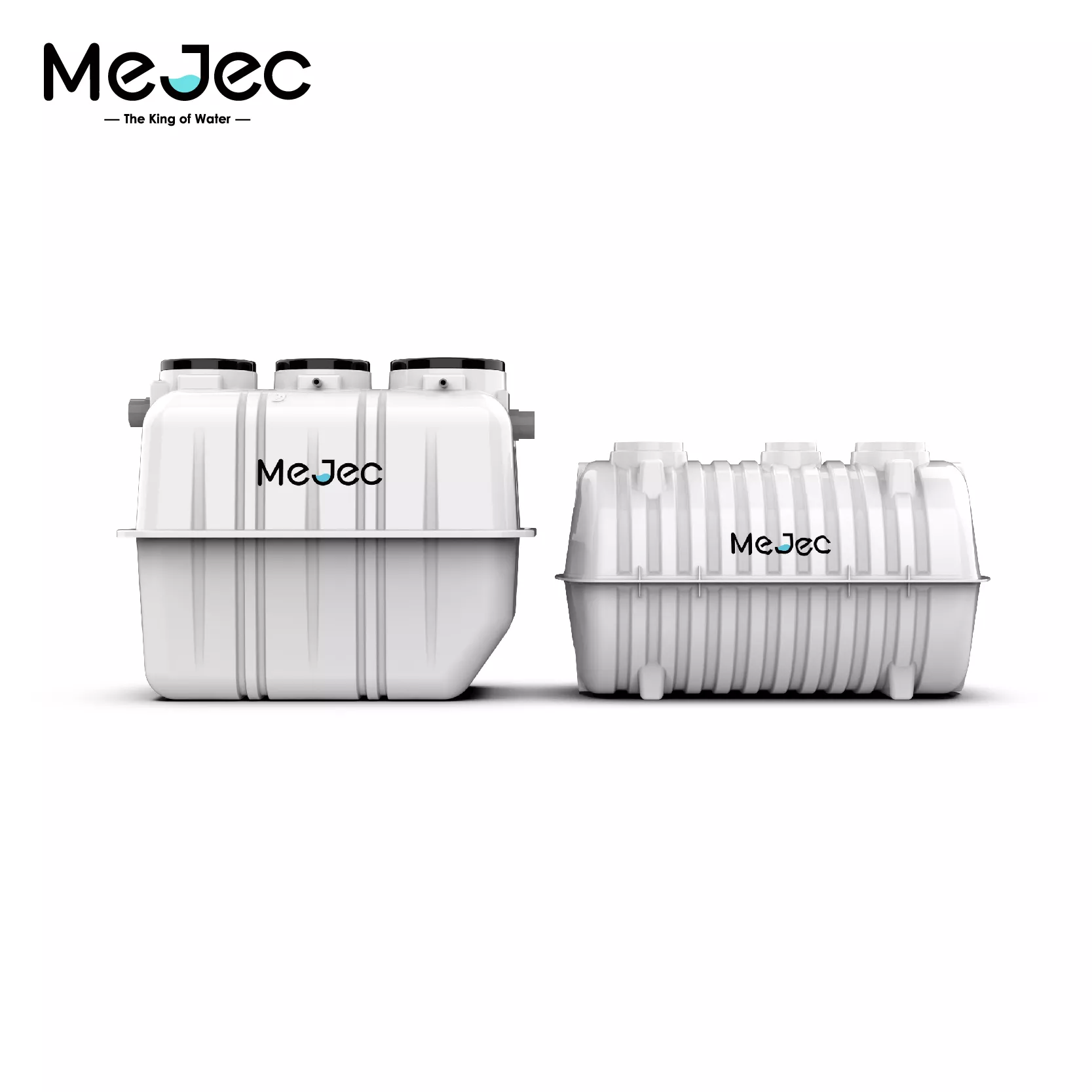
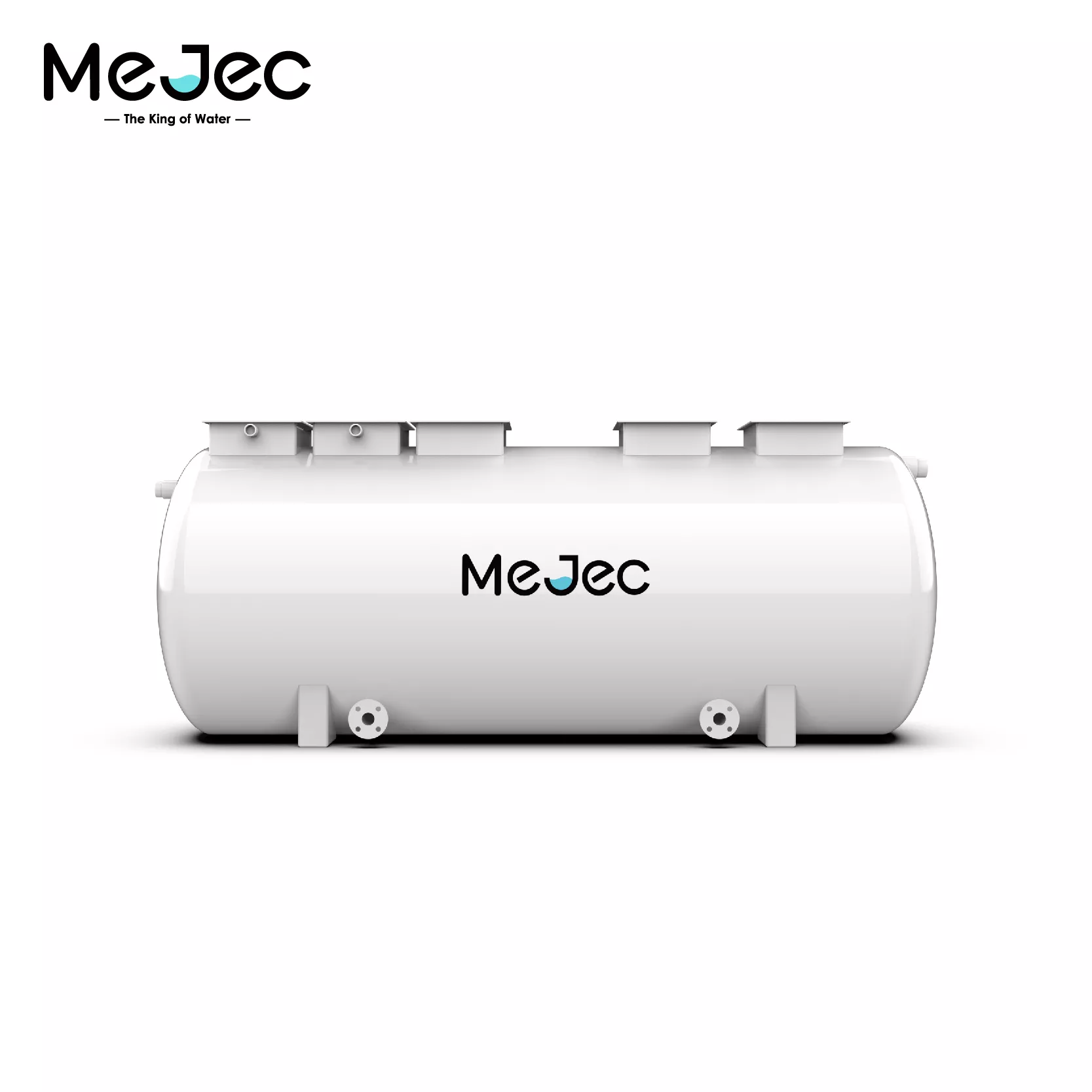
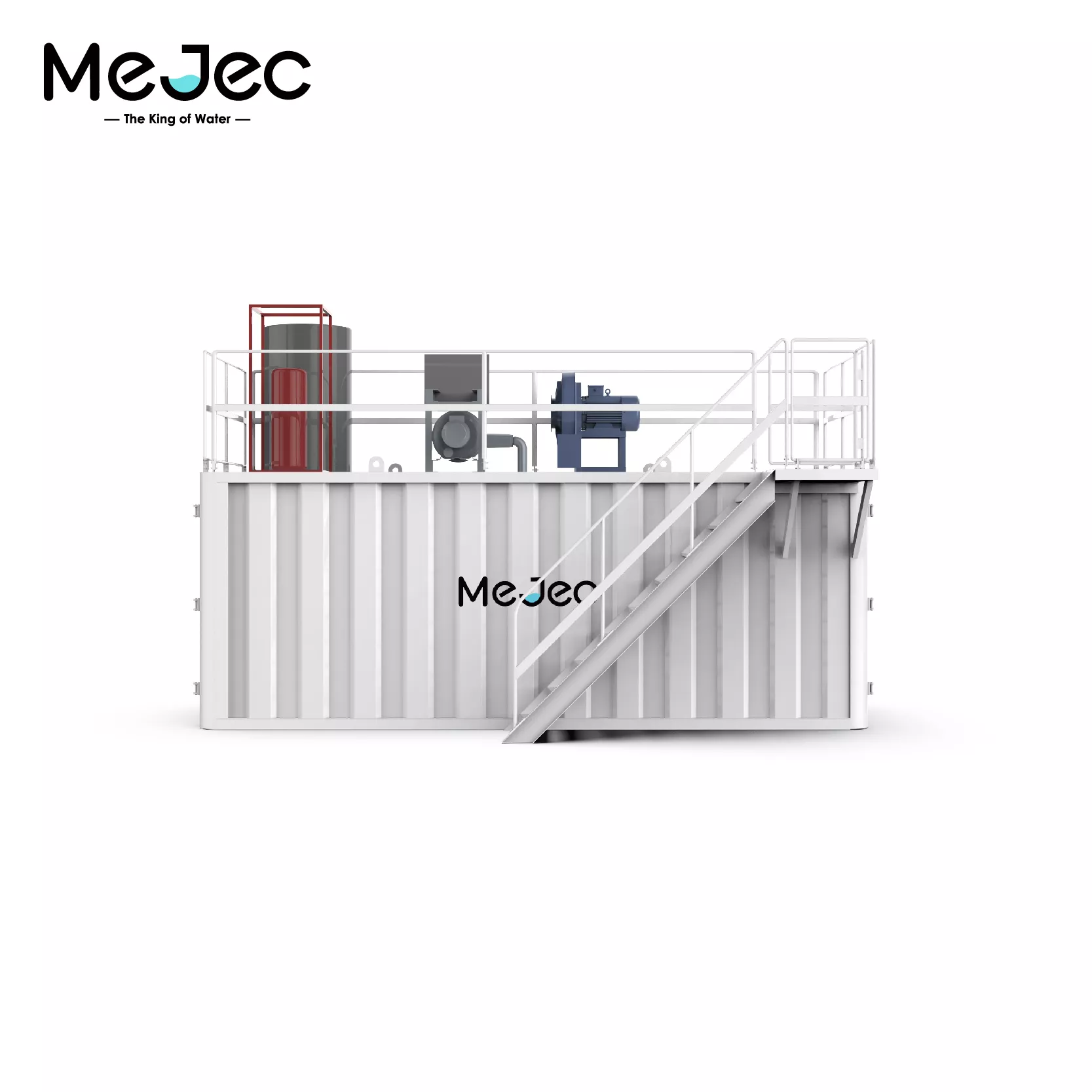
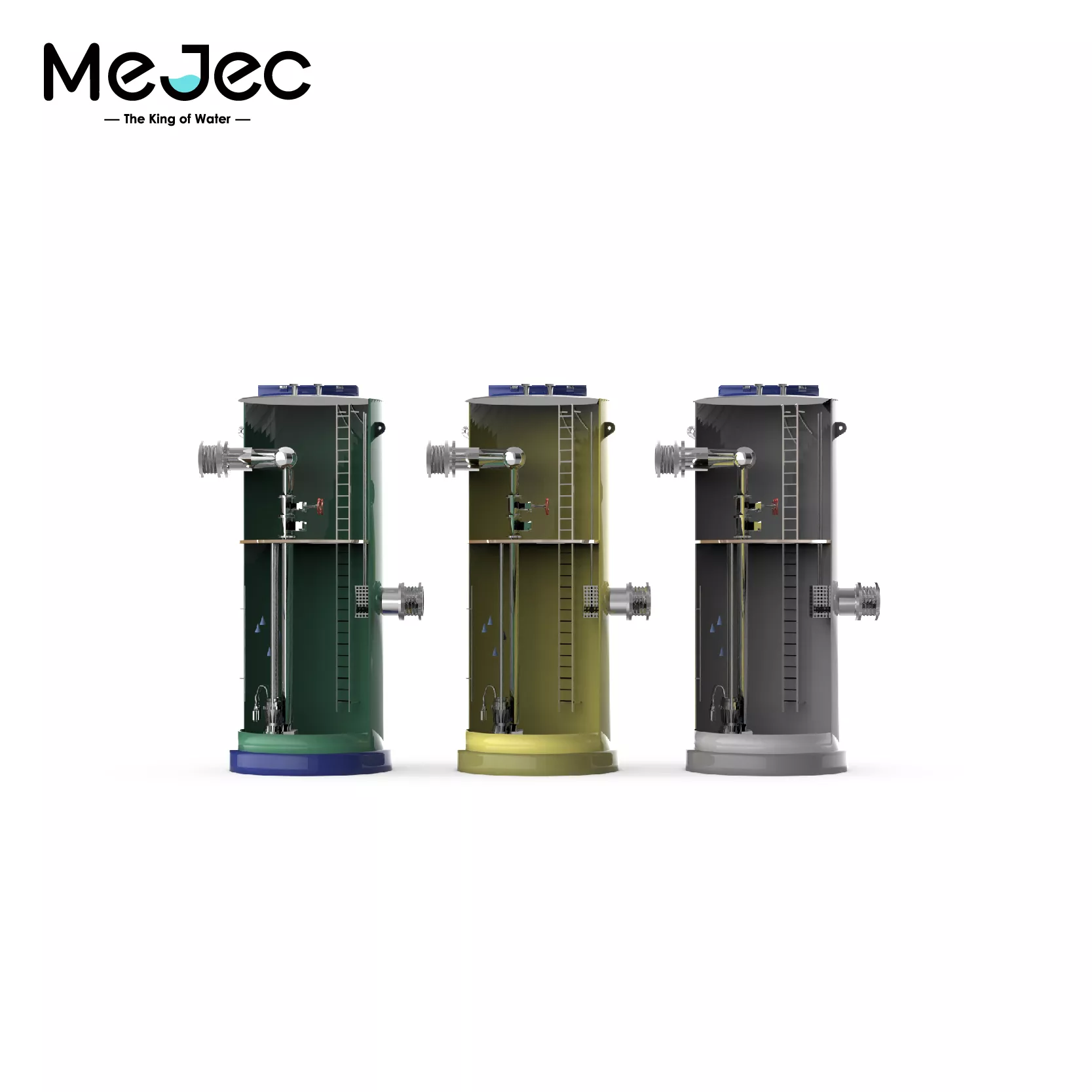
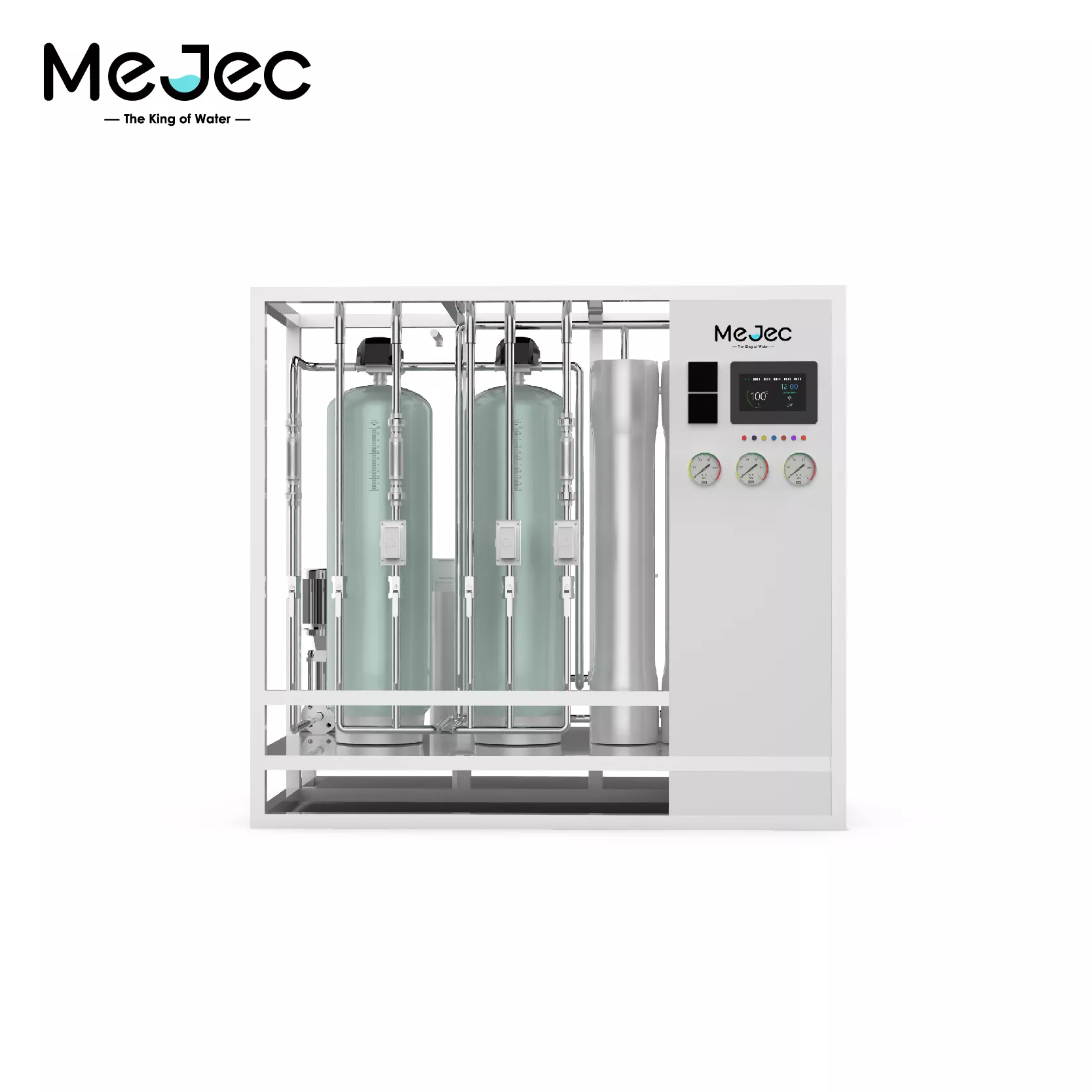
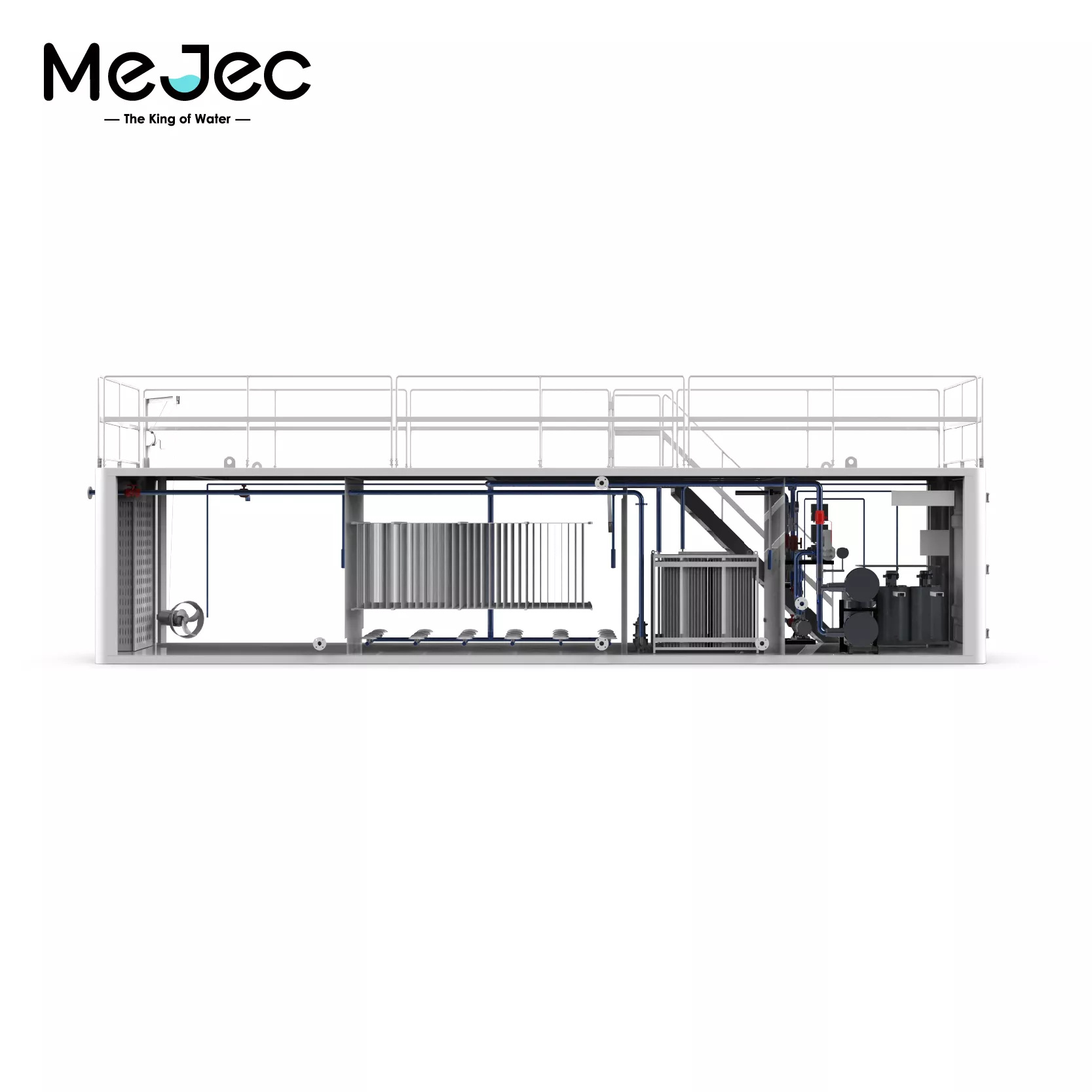
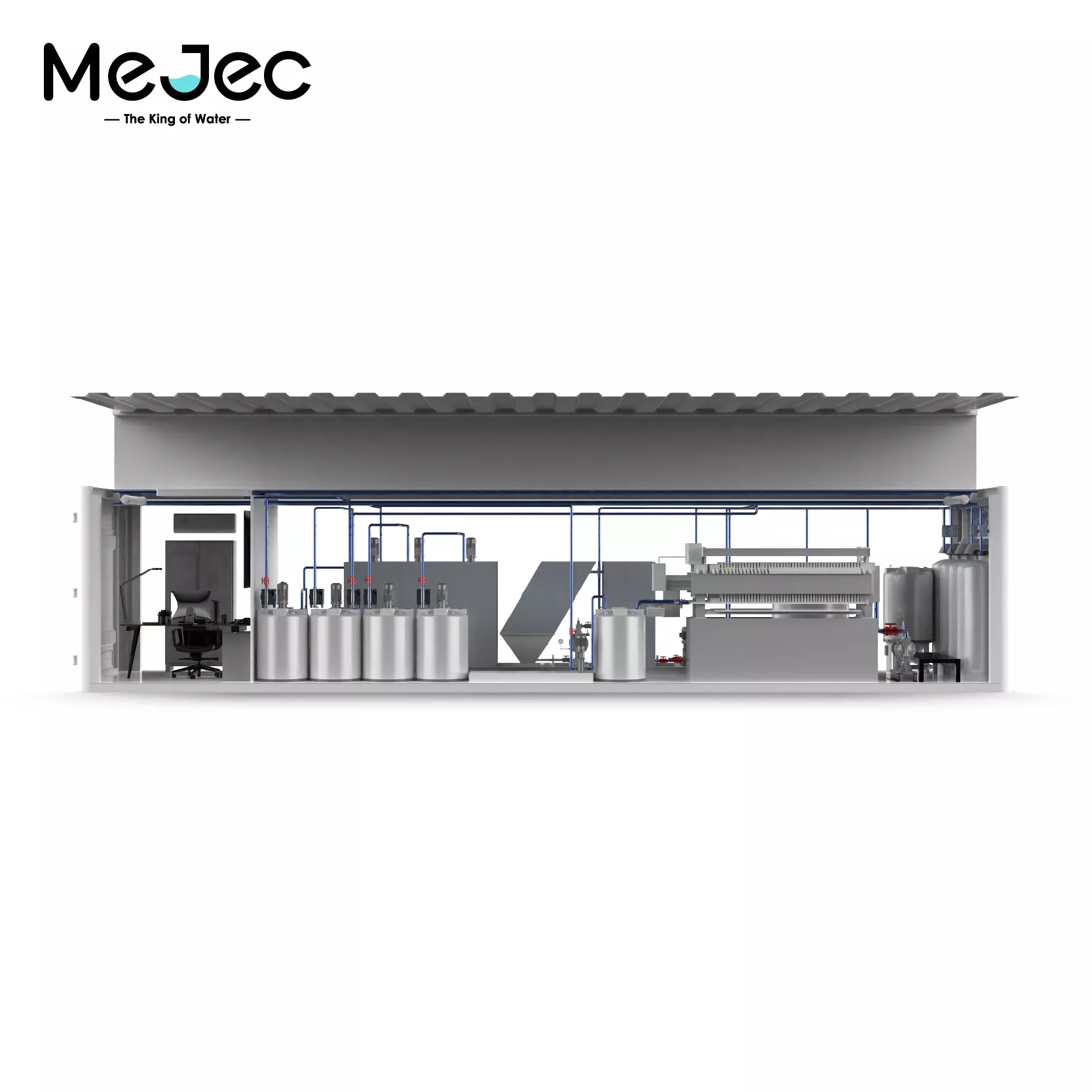
A tertiary wastewater treatment system represents the advanced phase of wastewater purification, following primary and secondary treatment stages. This process is engineered to remove specific contaminants to meet stringent discharge standards or enable water reuse. Common technologies include filtration (such as sand or membrane filters), nutrient removal (biological or chemical processes for nitrogen and phosphorus), advanced oxidation, and disinfection methods like UV irradiation or ozonation. The implementation of such systems is critical for environmental protection, public health, and sustainable water resource management, particularly in water-scarce regions and for industries requiring high-quality process water.
The necessity for tertiary treatment is underscored by global water quality data and regulatory frameworks. According to a United Nations World Water Development Report, over 80% of global wastewater is discharged without adequate treatment, highlighting a vast need for advanced systems. Tertiary treatment specifically addresses pollutants that secondary treatment leaves behind, including approximately 90-99% of suspended solids, 70-90% of nutrients like nitrogen and phosphorus which cause eutrophication, and nearly all pathogenic microorganisms. For instance, technologies like membrane bioreactors (MBRs) can achieve effluent with less than 5 mg/L of biological oxygen demand (BOD) and total suspended solids (TSS), while advanced filtration can reduce phosphorus levels to below 0.1 mg/L. Disinfection via UV systems typically achieves a 4-log (99.99%) reduction of bacteria and viruses, making water safe for non-potable reuse such as irrigation or industrial cooling. Real-world applications demonstrate significant impact. Municipal plants, like the Orange County Groundwater Replenishment System in California, use tertiary treatment including microfiltration, reverse osmosis, and UV/advanced oxidation to produce 100 million gallons per day of purified water for groundwater recharge. In the industrial sector, sectors like pharmaceuticals and microelectronics rely on tertiary polishing stages, often involving ion exchange or electrodeionization, to produce ultra-pure water. Market analysis from research firms indicates the global advanced wastewater treatment market is projected to grow substantially, driven by stringent regulations such as the EU's Urban Wastewater Treatment Directive and increasing industrial water reuse mandates. The operational benefits are quantifiable: facilities implementing tertiary systems report significant reductions in environmental discharge fees, decreased freshwater intake costs, and enhanced compliance reliability. The return on investment is increasingly favorable as water scarcity intensifies and technology costs decrease, making tertiary treatment not just an environmental imperative but a strategic economic decision for municipalities and industries worldwide.



.webp)













User Comments
Service Experience Sharing from Real Customers
Michael Chen
Environmental EngineerOur plant integrated this tertiary treatment system six months ago. The advanced filtration and UV disinfection stages have consistently produced effluent that exceeds local discharge standards. The system's automation has significantly reduced operational labor.
Sarah Johnson
Plant Operations ManagerReliable and efficient system for polishing secondary effluent. The nutrient removal module is particularly effective for our needs. While the initial setup required careful calibration, the system has run with minimal downtime since. Great support from the technical team.
David Rodriguez
Sustainability DirectorImplemented this tertiary system to enable water reuse in our cooling processes. The output water quality is exceptional, allowing us to close our water loop and achieve major sustainability goals. The ROI calculation is on track thanks to reduced freshwater intake.
Jennifer Park
Chief Technology OfficerAs a provider of packaged treatment solutions, we've specified this tertiary system for several high-profile eco-district projects. Its modular design, compact footprint, and proven performance in removing micro-pollutants make it a top-tier choice for our clients demanding water reuse.